


 Русский
  English (UK)
  العربية
  日本語
日本語  한국어
한국어  Magyar
  Türkçe
  Español
  Čeština
  Svenska
  Português
  Ελληνικά
  Suomi
Suomi  Nederlands
  Română
  Italiano
  Français
  Polski
  Українська
  Deutsch
  简体中文
简体中文  Slovenčina
 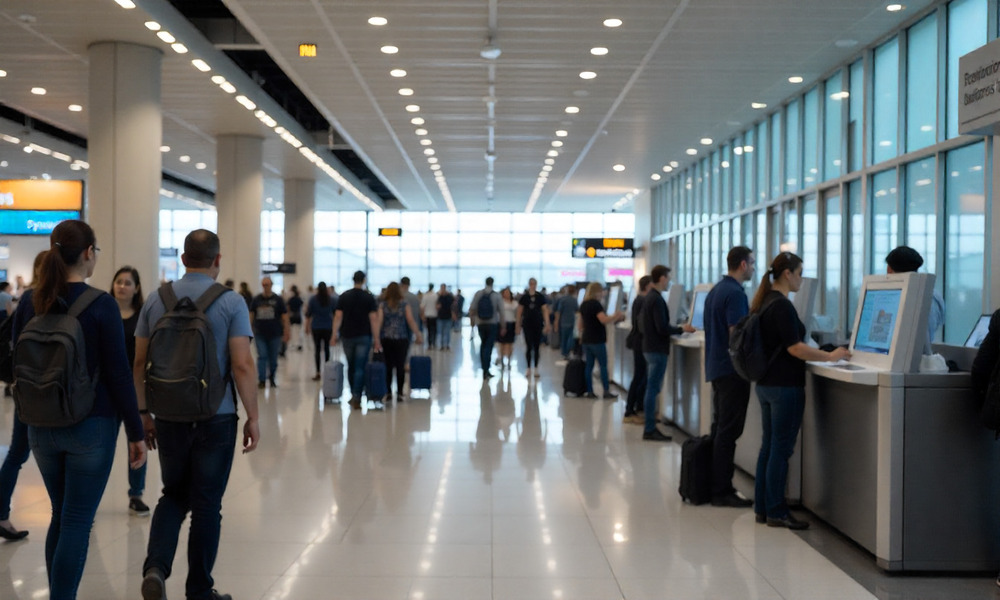 Испания вводит биометрическую систему контроля доступа в аэропорту Пальма-де-Майорка для граждан Великобритании">

A Revolutionary Step in Border Control at Palma de Mallorca Airport
Starting from November 19, Palma de Mallorca Airport is set to revolutionize its border control by introducing an advanced biometric system specifically impacting UK nationals. This system transitions away from traditional passport stamping to a modern digital approach, incorporating facial recognition and fingerprint scanning, aiming to enhance security and improve the entry process for travellers.
What the New System Entails
The biometric entry system under the EU’s Entry/Exit System (EES) marks a significant upgrade for border management. Upon arrival, UK travellers will have their passports scanned alongside the collection of facial images and four fingerprints. These biometric details will be stored in a secure European Union database used to monitor entry and exit times within the Schengen Area. This level of data collection assists in reinforcing border security and complying with travel regulations more effectively.
Initially, visitors should anticipate longer wait times due to staff training and process familiarization. During this phase, traditional passport stamping will remain in place, serving as a fallback until the biometric system is fully integrated. Ultimately, manual checks and stamping will be phased out, expediting future arrivals and departures.
Context of the Digital Border Control System Rollout
This initiative follows the prior successful EES deployment at Madrid Airport in October and extends to other Spanish airports such as Menorca. The EU plans to implement this digital system across all member states, though the pace varies between airports. In addition to EES, travellers from the UK will soon require the European Travel Information and Authorisation System (ETIAS), which involves a travel authorisation fee and is valid for up to three years, enhancing pre-travel security vetting.
Key Preparations for Travellers
- Ensure possession of a biometric passport that is valid upon travel.
- Allow extra time for border processing during the system’s transition phase.
- Be prepared to present additional documents such as hotel bookings, return flights, or proof of onward travel when requested.
- Apply for ETIAS authorisation once mandatory to facilitate seamless entry.
Historical Evolution of Border Controls: From Manual to Biometric
The move towards biometric entry systems is part of a broad trend to modernize border security across Europe. Traditionally, border control relied on manual passport inspections and physical stamp markings to log arrival and departure dates. As travel volumes surged and security concerns became more complex, the EU initiated the Entry/Exit System to digitize this process. The shift supports better fraud prevention, reduces the risk of visa overstays, and streamlines repeat entries for frequent visitors.
Biometric technology, involving facial and fingerprint recognition, has increasingly become the backbone of international travel security systems worldwide. Its capacity to provide unique, hard-to-forge personal identifiers makes it the ideal tool for managing borders efficiently, especially at busy international entry points such as Palma de Mallorca Airport, a gateway to the popular Balearic Islands.
How This Change Aligns with Tourism Trends
The Balearic Islands remain a prominent destination for British tourists, many arriving to enjoy the sun, beaches, and vibrant maritime activities that define the region. A smarter, faster border control system sets the stage for accommodating growing numbers of visitors, a trend supported by the islands’ expanding tourism infrastructure.
The integration of technology in border management also reflects the broader digital transformation seen in the travel and hospitality industry — from online bookings to real-time tracking and customer service automation. This evolution enhances visitor experiences by decreasing unnecessary delays and improving overall safety.
Looking Ahead: Impact on International Tourism and Travel Experience
While the biometric system will initially challenge travellers with longer queues and new procedural requirements, its full implementation promises a more streamlined flow through border checkpoints. For the Schengen Area, this means better monitoring of visitor movements, ensuring compliance with stay limits, and reducing the incidence of overstays which can affect visa policies.
The European Travel Information and Authorisation System (ETIAS) complements EES by introducing a pre-travel clearance mechanism similar to systems in other regions. Collectively, these measures represent a shift towards a safer and digitally governed travel environment, responding to the complexities of modern tourism flows.
Table: Key Features of Spain’s New Border Entry System
| Feature | Description |
|---|---|
| Biometric Data Collected | Facial images and four fingerprints upon first entry |
| Data Storage | EU-wide database used to track entry and exit |
| Validity of Biometric Registration | Up to three years or length of passport validity |
| Additional Travel Requirement | European Travel Information and Authorisation System (ETIAS) application |
| Expected Phase-out | Manual passport stamping replaced by biometric checks |
Conclusion: Embracing Change in Travel to Spain’s Coastal Gems
The introduction of biometric border controls at Palma de Mallorca Airport marks a pioneering moment for UK visitors to Spain. This new system aligns with efforts across Europe to fortify travel security while facilitating smoother, technology-driven entry procedures. The changes reflect a global trend towards digital border management, preparing Spain to better handle the increasing flow of tourists.
For travellers planning a visit to idyllic destinations like Majorca, renowned for its stunning beaches, clear waters, and lively marinas, understanding and adapting to these new border control requirements is essential. Given the region’s popularity for yachting, sailing, and boating activities, the enhanced system supports safe and efficient travel for those seeking to enjoy the sun-soaked coasts and waters.
As the new protocols take hold, visitors can anticipate safer, faster entries while authorities gain tools to prevent overstays and strengthen compliance. In the meantime, allowing extra time during the adjustment period and ensuring necessary documents and authorisations are in order can make the experience much smoother.
For enthusiasts of marine adventures and international yacht charters, this means easier access to one of Europe’s prime boating destinations, where unforgettable sailing activities, marinas bustling with superyachts, and coastal adventures await. To navigate the Gulf and Mediterranean waters in style, consider exploring the diverse options for boat and yacht rental through GetBoat.com, an international marketplace catering to every taste and budget for an unbeatable sailing holiday.