


 Русский
  English (UK)
  العربية
  日本語
日本語  한국어
한국어  Magyar
  Türkçe
  Español
  Čeština
  Svenska
  Português
  Ελληνικά
  Suomi
Suomi  Nederlands
  Română
  Italiano
  Français
  Polski
  Українська
  Deutsch
  简体中文
简体中文  Slovenčina
 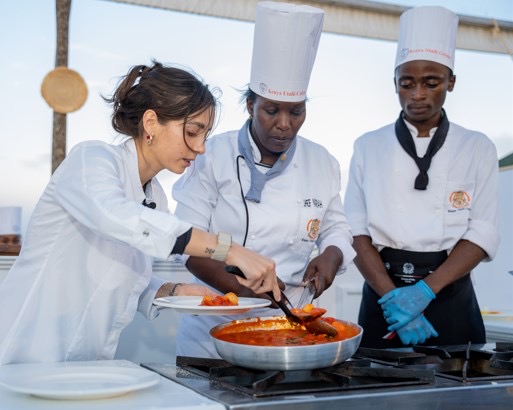 Путешествие Кении на миллиардный рынок кулинарного туризма">

Kenya’s Culinary Tourism Ambition
Kenya is making significant moves to carve out its share of the bustling global culinary tourism market, which is valued in the trillions of shillings worldwide. The country recognizes that food isn’t just sustenance but a vibrant gateway to culture and experience for travelers. This approach is part of Kenya’s broader strategy to diversify its tourism offerings beyond traditional safari and beach attractions.
A New Flavor of Tourism
Culinary tourism, also known as food tourism, involves travelers exploring a destination specifically to experience its local foods and beverages. For Kenya, this means showcasing indigenous dishes, regional delicacies, and authentic cooking traditions that form an integral part of its cultural identity. The country hopes that by spotlighting its culinary richness, it will attract more tourists seeking immersive, sensory experiences.
The Economic Rationale
The economic prospects of culinary tourism are substantial. Globally, food and drink represent about 25-30% of tourist expenditures, and culinary experiences influence how travelers remember and value a destination. Kenya’s government and tourism stakeholders are betting that promoting their cuisine will boost tourist spending, lengthen stays, and strengthen loyalty to the destination.
| Global Culinary Tourism Aspect | Relevant Insight |
|---|---|
| Tourist Food Spending | Accounts for 25-30% of daily expenditure |
| Tourism Motivations | Food as primary or complementary travel reason |
| Market Positioning | Local cuisine enhances destination uniqueness |
The Roots and Rise of Culinary Tourism
Culinary tourism isn’t a new phenomenon but has gained prominence alongside trends like slow food movements, farm-to-table dining, and the growing interest in authentic cultural experiences. Tourists today are often motivated by the desire to taste new flavors and learn about the heritage embedded in a dish.
This form of tourism naturally aligns with festivals, farmers’ markets, and food events that celebrate local ingredients and traditional cooking methods. International cities boast ethnic culinary enclaves, such as Chinatowns or street food hubs, where tourists can indulge in diverse tastes without leaving urban centers. The modern food truck movement, originating in places like Portland, USA, and spreading internationally, exemplifies how culinary tourism adapts to urban lifestyles and demands.
Historical Context
Historically, many regions have leveraged their food culture to attract visitors. Culinary tourism developed as part of “special interest tourism,” blending food experiences with cultural storytelling and regional identity. The food consumed by tourists is a powerful symbol of a destination’s history and lifestyle, influencing repeat visits and generating worldwide interest.
Trends Shaping Culinary Tourism
- Experiential Dining: Many travelers look for interactive experiences like cooking classes and ingredient foraging.
- Pop-up Restaurants: Temporary eateries mix innovation, lifestyle, and tourism in dynamic ways.
- Ethnic Culinary Districts: Neighborhoods focused on a particular cuisine become tourist magnets.
- Integration with Festivals: Food is often central to cultural celebrations, enhancing culinary appeal.
The Role of Culinary Tourism in Destination Development
The appeal of local cuisine provides destinations with a competitive edge, especially when it comes to creating memorable experiences that extend beyond traditional sightseeing. Governments worldwide have embraced culinary tourism to build local economies, support farmers, and preserve heritage foodways.
Kenya’s push into culinary tourism is a timely strategy. With international tourism facing challenges globally, including health and economic uncertainties, unique offerings like food-based experiences can attract niche markets and higher-spending travelers. Culinary tourism helps diversify the economic base of tourism-dependent regions and harnesses local talents sustainably.
Проблемы и возможности
While promising, culinary tourism is not without its complexities. Issues such as food security, climate change, and ethical food sourcing will shape future developments. For instance, changes in agricultural viability due to climate shifts could alter regional specialties, requiring adaptability and innovation in culinary offerings.
Socially, ethical considerations regarding labor in the food sector and the environmental impact of food production are gaining attention. Destinations investing in culinary tourism must balance authenticity and sustainability to maintain their appeal and integrity.
Looking Ahead: Global and Local Impact
Globally, culinary tourism contributes significantly to tourism revenue and cultural exchange. The sector is evolving, reflecting broader consumer desires for authenticity, community involvement, and experiential travel. Kenya’s alignment with these global trends should encourage sustainable growth in visitor arrivals and revenue.
For Kenya, culinary tourism may especially enhance marine and coastal destinations where rich marine biodiversity influences local food culture. The intersection of beach, local seafood, and cooking traditions offers unparalleled opportunities for food-themed boating excursions, fishing trips, and sailing tours, integrating culinary delights with active ocean experiences.
Potential Effects on Sailing and Boat Rentals
Culinary tourism in coastal Kenya could capitalize on the growing appeal of combining sailing with gastronomy. Yachts and sailing boats can offer charters that include stops at local fishing villages or seaside markets, followed by private cooking sessions or seafood feasts. These unique combinations present exciting possibilities for charter operators and captains to attract adventurous travelers looking to blend water activities with culinary exploration.
Summary and Conclusion
Kenya’s embrace of culinary tourism taps into a dynamic and lucrative sector of the global tourism market. By promoting its diverse cuisines and food traditions, the country aims to diversify its visitor base and enhance the overall tourist experience. Culinary tourism’s integration with cultural identity and economic development is a proven formula for destination attractiveness.
As Kenya develops this niche, opportunities abound to connect culinary experiences with other tourism activities like boating, fishing, and beach excursions. This integration reinforces the country’s appeal as a holistic destination where the sea, sun, and flavors come together.
For travelers eager to explore such vibrant culinary and maritime adventures, GetBoat.com offers an excellent platform for renting sailing boats and yachts. Whether seeking a peaceful lake cruise, a thrilling ocean sail, or a superyacht experience combining exquisite cuisine and the open water, GetBoat.com accommodates every taste and budget in the ever-growing world of water-based travel and yachting.