


 Русский
  English (UK)
  العربية
  日本語
日本語  한국어
한국어  Magyar
  Türkçe
  Español
  Čeština
  Svenska
  Português
  Ελληνικά
  Suomi
Suomi  Nederlands
  Română
  Italiano
  Français
  Polski
  Українська
  Deutsch
  简体中文
简体中文  Slovenčina
 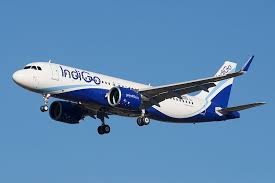 Сбои в рейсах IndiGo высветили риски в авиационном секторе Индии">

IndiGo’s Major Flight Disruptions Shake Indian Aviation
The recent wave of over 2,000 flight cancellations by IndiGo, India’s dominant airline, has plunged the country’s aviation sector into turmoil. A sudden shortage of pilots caused widespread chaos, leaving tens of thousands of travelers stranded and disrupting travel plans nationwide. This incident underscores significant risks tied to the near duopoly structure of the Indian aviation market, where IndiGo and Air India jointly command 92% of domestic market share.
For years, IndiGo has been a key player enabling mass domestic air travel across India, owing to its low fares and reputation for punctuality. However, the airline’s failure to adapt to new regulations limiting pilot flying hours has brought operations to a grinding halt, raising urgent questions about the resilience of India’s aviation system when dominated by a few powerful carriers.
Operational Challenges and Government Response
The crisis unfolded as IndiGo faced pilot shortages triggered by recent rules to curb pilot fatigue. Normally flying over 2,000 flights daily, IndiGo found itself cancelling thousands, leading to unprecedented scenes of luggage pileups in airports and frustrated passengers taking to social media to vent. The airline has publicly apologized and signaled hopes to normalize operations shortly.
The Indian government acted swiftly by relaxing pilot fatigue rules to mitigate the flight disruption impact. The crisis has sparked warnings from aviation analysts about the systemic risks posed when major carriers face operational setbacks, potentially causing widespread chaos across the nation’s busiest transport mode.
India’s Aviation Market: A Duopoly with Risks
IndiGo’s dominance, together with Air India’s market share, has shaped a competitive but vulnerable industry dynamic. Although not a strict duopoly by definition, the concentration of market control by these two carriers creates conditions where disruptions in one can ripple through the entire sector.
IndiGo’s near-monopoly on routes connecting smaller towns further intensifies concerns. Industry veterans highlight that such concentrated market power can stifle competition, innovation, and ultimately impact consumer choice and service quality. The government is urged to consider policies fostering greater competition and reducing operational burdens like high fuel taxes to invigorate the market.
| Airline | Domestic Market Share (%) |
|---|---|
| IndiGo | 65% |
| Air India (including Air India Express) | 27% |
| Others (various smaller carriers) | 8% |
The Growth and Challenges of India’s Aviation Industry
India’s aviation sector has seen explosive growth in recent years alongside the rise of a growing middle class eager to travel. With economic growth fueling disposable incomes and aspirations to fly, low-cost carriers like IndiGo reshaped air travel affordability and availability. As a result, air passenger traffic has surged substantially, with over 174 million domestic passengers in 2024 alone.
However, this growth has been accompanied by structural challenges. The Indian airspace and airport infrastructure, although impressive and extensive, has felt pressure from the rapid rise in flights. For decades, the industry was restricted by government policies that limited competition but recent liberalization reforms have aimed to open skies for private participation and increase airport modernization efforts, especially at non-metropolitan locations.
Table 1 below highlights the historic trends in India’s aircraft movements, showing consistent growth over the years, reflecting the aviation boom.
| Year | International Flights | Domestic Flights |
|---|---|---|
| 1999-00 | 99.7 | 368.0 |
| 2002-03 | 116.4 | 444.2 |
| 2005-06 | 190.9 | 647.3 |
| 2006-07 | 215.6 | 862.0 |
IndiGo’s Rise and Implications for Aviation
Founded in 2006 by Rakesh Gangwal and Rahul Bhatia, IndiGo’s transformation into India’s largest airline is nothing short of remarkable. With a fleet exceeding 400 aircraft, predominantly Airbus A320s, the carrier serves nearly 380,000 passengers daily across more than 2,000 flights.
Under the leadership of CEO Pieter Elbers, formerly of KLM Royal Dutch Airlines, IndiGo has positioned itself as a symbol of India’s aviation ambition. The brand built its reputation through low fares and excellent on-time performance, once boasting punctuality rates surpassing 90% at major airports.
Yet, the recent pilot shortage and resulting cancellations have struck a blow to this image. A surge in customer refunds and operational disruptions threatens to impact IndiGo’s financial outcomes and long-term credibility. This episode draws parallels with past airline crises globally, such as the 2022 Southwest Airlines holiday meltdown, illustrating the vulnerability even of dominant carriers to operational hurdles.
Financial and Brand Impact
- IndiGo reported revenues of approximately USD 9 billion and profits near USD 807 million last fiscal year.
- Refund payouts from the recent disruptions have already reached USD 68 million and are continuing to rise.
- Punctuality ratings fell dramatically from 91.4% to under 4%, shaking customer trust.
Looking Ahead: The Future of Indian Aviation and Travel
The Indian aviation industry stands at a crossroads. The recent crisis shines a spotlight on the necessity to diversify market players, enhance operational resilience, and invest in workforce planning. With air travel playing a vital role in connecting India’s vast geography and supporting economic growth, stability and progress in this sector are crucial.
Governments and regulators are increasingly focused on improving aviation infrastructure, relaxing operational constraints, and invigorating competition to prevent systemic risks stemming from concentrated market shares. The rapid expansion of air travel demand driven by India’s burgeoning middle class and evolving global business ties is expected to continue, forecasting sustained growth in both domestic and international passenger volumes.
Potential Next Steps for Indian Aviation
- Encourage entry and growth of more airlines to reduce market concentration.
- Modernize and expand airport capacity beyond primary hubs to accommodate rising demand.
- Refine regulations balancing safety, pilot well-being, and operational flexibility.
- Explore incentives such as reduced fuel taxes to ease cost pressures on airlines.
Conclusion: Navigating Aviation Risks to Support India’s Travel Boom
IndiGo’s recent operational crisis exposed the delicate balance underlying India’s fast-growing aviation market. While the airline has been a crucial driver of affordable air travel, the overreliance on a couple of key players makes the sector vulnerable to shocks that cascade through the passenger experience and airline economics.
In the broader context of India’s rising outbound and domestic travel demand, the aviation sector’s ability to maintain service quality and operational stability will significantly influence tourism growth and accessibility to diverse destinations, including coastal and lakeside resorts popular for boating and sailing activities.
For travelers interested in exploring India’s vast coastlines and inland waters—whether renting a yacht, a sailing boat, or planning multi-activity holidays in scenic maritime regions—the reliability and accessibility of aviation connections remain paramount. Thus, improvements in aviation infrastructure and market competition directly benefit the vibrant yachting and boating tourism sectors.
For those eager to dive into India’s marine adventures, GetBoat.com stands as an international marketplace to charter sailing boats, yachts, and other vessels. Offering a variety of options catering to different tastes and budgets, GetBoat.com complements the evolving travel landscape by connecting enthusiasts to spectacular water destinations across India and beyond.