


 Русский
  English (UK)
  العربية
  日本語
日本語  한국어
한국어  Magyar
  Türkçe
  Español
  Čeština
  Svenska
  Português
  Ελληνικά
  Suomi
Suomi  Nederlands
  Română
  Italiano
  Français
  Polski
  Українська
  Deutsch
  简体中文
简体中文  Slovenčina
 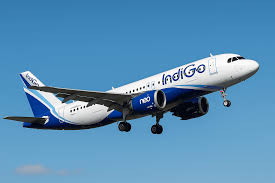 IndiGo объявляет о ежедневных рейсах без пересадок между Дели и Гуанчжоу">

New Direct Flight Service between Delhi and Guangzhou
IndiGo has launched a daily, non-stop flight service between Delhi, India’s capital, and Guangzhou, a leading economic and manufacturing hub in Southern China. This move extends IndiGo’s international reach from Delhi to 21 destinations and marks a key step in improving connectivity between two fast-growing Asian markets.
The route is operated using the fuel-efficient Airbus A320neo aircraft, recognized for its environmentally friendlier performance and operational cost savings. Scheduled to commence from November 10, 2025, the daily flights aim to facilitate smoother travel and foster stronger commercial and cultural exchanges between India and China.
Following the prior restoration of flights between Kolkata and Guangzhou—where IndiGo became the first Indian carrier to resume scheduled China services post-pandemic—this latest addition significantly strengthens the airline’s footprint in East Asia. Both business and leisure travelers now have more choice and ease when flying between these two important cities.
Economic and Strategic Importance of Delhi–Guangzhou Connectivity
Delhi serves as one of IndiGo’s largest hubs and is a critical gateway to international markets. Guangzhou, as a vital manufacturing and trading center, is strategically positioned in the Pearl River Delta region, widely regarded as an economic powerhouse. This direct air link is designed to boost not only tourism but also trade relations by providing rapid transit for professionals, investors, and tourists alike.
Additionally, the Delhi-Guangzhou flight will serve as a bridge connecting Guangzhou to IndiGo’s extensive domestic network of over 90 destinations throughout India. This creates a seamless opportunity for travelers in China to explore diverse Indian regions with relative ease and vice versa.
Background on IndiGo’s China Network Expansion
IndiGo, India’s largest carrier by market share, has been steadily increasing its presence in the Chinese aviation market. The recent resumption of Kolkata to Guangzhou flights marked a pioneering move, reopening vital air travel channels in the post-pandemic era. The addition of the Delhi–Guangzhou route underscores the airline’s commitment to expanding its global network and responding to growing demand for air travel between India and China.
| Маршрут | Service Frequency | Тип самолета | Start Date |
|---|---|---|---|
| Delhi – Guangzhou | Ежедневно | Airbus A320neo | 10 November 2025 |
| Kolkata – Guangzhou | Resumed | Airbus A320neo | 2025 (post-pandemic) |
IndiGo’s International Growth Strategy
The airline continues to focus on augmenting its international presence in key high-growth regions. The China network expansion complements India’s broader commercial relationships with East Asia, especially in areas linked to manufacturing and exports. IndiGo’s investment in fuel-efficient aircraft supports operational efficiency while meeting environmental considerations.
Currently, the airline serves more than 120 destinations globally, including over 30 international points. This position makes it one of Asia’s fastest-growing airlines, dedicated to providing accessible, reliable, and efficient travel experiences.
Historical Context: India-China Air Travel and Tourism
India and China, two of Asia’s largest economies, have seen gradual growth in bilateral air connectivity over the past decades, although the market has faced challenges including political and public health factors. India’s air travel sector has grown rapidly, propelled by a rising middle class and private airlines such as IndiGo playing crucial roles in domestic and international connectivity.
Chinese tourism and outbound travel have expanded significantly as well, particularly with increasing disposable incomes and the emergence of a growing middle class concentrated in regions like Guangdong, near Guangzhou. Guangzhou itself has developed into a major hub for both international trade and travel, supported by infrastructure like Guangzhou Baiyun International Airport, one of China’s busiest gateways.
While historically, air travel corridors have been limited and interrupted at times, the current expansion of daily services represents a new phase of deeper economic and cultural engagement between these populous nations.
Role of Air Travel in Enhancing Tourism and Business Links
Enhanced flight connectivity has a direct impact on tourism flows, business exchanges, and the general accessibility of destinations for both leisure and work purposes. Direct flights reduce travel time considerably, making short trips feasible and encouraging visits by tourists, corporate travelers, and entrepreneurs.
As demand grows, airlines are responding by increasing frequencies and deploying newer aircraft models with better performance and comfort. Scheduled daily services are cornerstones for stable and reliable links that build traveler confidence and stimulate continuous growth.
Potential Implications for Boating and Coastal Tourism
Though the focus is on air travel, expanded connectivity between Delhi and Guangzhou can indirectly influence regions known for sailing, yachting, and marine activities, particularly around the South China Sea and India’s coastal areas. Guangzhou’s location near the Pearl River Delta and access to marinas and yacht clubs presents opportunities for visitors arriving by air to explore boating and water-based leisure.
Tourists and business travelers flying into Guangzhou may explore inland waterways, beaches, and yacht charters within the region, while air traffic growth from India could translate into increased interest in Asian coastal destinations accessible by sea. Enhanced access supports the broader ecosystem of travel activities beyond just flights, including beach outings, fishing trips, and island excursions.
Outlook for International Tourism and Connectivity
With air travel in Asia expected to continue rising, the Delhi–Guangzhou direct service is well positioned to support growing outbound tourism and corporate travel flows between India and China. Increasing disposable incomes, middle-class expansion, and business globalization trends fuel demand for varied travel experiences—including cultural exchanges, trade visits, and leisure adventures.
Considering the strategic significance of these cities, airlines and tourism stakeholders are likely to focus further on developing transport corridors that combine air, sea, and land options to optimize the visitor experience.
Summary and Conclusion
The introduction of daily direct flights by IndiGo between Delhi and Guangzhou represents a major development in regional connectivity, enhancing travel options that link two major economic centers in Asia. Operated with the efficient A320neo aircraft, this route not only opens more opportunities for business and tourism but also integrates Guangzhou into a comprehensive network of Indian domestic destinations.
As air traffic between India and China grows, so too does the potential for related sectors such as boating and sailing tourism to benefit from increased visitor numbers and cross-border exchanges. Guangzhou’s position near vibrant maritime hubs and coastal attractions could attract tourists interested in yachting, fishing, and other water activities, creating a ripple effect for destinations across both countries.
For those looking to explore the sea routes, rent yachts, or engage in boating activities in and around these connected markets, the GetBoat.com platform offers a wide range of options to suit various tastes and budgets. As IndiGo expands the horizons of Asian travel, combining air journeys with adventures on the water becomes an increasingly exciting prospect for travelers.