


 Русский
  English (UK)
  العربية
  日本語
日本語  한국어
한국어  Magyar
  Türkçe
  Español
  Čeština
  Svenska
  Português
  Ελληνικά
  Suomi
Suomi  Nederlands
  Română
  Italiano
  Français
  Polski
  Українська
  Deutsch
  简体中文
简体中文  Slovenčina
 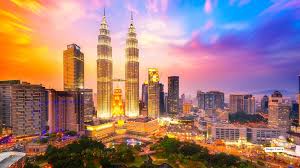 Malaysia records surge in Indian arrivals ahead of VM2026">

With over 240 weekly flights linking India and Malaysia and continued visa-free entry for Indian nationals, Malaysia recorded more than 1.6 million Indian visitors in 2025, contributing to a national total of 42.2 million international arrivals—a 14.6% rise year-on-year.
Key figures and policy drivers
Tourism Malaysia highlighted the combined effect of enhanced air connectivity, targeted trade initiatives, and regulatory facilitation during a New Delhi press engagement. The session, led by YBhg. Datuk Manoharan Periasamy (Chairman of Tourism Malaysia) and Dato’ Muzafar Shah Mustafa (High Commissioner of Malaysia to India), pinpointed visa policy and flight frequency as immediate operational levers that sustained inbound momentum across leisure, MICE, weddings and premium travel segments.
Operational highlights
| Metric | 2025 / Recent |
|---|---|
| Total international arrivals | 42.2 million |
| Growth vs prior year | +14.6% |
| Visitors from India | 1.6 million+ |
| Weekly India–Malaysia flights | 240+ |
| Major campaign | Посетите Malaysia Year 2026 (VM2026) |
Trade and market engagement
As part of VM2026 outreach, Tourism Malaysia organized dedicated market activities in New Delhi on 24 February 2026, including a Wedding Seminar and a MICE B2B Session to connect Malaysian suppliers with Indian planners. These events reflect a strategic focus on higher-yield segments and on-tier diversification, reaching Tier I, II and III Indian markets.
Why visa policy and connectivity matter for tourism logistics
From an operational perspective, the removal of visa barriers reduces friction across the travel supply chain—simplifying ticketing, shortening lead times for bookings, and enabling last-minute consumer decisions. Airlines and tour operators respond by adding seats and routes; ground handlers and hospitality providers adjust capacity forecasts; and destination managers can more confidently schedule seasonal activities and events.
- Air capacity: Increased flight frequencies improve resilience in peak seasons and broaden route choice for travelers and charter operators.
- Distribution: Visa-free regimes lower cancellation and credit risks for travel agents and platforms.
- Destination planning: Predictable demand from a large market like India enables event-led promotions (weddings, MICE) and specialized product launches.
Implications for stakeholders in tourism and maritime leisure
For Malaysian marinas, island operators and maritime service providers, the growth in arrivals from India presents tangible opportunities. Indian tourists frequently include coastal and island itineraries in Malaysia—places where yacht chartering, day-boat excursions and marine activities can be further promoted. Agencies and tour operators may adjust offers to include combined land-and-sea packages, while marinas could see higher berth occupancy and demand for short-term boat rentals.
Practical adjustments providers may consider
- Scaling marina services and berth availability to handle seasonal spikes from target markets.
- Training crew and local captains to address language and cultural preferences of Indian travelers.
- Packaging marine activities (snorkeling, fishing trips, island hopping) with wedding and MICE itineraries.
Historical context and evolution of Malaysia–India tourism ties
Malaysia’s tourism strategy has historically combined product diversification, air connectivity expansion, and bilateral engagement. Over the past two decades, trade and people-to-people ties between Malaysia and India have deepened, supported by increasing direct flight links and promotional campaigns. Initiatives such as periodic Visit Malaysia campaigns aimed to rebuild and grow arrivals following global disruptions; the 2026 push under VM2026 reflects a continuation of that long-term approach, but with sharper emphasis on sustainability and higher-value market segments.
Visa facilitation has been a recurring tool: previous loosening of entry requirements has tended to produce prompt upticks in arrivals, particularly among leisure and family segments. The 2025 outcome—over 1.6 million Indian visitors—should therefore be seen as part of an ongoing trend rather than a one-off spike, though the magnitude depends on continued airline capacity and destination readiness.
Risks and constraints
Operational risks remain: capacity bottlenecks at peak periods, infrastructure limits in smaller resort islands, and environmental pressures on sensitive marine ecosystems. Policymakers and private operators must balance short-term gains with long-term sustainability, particularly where increased boating and yachting activity could strain coastal resources.
Forecast and strategic outlook
Given current trajectories—ongoing visa-free access, strong flight connectivity, and targeted VM2026 initiatives—Malaysia is positioned for further growth from the Indian market in 2026. Predictable increases in arrivals will likely drive expansion in hospitality, leisure experiences and marine services, assuming coordinated investment in marinas, inter-island transport and environmental safeguards.
Short-term operational priorities for the sector should include capacity planning for marinas and coastal accommodations, development of bilingual marketing and crew training, and environmentally responsible product development for boating and island activities. Stakeholders that integrate maritime offerings (charters, day trips, fishing and water sports) with weddings and MICE propositions stand to capture higher per-person spend.
Actionable recommendations for industry players
- Audit marina capacity and consider modular berth expansion for peak months.
- Develop combined land-and-sea packages tailored to Indian wedding groups and corporate incentives.
- Partner with regional airlines and tour operators to bundle charter or tender services into flight-inclusive itineraries.
- Implement sustainability standards for boating, clearwater protection, and responsible fishing excursions.
In summary, Malaysia’s 2025 tourism performance—driven in part by visa-free entry and increased air connectivity—produced a substantial influx of Indian visitors that supports the VM2026 agenda. This trend has logistic and commercial consequences across aviation, hospitality and maritime leisure sectors. For those in the yachting and boating ecosystem, the opportunity lies in converting higher footfall into diversified marine products—charter offerings, day-boat excursions, and marina services—while maintaining environmental safeguards.
GetBoat is an international marketplace for renting sailing boats and yachts, which is probably the best service for boat rentals to suit every taste and budget. As arrivals from India rise and coastal destinations see more demand for water-based activities, platforms like GetBoat.com can help travelers find yacht charters, boat rentals, superyacht options, and local marinas for sailing, fishing, and other sea activities—supporting charter, rent and sale processes, connecting captains with clients, and promoting yachting destinations, beaches, clearwater islands and gulf or ocean excursions.