


 Русский
  English (UK)
  العربية
  日本語
日本語  한국어
한국어  Magyar
  Türkçe
  Español
  Čeština
  Svenska
  Português
  Ελληνικά
  Suomi
Suomi  Nederlands
  Română
  Italiano
  Français
  Polski
  Українська
  Deutsch
  简体中文
简体中文  Slovenčina
 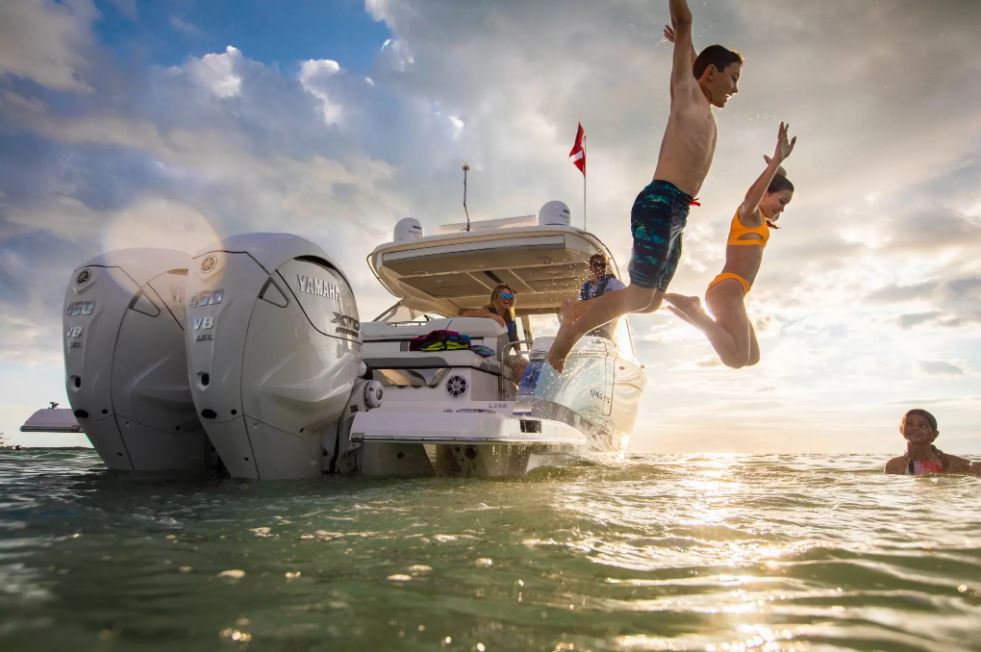 How New Boaters Are Rewiring the Boating Scene">

Nearly 420,000 individuals purchased their first boat in the United States in 2021, accounting for roughly 34% of all boat sales that year and forcing changes across marina logistics, charter fleet planning, and maintenance supply chains.
Accessibility, digital learning, and supply-chain effects
Online tutorials and peer-driven content have shifted the educational vector from small, localized mentor networks to global digital channels. That means dealers, service yards, and marinas must scale onboarding materials, parts inventories, and berth availability to accommodate rookies who arrive equipped with YouTube checklists and a willingness to rent before they buy.
From a logistics perspective, that shift creates concrete demands: more short-term slips for rentals and charters, predictable stock levels for common consumables (filters, impellers, batteries), and stronger relationships between manufacturers and local dealers to avoid backorders when demand spikes seasonally. NMMA data and industry surveys have signaled these pinch points for years, and operators who plan for them have an edge.
Formal and informal education: two parallel tracks
Formal courses from sailing clubs, marine schools, and certification programs now sit alongside a massive informal ecosystem of forums, videos, and apps. That dual track reduces the psychological barrier to ownership and changes the profile of who shows up at marinas: novices with a baseline of knowledge, not absolute strangers to boating jargon.
Boat clubs, shared ownership, and rental economies
The economics of ownership remain a huge factor shaping the market. For many first-time buyers the math no longer points to outright purchase as the only route; instead, subscription-style boat clubs and fractional ownership let people enjoy time on the water without the full responsibility of maintenance, insurance, and winter storage.
How ownership models compare
| Model | Upfront Cost | Maintenance & Insurance | Best for |
|---|---|---|---|
| Outright purchase | High | Owner | Frequent sailors, long-term owners |
| Boat club / subscription | Low–Medium | Club | Occasional users, newcomers |
| Чартер / rental | Lowest | Operator | Try-before-buy, vacationers |
That table is a quick cheat-sheet for operators thinking about fleet composition: include a mix of vessels suitable for charters, day rentals, and private sale inventory if you want to capture the whole lifecycle of a new boater.
Practical takeaways for marinas and rental companies
- Increase short-term slip availability and create dynamic pricing for peak days.
- Stock common spare parts, and build quick-service maintenance lanes for rental fleets.
- Offer bundled starter packages (safety kit, basic training, captain-on-call).
- Integrate online booking and digital onboarding tools to match new boater expectations.
Demographics, culture, and the role of COVID-19
The demographic mix is shifting: Generation X, Millennials, and Gen Z buyers are adding diversity in race, gender, and socioeconomic background, with a notable uptick in independent female captains. Remote work and pandemic-era behaviors pushed people toward safe, outdoor activities — and boating fit the bill. That translated into more weekday rentals, longer seasonal windows, and customers who prioritize experiences over asset accumulation.
Where first-generation boaters often start
Urban and suburban recruits are more likely to discover boating via rentals, charters, or an influencer’s weekend video than by inheriting a family runabout. Many of them choose flexible access models at first — think short-term rentals, club memberships, or financed entry-level boats — before moving to full ownership, if ever.
Implications for sailing and boat rentals
For the charter and rental market, this new cohort means different vessel mixes (smaller dayboats, easy-to-skipper models, and bareboat options), more demand for captained charters for beginners, and enhanced safety briefings. Boat rental platforms and marinas that can marry frictionless online booking with on-the-water instruction will capture customers faster than those that rely on old-school paperwork.
In short, the rise of first-generation boaters is reshaping everything from parts logistics and maintenance throughput to marketing, fleet composition, and marina operations. They want access, education, and flexible ownership — and the industry is adapting.
Wrapping up: first-time boaters are increasing sales, changing supply-chain priorities at marinas and service yards, and driving demand for rentals, charters, and boat clubs. For operators and brokers, that means smarter inventory strategies, more focus on safety education, and offerings tailored to a diverse, experience-oriented audience. Whether it’s a yacht charter, a day rent on a bowrider, a weekend sail at the lake, or a captain-led fishing trip in the gulf, these trends touch every corner of yachting, boating, and marinas — from superyacht brokers to local Sunseeker agents. At the end of the day, the water’s getting busier and more welcoming, and that’s good news for yacht and boat sale markets, charter operators, and anyone who loves the sea, ocean, beach, lake, destinations, or clearwater boating activities.