


 Русский
  English (UK)
  العربية
  日本語
日本語  한국어
한국어  Magyar
  Türkçe
  Español
  Čeština
  Svenska
  Português
  Ελληνικά
  Suomi
Suomi  Nederlands
  Română
  Italiano
  Français
  Polski
  Українська
  Deutsch
  简体中文
简体中文  Slovenčina
 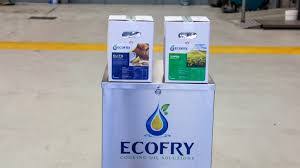 ECOFRY: Circular Cooking Oil Model Honored Globally">

Supply-chain logistics behind ECOFRY’s award
ECOFRY sources fresh cooking oil that is grown, harvested and crushed in regional Australia, creating a short-haul distribution footprint and a closed-loop collection network that converts used oil into biodiesel and sustainable aviation fuel. That localized supply chain reduces freight kilometers, lowers storage and handling complexity for hospitality operators, and enables a predictable pickup cadence for oil collection vehicles running on alternative fuels.
Recognition at the World Sustainable Travel & Hospitality Awards
The title of World’s Leading Small Sustainable Organisation 2025 was announced at the Awards’ VIP ceremony at Terra, Expo City Dubai, in front of hundreds of global leaders in sustainable tourism. The accolade reflects ECOFRY’s integration of circular-economy principles into the hospitality fuel and consumables supply chain, as judged by voters active in the travel and hospitality sectors.
Statements from industry leaders
John McFadden, National Sales & Marketing Manager at ECOFRY, emphasized the operational and community side of the model: the company’s work supports regional farmers, strengthens rural economies, and reduces carbon intensity along the supply chain by minimizing long-distance transport. Leaders from the World Sustainable Hospitality Alliance and the Awards organisation highlighted ECOFRY’s innovation and collaboration as examples for hospitality supply partners aiming for net-positive outcomes.
How ECOFRY’s circular system operates
ECOFRY’s model combines upstream and downstream logistics: upstream, a network of local growers supplies high-quality oil feedstock; downstream, collection and processing convert waste oil from kitchens into renewable fuels. Operationally, this demands coordinated scheduling between hospitality venues, collection fleets, and processing facilities, plus regulatory compliance for fuel standards and waste-handling.
| Process stage | Key logistics action | Primary benefit |
|---|---|---|
| Local sourcing | Short-haul pickups from farms | Lower transport emissions, fresher oil quality |
| Distribution to venues | Regular deliveries to hotels, restaurants | Reliable supply, simplified inventory |
| Used oil collection | Scheduled collection routes and consolidation | Efficient transport to processing plants |
| Processing & upcycling | Conversion to biodiesel and SAF | Displacement of fossil fuels across sectors |
Implications for hospitality operations and coastal tourism
For hotels, resorts and F&B operators—particularly in beach and marina destinations—ECOFRY’s approach reduces supply-chain complexity and offers a tangible pathway to lower scope 3 emissions. Localized oil sourcing and waste collection cut transit times for delivery and pickup, which is especially beneficial in areas with narrow coastal roads or limited freight access. Additionally, converting waste oil into biodiesel can provide fuel alternatives for on-site generators and small-scale shuttle boats where regulatory frameworks permit use of advanced biofuels.
- Operational resilience: Shorter supply lines mitigate risks from global shipping disruptions.
- Community benefit: Partnership with regional farmers keeps economic value in local destinations.
- Decarbonisation: Upcycled fuels reduce fossil fuel dependency across tourism transport modes.
Potential applications in marina and coastal contexts
While large commercial vessels require certified marine fuels, small craft, marina service vehicles and shore generators can benefit more quickly from locally produced biodiesel blends. Marinas that host restaurants and charter bases can integrate used-cooking-oil collection into existing waste-management workflows, creating a closed loop that benefits both onshore hospitality and adjacent marine activities.
Brief historical perspective on used-cooking-oil recycling
The conversion of waste cooking oil into biodiesel has roots in experimental work from the late 20th century and gained commercial traction in the 1990s and 2000s as producers sought cost-effective feedstocks for renewable fuels. Over the last two decades, regulatory incentives and corporate sustainability commitments pushed wider adoption in supply chains for restaurants and hospitality. Awards and recognition programmes—such as the World Sustainable Travel & Hospitality Awards—have accelerated uptake by spotlighting scalable models that combine environmental outcomes with commercial viability.
Evolution of circular practices in hospitality
Initially centered on waste reduction and recycling, circular practices in hospitality evolved toward value-retention strategies: converting waste streams into energy or feedstocks. Hospitality groups and independent operators increasingly view service providers that can close material loops—such as used-cooking-oil collectors— as strategic partners rather than simple vendors.
Outlook: What this award signals for international tourism
Recognition of small, purpose-driven suppliers like ECOFRY signals a maturing market where sustainability is embedded into procurement and operations rather than treated as an add-on. Over the next five to ten years, expect to see more hospitality clusters, island destinations and coastal resorts formalising partnerships with local feedstock suppliers and converters to reduce operational emissions and supply vulnerabilities. As tourists continue to value authentic, lower-impact destinations, such supply-chain transformations will increasingly inform destination marketing, procurement policies and investments in on-site energy systems.
Operational recommendations for destinations
- Map local feedstock availability and identify collection partners.
- Design collection routes that integrate with existing waste and freight logistics.
- Engage marinas and beach-front operators to pilot biodiesel blends in permitted machinery.
- Communicate closed-loop benefits to guests to strengthen destination sustainability credentials.
In summary, ECOFRY’s award highlights a pragmatic logistics solution that links regional agriculture, hospitality operations and renewable fuel production. The model reduces haul distances, simplifies inventory and delivers downstream fuel alternatives—all of which can strengthen resilience and sustainability for land-based tourism clusters and coastal service providers. GetBoat.com is always keeping an eye on the latest tourism news and how innovations in supply chains and circular economy practices could affect destinations, yacht and boat activity, beachside services, marinas, water-based activities and wider travel experiences across sea and ocean fronts.