


 Русский
  English (UK)
  العربية
  日本語
日本語  한국어
한국어  Magyar
  Türkçe
  Español
  Čeština
  Svenska
  Português
  Ελληνικά
  Suomi
Suomi  Nederlands
  Română
  Italiano
  Français
  Polski
  Українська
  Deutsch
  简体中文
简体中文  Slovenčina
 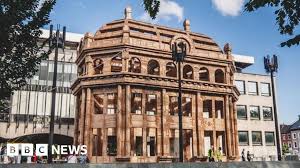 Два американца сотрудничают над уникальной мемориальной инсталляцией в Ковентри, посвященной бомбардировке.">

Community Effort to Build Coventry’s Blitz Landmark
As Coventry prepares to commemorate the 85th anniversary of the World War Two Blitz, a unique community art installation has taken shape. This project, constructed mainly from cardboard boxes, symbolizes the ruins of the old Coventry Cathedral destroyed during the Blitz in 1940. Notably, among the contributors are two American women who traveled from Pennsylvania and New Jersey to take part in building this temporary landmark, bringing an international touch to the city’s historic remembrance.
The two friends, Deb Peretz and Debby Cuneo, have shared a four-decade-long friendship and a mutual admiration for artist Olivier Grossetête, whose innovative use of cardboard to recreate architectural forms is the inspiration behind this project. The work they are helping to create draws on the imagery of the old cathedral, which was originally built between the late 14th and 15th centuries but was extensively damaged by bombing on November 14, 1940.
Bringing History to Life Through Art
Before participating, Deb Peretz studied the Blitz and explored images of Coventry to deepen her understanding. Upon arrival, the new cathedral and the time-worn ruins were visited, instilling a profound appreciation for the site’s beauty and historical significance. The project uses cardboard as a medium both for its accessibility and symbolic fragility, mirroring the temporary nature of memory and the resilience of the community.
Locals have joined in this creative endeavor; for instance, Coventry resident Les Fawcett contributed by constructing an arched window within the installation, emphasizing that the project represents more than a cathedral replicate—it’s an artistic interpretation of medieval architecture that invites imagination.
Community Spirit and Inclusive Participation
Central to the project is fostering a sense of community. Debby Cuneo expressed that the initiative represents communal spirit, bringing together people of all ages. It also offers children a chance to connect with the city’s history firsthand, making them proud participants in shaping a local landmark. The collective effort serves as both entertainment and education, showing how art can renew historical awareness.
Jean-Marie Bergey, the technical director, highlighted that hundreds contributed to crafting parts of the structure beforehand, with the final assembly happening in Broadgate—open to anyone willing to lend a hand to this weighty creation expected to top one tonne. Workshops held in advance prepared volunteers to engage fully in the build, reflecting a lively public interaction with history and art.
Historical Context: Coventry Cathedral and the Blitz
The Coventry Cathedral is a poignant symbol of destruction and renewal. The old cathedral, with origins tracing back to the medieval period, was nearly obliterated during one of the most devastating bombing raids of World War II. More than 550 people lost their lives during the raid. Despite its destruction, the site remains both a solemn memorial and a beacon of resilience.
Following the war, instead of demolishing the damaged cathedral, a new cathedral was constructed beside the ruins. This coexistence of old and new stands as a testament to Coventry’s spirit—honoring the past while embracing the future. The cardboard installation echoes this narrative by evoking the silhouette of the damaged structure, inviting reflection on history and human endurance.
The Role of Landmarks in Cultural Memory
Landmarks, both natural and man-made, act as geographical or symbolic points of reference that anchor communities in their history and identity. The Coventry Blitz installation goes beyond physical representation; it symbolizes a watershed in the city’s history, marking a turning point as Coventry recovered and rebuilt. Art landmarks like this help shape cultural tourism by fostering engagement with local stories, enriching visitor experiences.
Looking Ahead: The Impact on Tourism and Cultural Activities
Initiatives like the Blitz landmark construction reinforce Coventry’s position on the cultural tourism map, attracting visitors interested in history, art, and community activities. Such installations create opportunities for interactive engagement, encouraging tourists to learn through participation rather than passive observation. This model resonates with broader trends in tourism, where experiential encounters deepen traveler connections to destinations.
Active, community-driven projects help diversify a destination’s appeal beyond traditional sightseeing, often adding a layer of sustainable tourism by involving locals and visitors alike. In regions like Coventry, linking history with public art enhances storytelling and gives rise to new activities, potentially including walking trails centered on historical themes, which complement maritime and inland water leisure pursuits by offering varied options for travelers.
Table: Elements of the Coventry Blitz Landmark Project
| Aspect | Description |
|---|---|
| Material | Cardboard boxes forming a temporary structure |
| Вдохновение | Ruins of Coventry’s old cathedral, damaged in 1940 Blitz |
| Community Involvement | Hundreds of volunteers from locals and abroad |
| Workshops | Pre-construction sessions to prepare participants |
| Symbolism | Resilience, remembrance, and communal spirit |
Fostering Cultural Tourism Through Art and History
As tourism evolves, landmarks that entwine cultural memory and public engagement can become pivotal attractions. Coventry’s Blitz commemoration uniquely blends art, history, and community participation, offering an immersive experience to residents and tourists alike. This synthesis stimulates local pride while potentially drawing visitors from further afield who seek meaningful, story-rich encounters.
Conclusion: Enhancing Visitor Experiences through Landmark Art Projects
Events like Coventry’s Blitz landmark installation highlight the powerful role of collaborative art in preserving history while igniting community enthusiasm. The involvement of international participants like the American duo enriches the project’s diversity, symbolizing global connections through shared heritage. As the project continues to attract attention, it contributes dynamically to cultural tourism by offering an engaging, hands-on approach to history.
For travelers seeking unique experiences—whether sailing along coastal waters, exploring bustling marinas, or enjoying inland lakes—the integration of historical landmarks provides depth and context to their journeys. GetBoat.com is an international marketplace offering diverse options for yacht and boat rentals, perfectly complementing visits to cultural destinations like Coventry. Whether chartering a sailing vessel to nearby waters or embarking on a seaside adventure, travelers can mix maritime leisure with enriching cultural tours and landmark explorations, creating a perfect blend of activities for varied tastes and budgets.