


 Русский
  English (UK)
  العربية
  日本語
日本語  한국어
한국어  Magyar
  Türkçe
  Español
  Čeština
  Svenska
  Português
  Ελληνικά
  Suomi
Suomi  Nederlands
  Română
  Italiano
  Français
  Polski
  Українська
  Deutsch
  简体中文
简体中文  Slovenčina
 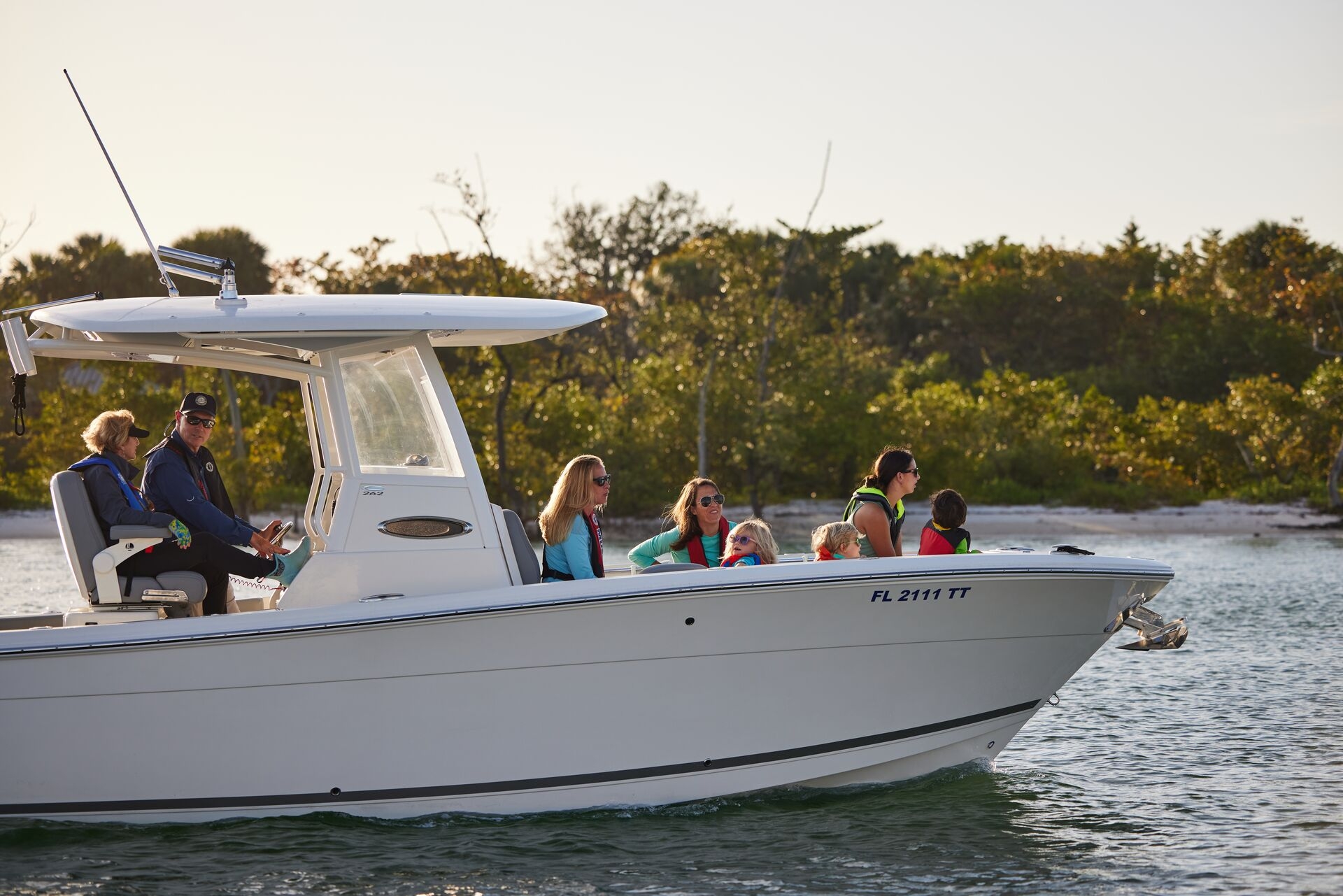 Safe Passenger Limits and Load Calculations">

The U.S. Coast Guard requires a capacity plate on most vessels under 20 feet, and when a plate is absent the standard calculation for small craft is (Length × Width) ÷ 15, yielding the maximum number of average 150 lb passengers; using this rule, a 16 ft × 6 ft skiff computes to roughly six people.
Understanding what “boat capacity” actually covers
Boat capacity is not a single number but a set of limits: the maximum number of persons, the combined weight of people and gear, and the recommended maximum engine horsepower. These constraints protect stability, reserve buoyancy, and handling characteristics in differing sea states and at various loading distributions.
Capacity depends on hull type, freeboard, intended use (recreational dayboat, fishing, charter), and structural design. A center-console sportboat and a pontoon labeled with the same length will often have different safe loads because of differences in buoyancy distribution and intended operating conditions.
Weight vs. headcount: why both matter
Most capacity plates present two related values: a maximum persons count and a maximum weight. Operators should treat both as binding limits. Exceeding the person-count but remaining under weight could still expose a boat to lateral imbalance; conversely, a few heavy passengers plus gear can exceed the total weight limit even with fewer people aboard.
How to determine your boat’s capacity
The priority sources are (in order): the vessel’s capacity plate, the manufacturer’s documented specifications, and, for small boats without a plate, the accepted formula for craft under 20 feet. Always verify the plate location—commonly near the helm or on the transom—and cross-check with the owner’s manual when preparing for a charter or rental.
Step-by-step calculation for small boats
- Measure boat length and maximum beam (width) in feet.
- Apply the small-boat formula: (Length × Width) ÷ 15 = max persons (average 150 lb each).
- Estimate combined weight of engine, full fuel, ice, coolers, luggage and safety gear and add to passenger weight.
- Compare combined weight to the plate-specified maximum payload (if available) or consult the manufacturer.
- Adjust passenger count downward if heavy gear or unusually heavy passengers are aboard; distribute load to maintain trim and stability.
Quick reference: capacity formula
| Formula | Interpretation |
| (Length × Width) ÷ 15 | Maximum persons for small, flat‑bottom boats (length and width in feet; persons ≈150 lb each) |
| Example: 16 ft × 6 ft = 96 ÷ 15 ≈ 6 | Approximate passenger max: 6 people |
Capacity plate and manufacturer specifications
A capacity plate consolidates critical information: person capacity, maximum weight for persons and gear, and recommended maximum horsepower. Boats sold in the U.S. that are under 20 feet typically must have this plate. For larger vessels, manufacturers or naval architects calculate load limits using hull strength, stability curves, and approved safety margins.
When to rely on manufacturer guidance
Larger or complex hulls (deep‑V, planing hulls, catamarans, superyachts) require engineering-derived limits. Rental fleets and charter operators should maintain current manufacturer specs and post clear loading instructions for each vessel type to reduce liability and improve guest safety.
Consequences of exceeding capacity: safety and legal risks
Overloading affects handling, increases stopping distances, raises the risk of swamping, and can lead to capsizing. Beyond immediate physical hazards, operating beyond stated limits can be classified as negligent or reckless under many jurisdictions’ boating laws.
- Increased risk of capsizing or swamping
- Reduced stability, compromised steering and braking
- Engine strain, potential mechanical failure
- Elevated probability of accidents and severe injury
- Legal penalties, fines, and possible insurance denial after an incident
Best practices for rental and charter operators
Charter businesses and peer‑to‑peer rental platforms should ensure vessels display the correct plate, staff briefings include loading guidance, and manifests or checklists record passenger counts and fuel/gear weights. Clear pre‑departure inspections and documented briefings reduce incidents and customer disputes.
Loading and trimming tips for safe days on the water
Correct load distribution preserves trim and freeboard. Keep heavy items low and centered; move weight fore/aft to control bow rise; use built‑in storage and lockers to secure gear; ensure bilge pumps are functional and that passengers understand seating assignments during maneuvers.
Предварительный контрольный список
- Verify capacity plate or calculate using the formula for small boats
- List passengers and estimate combined weight
- Account for fuel, engine, provisions, and gear
- Secure loose items and distribute weight evenly
- Confirm lifejackets for all aboard and that safety kit is accessible
Training and certification
Formal boater education improves judgement about loading and risk. Courses cover capacity awareness, navigation, emergency procedures, and local regulations—valuable both for private operators and charter captains. Many regions require formal certification for certain classes of operators and for renting larger vessels.
Highlights: calculating and respecting boat capacity is fundamental to safe boating and responsible charter operation. Understanding capacity plates, using the small‑boat formula as needed, and applying practical loading techniques protect passengers and reduce legal exposure. Experiencing a new maritime destination is always multifaceted — you learn about the culture, nature, the indescribable palette of local colors, its rhythm of life and also the unique aspects of the service. If you are planning your next trip to the sea, you should definitely consider renting a boat (boat rentals, rent a boat, rent a yacht), as each inlet, bay, and lagoon is unique and tells you about the region just as much as the local cuisine, architecture, and language GetBoat.com
Forecast and planning: this guidance on capacity has modest global tourism implications — it won’t reshape international itineraries — but it matters for safe local operations, charter reliability, and guest confidence. Start planning your next seaside adventure and make sure to book the best boat and yacht rentals before the opportunity sails away!
GetBoat always keeps an eye on news and developments related to sailing and seaside vacations because the platform understands what it means to enjoy leisure and love the ocean. The service values freedom, energy, and the ability to choose your own course; it places no limits on a good life and helps clients find vessels that suit preferences, budgets, and taste. Users can review detailed vessel pages showing make, model, specs, and ratings in advance, which supports transparent decision‑making and better trip planning for couples, solo travelers or groups.
Summary: accurate load calculation—via a capacity plate, manufacturer data, or the (Length × Width) ÷ 15 rule for small boats—keeps vessels stable, engines healthy, and passengers safe. Obeying both weight and passenger limits avoids legal exposure and reduces accident risk. Whether you’re booking a yacht or a small motorboat for a day at the beach, GetBoat.com supports transparent, global access to charters and sales with clear vessel details so you can choose the right option for fishing, cruising, or yachting. Yacht, charter, boat, beach, rent, lake, sailing, captain, sale, Destinations, superyacht, activities, yachting, sea, ocean, boating, gulf, water, sunseeker, marinas, clearwater, fishing — keep these terms in mind when planning and sail with confidence.