


 Русский
  English (UK)
  العربية
  日本語
日本語  한국어
한국어  Magyar
  Türkçe
  Español
  Čeština
  Svenska
  Português
  Ελληνικά
  Suomi
Suomi  Nederlands
  Română
  Italiano
  Français
  Polski
  Українська
  Deutsch
  简体中文
简体中文  Slovenčina
  Армения и Ирак нацелены на укрепление туристического партнерства">

New Efforts to Enhance Tourism Cooperation Between Armenia and Iraq
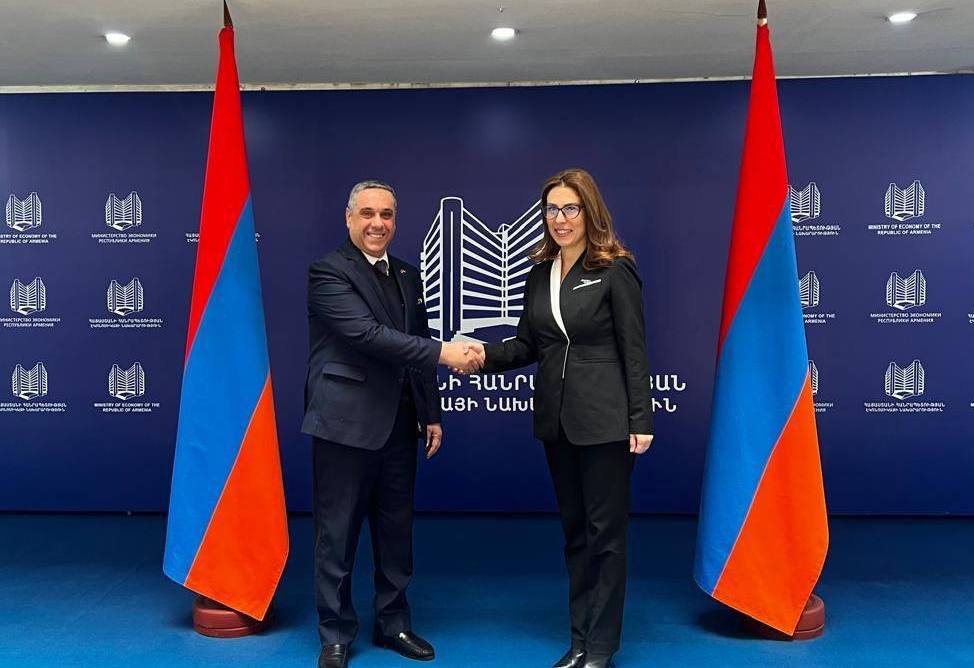
Discussions between Armenia and Iraq have recently taken a promising turn toward boosting collaboration in the tourism sector. Lusine Gevorgyan, Head of the Armenian Tourism Committee, held talks with Muhammad Al-Sheikhli, the Chargé d’Affaires at the Iraqi Embassy in Armenia, focusing on ways to deepen ties and promote mutual growth in this field.
The two officials reviewed ongoing projects and the current state of tourism in their respective countries. Key points included drafting a memorandum of understanding, which would cement cooperation in both culture and tourism. This agreement aims to enable joint marketing campaigns, highlight the unique attractions of each nation, and foster connections among public and private tourism organizations. They plan to facilitate online interactions between stakeholders to encourage continuous dialogue and coordinated initiatives.
Memorandum of Understanding: Unlocking New Potential
The anticipated MoU outlines strategic objectives such as cultural exchange and tourism promotion, illustrating a shared interest in capitalizing on each country’s assets. By joining forces, Armenia and Iraq can pool resources and expertise to amplify their presence in the competitive international tourism arena. The partnership is designed to activate various channels, from digital meetups to marketing endeavors, ensuring active participation from both public authorities and private enterprises.
Armenia’s Rich Tourism Heritage
Armenia boasts a rich cultural tapestry marked by ancient monasteries, medieval churches, and six UNESCO World Heritage sites. Its geographic position, straddling the border between Europe and Asia, historically made it a gateway along the legendary Silk Road. This cultural crossroad status equips Armenia with a wealth of tourism appeal.
Although tourism development faced challenges after the Soviet era, the sector has gained fresh momentum since 2001 when the Armenian government prioritized it as an economic driver. Modern strategic plans aim for significant growth: targeting three million international visitors and 1.5 million domestic tourists by 2030. The capital, Yerevan, serves as the main center for inbound tourism, closely linked to the Armenian diaspora, which contributes around 60% of visitor arrivals.
Several developmental initiatives have been put forward, including efforts to upgrade hospitality education, improve air transportation infrastructure, and enhance accommodation quality. Besides cultural tourism, Armenia is cultivating its potential in ecological and adventure tourism, capitalizing on its natural landscapes and historical backdrop.
Table: Highlights of Armenia’s Tourism Characteristics
| Aspect | Details |
|---|---|
| UNESCO Sites | 6 cultural and historical sites |
| Key Tourist Draw | Medieval monasteries, ancient churches |
| Visitor Source | 60% from Armenian diaspora |
| Tourism Target (2030) | 3 million international arrivals, 1.5 million domestic tourists |
| Вклад туризма в ВВП | 8.2% |
Iraq’s Emerging Tourism Landscape
Iraq’s tourism sector is in an exploratory phase, with a focus on rediscovering and promoting its historical wealth. Renowned sites such as the ruins of Babylon and other landmarks from the ancient Fertile Crescent draw interest from adventure seekers and cultural tourists alike. In the more stable Kurdish-controlled northeastern regions, tourism is gradually picking up, featuring guided tours and archaeological visits.
Despite remaining challenges, the Iraqi government and tourism players have expressed intent to revitalize the industry, including participation at international tourism fairs to raise awareness. This budding interest suggests a curious market for visitors looking to explore less traditional destinations, especially those fascinated by rich history and cultural heritage.
Challenges and Opportunities in Iraq’s Tourism Development
- Security concerns still affect mainstream tourism growth.
- Adventure and historic tourism presenting niche opportunities.
- Infrastructure improvements crucial for increased accessibility.
- Potential for dark tourism tied to historical conflicts.
- Interest from international tour operators targeting cultural explorers.
Tourism Collaboration: Lessons from Destination Partnerships
Collaboration in tourism has proven to be a vital strategy globally, bringing together public and private sectors in shared objectives. Destination partnerships often begin informally, evolving into formal agreements such as memorandums of understanding, which define governance, responsibilities, and shared goals.
Well-established partnerships manage marketing synchronization across national, regional, and local levels, ensuring that product development matches market demands and visitor expectations. Digital tools allow seamless information sharing among stakeholders, fostering innovation and responsiveness.
Table 2 below highlights typical elements included within a destination management partnership agreement:
Table: Key Elements of a Destination Management Partnership Agreement
| Компонент | Description |
|---|---|
| Background | Context and reason for formation |
| Objectives | Purpose and tourism development goals |
| Активности | Planned joint efforts and initiatives |
| Governance | Oversight mechanisms and leadership roles |
| Financial Contributions | Funding and resource sharing agreements |
The Future Outlook for Armenia-Iraq Tourism Partnership
The emerging dialogue between Armenia and Iraq comes at a time when international tourism is exploring untapped regions and cultural intersections. By combining forces, these two nations have the opportunity to offer unique travel experiences, from historical exploration to cultural immersion.
This joint approach holds the promise of expanding market reach, increasing visitor numbers, and raising the profile of both countries on the global tourism map. As tourism continues to evolve with increasing emphasis on collaboration and strategic alliances, such partnerships become crucial in enhancing competitive advantage while offering authentic, meaningful travel experiences.
Резюме
The recent talks between Armenia and Iraq mark a significant step toward strengthening tourism cooperation through a formalized agreement emphasizing culture, marketing, and stakeholder engagement. Armenia’s rich heritage and ambitious growth plans complement Iraq’s historical treasures and nascent tourism industry. Successful collaboration will rely on shared governance, innovative marketing strategies, and consistent communication channels. These developments reflect a broader trend worldwide toward destination partnerships as vehicles for sustainable tourism growth.
For travelers passionate about exploring culturally rich destinations or sailing around historic waters, these evolving tourism landscapes provide fresh options. Whether by land or sea, discovering the heritage and natural beauty of Armenia and Iraq could soon be enhanced by improved services and joint offerings.
For those interested in discovering remarkable maritime and sailing adventures in nearby regions, GetBoat.com offers a comprehensive marketplace for renting sailing yachts and boats to suit every taste and budget. It’s the perfect way to combine cultural exploration with boating activities across diverse seas and gulfs.