


 Русский
  English (UK)
  العربية
  日本語
日本語  한국어
한국어  Magyar
  Türkçe
  Español
  Čeština
  Svenska
  Português
  Ελληνικά
  Suomi
Suomi  Nederlands
  Română
  Italiano
  Français
  Polski
  Українська
  Deutsch
  简体中文
简体中文  Slovenčina
  Navigating Boat Shows – Your Guide to Buying the Dream Aluminum Fishing Boat">

Choose a 16–18 ft aluminum fishing boat with a wide beam for stability and easy handling. Prepare a concise needs list, measure your storage, and set a realistic total budget, including trailer and gear. This approach will help you save money and compare these boats efficiently. Tip: bring a tape measure and a notepad to capture exact dimensions and notes at each booth.
Focus on hull design: stability comes from beam width, a shallow deadrise, and weight distribution, while maneuverability depends on a responsive tiller or console layout. For inland lakes, target a beam around 68–72 inches, a welded hull, and a transom rated for 90–115 HP to ensure planing performance. Unlike sailboats, these boats have no sails, which keeps maintenance straightforward and costs lower. Consider material thickness and cross-sections as part of a tight budget, and check the store options from multiple brands to compare value. Compare those options that align with your priorities.
Test handling at the show by simulating common tasks: turning in tight spaces, loading gear, and passing through chop at 10–15 mph. These tests reveal performance gaps between models, especially in how the boat handles weight shifts when you add friends and gear. Look for models that offer available upgrades such as locking rod storage, refrigerated livewells, and built-in battery trays to simplify getting ready for trips. These features add ease to daily use on the water.
Family use matters: without children, you may prioritize max cockpit space and low maintenance; with children, prioritize crowded-day safety features, non-slip decking, and stable platforms for casting. Ensure proper railing height, secure cleats, and easy access to a reliable bilge pump. Think about storage solutions for gear, bait, and life jackets, and confirm that the boat’s weight and trailer load fit your garage or storage lane.
When deciding, think of it as an investment with store demos and in-store financing options. These shows offer opportunities to compare price points, warranties, and dealer incentives side by side. Use this moment to invest in a boat you’ll trust for years. After narrowing to a couple of options, request a detailed spec sheet and a written test plan to verify that your chosen model meets your needs and fits your budget.
Targeted prep for aluminum fishing boat buyers at boat shows
Make a three-boat shortlist and a concrete demo plan before you step into the show. This focused prep keeps you grounded and ensures you compare like-for-like aluminum fishing vessels.
Positioning yourself as a serious buyer means mapping your typical day on the water: where you fish (shoreline, river, inlets), how you maneuver in a marina, and how easily you access gear from the bow and stern. Filter options by those needs rather than flashy features.
Experienced buyers should inspect hull integrity: look for clean welds, consistent rivets, and corrosion protection. Ask for the gauge of aluminum and overall weight, and verify trailer compatibility with your existing rig. Compare live wells, rod storage, and gear space at similar lengths to ensure you don’t overrun space in practice.
For those bringing children, check safety features: tall, non-slip decks, high rails, and reachable storage so kids enjoy the ride without clutter. Look for retractable boarding ladders or easy-access transoms that simplify getting on and off when the dock gets busy.
At the show, request a side-by-side comparison of two to three vessels in a similar length and fishing layout. Note differences in space between console, casting decks, and live-well capacity. Use a simple matrix to record hull type, motor options, battery configuration, and trolling motor readiness, then make a decision based on your timeline and budget.
Getting hands-on time helps: you could request a water-test slot or a controlled on-water demo near the marina. If the show has used models, compare wear on transom, console, and rub rails to spot long-term maintenance needs.
Edge cases: retractable fishing seats or flip-up consoles can ease storage at home port. Confirm access to bilge pump, live-well drainage, and battery bank under console for easy maintenance.
Those with experience on keelboat or sailboat can apply the same discipline: map your crew, gear, and port limits, then verify that each vessel offers safe boarding, a stable ride, and predictable handling. When you compare models, choose the one that fits your space and gets you back to enjoying time on the water with family and friends.
Identify your primary fishing environments and target boat size
Choose a versatile 18–22 ft aluminum boat as your baseline for inland and nearshore fishing. Having a stable platform with a shallow draft lets you work rivers, marsh creeks, and small bays without adding a second craft. This vessel size keeps transport simple and costs predictable, making the selection practical for beginners and experienced anglers alike. If youve already toured a few models, this baseline helps you compare features quickly, focusing on those that truly affect how you fish every day.
Identify your primary fishing environments: freshwater lakes with calm coves, rivers with current, tidal estuaries, and open coastal bays. There, you will see how miles of shoreline and water depth influence gear choices. For days with wind or chop, a hull with good stability, a robust livewell system, and reliable bilge and electrical setups matter. Use photos from past trips and from exhibitors to compare layouts side by side and note which features play to your fishing styles and access points.
Choosing your target size by environment yields practical guardrails: 18–20 ft covers most lakes and calm rivers with easy handling; 20–22 ft balances inland use with longer runs and more gear; 22–26 ft suits open bays and offshore days, especially with a cruiser-style console and higher freeboard. Likely you will prize a wider casting deck and a fixed transom that accepts standard outboards, which keeps maintenance simple and upgrades straightforward. Those considerations reduce the risk of overestimating or underestimating needed capacity.
Key decision factors include hull design (all aluminum, V hull versus flat bottom), draft, seating layout, livewell capacity, storage, and the system reliability of electrical and trolling motors. A fixed transom supports heavier motors and reduces the risk of splash during long runs. Check marina access, ramp angles, and trailer width so you can align your skills and preparation with the vessel you own, owning a craft that fits your routine. Experts at the show can point out hidden advantages and tradeoffs you may miss. Prepare questions in advance and note how the boat performs in turns and while backing. Crucial checks include engine response, steering feel, and hull integrity. And also evaluate the battery, trolling motor, and accessory systems for reliability.
Prepare a simple plan for test trips and dock checks: verify you can reach gear from both sides, confirm casting decks fit your style, and measure storage for rods and tackle boxes. At shows, talk with exhibitors and request real-world feedback from those who own and operate similar vessels. Gather photos and notes, compare system diagrams, and assess the concerns you might have about long days on the water. With this approach you map the advantages and build a decision based on data rather than impressions.
Set a show-specific budget and financing options for aluminum boats
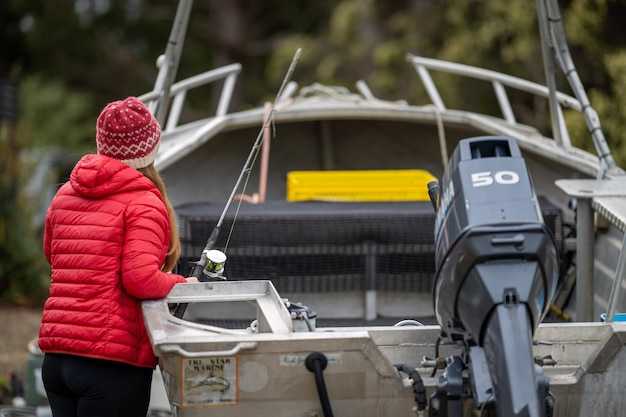
Set a show-specific budget of about $30,000–$45,000 for a ready-to-run aluminum fishing boat with trailer and essential gear; this range covers most 16–20 ft models with a 40–70 hp outboard, a trolling motor, and basic electronics. Adjust upward for larger hulls or higher-spec options, and lock your ceiling before you start discussions.
Before you walk the aisles, have financing pre-approved and set a target youd use to compare offers. Create a short list of 3 boats that fit your living situation and check warranties, service options, and the availability of service centers. Attend seminars led by experts to parse terms and offers, so you know what to seek in a deal.
Budget tiers you could consider at the show:
- Entry: 12–16 ft hull, 20–40 hp, basic electronics; out-the-door price around $12,000–$18,000 (new base) or $8,000–$12,000 used.
- Mid: 16–20 ft hull, 40–70 hp, trolling motor, fish finder; price roughly $25,000–$40,000.
- Premium: 20–22 ft hull, 70–115 hp, advanced electronics, upgraded seating; price roughly $45,000–$70,000.
Financing options to explore at the booth:
- Dealer offers: promotions often include low down payments and flexible terms; compare total cost and APR across three dealers.
- Credit unions and banks: pre-approval speeds decisions; terms typically 36–72 months; rates vary based on credit; bring a pre-qualification letter to the show.
- Leases: available in some cases; evaluate the buyout option and total cost of ownership.
- Warranties: verify hull and engine warranties; common hull warranties run 5–10 years; engine warranties 2–5 years; ask what components are covered and for how long.
- Extras and protection: consider maintenance plans, insurance estimates, and trailer protection; these affect monthly spend.
Show-day tips to find the ideal selection:
- Walk the exhibits with a focused plan–compare 3 boats that meet your living needs and test each one on calm excursions to feel maneuver and handling.
- Ask questions: financing terms, down payment, payment schedules, warranty coverage, service availability, and what adds to the total cost.
- Look at the practical details: hull thickness, rivets, console space, seat comfort, and how the boat handles when you turn the wheel sharply.
- Compare trade-in quotes the same way you evaluate offers; youd verify how much you spend vs how much you save.
- Bring a calculator to estimate monthly payments and total cost over the term, using different down payments and interest rates.
- Consider days of sailing or excursions to gauge real-world performance, comfort, and maneuver in waves.
After days at the show, you will lead with a short list and know your exact ceiling. Youd walk away with the perfect match and a clear plan for buying the boat youd dream about.
Create a testing checklist: hull feel, balance, and prop setup
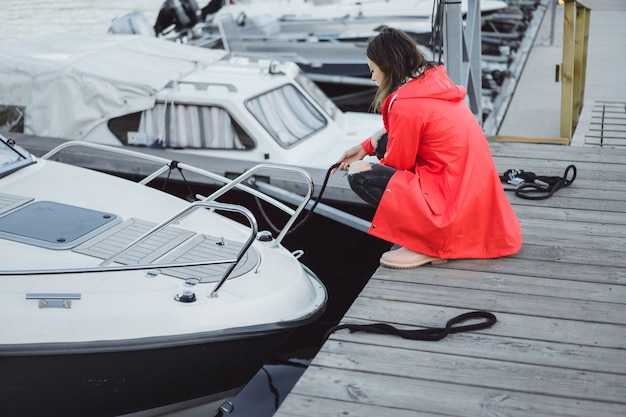
Dock-side recommendation: perform a dock-side hull feel and balance check with a light crew before any on-water test. Bring two children to sit on opposite sides to test weight distribution; if one side settles, rework seating or ballast. The hull should sit drawn and level at rest, with the deck feeling firm under light pressure from a steady hand. This step sharpens your skills and frames the consideration for the next moves.
On-water test: run three passes to verify trim response and stability. Start idle, then accelerate to planing, and finalize with a steady cruise at light load. Note engine RPM and GPS speed; watch for a smooth hook-up without porpoising or chine walk. If the bow rises with load, increase trim or move ballast forward; if the stern squats, shift weight aft or raise engine height.
Настройка реквизита: изучите вариант, например, стандартный 3-лопастной алюминиевый винт, разработанный для размера вашего двигателя; проверьте рабочие обороты и достигнутую скорость. Второй винт с более широкой лопастью или другим шагом может улучшить глиссирование или максимальную скорость, в зависимости от вашего корпуса и нагрузки.
Documentation: взять photos во время каждой фазы, ведите журнал decision данные и показатели производительности; review с опытным техником для интерпретации поведения корпуса и реакции винта.
Решение и следующие шаги: после теста решите, какие настройки сохранить — расстановку сидений, балласт или выбор винта; при необходимости потратьте время на еще один тест; сохраните дома файл с результатами, чтобы сравнивать его со сделками и вариантами для алюминиевой рыболовной лодки вашей мечты.
Оценка качества конструкции: сварные швы, заклепки и устойчивость к коррозии
Внимательно осмотрите сварные швы и заклепки корпуса при ярком освещении. Если вы обнаружите трещины, пористость, зазоры или неровные линии сварки, переходите к другому варианту. Эти видимые проблемы часто указывают на усталость металла, которая может проявиться позже, особенно на парусной лодке, подвергающейся различным нагрузкам и воздействию влаги.
Сварные швы должны представлять собой ровный, непрерывный шов с равномерной шириной, без подрезов и чрезмерных зон термического влияния. Хорошо сформированное соединение выглядит прочным по всей длине, и вы не должны ощущать шероховатые края или остатки брызг, когда проводите пальцем по шву. Если вы заметили несоответствия, отметьте диапазон затронутых областей и проведите дальнейшее тестирование или запросите повторный осмотр. Для начинающих этот шаг поможет сравнить варианты и уверенно совершить покупку для семейного отдыха на выходных, будь то в погоне за тихим днем или небольшим приключением в открытой воде.
Заклепки должны быть заподлицо с обшивкой; головки не должны раздаваться или отрываться. Проверьте расстояние между заклепками, чтобы убедиться, что оно соответствует проекту производителя, и осторожно проведите рукой вдоль каждого ряда, чтобы почувствовать ослабленные или выступающие точки. Если какие-либо заклепки имеют зазоры или герметик, который выглядит поврежденным, отнеситесь к этому как к тревожному сигналу, поскольку коррозия может проникнуть по краям и со временем повлиять на устойчивость. Осмотрите фиксированные фитинги вдоль комингсов, релингов и в районе топа мачты, чтобы убедиться, что они остаются плотно закрепленными и имеют надлежащую подкладку или опорные пластины, где это необходимо.
Коррозионная стойкость зависит от покрытий, анодирования и совместимости материалов. Обратите внимание на ровный цвет и отделку вокруг кромок, уток, поручней и другой фурнитуры. Отслаивание, меление или порошкообразный налет возле фитингов указывают на ускоренный износ и потенциальную питательную среду для коррозии. Если вы видите зеленый или белый налет, или замечаете стойкие следы влаги, это повод остановиться и перепроверить оборудование. Также убедитесь, что крепеж и фитинги изготовлены из совместимых сплавов, чтобы уменьшить гальваническую коррозию, когда лодка находится во влажных условиях или под воздействием солевых брызг, что часто встречается на открытых палубах и транцах. Тщательная проверка сейчас сэкономит время в будущем и позволит сохранить место для использования семьей, включая детей, без сюрпризов во время дня на воде.
| Aspect | Где искать | Хорошие знаки | What to do |
|---|---|---|---|
| Качество сварного шва | вдоль швов и стыков корпуса | равномерный валик, плавные переходы, без пропусков | документ, запросить доработку или отклонить модуль |
| Состояние заклепки | ряды заклепок, головки и расстояние между ними | заподлицо, без раздутий, равномерный интервал | затянуть или заменить неисправные заклепки; принять к сведению при принятии решений о покупке |
| Покрытие/коррозионная стойкость | кромки, фурнитура и крепежные элементы | ровный цвет, без шелушения и осыпания. | проверить материалы, рассмотреть другой блок, если признаки сохраняются |
| Аппаратное обеспечение в нормальном состоянии | утки, рельсы, мачтовые соединения | надёжное крепление, наличие опорных пластин при необходимости | проверьте совместимость сплавов во избежание гальванической коррозии |
Сравните комплектации оборудования: троллинговые моторы, сонары, аэраторы для живца и платформы для кастинга.
Для большинства рыболовов начните с 24-вольтового троллингового мотора с тягой 80–112 фунтов на алюминиевой лодке длиной 16–20 футов в сочетании с CHIRP-сонаром на 7–9-дюймовом дисплее. Эта установка обеспечивает безопасное, точное управление и надежный поиск рыбы во время длительных плаваний, а также достаточный срок службы аккумулятора. Ищите беспроводное управление, отзывчивую педаль и датчик, который охватывает мелководные структуры и открытую воду, чтобы поддерживать высокий интерес при перемещении между местами.
При сравнении комплектаций сопоставляйте мощность мотора и сонара с весом лодки и потребностями в глиссировании. Система на 24 В с двумя аккумуляторами глубокого разряда обычно обеспечивает 4–6 часов работы; выбирайте CHIRP 2D устройство с частотой 455/800 кГц и рассмотрите возможность бокового или нижнего сканирования на моделях более высокого класса, если вы ищете структуру в мутной воде. Для лодки большего размера или семейного круизера дисплей с диагональю 9–12 дюймов улучшает видимость во время дневных и вечерних экскурсий, мероприятий и длительных круизов. Проверьте источник спецификаций в листе дилера, чтобы убедиться в тяге, потребляемом токе и типе датчика; это поможет избежать неожиданностей во время осмотра и планирования продажи. Также учитывайте, что паруса и ветер могут повлиять на срок службы батареи и захват цели на открытой воде.
Садок для живца должен вмещать 75–105 литров для двух рыболовов, с аэрацией 3000–3800 литров в час и возможностью рециркуляции, которая обновляет воду каждые 2–3 минуты. Изолируйте стенки и установите надежную дренажную систему, чтобы обеспечить безопасность и отсутствие запаха при рыбалке несколько дней подряд. Подмости для заброса должны иметь переднюю площадку длиной примерно 100–150 см и шириной 60–70 см, с нескользящей поверхностью и встроенным отсеком для хранения под ней. Слишком высокая или слишком мягкая палуба снижает устойчивость и затрудняет дальние забросы; убедитесь, что высота палубы соответствует вашим навыкам и расположению сидений для комфортной и устойчивой работы при забросе.
В своем планировании оценивайте варианты, исходя из ваших потребностей и ситуации: сколько миль вы будете проходить, как часто будете совершать экскурсии и на какие мероприятия будете посещать на этих лодках. Для распространенных планировок учитывайте цену продажи по сравнению с долгосрочной стоимостью, включая установку и техническое обслуживание. Вам нужно сбалансировать потребности с размером лодки и вашим бюджетом; избегайте перегрузки, которая делает управление и хранение небезопасными. Если вы присматриваетесь к определенной модели, проверьте юридические требования и требования инспекции для электрических установок и садков перед подписанием, и используйте этот процесс, чтобы перейти от тех, что вы видели на мероприятиях, к уверенному, обоснованному решению.