


 Русский
  English (UK)
  العربية
  日本語
日本語  한국어
한국어  Magyar
  Türkçe
  Español
  Čeština
  Svenska
  Português
  Ελληνικά
  Suomi
Suomi  Nederlands
  Română
  Italiano
  Français
  Polski
  Українська
  Deutsch
  简体中文
简体中文  Slovenčina
 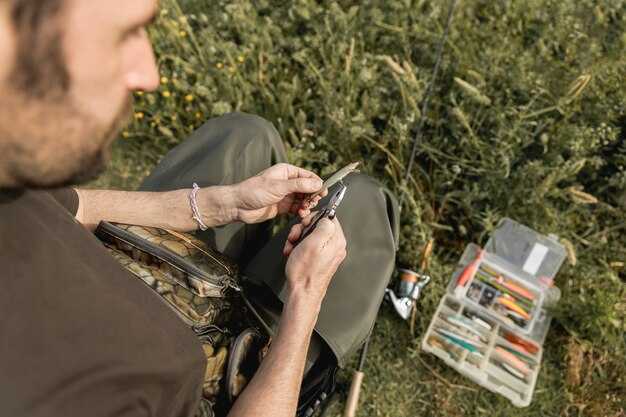 Live Bait Basics – Hook’em Right Techniques for Successful Angling">

Use circles-style hooks to secure mouth hookups and reduce gut-hooking. This approach keeps the bait intact longer, so you can fish deeper and last longer on the water without constant replacements.
Choose live bait such as scad, skipjack, piper, and yabbies because they move easily and stay lively in a livewell or livewells. Keep them healthy by circulating water and replacing stale stock every 5–8 minutes on bright days; maintain 50–65°F water when possible to keep yabbies and scad robust. Yabbies can be finicky in cold water, so an extra aerator helps. Maintain depth by using the right weight, so scent and movement reach the strike zone.
Rigging matters: run light riggers and keep the bait aligned with the mouth for natural swimming. Thread through the mouth or lip, not the gills, to maximize the odds of a clean bite. If the action stalls, tinker with hook position or weight; small shifts can keep the bait longer and reduce struggle on the rod, making hookups easier, not harder.
Use circles-style hooks to encourage a steady take. With circles-style hooks and a slow retrieve, you’ll see the line tick and then tighten as the fish mouths the bait. Don’t yank; instead, feel the bite and lift into it to avoid tearing free. Adjust the leader length to control depth and avoid spooking wary fish.
For different species, tailor the bait: piper works well on the surface or mid-depth, skipjack keeps a stronger swimming action, and scad can attract larger mouths. Have another rig ready and be prepared to switch to another target bait when the water column shifts. Keep livewells stocked and clean to prevent odors that spook finicky fish and reduce drama on long trips.
Know how conditions shift year after year, then keep a simple routine you can repeat. Log the bait and rig that worked last year, adjust for current patterns, and switch quickly when the depth changes. With steady practice and clean gear, you fish longer, strike more often, and leave the struggle behind as you gain confidence.
Live Bait Mastery: Practical Guide for Hook’em Right Angling
Start with this concrete recommendation: use live prawns for mulloway and keep them in a livewell with steady aeration; refresh water every forty minutes to maintain vitality and give them room to move.
- Bait selection and handling
- Selection: choose prawns gathered from healthy schools, kept cool and hydrated so they stay active when you cast. Bait made fresh yields better bites.
- Handling: avoid overmanipulation; if a bait goes sluggish, swap it for a fresh one. A fussy target bites only when the bait looks natural.
- Storage: use a light mesh bag or a small cooler with damp seaweed to keep them fresh until you head to the boat.
- Rigging and tackle
- Lines and leaders: run a sturdy main line and a forty-pound fluorocarbon leader to withstand head shakes from mulloway. This setup allows you to keep tension without splitting the line.
- Sinkers: place the sinker to keep the bait at the correct depth; if current runs strong, use a heavier sinker to prevent line slap.
- Hook and presentation: use a small, robust circle hook sized for the prawn; thread the bait so the tail quivers without tearing.
- Presentation and targeting
- Depth: present the prawn above bottom structure but within reach of predators; in deeper water, a slow drift often increases taps.
- Targeting: when targeting mulloway, set up along deeper channels and ledges; striped species nearby often respond to the same bait.
- Timing: the moon can shift bite windows; many sessions improve around tide changes near dawn or dusk.
- Location and gear tips
- Spot picks: in Florida, look for passes, docks, and submerged shelves where current concentrates bait schools.
- Depth transitions: move from above structures to deeper pockets as the tide falls; often the best strikes occur at a point where current shifts.
- Line management: keep lines clean and free of tangles; a tidy setup reduces missed strikes and increases landed fish.
- Catch, release, and ethics
- Caught fish: when you hook a fish, reel smoothly and keep tension steady; avoid ripping the hook out when the fish turns.
- Released: handle with wet hands, revive if needed, and release until the tail flicks away; this keeps populations good for future trips.
- Record keeping: note the location, conditions, and bait used so you can refine your selection for the next trip.
Plus, a consistent routine improves results: station yourself, check baits, adjust depth, and you’ll see more bites and more landed fish. Gathered knowledge from trips informs every cast and keeps your sessions efficient and enjoyable. Something as simple as adapting to the current and the moon can push your success from good to great, whether you’re fishing the shores of Florida or chasing mulloway above deeper channels along striped hotspots.
Catching and Caring for Live Baits: Where to Find Them, How to Handle, and Livewell Storage
Find live bait at first light along florida jetty walls and drop them into a 20-40 gallon livewell with a dedicated aerator; this keeps them active for casts onto your mark and boosts successful bites.
Commonly, the best options are mackerel, bunker, and mullet. In deep channels and along jetty drop-offs they school up, especially in florida estuaries year-round. Look for tails flashing and wakes as they move with the current, then cast nets or scoop them up for immediate use.
Handle with care to reduce stress: keep baits wet, use a soft net or bait scoop, and minimize air exposure; without steady water exchange they sag quickly; deploy a Smith rig so hooks stay oriented and bait remains aggressive.
Livewell storage basics: Butler pumps provide reliable aeration; set water temperature around 65-75°F and maintain salinity close to sea water for bunker and mackerel; keep the tank clean and avoid overcrowding; treat the tank like a club bouncer who won’t let stress climb; check water clarity and oxygen every hour on hot days.
Active scenarios: when you target black drum, striped bass, or other active species, match the bait to the target and switch if needed; they would bite sooner if the bait stays lively; this approach helps you stay in the field all year and share the same water column with confidence.
General tips for care: monitor arrival health, separate species when possible, and use a dedicated livewell line so you do not contaminate other gear; just a small maintenance routine saves many baits a day. Ensure a continuous flow and regular checks to prevent the disadvantage of oxygen depletion.
Chickens as chums: Some pier anglers use chicken necks to draw in scavengers near the surface, but keep them away from your livewell; they can act as secondary attractants while you deploy, but don’t rely on them for the live bait you plan to fish with. They would be better used to attract crabs or pin fish for local patterns.
Rigging Live Baits: Hooks, Leaders, and Setups that Minimize Evasion
Use a compact live-bait rig with a 20–40 lb fluorocarbon leader, a small circle hook in the 1/0–2/0 range, and a Palomar or improved clinch knot. Keep the leader 12–24 inches (30–60 cm) long so your bait can move naturally while staying secured. A light sliding or running-sinker rig helps the bait sit near the bottom without hindering its natural kick, which thats key for a confident take wherever you fish.
For prawns, thread the hook so the prawn’s head sits ahead of the hook point and the tail remains free to kick. Run the line through the tail base to the hook, then pass the leader to your main line with a short 1–2 inch drop. This presentation maintains the prawn’s natural movement in estuaries and weed-choked zones, increasing your chances of a solid hold when a fish taps the bait.
Shad respond best to a forward-facing presentation: hook through the upper lip with a circle hook, using a 24–36 cm leader. This keeps the head oriented toward the target species, reduces gut hooking, and improves the probability that a strike sets the hook instead of releasing the bait. If you fish in cooler water, shorten the leader a touch to improve sensitivity; in warmer water, you can extend the leader for a steadier pull.
Squid live baits benefit from a stronger connection: choose a stiffer fluorocarbon leader (30–60 lb) and run the line to a small swivel, then attach the hook so the mantle sits close to the hook’s point. Keep your rig weed-friendly by adding a light weed guard or using a slightly larger circle hook so you can push through weed without losing the bait. In weed-dense channels, a tiny dropper can help the squid stay oriented while the main line stays clear of snags.
In drifting setups, a running-sinker rig keeps your baits resting near the bottom while still allowing natural movement. Use a weight that places your bait about a foot or two off the bottom in clear water, and increase weight gradually if the current speeds up. Rods should be stiff enough to feel subtle takes, yet balanced so you can lift quickly when you sense a bite–this helps you hold the bait steady and not lose it to weed or snags.
Temperature and current shape your choice of hook and leader. In warmer months, you can use slightly lighter leaders and smaller hooks because baits move more vigorously and fish bite more readily. Since estuaries vary with tides, adapt the setup to the sound of the water and the depth; wherever you fish, a well-balanced rig with a solid hold reduces the odds that a fussy fish will release your offering. Always test your rig before casting: give your live bait a small head start, check the hold, and adjust if the bait seems stressed or the line shows excessive slack from weed growth or current change.
Assisting your buddy Kevin with field notes, you’ll see that a kept-on-rig approach pays off year after year. You must think through the bait’s natural behavior and then craft a setup that lets it swim with enough head room to stay alive. When you release a bait after a failed strike, do it smoothly and quickly so the line remains ready for your next drift. If a fish might evade the rig, switch baits, adjust the leader length, or swap to a stiffer rod and a slightly heavier weight to improve sensitivity and control–that simple change often increases your strike rate and reduces wasted drifts.
Positioning Live Bait: Upper Lip, Behind the Dorsal, and Vent Placements for Hookups
Hook live bait in the upper lip to maximize hookups and keep the bait oriented toward predatory strikes. This placement works true to the bait’s natural movement and allows a quick, decisive hookset even when wind and current push the line. Your first step is to read the needs of the day: what depth in feet, what predators hunt this spot, and how your line will load the rod.
Upper lip placement: Insert the hook point through the upper lip, near the front edge, and exit just inside the mouth toward the back. Keep the shank along the upper jaw so the bait sits upright, and the hook rides along the back edge. A clean exit reduces drag, protects mouths on bigger fish, and almost always yields a solid hold.
Behind the Dorsal: If the bite is subtle or the fish are wary, push the hook a touch behind the dorsal fin. This lets the bait swim more naturally and slows the initial strike, increasing the odds of a firm hookup. A short leader keeps the line sound and allows you to stay in position; depth control comes from weight and line tension.
Vent placements: For larger bait or when the mouth is tough, thread the hook through the vent to anchor the bait without fouling. In a dropper rig, you can present a second bait or balance weight – this refined approach improves hold and reduces the chance of the bait being dragged.
Jetty and Florida scenarios: On jetty edges or in Florida waters, depth and current dictate where to place the bait. Start at about four feet of depth and position the target near bait balls formed by bunker schools that linger near structure. For larger bunker, use behind-the-dorsal or vent placements to resist current; for smaller bait, the upper lip remains the go-to. The right placement helps you keep the bait in the strike zone and reduces tangles near rocks. Match size to mouth opening and water clarity to keep the bait working true.
Quick tips and mindset: Know your target species; spend a few minutes testing each placement and moving between them as needs dictate. Keep it simple (simplicity) and refined, always matching the bait size to the mouth opening. A sound, well-balanced rig will let each strike feel solid, and you will know when a bite is true. Always know what the fish wants and adapt to the conditions. If you encounter cut-bait comparisons, such as chicken necks, remember this guide and return to live-bait placements first. Based on the current and the structure, adjust depth and distance from cover to maximize hookups.
Circle vs J-Hooks: When to Use Circles and How to Size Them
Circle hooks are widely used for live-bait setups; start with sizes 1/0 to 3/0 for most mid-size species and move to 4/0 or 5/0 for bigger targets. This simplicity keeps hookups consistent and reduces gut damage, while you stay focused on the bite. Always check depth and current, then adjust hook size to maintain a right balance between bite and hold; use sturdy rods and maintain a steady cast to keep tension through the strike. As you move through the day with sails set, the bite often comes in waves, so stay alert.
When to choose circle or J-hooks: Circle hooks excel when you let the bait do the work and simply wait for a subtle take; the point tends to seat at the mouth, often through the front of the fish, reducing the chance of gut or dorsal damage and offering a true, healthy hold. If you need a quick, heavier set or you’re fishing with a stiff leader, a J-hook might be right, but you must cast with control and watch the line for a feel of when the hook bites, even with anything you try.
Sizing guidelines and tricks: Circle hooks use 1/0–3/0 for most 2–15 lb game, 4/0–5/0 for 15–40 lb, 6/0–9/0 for bigger saltwater fish. J-hooks typically run 2–3/0 for midsize trout or redfish, 5/0 for large pike or offshore targets, and 7/0 for big tuna or sharks. In deeper water, go up a size to maintain depth and prevent the bite from falling short; for fish fished with cut bait or live bait, the circle often produces a more perfect bite. If using a suicide rig in rocky areas, keep twist to a minimum and use a shorter leader to reduce snagging, and remember that hooks used in those rigs must match the bait and target.
Practical tips to improve outcomes: always test a few casts, check that the hook point is sharp and not twisted, and keep the line straight through the bite. Stay mindful of the dorsal area when landing, and avoid anything that might snag the mouth or gills. The biggest improvements come from consistent rod handling and right timing; there are several ways to cast farther when the wind sails, and keep your feel on the line – anything that resists is a sign to adjust hook size or rod pressure. This approach helps you stay healthy fish and reduce harm, while you fish harder and smarter.
Common Live Baits and Target Species: Matching Bait to Gamefish
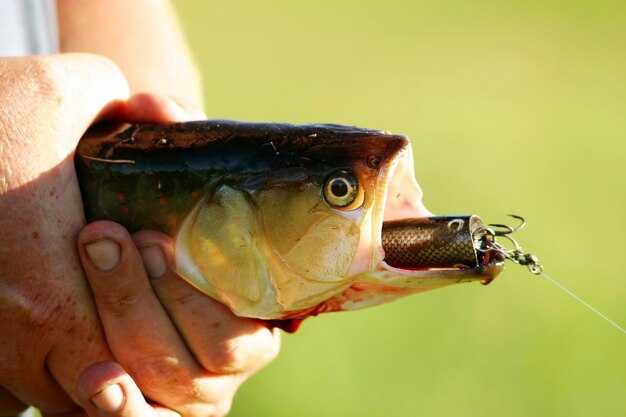
Begin with earthworms for most panfish and many bass in calm water; keep bait lively and present it slowly to trigger bites.
Choosing bait by target species improves success: for big, mobile fish along moving-water edges, use small minnows or leeches on light tackle; for whites and schooling panfish, a compact minnow under a float near weedlines tends to produce steady strikes.
Walleye and trout respond to live minnows under a bobber during low-light periods or on bottom rigs with a light weight to hold bait near structure.
Rigging tip: attach bait with a simple tie to a light leader; ensure the connection lets the bait swim naturally and stays secure during a cast.
Care and handling: keep bait in an aerated container, rinse periodically, and discard stock that shows signs of stress; bait that moves freely lands more bites.
Environmental cues: adjust bait choice to water clarity and depth; in murky water, prefer larger or brighter minnows; in clear water, natural-toned minnows tend to produce more bites.
Record-keeping: fishermen log bait type and location to refine tactics with each trip and season.