


 Русский
  English (UK)
  العربية
  日本語
日本語  한국어
한국어  Magyar
  Türkçe
  Español
  Čeština
  Svenska
  Português
  Ελληνικά
  Suomi
Suomi  Nederlands
  Română
  Italiano
  Français
  Polski
  Українська
  Deutsch
  简体中文
简体中文  Slovenčina
 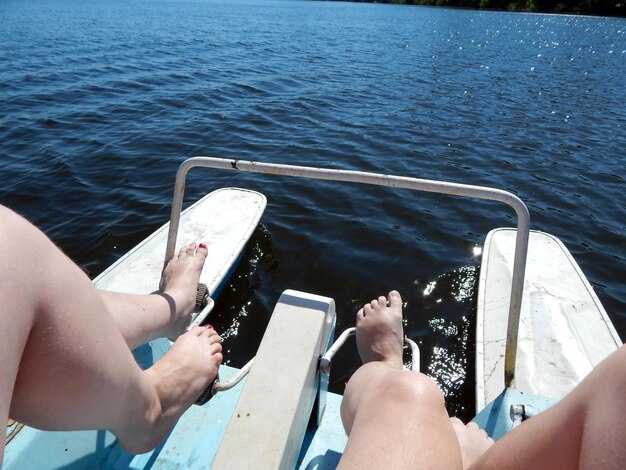 How to Drive a Pontoon Boat – Essential Tips for Safe, Easy Boating">

Begin in a sheltered cove to build confidence and assess handling. Hold a straight course across calm water, keep to simple lines, and run the motor at low power. Practice gentle stops and controlled turns near the ground; repeat until you feel confident with the craft. heres a plan you can follow from the first hour on the water: start with short, straight legs and gradually extend them.
General checks before leaving the dock: verify fuel level, battery status, and motor health. Confirm control arrangement, throttle response, and ground clearance; map a route that avoids obstructions and shallow zones. If you rent a craft, request a briefing on layout and typical traffic, so you know where to stroke the throttle and where to hold your position. Bring spare fenders and docking lines.
In variable conditions, maintain momentum and avoid abrupt changes. Point the bow into the swell and adjust power smoothly. When waves come from the side, ease off and keep a steady course to prevent yaw. If water is choppier than expected, shorten runs and stay farther from shore and island shores. This approach mirrors general practice across similar craft and helps you stay confident over longer passages.
Approaching a marina or docking space requires precision. Keep a clear path, reduce speed, and use predictable, gradual movements; stay in parallel with docking lines and avoid sudden shifts. When leaving a slip, align with the channel and check obstructions ahead. If you rent, request a quick briefing on the area, so you know where to turn and where to pause to avoid collisions.
Learning progresses through multiple trial runs and structured practice. Consider a program at a университет or a local learning center that offers hands-on coaching and safety fundamentals. Start on a calm day and work toward longer trips along lines of similar conditions. Collect notes after each trip to improve confidence and consistency.
With these guidelines, you can approach each voyage with a steady, confident routine and a clear plan indicating where to go, the length of each stretch, and how to recover if conditions shift.
Pontoon Boat Operation: Practical, Safe Procedures
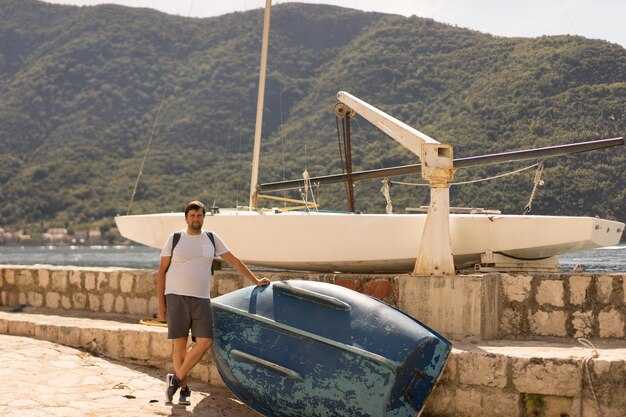
heres a concise, action-focused setup to show how to handle a decked craft with confident control, making handling easier toward a smooth trip. Prepared whether you rent or own, ensure front seating is positioned with ample space for passengers. Enjoy the ride, stay sure gear is ready, and use a camera to help shadows stay visible.
- Pre-launch checks
- Verify fuel, battery, and oil levels; inspect the trailer hitch to ensure it is secured, release safety chains, and confirm space on deck for passengers. Keep PFDs easily accessible and check gemlux fittings if gear is rented.
- Power-on and launch
- With the craft in neutral, start the single-engine; set tilt trim to optimize the planing surface; release mooring lines only when water is clear; accelerate slowly to an easy pace, and leaving shore shadows behind while you establish heading.
- On-water handling
- Maintain controlled speed; steers respond to small inputs; shift weight toward the front or rear as needed to keep the hull balanced; watch wake and traffic, find space to maneuver, and match heading to wind. This approach also helps you stay confident and enjoy the ride, which can be smoother with a camera feed if installed.
- Docking and mooring
- Slow to a controlled pace, approach the slip, release lines, and secure with a proper hitch. Stays aligned with the dock; ensure crew stays clear of lines and sharp edges during tie-off.
- Post-use and storage
- Shut down single-engine, tilt to neutral, stow gear, and leave the area clean. Departure should be leaving no gear or lines loose; verify the craft remains ready for the next trip and note any issue for a prompt fix.
Pre-Launch Checklist and Safety Gear
Secure jackets on every passenger and verify that the controls move smoothly through their ideal length, returning to position without resistance.
Explore the cockpit area to confirm there are no tripping hazards, then test the kill switch and emergency stop to understand its impacts on stability.
youll adjust seating to keep knees comfortable and body weight centered to maintain stability.
co-authored guidelines suggest never exceed the ideal length of passengers onboard and maintain clear instructions on where to sit.
Push the start/engine button and verify responses before moving; if unfamiliar, review the trial procedures.
When docking or handling rentals, practice slow, controlled movements; accelerate gradually; a little push on throttle helps reduce error.
Thats why you should keep a signaling device within reach and consider another set of jackets for guests in need.
| Item | Action | Примечания |
|---|---|---|
| jackets | size-check and distribute | ensure accessibility for all riders |
| PFDs and throwables | place within easy reach | inspect buoyancy and condition |
| controls | verify movement through range | return to neutral after test |
| kill switch | attach to lanyard; test response | critical during maneuvers |
| fire extinguisher | check accessibility; read gauge | keep on board near exit |
| аптечка первой помощи | inspect contents; restock after rentals | keep dry and visible |
| communication device | test radio or cell; set emergency contact | fully charged |
| flares or signaling | verify visibility | store in a reachable area |
| rope/throw line | stow near stern; inspect wear | assist docking and anchoring |
| lighting | test navigation lights | required after dusk or in low visibility |
Starting, Idle, and Gentle Acceleration Techniques
Begin with a 3–5 minute warm-up at idle to bring the engine to operating temperature, then depart onto calm water after updated readings show normal ranges. On deck, everyone wears a Personal Flotation Device; hook the kill-switch lanyard to your jacket. Keep clear of the prop and be mindful of where people stand so that operations stay stable during move-off. In a university-style practice, these steps help reduce risk and avoid dangerous maneuvers when practicing transitions around other craft.
- Prestart checks: verify oil pressure in the normal window (about 40–60 psi), water temperature under the recommended limit, and battery voltage above 12.4 V. Confirm deck is clear, lines stowed, and all passengers know where to stand when leaving the dock.
- Idle management: set throttle to idle, ensure steering responds smoothly, and confirm trim tabs or equivalent controls are centered. Maintain idle RPM around 800–1000 to warm the engine without overheating.
- Initial acceleration: ease throttle to about 25–30% for 10–15 seconds, then smoothly advance to 45–60% in 5–10 second steps. Avoid abrupt grip on the throttle to prevent sudden surge; if the hull lifts unevenly or starts to slam, back off and reassess weight distribution and passengers.
- Cruise transition: once stable, build speed in small increments (5–10% throttle) every 10–20 seconds until reaching target cruising RPM. Monitor engine sound, trim, and hull behavior, keeping the run around the lower mid-range unless conditions demand more.
- Practical notes: Sometimes conditions require slower speeds and tighter turning near docking areas. Always depart onto open water with a clear path, minimize changes while around people, and never engage high-speed maneuvers near the dock or in congested zones. These practices help beginners learn operation of this deck craft.
Steering, Turning, and Power Management in Different Water Conditions
Set power to slow idle, keep the center low, and apply proper, smooth wheel input. Begin with a wide arc from the front, then pivot toward the desired course as the back follows. Maintain even movement and release when alignment is achieved, then run at just the proper speed before approaching docks.
Calm water with a light chop demands small, precise adjustments. Stay centered, let waves pass under the hull, and avoid sharp turns that lift the bow. If obstructions appear, back off, then swing around such obstructions with ample clearance to prevent damage. If larger wave sets arrive, slow down again and hold a straight line until the run remains even.
In windier conditions or bigger chop, reduce speed, keep the front slightly into the waves, and shift weight toward the center during acceleration. Use a gentle back thrust to recover from a misstep, then re-center and pivot to resume a straight movement; this approach can provide stable handling.
Near docks or narrow channels, proceed slowly with a wide arc, then use the back engine to hold position. If you must reverse, release pressure gradually, then pivot away and keep a clear path around obstacles. Maintain a light grip on the wheel, and scan around for obstructions.
Rental and practice guidance: choose larger boats when conditions may worsen; an option is to check resources at the marina and ask the director about local limits. If you rent, specify a model with forgiving handling and appropriate stability characteristics for your crew. Always wear a life jacket, keep movement smooth, and run at a modest pace until confidence grows.
Docking, Mooring, and Reversing Without Damage
Begin with a calm, step-by-step routine: keep momentum low near the dock, set idle speed, and ensure mounted controls stay within reach; consult your training notes or the getmyboat program to verify gear, equipment, and safety checks before approach.
Approach from an open angle, let waves push gently, and align an imaginary reference line towards the cleat on the harbor wall; maintain steady pressure on the controls and use the button on your device to fine-tune speed without abrupt moves, like a quiet glide.
Close in, pass a line to the dock, hitch it to a cleat, then back away slowly; keep the line tidy, place fenders, and stay down toward the water to prevent tear or hull contact behind the vessel.
Depart by reversing in short, gentle bursts; use the mounted controls and, if needed, a momentary button to smooth the motion; keep the stern near the dock and the bow guiding along the line towards a parallel stance along the pier.
Contain risk by designating someone as director to coordinate lines and voice commands; often check harbor conditions, crowding, and weather; ensure equipment is in good condition and that line, hitch, and device all operate reliably.
In case of drift or a missed hitch, stop, reassess, depart briefly, and reattempt with a fresh look at the imaginary path; practice with training drills to build skill, keep those gear secured, and maintain clear communication among crew and trainer.
Man Overboard, Breakdowns, and Emergency Procedures
Take immediate action: throw a flotation device toward the person in the water, shout “Man overboard,” and keep them in view, then steer towards them with throttle applied very gently to ease the approach. If a multi-camera system exists, switch to that view to confirm location and distance, then take next steps with calm control while monitoring conditions.
Next, recover the swimmer with a stable entry: approach from the windward side if possible, use a ladder or crew hand to bring them aboard without jerks, and keep their head above water. Let gravity assist by keeping your body aligned and using smooth, deliberate motions; hold a line or a life jacket to guide their ascent, which helps with ascent. Once secured, avoid contact with bottom to prevent entanglement, and check for exposure or injury before removing wet gear.
If propulsion or steering fails, move into neutral and reduce throttle, then inspect fuel level, battery status, throttle linkage, and steering cables. If there is a second drive or electric assist, engage it to regain momentum. Signal help via marine radio or cell, share your location, then steer towards shore or a safe haven while avoiding hull damage or sudden turns that could cause a capsize.
Fire scenario: grab extinguisher and aim at base of the flame, sweeping low to high while keeping passengers away from the hot area. If smoke appears, head towards shore, maintain a steady pace, and be prepared to hitch to a rescue watercraft if needed.
Keep this article in the crew’s toolkit: practice man overboard, recovery steps, and emergency checks. Assign roles, take next actions, and rehearse the sequence while considering current conditions. Ensure on board: throw line, ring buoy, extinguisher, whistle, flashlight, and a charged VHF. If rentals are used, verify gear and coverage before departure. Then review the plan, take notes, and discuss the next drill with the crew, including where to position gear and rescue aids. This adds to the world of watercraft adventure.