


 Русский
  English (UK)
  العربية
  日本語
日本語  한국어
한국어  Magyar
  Türkçe
  Español
  Čeština
  Svenska
  Português
  Ελληνικά
  Suomi
Suomi  Nederlands
  Română
  Italiano
  Français
  Polski
  Українська
  Deutsch
  简体中文
简体中文  Slovenčina
  How to Dock a Catamaran at a T-Head Dock – Step-by-Step Techniques, Safety Tips, and Berthing Best Practices">

Начните с конкретного плана: подготовьтесь у причала кранцы; швартовы; назначить компетентный команда; заход на посадку в slow темп; будьте готовы к смене ветра; следите за волнами с течением времени.
При подходе сравните однокорпусные суда с судами, имеющими два корпуса; управляемость двухкорпусного судна отличается от поведения однокорпусного; сохраняйте стабильную ширину относительно пирса; корректируйте углы захода при наличии поперечных течений; в сложных условиях расположите корму в сторону у причала только тогда, когда контроль лука надежен; component основные усилия экипажа сосредоточены на двух направлениях: приемистость двигателя; координация действий команды; onto Причал, держать slow дрифтовать, чтобы минимизировать нагрузку на крылья.
Назначьте роли для проверки экипировки; life куртки наготове; дети под присмотром; избегать раскачивающихся тросов; проверить закрутки стакселя/генуи; следить за лучом, боковым ветром, радиусом поворота; предвидеть силу волн; advice способствует отработке координации действий экипажа; повторение снижает количество ошибок; медленные, обдуманные действия становятся привычными.
Приближайтесь к пирсу с точной навигацией ближе к левому борту; по прибытии выровняйте нос по течению; сделайте обдуманный разворот, чтобы корма пришлась к сооружению; учитывайте осадку относительно глубины воды; разместите кранцы на носу и корме; держите детей в кокпите или каюте для безопасности.
Практические советы включают использование короткого, мягкого троса от носового кнехта к фиксированной точке на пирсе; этот подход подходит для двухкорпусной конструкции; команда с опытом работы со скруткой парусов занимается их настройкой во время перехода; при смене ветра используйте второй трос для подстраховки; спасательные жилеты должны быть в пределах досягаемости; это стоит усилий; удача не обязательна; существует больше вариантов для мелководных причалов.
Круизы на катамаранах: Все, что вам действительно нужно знать
Планировать заранее означает оценивать погоду, прогнозировать благоприятные "окна" для пересечения, учитывать праздничные графики в близлежащих маринах, чтобы избежать скопления людей в вашем районе.
Выберите устойчивый курс, который удерживает корпус на ровном киле, минимизирует крен, избегает открытых маршрутов, снижает риск; многое может зависеть от направления ветра, направления течения.
Подготовка включает в себя линии, кранцы, оборудование кокпита; по возможности расположите судно параллельно берегу; соблюдайте дистанцию от движущихся судов; если кто-то на борту чувствует себя неуверенно; снизьте скорость; держите дистанцию не менее трех корпусов.
Погодное окно важно; пересечение открытой воды требует раннего планирования; избегайте высоких порывов; снижайте скорость вблизи берега.
Электрический привод может быть доступен на некоторых судах; следите за состоянием батареи; избегайте высоких нагрузок на мелководье; перед запуском установите переключатель в нейтральное положение.
Распределение веса: медленно переносите вес тела на ноги; держите плечи на удобной высоте; сохраняйте ровную стойку; корпуса должны оставаться ровными.
Выход из гавани: спланировать маршрут; проверить угол ветра; отрегулировать трим; держаться вблизи безопасной линии; необходимые проверки перед выходом.
Оперативные основы: начинайте с очень медленных изменений мощности; быстро корректируйте, если меняется ветер; следите за водой на предмет движущегося мусора; отмечайте буи; продумывайте переходы; поэтому держите темп низким; затем планируйте следующий этап; по возможности параллельно ветру; удача редко помогает; профессиональное планирование ее покрывает.
| Aspect | Guidance | Примечания |
|---|---|---|
| Открытая вода | Учитывайте порывы ветра; снижайте скорость; держите курс на ветер. | Непрерывное наблюдение; держитесь на расстоянии от берегов. |
| Weight distribution | Двигайте бедрами, медленно переставляйте ноги; избегайте резких движений пяткой | Корпуса остаются ровными; комфорт экипажа |
| Тип движителя | Электрическая тяга рассматривается; следить за состоянием батареи; переключатель установлен перед запуском. | Избегать высоких нагрузок вблизи мелководья |
| Сближение транспортных средств | Соблюдайте безопасную дистанцию; двигайтесь параллельно полосе; избегайте попутчиков сзади. | Будьте видны другим. |
Подготовка к швартовке: Защитное снаряжение, кранцы и работа с тросами
Внимание: наденьте спасательные жилеты, страховочные привязи и нескользящую обувь, а также средства защиты слуха, прежде чем приближаться. Убедитесь в компетентности экипажа; потренируйтесь в подаче швартовых концов одним броском для носового и кормового шпринга в спокойных условиях; держите запасные бросательные концы под рукой и убедитесь, что все члены команды могут общаться по одному каналу, особенно в условиях плохой видимости или неспокойного моря.
Кранцы: Выбирайте модели, соответствующие корпусам; размещайте минимум по два с каждой стороны – один в средней части и один в носовой – с третьим за носом, если места мало. Накачивайте до рекомендованного производителем давления; располагайте их так, чтобы при поворотах они касались корпусов, а не палубного оборудования. После установки закрепите кранцы тросами или ремнями, чтобы они не двигались при порывах ветра; это снижает энергию удара и защищает корпуса от попутных кильватерных струй. В условиях пассатов добавьте запасной кранец и отрегулируйте положение для лучшего покрытия. Проверяйте состояние кранцев каждую неделю; убедитесь, что контакт остается прочным, даже в темноте или при меняющемся освещении.
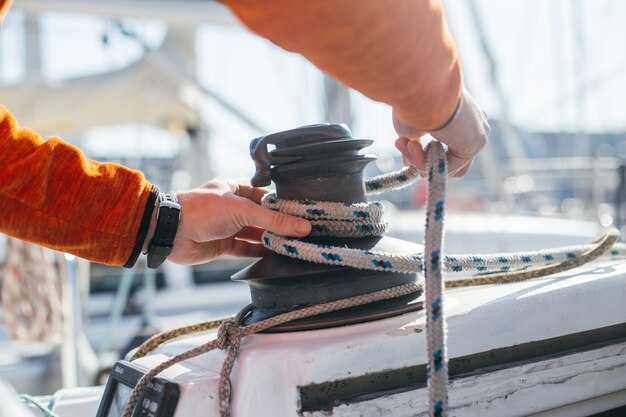
Обработка швартовых: Используйте один и тот же набор швартовов для носа и кормы, с парой пружин для контроля движения; проведите пружинный швартов от миделя к передней утке и другой от той же точки к задней утке; храните швартовы аккуратно свернутыми, чтобы избежать запутывания; убедитесь, что пути к уткам свободны от проходов за кокпитом; проинструктируйте команду держать швартовы в порядке и подальше от спутной струи винта; не тяните резко; когда рядом другие суда, прикладывайте мягкое, обдуманное натяжение; таким образом, у вас должно быть достаточно контроля, чтобы удерживать позицию; прекратите поворот, как только кранцы коснутся причала; используйте петлю для фиксации швартова и шлаг для блокировки; убедитесь, что швартовы аккуратно уложены и готовы до того, как вы достигнете причала; такой подход обеспечивает плавные и предсказуемые повороты.
Системы и проверки: осмотрите основные системы, влияющие на подход к швартовке: готовность трюмного насоса, состояние электрооборудования и панели доступа к системам отопления, вентиляции и кондиционирования; убедитесь в отсутствии препятствий в проходах за корпусами и палубным оборудованием; убедитесь, что клапаны, вентиляционные отверстия и сигнализация работают нормально; убедитесь в наличии свободного доступа в машинное отделение и в том, что запасной трос и нож находятся в пределах досягаемости; используйте простой контрольный список для просмотра состояния каждой системы и быстрого решения проблем; прежде чем въехать, отрепетируйте последовательность действий с командой, чтобы обеспечить слаженность; продумайте момент разворота при легких порывах ветра и действуйте соответственно.
Обучение и совершенствование: уделяйте время практике; бесплатные курсы могут повысить компетентность; помните, что прогресс достигается повторением; в конце недели сверяйтесь с простым журналом, показывающим маршруты, контакты корпуса и натяжение тросов; помните, что одни и те же процедуры работают на разных судах; обратите внимание, что практика поворотов укрепляет мышечную память; рассматривайте швартовку как систему скоординированных действий; упорство, а не удача, превращает скорость в точность; при последовательной работе вы станете более уверенно выполнять швартовку к одному и тому же причалу в различных условиях.
Подход и швартовка: позиционирование носа и кормы для швартовки «конец в голову»
Начните с четкого плана: направьте нос в сторону подветренного плеча входа в причал; корма не должна задевать соседние слипы; плавно откройте дроссель, чтобы поддерживать прямолинейное, контролируемое движение. Аккуратное управление пучком снижает дрейф; Меньше исправлений Вот перевод:.
Обратитесь к 25–40° угол относительно линии причала; заход по пологой дуге; держать судно примерно перпендикулярно каналу; следить за направлением ветра; течением; скоростью воды; условия могут меняться во время захода.
Нос почти в центре проема; газ до холостых оборотов; небольшие корректировки рулем, чтобы удерживать луч параллельно пирсу; скользим, пока корма не выровняется с причальным пальцем; входим в створ; избежание контакта остается целью.
Переход до окончательной регулировки: сохраняйте видимость сквозь windows; поддерживайте готовность двигательных установок; используйте медленные, обдуманные движения для стабилизации кормы.
Практика в реальном мире на протяжении многих лет обеспечивает долгосрочное обучение; тренировки предлагают полезные повторения; этот метод остается популярным для квадратных, широких отрывов.
Чек-лист техобслуживания: состояние опреснителя; нагрузки HVAC; электрические системы; трюмные помпы; подача топлива; стоит отметить, что готовность влияет на безопасность в окружающей среде; переходные процедуры; обучение; тестирование как часть долгосрочного обучения.
Проверка оборудования: опреснитель; система кондиционирования; другие системы; убедитесь windows оставайтесь в стороне; проверьте радиус поворота; предусмотрите большие крылья; протестируйте движение на уменьшенной скорости, чтобы убедиться в устойчивости, прежде чем делать окончательный проход.
Кранцы и швартовы: Защитите корпус и контролируйте дрейф
Разместите два больших кранца на наветренном носу; выровняйте их по ширине в средней части; накачайте до 0,8–1,2 бар, чтобы амортизировать контакт. Старайтесь держать корпус на постоянном расстоянии. Держите кранцы наготове для быстрой регулировки. Проведите два швартовых троса: один от носовой утки к фиксированной свае; другой от кормовой утки к противоположной свае.
Варианты включают пенные кранцы; надувные камеры; обхватывающие блоки; каждый выбор устанавливает уровень защиты; реакция на волны варьируется.
Выберите вариант, который подходит окружающей среде; текущее направление изменяет натяжение вдоль линий; убедитесь, что слабины достаточно, чтобы поглотить скачок без подъема уток. Удача — это не план; готовьтесь взвешенными корректировками. Лучше наблюдайте за волнами, течением, направлением ветра для выравнивания.
Маневрируйте катамаранами, поддерживая контролируемую тягу; избегайте резких ускорений; регулируйте скорость, чтобы корпус оставался прямым, особенно когда течение или темные условия ограничивают видимость. Необходимые корректировки сопровождают каждый шаг для поддержания курса.
Если асимметрия корпусов становится заметной, отрегулируйте длину швартовов: укоротите один из носовых шпрингов на 15–25 см, чтобы выровнять зазор.
Подготовка к швартовке: расположить кранцы так, чтобы они закрывали обе секции корпуса; убедиться, что швартовы не изношены; подготовить запасные чехлы для кранцев. Необходимо приложить кранцы к поверхности корпуса до сближения.
Тщательная проверка после каждого маневра повышает надежность; недопонимание случается; прокладывая линии, проверяйте, все ли соединено; окна должны быть чистыми для подачи сигналов.
Помните об окружающей среде; выбирайте подходящие курсы; выравнивание луча обеспечивает безопасную работу; результаты включают уменьшение контакта с корпусом, контролируемый дрейф, более безопасный вход.
Подход к безопасному швартову: Пошаговый маневр к причалу-пальцу
Шаг 1 – Подход на оптимальной скорости; выровнять корпус носом к ветру, пассатным условиям, течению; держаться параллельно линии пирса; окна обеспечивают необходимую видимость; правый борт к причалу; ширина бимса поддерживает устойчивость; жизнь на борту выигрывает от контролируемого движения; настройка оборудования, знания, годы практики оттачивают суждения; отметить философию точных действий, а не спешки.
Шаг 2 – Подготовьте кранцы, швартовы, снаряжение; расположите накладки на сваи; проверьте работу закрутки стакселя, скорость лебедки, отклик дросселя; убедитесь в доступе к носовым и кормовым уткам; оптимизируйте размещение оборудования для наименьшей нагрузки на корпус; отметьте ключевые моменты для координации экипажа, обучения, философии, инвестиций в годы практики.
Шаг 3 – Осуществите первый контакт вдоль причала; держите корпус параллельно линии; управляйте, чтобы поддерживать постоянную ширину; следите за ближайшими судами; держите корму к сваям, чтобы смягчить удар; используйте медленное, точное движение; уменьшите перелет; более быстрая реакция повышает стабильность.
Шаг 4 – Подсоедините швартовы к носовым и кормовым уткам; медленно выбирайте слабину; убедитесь в достаточном расстоянии до кранцев; проследите, чтобы окна оставались чистыми для обзора; поддерживайте голосовую связь с командой; советы опытного помощника улучшают тайминг, повышают комфорт и снижают риск.
Шаг 5 – Установите окончательное натяжение; наблюдайте за контактом корпуса у бимса; убедитесь в спокойном контроле до причала; сохраняйте доступ для передвижения экипажа; держите закручивающее устройство плотно прилегающим до закрепления у причала; отметьте, что предосторожная философия остается неизменной.
Шаг 6 – Подтвердите стабильность после фиксации; настройте натяжение тросов для минимального движения; вложите годы тренировок в улучшение управления; поддерживайте хороший опорный луч для параллельного выравнивания; отметьте преимущество, четкую философию, направляющую каждый подход, комфорт для экипажа.
Шаг 7 – Оценка результатов для постоянного улучшения; защита корпуса; документирование уроков, включая предотвращение перелетов, дисциплину уборки парусов, благополучие экипажа, осведомленность о рисках; инвестирование в техническое обслуживание оборудования, знание погоды для достижения оптимальной, безопасной и быстрой швартовки в условиях пассатов; актуальность на долгие годы вперед.
Регулировки в реальном времени: ветер, течения и движение судов в доков.
Рекомендация: сохраняйте ровный и плавный подход с тремя небольшими, скоординированными регулировками мощности для стабилизации носовой части; проверяйте натяжение троса каждые 15–20 секунд и поддерживайте центровку, следя за окнами между столбами на предмет смещения. Убедитесь, что у вашей команды есть доступ к необходимому оборудованию и четкий сигнал, когда действовать.
-
Ветровые сценарии - встречный ветер выталкивает носы наружу; противодействуйте устойчивым курсом с малой нагрузкой и короткими, выверенными корректировками. Используйте три быстрых, контролируемых ввода, чтобы сохранить квадратную балку и избежать резких движений. Пусть кто-нибудь на осевой линии следит за тросами и докладывает, чтобы вы могли поддерживать уровень и предотвратить поворот кормы.
-
Течения и приливы – течения могут сместить ваш курс на несколько градусов на большом участке; планируйте маршруты так, чтобы они проходили вверх по течению от препятствий, и используйте поток в своих интересах. Поддерживайте баланс нагрузки на носовые и кормовые канаты и проверяйте свою скорость, чтобы оставаться в нескольких метрах от центра подхода. Если опреснитель или водопроводные линии находятся поблизости, убедитесь, что шланги не касаются бимса и не зацепляются.
-
Движение судов у причалов/причальный трафик - следите за тремя полосами движения: входящей, выходящей и свободными зонами с открытым доступом. Общайтесь с другими, используя короткие и понятные жесты, и корректируйте курс, чтобы уступить более крупным судам. Обращайте внимание на информационные щиты и радиопереговоры, если они доступны; при сближении маршрутов замедлите ход и плавно остановитесь, делая более редкие и продолжительные задержки, чтобы уменьшить кильватерную волну.
-
Роли экипажа и безопасность – назначьте кого-нибудь на носу и в центре, чтобы управлять швартовыми, а дети остаются на борту только под присмотром. Используйте практичные ручные сигналы и сохраняйте квадратную стойку, чтобы равномерно распределить нагрузку по ногам. Подготовьте опреснитель и убедитесь, что насосы и трубы надежно закреплены перед любым сближением.
-
Работа с веревкой и снаряжение – выберите три стропа на центральной утке и проверьте натяжение по мере приближения; держите стропы плотно, но не туго, чтобы гасить волны. Используйте короткую, контролируемую нагрузку на экипаж, чтобы предотвратить чрезмерную реакцию на порывы ветра; плавные регулировки снижают нагрузку на фитинги и износ фитингов.
-
Операционная ритмичность – стремитесь к устойчивому темпу: три обдуманные коррекции, затем пауза для наблюдения за уровнем воды, углом ветра и дорожными знаками. Если течение меняется, корректируйте курс на градусы, а не на метры, и сохраняйте четкий вид на точку доступа спереди.
-
Видимость и доступ – не допускайте преград для обзора из окон и визуальных ориентиров; убедитесь, что из кабины видна центральная линия, и следите за буферной зоной впереди. Отслеживайте любые знаки, указывающие приоритетные маршруты, и оперативно реагируйте на изменения в движении.