


 Русский
  English (UK)
  العربية
  日本語
日本語  한국어
한국어  Magyar
  Türkçe
  Español
  Čeština
  Svenska
  Português
  Ελληνικά
  Suomi
Suomi  Nederlands
  Română
  Italiano
  Français
  Polski
  Українська
  Deutsch
  简体中文
简体中文  Slovenčina
 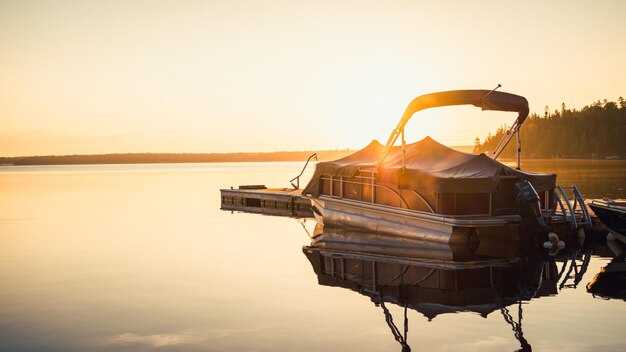 Houseboat Living – Explore the Unique Life on the Water">

Start by securing a long-term moorage in public marinas with licensed operators. In amsterdam and other cities with dense canals, this setup gives predictable electricity, water, and waste services, plus built-in safety protocols. A steady moorage reduces drift risk and helps you plan utilities for a comfortable year-round life.
Most long-term moorage contracts set a fixed annual fee plus utilities. Typical base rates for a mid-size houseboat in a public marina range from €2,000 to €6,000 per year, depending on moorage width, access to electricity, and proximity to public transport. With careful resource use, you can save on heating and electricity by upgrading insulation and using a compact heat source. Operators require safety inspections each year to prevent hull damage and ensure insurance coverage, helping you avoid expensive repairs and keep your quarters safe.
Make the most of the water lifestyle with smart design for the long term. Use a wide deck, modular furniture, and stackable storage to expand quarters without clutter. When you perform tiny repairs, keep marine epoxy, marine-grade mortar, and weatherproof sealant on hand to address leaks quickly and avoid permanent damage to fixtures. A small battery bank and solar panels keep you powered during public transit gaps and maintenance windows.
Inspect and upgrade regularly to prevent damage and maintain safety on the water. Schedule annual checks for hull integrity, battery health, and waste systems. If you notice corrosion or water ingress, address it immediately to prevent permanent damage and preserve resale value. Keep a reserve fund to cover unexpected repairs; taking a proactive approach saves months of disruption and helps you stay permanently afloat even during low-water years.
Plan for community and mobility, not only shelter. Learn the local rules for moorage, waste, and public access; talk with operators to understand expectations and fees. For long-term living, pick a city with reliable public transit, stable water levels, and active houseboat associations. Using these guidelines, you can take a balanced approach–combining steady routines with flexible routes–and make your life on the water more predictable and enjoyable.
Houseboat Living Guide

Confirm your license and ownership with the marina before you buy a houseboat; this guarantees a legal waterfront slip and reliable access to utilities.
The most practical way to start is to map three options: private marina with full hookups, public dock with limited services, or a floating home with licensed access. A thorough check of local authority rules will set expectations and help you choose the right path. youll need to verify insurance requirements and whether your slip permits seasonal occupancy.
Costs vary by region, but plan for a monthly total that combines mooring, electricity, and maintenance. Approximately $300–$900 monthly is common in many coastal markets; this isnt a fixed figure and may rise with utilities or services. Include regular pump-out service every 4–6 weeks and winter heating costs; you can cut seasons by tightening insulation and upgrading vents.
Maintenance should be scheduled: check hull integrity, battery health, plumbing, and the engine if motorized. Regular checks prevent costly surprises. For propulsion-equipped houseboats, budget $1,000–$3,000 annually for major upkeep; for non-motorized, expect less but still regular inspections of pumps and holding tanks.
When selecting a vessel, inspect insulation, water storage, and heating capacity. Ask for a recent survey and verify that the license is transferable or that ownership documents are clear. This isnt the time to skip due diligence; a strong paperwork package reduces risk and protects your waterfront rights.
Practical steps: request a copy of the slip lease, confirm emergency contact procedures, and outline a plan for regular waste management. The goal is to balance comfort with compliance, so you can enjoy evenings on deck without surprises.
Factor in seasonal changes: short winters may require additional heating, while rain increases pumping-out frequency. If you wish to upgrade, some marinas offer upgrades to energy systems or solar kits for houseboats; check if the license covers such modifications.
Budgeting for Houseboat Living: Upfront Costs and Monthly Expenses
Exactly plan your preparation to keep costs predictable: determine upfront costs within a clear window and lock a monthly budget that covers ongoing moorings, utilities, and maintenance. Think about what comfort you want in the quarters, choose an ideal berth layout with efficient space for houseboats, and drive decision making with real price data rather than guesses.
Upfront costs typically include vessel purchase or lease, professional survey and inspection, moorings deposits, insurance setup, safety gear, permits, and any interior work needed to make the space liveable. If you target eco-friendly upgrades–like LEDs, solar pre-wiring, and efficient heating–you reduce ongoing bills and improve long-term comfort while respecting centuries of waterfront design traditions.
| Cost category | Upfront cost (CAD, approximate) | Примечания |
|---|---|---|
| Vessel purchase or lease | CAD 15,000 – 150,000 | Size and condition drive price; barges and houseboats vary widely |
| Survey and inspection | CAD 500 – 2,000 | Hull, machinery, and electrical system checks |
| Moorings deposit and setup | CAD 1,500 – 5,000 | First month’s fees; check restrictions on long-term tie-ups |
| Insurance (hull/liability) | CAD 800 – 2,500 | Annual premium; compare multi-policy options |
| Safety equipment and upgrades | CAD 400 – 2 000 | Спасательные жилеты, огнетушители, кранцы, трюмные помпы |
| Разрешения и лицензии | CAD 50 – 500 | Местные ограничения могут потребовать дополнительных разрешений. |
| Электротехнические работы/модернизация такелажа | 1 000 – 6 000 канадских долларов | Береговое питание, блоки аккумуляторов, предварительная проводка для солнечных батарей |
| Внутренние работы (спальное место, каюты, дизайн) | CAD 2 000 – 20 000 | Ремонт, переоборудование, оптимизация планировки |
Текущие ежемесячные расходы обычно включают плату за швартовку или стоянку в марине, электроэнергию, воду, отопление, топливо, текущее обслуживание, продление страховки, утилизацию отходов, интернет и телефон, а также продукты. Запланируйте 800–2000 канадских долларов на швартовку, 100–400 канадских долларов на коммунальные услуги, 60–200 канадских долларов на страховку, 50–150 канадских долларов на топливо, 20–60 канадских долларов на отходы, 40–100 канадских долларов на интернет и 200–600 канадских долларов на обслуживание. Поддерживайте расходы на плаву, имея резерв, равный 3 месяцам фиксированных расходов, для покрытия скачков в ремонте или изменений в сборах. Если вам нужна мобильность и комфорт, инвестируйте в экологически чистую установку, которая со временем снизит энергопотребление и расходы на обслуживание. В Канаде ограничения на швартовку или доступ к каналам могут потребовать корректировки вашего графика и местоположения, поэтому разработайте гибкий план и следите за более широкими возможностями стоянки и стратегиями мобильности.
Для принятия окончательного решения занесите все сметы в единую бюджетную таблицу, ежемесячно отслеживайте фактические расходы и обновляйте свой план при изменении условий швартовки или тарифов на коммунальные услуги. Такой подход позволит вам быть в курсе событий и уверенно жить на борту.
Выбор подходящего судна: размеры, тип корпуса и соображения по планировке
Начните с водоизмещающей лодки длиной 36–40 футов в качестве отправной точки. Этот размер обычно подходит для большинства европейских причалов и профилей каналов, предлагая комфортное жилое пространство без ущерба для отзывчивости управления. Этот размер помогает вам перемещаться между городами с меньшим количеством корректировок. За годы владения вы получите надежную платформу для свободного перемещения между комнатами, сохраняя при этом простоту управления на оживленных водах. Максимальная осадка остается управляемой, расширяя ваши возможности швартовки между городами, и вы будете чувствовать себя устойчиво на неспокойной воде. В Европе правила лицензирования и регистрации различаются в зависимости от страны, поэтому включите готовность к лицензированию в свой план подготовки.
Если не брать в расчет размеры, ориентируйтесь на планировку с двумя-тремя каютами и одной главной кухней; для больших команд можно предусмотреть вторую компактную мини-кухню для гостей. Такая планировка сохранит свободу передвижения между жилой зоной, спальными помещениями и камбузом, при этом палуба останется открытой. Уделите особое внимание местам хранения: ящикам под кроватями и верхним шкафчикам, чтобы уменьшить беспорядок и создать ощущение "своего" места. Ознакомьтесь с местными правилами швартовки и утилизации отходов и продумайте вопросы приготовления пищи, стирки и использования гостями во время подготовки.
Выбор корпуса определяет стабильность, осадку и стоимость. Водоизмещающий однокорпусный корпус с небольшой осадкой превосходен на реках и каналах, предлагая предсказуемое управление и более низкие эксплуатационные расходы. Катамаран обеспечивает больше места на палубе и уменьшенный крен, что создает ощущение большего внутреннего пространства, но влечет за собой более высокие первоначальные и текущие расходы на швартовку. В Европе правила швартовки различаются в зависимости от страны и водного пути; убедитесь, что категория вашей лицензии соответствует типу судна перед покупкой. Если вы планируете часто перемещаться между гаванями, сбалансированный однокорпусный или катамаран обычно подходит для большинства маршрутов, избегая при этом маршрутов с ограниченной шириной. Существуют и более дешевые варианты, но проверьте долгосрочные затраты и найдите наилучший баланс для запланированных поездок. Для стационарных причалов проверьте состояние набережной; если вы причаливаете к кирпичным или цементным основаниям, убедитесь, что фундамент и засыпка подходят для поддержки корпуса и линий.
Планировка снижает риски и стресс. Создайте четкий поток: центральный коридор, компактное машинное отделение и защищенный вход. Для долгосрочного владения продумайте модернизацию, водоснабжение и системы отходов; уточните местные правила швартовки и требования к лицензированию до покупки. Осмотрите покрытия корпуса, аноды, швартовочные канаты и якоря; учтите затраты на ремонт кухни или ванной комнаты. Реалистичный бюджет подготовки поможет избежать неожиданностей и сохранить вашу мечту на плаву даже в пик сезона. Местный капитан порта поможет вам проверить максимальную осадку и размер причала, чтобы вы могли найти идеальное место, подходящее для вашей лодки и бюджета.
Повседневная жизнь на борту: готовка, сон и хранение вещей в небольшом пространстве

Начните с компактной камбузной зоны шириной около 60–70 см, включающей плиту на две конфорки, небольшую духовку и узкий холодильник (40–60 л). Такая компоновка позволит готовить, имея под рукой единую рабочую зону, а также хранить остатки еды и заготовки в пределах досягаемости во время передвижения по палубе. В проектах узких лодок столешницу следует располагать вдоль одной стены, чтобы не загромождать проход. Пауэлл подчеркивает, что популярность плавучих домов обусловлена свободой передвижения, но в лучших планировках по-прежнему сбалансированы безопасность, вентиляция и место для хранения. Если вы выходите на пенсию, переезжая в дом на воде, который будет использоваться для постоянного проживания, этот подход по-прежнему обеспечит надежную функциональность в месте, где происходит приготовление пищи, на крошечной площади.
Эффективное приготовление пищи в тесном камбузе зависит от простого рабочего процесса и надежного, компактного оборудования.
- Плита и обогрев: выбирайте двухконфорочную модель шириной около 60 см с отдельной вентиляцией и тепловым экраном между источниками тепла и стенами.
- Холодильник и охлаждение: выбирайте холодильник объемом 40–60 л с дверцей, открывающейся сверху, для легкого доступа во время движения; по возможности храните замороженные продукты в небольшом морозильном ящике.
- Вода и слив: установите бак для воды объемом 15–25 л для ежедневного использования с гравитационным сливом из раковины в специальную емкость для сбора серых вод, что уменьшит необходимость перемещаться во время приготовления пищи.
- Хранение под рукой: добавьте выдвижную кладовую, магнитные полоски для специй и настенные корзины, чтобы хранить сухие продукты на виду и в пределах досягаемости.
- Подготовка поверхности: используйте выдвижную или раздвижную столешницу, которая увеличивает рабочее пространство во время приготовления пищи, не загромождая проход.
Сон на лодке требует тщательного планирования, чтобы свести к минимуму помехи от движения и перепадов температуры.
- Варианты кровати: хорошо подойдет стационарная двуспальная кровать размером примерно 135–150 см на 190 см или трансформируемая в диван конструкция для гостей; убедитесь, что матрас дышащий, а изголовье низкое, чтобы избежать ударов во время ночных поворотов.
- Размещение: каюты в середине судна меньше подвержены качке, что улучшает качество сна и снижает утомляемость после преодоления миль за день.
- Хранение под кроватью: сделайте ящики или неглубокие контейнеры под кроватью для хранения сезонного текстиля, несезонной одежды и постельного белья для использования зимой.
- Затемнение и тепло: термошторы и легкая система одеял предотвращают потерю тепла; зимой используйте дополнительный компактный дизельный или пропановый обогреватель мощностью около 1–2 кВт.
- Вентиляция: держите небольшое вентиляционное отверстие или люк открытым ночью, чтобы контролировать образование конденсата и поддерживать качество воздуха без значительной потери тепла.
Эффективное хранение — основа повседневной жизни на лодке, позволяющая комфортно жить на ограниченной площади.
- Вертикальные решения: установите высокие шкафы и настенные шкафчики, которые тянутся до потолка, чтобы использовать каждый дюйм высоты.
- Многофункциональная мебель: скамейки с откидными крышками или ящиками, и кровать, которую можно сдвинуть, чтобы открыть вместительный комод под ней.
- Отсеки для снаряжения: гермомешки и ящики, спрятанные в кормовых или носовых рундуках, позволяют держать шланги, тросы и чистящие средства в порядке и вне поля зрения.
- Сезонная ротация снаряжения: меняйте зимнее и летнее снаряжение, чтобы не загромождать жилые помещения; используйте маркированные коробки для быстрой замены.
- Освободите плоские поверхности: храните тонкую магнитную разделочную доску на стене и выдвижные крючки для кофейных чашек, чтобы освободить место на столешнице.
Туалеты и системы водоснабжения требуют четкого планирования, чтобы избежать сбоев и поддерживать комфорт небольшого экипажа.
- Выбор туалета: кассетные туалеты экономят место; компостирующие туалеты сокращают сброс сточных вод и популярны на плавучих домах, где доступ к откачке ограничен.
- Размещение: туалет следует располагать вблизи миделя, по возможности рядом с ванной комнатой, чтобы свести к минимуму длину сантехнических труб и удержать запах.
- Управление отходами: опустошение кассеты каждые 1–3 недели в зависимости от использования; компостирующие системы могут потребовать более частой аэрации, но значительно сокращают необходимость откачки.
- Вентиляция: установите специальный вентилятор для контроля влажности и запахов, особенно в компактных ванных комнатах.
- Обслуживание: запланируйте ежегодную проверку уплотнителей, шлангов и системы удаления отходов, чтобы предотвратить протечки и обеспечить надежность системы там, где вы проводите большую часть года.
Подготовка к зиме и ежегодное техническое обслуживание обеспечивают постоянный комфорт и безопасность на жилых плавучих домах, где жилое пространство – это в равной степени корпус и дом.
- Изоляция: добавьте многослойную объемную изоляцию за стены и в шкафы, а также изолированные шторы, чтобы сократить потери тепла на 20–40% в холодные месяцы.
- Стратегия отопления: компактный обогреватель мощностью 1–2 кВт или небольшой дизельный обогреватель обеспечит устойчивое тепло; используйте программируемый термостат для экономии топлива и поддержания температуры в салоне около 16–20°C ночью.
- Вода и трубы: защитите краны и шланги от замерзания с помощью обогревательных кабелей или изоляции; слейте воду из необязательных систем перед длительными заморозками в зимних теплицах или отдаленных районах.
- Корпус и системы: ежегодно проверяйте корпус и осматривайте гребные валы, трюмные насосы и двигатель (если он есть); на постоянно стоящей лодке планируйте эти проверки на холодное время года, когда активность снижается.
- Климатические соображения: зимние места стоянки должны оставаться судоходными и доступными; планируйте с учетом ограничений и предусмотрите запасной маршрут на случай штормов или гололеда.
Жизнь на плавучих домах дает возможность превратить компактное пространство в полноценный дом. Швартуясь в сети с примерно 2000 миль судоходных водных путей, вы можете выработать привычки, поддерживающие комфортную, независимую жизнь, которая при этом уважает местные правила. Для многих такая организация позволяет сбалансировать повседневные потребности со свободой передвижения, не жертвуя при этом необходимым комфортом. Если вы рассматриваете этот путь, подумайте о том, как каждое дизайнерское решение соответствует вашим ежедневным ритуалам, вашим ежегодным планам поездок и о том, хотите ли вы выйти на пенсию в фиксированном доме на воде или каждый сезон переезжать в новые места. Такой подход поддерживает устойчивую, приятную жизнь на борту, которая может оставаться восхитительной долгие годы.
Безопасность, техническое обслуживание и коммунальные услуги: электроснабжение, водоснабжение, водоотведение и проверки
Начните с надежной схемы электроснабжения: подключайтесь к береговому питанию, когда это возможно, поддерживайте в хорошем состоянии аккумуляторную батарею и имейте надежный резервный генератор для пиковых нагрузок. Такая схема обеспечивает стабильное питание освещения, навигации, насосов и холодильного оборудования, а также помогает вам оставаться в комфорте во время перебоев в электроснабжении. Спланируйте каждую важную цепь и делайте заметки о том, чем больше всего пользуется ваша команда, чтобы оптимизировать потребление энергии в зависимости от вашего местоположения.
Энергия, безопасность и техническое обслуживание.
- Береговое питание и безопасность: используйте погодозащищенный разъем, кабели, рассчитанные на использование в морских условиях, и автоматические выключатели подходящего размера. Используйте гальванический изолятор и регулярно проводите проверки для предотвращения коррозии корпуса и фитингов.
- Аккумуляторный блок и инвертор: ориентируйтесь на 300–600 Ач при 48 В для компактного жилья на борту или 600–1000 Ач при 12 В для более крупных планировок. Оборудуйте надежной BMS, ежедневно контролируйте состояние заряда и вентилируйте аккумуляторный отсек. Рассмотрите возможность постоянного хранения одного или двух запасных аккумуляторов на случай чрезвычайных ситуаций.
- Генератор и топливо: выберите тихий агрегат мощностью 5–8 кВт для типовых нужд. Меняйте масло каждые 50–100 часов или раз в год, запускайте генератор на 15–20 минут ежемесячно и храните топливо в утвержденных контейнерах вдали от источников тепла и влаги.
- Управление энергопотреблением: установите планировщик нагрузки или умную панель для распределения ответственности за освещение, охлаждение, насосы и электронику. Учитывайте сезонные колебания и соответствующим образом корректируйте использование, чтобы избежать перегрузки цепей.
Водоснабжение и обращение с отходами
- Водоснабжение и фильтрация: обеспечьте достаточный запас питьевой воды для экипажа между заправками, установите многоступенчатый фильтр (осадочный и угольный) и насос, поддерживающий давление 2,8–4,1 бар. Санируйте резервуары каждые 6–12 месяцев и рассмотрите возможность установки УФ-очистителя при наличии риска образования биопленки. Такая система обеспечит чистую воду каждый день без лишних хлопот.
- Предотвращение обратного потока и целостность сантехники: установить устройство предотвращения обратного потока на береговые соединения воды, проверить шланги на наличие трещин и заменять шланги каждые 5–7 лет. Следите за появлением мягких участков вокруг шлангов во всех местах, где они проложены вокруг двигателей и трюмных отсеков.
- Сточные воды и санитария: используйте накопительные баки, размер которых соответствует длине вашей лодки (обычно 80–200 галлонов для средних плавучих домов), и планируйте откачку каждые 1–4 недели в зависимости от использования. Не сбрасывайте неочищенные отходы; следите за тем, чтобы вентиляционные линии были чистыми, и проверяйте бортовые отверстия на предмет утечек, чтобы предотвратить загрязнение корпусов.
Инспекции, нормы и правила, а также техническое обслуживание
- Корпус, фитинги и страховочные леера: осматривайте швы корпуса, отверстия и кингстоны каждые 3–6 месяцев на предмет коррозии, трещин или проникновения влаги. Проверяйте аноды и уплотнения гребного вала; тестируйте клапаны и аварийные запорные устройства; при необходимости рассмотрите возможность докования.
- Электробезопасность: проверьте все розетки GFCI, осмотрите изоляцию проводки на предмет влаги и затяните соединения. Убедитесь в надежности аккумуляторных соединений, следите за BMS и обеспечьте вентиляцию машинного отделения для предотвращения скопления CO.
- Газовые системы и приборы: ежегодно проверяйте линии и детекторы пропана/природного газа, убедитесь в исправности регуляторов и обслуживайте линии. Заменяйте шланги каждые 5–7 лет и следите за доступностью и актуальностью огнетушителей.
- Трюм и помпы: запускайте трюмный насос ежемесячно, чтобы убедиться в его работе; проверяйте поплавковые выключатели и убедитесь, что сигналы тревоги слышны из жилых помещений.
- Защитное снаряжение и записи: проверьте спасательные жилеты, спасательные круги и огнетушители; напомните команде порядок действий в чрезвычайных ситуациях; ведите журнал технического обслуживания и делитесь результатами со всеми на борту. Документируйте проблемы, обнаруженные во время проверок, и используйте журнал для определения направления ремонтных работ и улучшений.
- Нормы и соответствие требованиям: нормы варьируются в зависимости от местоположения, пристани и страны. Перед любыми изменениями на причале проверяйте местные правила и рассматривайте возможность проведения профессионального морского осмотра каждые несколько лет для тщательной оценки корпуса и систем.
Швартовка, юридические аспекты и страхование: разрешения, правила стоянки и страховое покрытие
Убедитесь в наличии разрешений и страховки до швартовки. Свяжитесь с капитаном порта, операторами пристани и вашей страховой компанией, чтобы подтвердить необходимые разрешения, страховое покрытие ответственности и какие документы вы должны иметь при себе во время стоянки.
Пять факторов помогут вам выбрать марину, которая подходит для вашей жизни на воде: разрешения, правила швартовки, страховка, цены и доступ к таким услугам, как электроснабжение и водоснабжение.
Правила получения разрешений и швартовки устанавливаются городскими властями и администрацией пристаней для яхт и различаются в зависимости от страны. В Бельгии судоходные каналы ведут к пристаням для яхт вблизи городов, где старые и новые суда делят акваторию. Баржи и моторные лодки конкурируют за место, поэтому заранее уточняйте наличие мест для стоянки и учитывайте это при планировании.
Страхование: покрытие должно включать корпус, ответственность перед третьими лицами и содержимое. Для проживания на борту следует добавить ответственность за швартовные операции и кражу оборудования. Уточните, покрывает ли ваш полис чрезвычайные ситуации вне стоянки, буксировку и опасности на воде.
Цены варьируются в зависимости от города и пристани; типичные сборы за швартовку составляют 200-700 евро в месяц, а в крупных городах и вблизи популярных гаваней цены выше. Стоимость причала зависит от доступных услуг, внутреннего пространства и состояния вашего жилья. В крупных пристанях часто имеется пять или более обслуживаемых причалов, но некоторые сельские доки предлагают более низкие тарифы. Проживание на лодке также влияет на страховые взносы и графики технического обслуживания.
Практичный список: выберите марину с четкими правилами швартовки; проверьте наличие разрешений; уточните требования к страховке; изучите цены и срок действия контракта; оцените доступность электроэнергии, воды и услуг по утилизации отходов для вашего жилого пространства. Это позволяет отважным обитателям лодок уверенно планировать и минимизировать трения с властями.
В разных странах проживание в плавучих домах имеет многовековую историю, а современная швартовка стремится к балансу между свободой и ответственностью. Приоритизация разрешений, правил швартовки и страхования позволяет сохранить возможность спокойной жизни на воде в оживленных городских пристанях.