


 Русский
  English (UK)
  العربية
  日本語
日本語  한국어
한국어  Magyar
  Türkçe
  Español
  Čeština
  Svenska
  Português
  Ελληνικά
  Suomi
Suomi  Nederlands
  Română
  Italiano
  Français
  Polski
  Українська
  Deutsch
  简体中文
简体中文  Slovenčina
 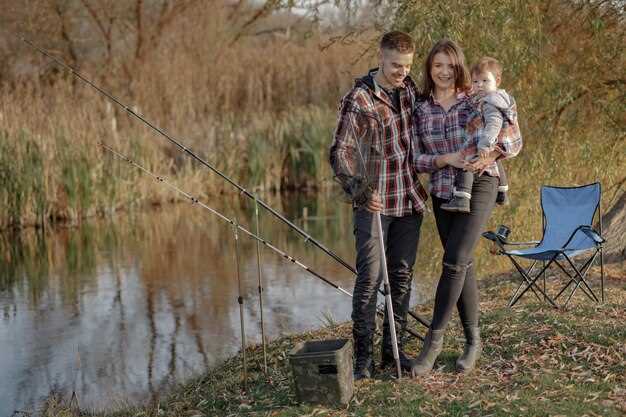 Fall Trout Fishing – 10 Essential Tips">

Begin with a larger streamer on a 3‑foot tippet and casting along fast seams where the water drops into pockets. This setup increases the chance of a decisive grab and keeps the fly in productive water longer. If you only have one rig, let the streamer do the work and add a small bait dropper behind it to probe undercut banks. These early moves set the pace for the day and often deliver the first aggressive takes.
These weather-driven shifts create a general blueprint: search for 2–4 ft depth runs and seams where the current accelerates; this depth range holds fish most actively as daylight dims. If you want to confirm structure, use sonar to verify depth and rock and gravel changes; watching for color shifts helps you spot feeding lanes, where they often lie. Cast upstream, mend to keep the streamer in the strike zone, and drop a light bait behind it to test for a follow.
Rods and lines: select a 9′–10′ rod in a 5‑ to 6‑weight range with a medium-fast action. Use a floating line with a short sink tip to keep distance at 6–9 ft, then switch to a slow‑sinking variant as water clears. Tie a 12–18 inch tippet after the leader and adjust knot choice to reduce tangles. When a fish shows interest, casting to the position and then stripping in time with the current yields the most consistent takes. They tend to follow for a moment, so vary your speed and direction to seal the grab.
Target location: outside margins where the current slows and the pocket begins. These zones often produce dropping water and a noticeable sonar return indicating depth and structure. Use a longer, deliberate pause after each strip to entice a hungry pull. If the cloud cover is strong, raise the fly’s silhouette and shorten the strip to keep within the strike zone.
Be mindful of pike in weed edges; they lie in ambush positions when prey is scarce. They can intercept streamer patterns; shorten your strip, switch to a heavier pattern, or move to a cleaner area. If you see a follow, switch to a brighter pattern or color to lure a bite.
Timing matters: bite windows cluster after dawn as water warms and again late in the afternoon. Hungry fish tend to hold in slower pockets and then move into faster runs when baitfish and insects shift. If conditions have been steady, you want to vary your presentation: a larger streamer for bold takes and a smaller, subtle option to probe. This approach helps you spend much less time guessing and yields more definitive follows.
Want reliable returns? Keep a compact log: water temperature, wind, observed runs and holds, and patterns that produced follows. This habit helps you spot what works most often and reduces wasted time on the water.
Fall Trout Fishing: 10 Tips and Fall Fishing Setups
1. Start with slower retrieves and a lighter leader when temperatures drop; focus on early morning and late-day windows, which are the only days with good bites.
2. In mountain streams and highland lakes, favor patterns that imitate natural forage and pellets near the bottom for better holds.
3. If you can sight activity, present a small imitation just ahead and lift with a confident, subtle sweep; seen fish bite more reliably.
4. Use a lighter tippet and a dropping weight plan to keep your pattern near cover without spooking fish.
5. Regulations vary by zone and season; verify daily limits and allowed gear before you head out, especially on days following summer closures.
6. For set ups, go with a longer, fine-tipped leader (4–6 lb) and a mid-weight line; adjusting gradually as water clarity changes yields the best results.
7. Pellets in the 1.5–2.0 mm range work well on slow pockets; pair with subtle imitations to improve stealth.
8. On late-season afternoons, sight lines improve when water is still and clear; switch to a lighter leader and a stealthy presentation to increase chances.
9. Mountain lakes demand deeper drops at peak hours; use a short leader above a dropper or a weight-forward line to cover that depth.
10. Maintain a concise log of days, temperatures, patterns, and outcomes; this article will help tailor setups for the next trip.
10 Practical Tips and Setups for Autumn Trout Fishing
1) Target the slow pockets just below riffles where the current pools; in october these zones yield action from active feeders. Use a streamer combo with a short sinking line and a tapered leader; watch for true takes as the fly reaches the seam.
2) First, downsizing your tippet and fly size in clear pockets improves hookups. Focus on a tight drift and a quick action; they often strike during a short pause.
3) Areas to scout include tailouts, seam lines behind eddies, and shade under alders and willows; anywhere shade or structure holds bait, october daylight shifts feeding windows, so time your casts with the sun arc.
4) Bait and streamer setups: try a true combo, with streamers on the point and a small nymph on a dropper. In october the surface and sub-surface work together, and many hits occur when the fly hovers near structure.
5) Color matters: go natural greens and browns in bright sun, switch to brighter bodies for dim mornings; change helps keep the target visible.
6) Leading angling gear: 9-11 ft rod, 4-6 wt line; mid-length leader; a short tippet; use either a sinking or sink-tip line depending on depth.
7) Cast technique: throw upstream to reach target lanes, keep line off the water, and use long, smooth arcs; the difference between a sloppy and clean drift is real. They respond better to a dead-stop mend.
8) Timing and conditions: in october mornings are calm and water is clearer; plan around light and temperature; active insects rise late, so tighten the schedule.
9) Pattern selection: use a barbel-pattern streamer on the point when water is stained or murky; downsizing to a micro-nymph on the dropper helps when currents run strong.
10) Review and adjust: track success across areas and days; many anglers note what works, then tweak combo, color, and throws; you should keep a simple log to capture the difference and improve results.
Choose fall-appropriate gear: rods, lines, and reels
Choose a 9-foot, medium-action rod paired with a 4–6 lb line and a smooth, dependable reel to tackle popular autumn spots. This baseline setup keeps longer casts accurate and reduces fatigue, making you willing to stay out as days shorten and water cools, and it makes catches more consistent.
- Rods: 9 ft, medium action; graphite blank for fast load and sensitivity; balanced grip to keep you steady through long angling sessions, which keeps accuracy when aiming at tight spots.
- Lines: Floating line with a 9–12 ft leader; 4–6 lb test; for deeper or dropping water, add a light sink-tip; downsizing line diameter helps identify bites and reduces missing takes; popular when fishing flies near structure; choose a setup that pairs well with your flies and allows you to move between spots.
- Reels: Lightweight, smooth drag; corrosion-resistant; capacity for 150–200 yards of 4–6 lb line; balance with the rod to keep wrists from tiring during longer days; a reliable drag makes hooking easier and boosts high catches.
What to watch: use a general approach to fall angling; when you see a bite, react quickly and move to nearby spots; if bites are missing, adjust tippet size or fly choice. Dropping flies into weed edges is a common trick that has been seen to trigger hooking, especially with bass and skimmers. Downshifting gear for winter transitions is worth it, and keeping a spare smaller setup can improve your overall success on days when conditions shift.
Identify productive water: temperature, depth, and holding spots
Target the coldest water you can reach in each pool and stay near the bottom where temperatures stay lowest. These choices come from scouting the depth and watching where oxygen-rich, cold water pools through the pool, often around 7–15°C (45–60°F).
Depth matters: most activity concentrates in the lower half of the water column when surface light warms; fish hold along the bottom or in 4–8 ft in narrow runs and 8–15 ft in wider sections. Look for depth breaks where the bottom drops or a seam forms; these lines concentrate fish and increase catch probability.
Holding spots: seek undercut banks, big rocks, woody debris, and weed edges. In bright light, fish retreat to shade and stay near the bottom line where current creates eddies. These spots usually yield the best catch when presented with a slow, tight line and subtle bugs. Among species, perch may occupy adjacent zones, but the cold pockets remain the best choice.
What to monitor: among the most reliable indicators are flow patterns; insects gather around light and shade, and a video guide shows how to identify these spots quickly. Adapt your approach based on results and be willing to move if the line stays quiet.
Repeat the scouting across pools; come back to spots where the water stays cold and structure holds; increase confidence by sampling several lines and varying weight and speed. Most success arises from sticking to these zones and adapting to the day’s light and bugs.
Match baits and lures to autumn forage
Identify these autumn forage types in your areas and tailor baits to imitate them through the season when water cools and bites slow.
In autumn, nymphs dominate the menu; identify which species are most active in your waters and adjust size and pattern accordingly. For patchy visibility, use brown-toned patterns that blend with the riverbed; if the current carries stained water, a brighter abdomen can spark reaction strikes. Consider a nymph or leech pattern that sits tight to the bottom to mimic the real fare.
Groundbait pulls fish into the strike zone, especially around structure and eddies. Use a light, low-visibility mix that releases gradually, and keep it in calm areas to avoid spooking fish. Live дополнительные варианты могут дополнить, но многие рыболовы полагаются на компактные, более мягкие способы подачи в холодной воде; с помощью выверенных забросов вы обеспечиваете, чтобы приманка бежала рядом с укрытием, и медленным ведением она вознаграждается.
Стримеры покрывают глубину и скорость; пропускайте их через швы и вдоль застругов, чередуя быстрые проводки с паузами, чтобы спровоцировать броски рыбы с коричневым узором и других areas. Если вода прозрачная, придерживайтесь небольших, нежных узоров; если вода мутная, используйте более смелые акценты белого или хаки.
Используйте сонар, чтобы определить глубину и структуру, и корректируйте свой подход для каждого места; изучите руководство по русловым зонам реки и выбирайте места, где течение сужается и скапливается рыба. Удобная оснастка и острые крючки имеют решающее значение; пока вы не почувствуете поклевки, старайтесь сохранять тишину и закидывайте леску сверху по течению, чтобы свести к минимуму дрейф. Эта статья призвана помочь вам пройти через сезон с помощью кратких и практических шагов.
Улучшение подачи: скрытность, заброс и подтягивание в прозрачной воде
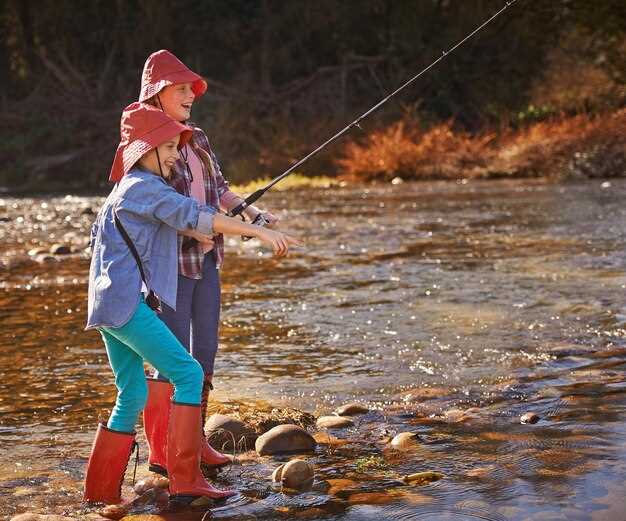
Начните с незаметной стойки и короткой, точной проводки. Держите тень низкой и леску под бликом воды; в октябре температура падает, и рыба становится более скрытной в очень прозрачной воде, поэтому сведите к минимуму брызги.
Выбор более легкого лидера и простой комбинации нимф снижает сопротивление и заметность. Используйте поводь эквивалентной прочности 4–6 фунтов для более длинных забросов, а затем переключитесь на 6X, когда есть подозрение на поклевку в узких перемычках. То, что делают эти корректировки, — поддерживают естественную презентацию, заставляя рыбу подходить ближе без испуга, что имеет решающее значение, когда рыба держится крепко за укрытия.
Когда вы забрасываете удочку, целитесь в края, где течение замедляется и распределяет медленное, естественное движение. Избегайте громких, ложных забросов в открытой воде; вместо этого выполняйте два компактных заброса, которые поместят муху прямо над зоной поклевок. В очень чистой воде лучше делать акцент на точность, а не на дальность, поскольку леска сама по себе может выдать ваше присутствие задолго до того, как муха достигнет цели.
Извлечения должны быть обдуманными и контролируемыми. Очень медленные, методичные действия лучше всего работают в поздние сезоны, особенно когда температурные градиенты сужают активную зону. Делайте паузу после каждого дюйма дрейфа, чтобы мушка стала естественным продолжением течения; эти паузы — ваши сигналы для рыбы. Если вы видите изменения скорости впереди, вы можете немного изменить скорость, но оставайтесь в пределах узкого диапазона, чтобы профиль оставался убедительным для большинства находящихся поблизости рыб.
Типы узоров, которые остаются эффективными, включают в себя мелких нимф и узоры, напоминающие зерна, связанные на легком крючке. Тонкий выбор цвета — землистые зеленые, бежевые и приглушенные оливковые — часто превосходит яркие тона в чистой воде. Когда вы замечаете поклевки басса или щуки поблизости, вернитесь к более компактной, менее агрессивной подаче; цель состоит в том, чтобы имитировать медленно движущуюся, маленькую нимфу, которая соответствует тому, что эти рыбы естественно исследуют в течении.
Экспертные рекомендации подчеркивают необходимость постоянной проверки оснастки (лески), глубины и дрейфа. Если потолок водного столба остается неизменным, оттачивайте технику с помощью постепенных изменений, а не масштабных переделок. Изменения температуры подтверждают это: если вода слегка нагревается, сократите время зависания и укоротите дрейф, чтобы мушка находилась в оптимальном слое, а если она остывает, немного увеличьте дрейф и адаптируйтесь к более медленному темпу.
| Aspect | What to do | Примечания |
| Позиция скрытности | Держитесь ближе к земле, сводите к минимуму движения тела, убирайте ноги под укрытие; забрасывайте леску к крайним зацепам. | Чистая вода усиливает блики; тени быстро выдают присутствие. |
| Подход к кастингу | Короткие, точные забросы; цели́тесь немного выше вероятного места нахождения рыбы; избегайте широких, шумных ложных забросов. | Точность важнее расстояния в медленно движущихся зонах. |
| Лидер и типпет | более легкое сочетание: эквивалент 4–6 фунтов с наконечником 6X для нимф | Снижает видимость; регулярно проверяйте состояние узлов. |
| Извлекает | Очень медленные, короткие вытягивания с спокойными паузами; ритм остановки и движения. | Позвольте мухе плыть по течению; эти моменты вызывают укусы. |