


 Русский
  English (UK)
  العربية
  日本語
日本語  한국어
한국어  Magyar
  Türkçe
  Español
  Čeština
  Svenska
  Português
  Ελληνικά
  Suomi
Suomi  Nederlands
  Română
  Italiano
  Français
  Polski
  Українська
  Deutsch
  简体中文
简体中文  Slovenčina
  Cold Weather Boating Safety – Essential Winter Tips for Safe Water">

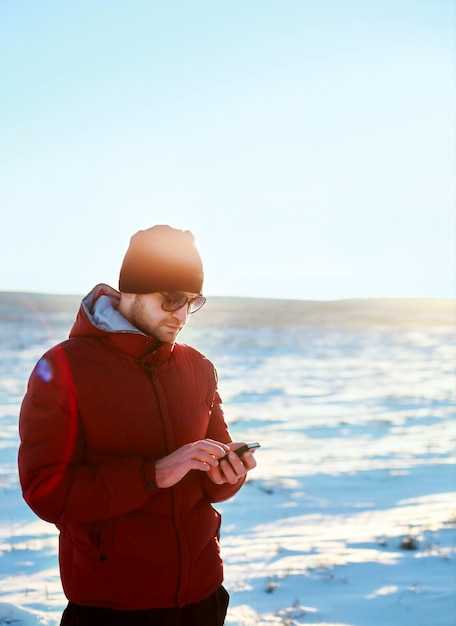
Test ice thickness before any move and take stops if you detect a patch of thin ice that looks dangerous. In icy conditions, your decisions impact outcomes; if thickness reads under 4 inches or the surface shows patchy zones, youll delay departure and re-evaluate route based on environment and visible signals.
Dress in layered, moisture-wicking fabrics and maintain a solid posture to support muscle groups under cold strain; youre judgment can be dulled by alcohol, which also increase hypothermia risk; avoid it when prepping or operating near icy surfaces. Prolonged exposure can elevate fatigue in the muscle and reduce dexterity in handling lines and gear.
Coordinate with other operators to avoid congested zones on icy waters; maintain a high level of attention to shifting ice and wind; keep clear of anglers, persons engaged in fishing on the ice or from nearby banks, who may trigger unstable patch patterns; avoid loads that exceed recommended limits; never rely on alcohol to cope with cold; ensure PFDs are worn; protect fish and fish habitat by avoiding unnecessary movement near the shore; maintain a stable posture to reduce risk of slips; monitor the stages of hypothermia and respond quickly; if someone is immersed, follow rescue protocols and call help immediately.
Plan a staged progression across icy waters: pre-departure checks, defined rest stops, and conservative loads that respect long-term exposure limits. Maintain a dedicated watch and empower a team of operators to coordinate hands-on tasks; keep a patch of dry clothing ready and ensure flotation devices remain accessible. In fishing zones, give others attention to persons on foot or ice; if a crew member becomes immersed, execute rescue with calm, rapid action and call emergency services.
Cold Weather Boating Safety Plan
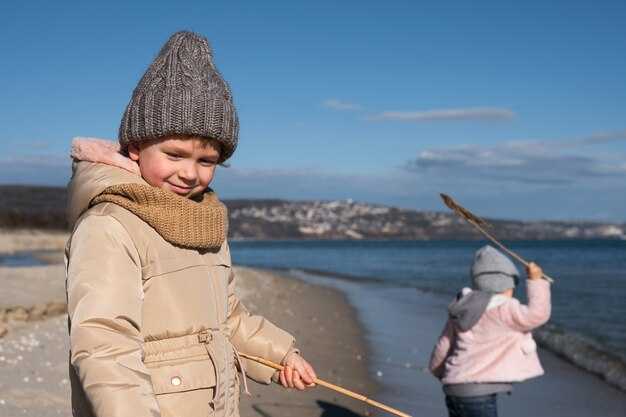
Take a written survival plan and practice it; designate a captain and a nearby contact, and review the course on shore. The plan uses the minimum gear list, clear signals, and a terms sheet that stays current with conditions. Train crew to respond in phases: alert, assemble, and execute.
Minimum gear: insulating layers, a waterproof shell, a life vest worn at all times, a thermal blanket, a compact VHF or cell with emergency numbers, a waterproof flashlight, spare batteries, a throw rope, and a dry bag with heat packs. Keep the equipment stowed in a dry, accessible spot and test it each day you head out, especially before a long run. Treat the kit like a readiness check before every outing.
On the liquid surface, keep speed modest and tilt steady to avoid abrupt shifts. Stay within sheltered channels when exposed to chop; maintain distance from the edge and avoid overreaching. Wear non-slip boots and use blue markers to guide navigation; monitor wind shifts, surface friction, and ice formation; adjust speed gradually to preserve balance; in the three-phase response to cold exposure, breathing loses rhythm and mobility loses control. A sudden drop in ambient temperature increases risk.
In the event of immersion, prioritize breathing and orientation. If pulled from the hull, remove wet layers quickly and replace with waterproof garments; use a thermal blanket to reduce heat loss and seek warmth. Communicate with crew or rescuers; describe location and conditions. The three-phase response to cold exposure is caused by heat loss and includes shivering, stiffness in the limbs, and altered breathing; if exposure becomes prolonged, keep joints moving to avoid stiffening. Avoid abrupt movements and protect exposed skin. This information helps responders reach you faster and improves your chances of a successful rescue.
After action, document the sequence: what helped, what failed, and what could become more robust. Update the information sheet, refresh the minimum gear, and schedule a follow-up drill ahead of the next season. Debrief with the crew, emphasizing breathing control, rapid shelter, and proper layering. The plan should be practiced like routine drills to build automatic responses and reduce risk in any unlikely event.
Cold Weather Boating Safety: Practical Winter Tips for Safe Water
Put on a USCG‑approved life vest immediately and keep it fastened; add a quick-dry layer, socks, and a whistle. This increased personal buoyancy improves chances during a fall and helps members stay within reach.
Equip a throw rope, a dry bag with extra gloves, and a compact flotation device within arm’s reach. In cases of a fall, contact with liquid at low temperature can lead to rapid cooling; immersion risk occurs even during a calm drift; body response may include breathing changes and core organs cooling, so that you pull the person back and maintain back contact with the craft.
Before departure, consult reliable information like forecasts from a coast-guard service and map a route that keeps you within sight of shore; maintain a moderate pace, avoid sudden maneuvers, and minimize load to reduce slipping chances.
In all conditions, practice an escape plan. If someone falls away, you should move back toward the vessel, extend a ladder or use a retrieval rope, and maintain contact with the hull while pulling them aboard. Rehearse during calm sessions to shorten rescue time in cases of prolonged exposure.
Anglers should store gear in a dry bag; fish handling requires dry hands, preserves grip, and reduces exposure time. When fishing, stay aware of the hull’s edge and keep a balanced stance so that knees stay flexible and breathing stays steady, that helps you maintain control during a turn or wave action.
In immersion events, monitor stages of cooling: rapid shivering can give way to lethargy; the person may drift and remain floating, with breathing becoming irregular and core organs cooling. Cardiac risk rises, so return the person to a dry surface, keep the head above liquid, and seek medical support promptly if symptoms persist or worsen; communicating the incident with information about time in the liquid improves the response.
Gear and Layering: Stay Warm, Dry, and Visible
Begin with a three-layer system: a moisture-wicking base, a warm mid-layer, and a windproof outer shell. This setup helps cover chest and core while reducing heat loss aboard in gusty, colder winds.
Базовый слой fabric should wick moisture, dry quickly, and stay close to skin during activity; avoid cotton when damp, as it loses insulation.
Mid-layer options include fleece, wool, or synthetic knit; they trap warmth without bulk, supporting their comfort across multiple layers. They adapt to changing activity while remaining breathable to prevent moisture buildup.
Внешний корпус should be storm-ready, seam-sealed, and wind resistant; bright colors or reflective panels improve visibility aboard. In varied experiences, this outer layer protects where you move through different situations.
Fit matters: choose fabrics that stretch and move with you, supporting posture during maneuvers. Take care to adjust layers as effort increases.
Leg coverage comes from insulated pants and gaiters that keep spray out of boots; ensure knee and hip mobility remains easy.
Protect hands and head with insulated gloves and a hat or balaclava; a neck gaiter helps prevent exposed skin.
Towels tucked in pockets support rapid drying after spray hits exposed skin and help maintain warmth. Create a compact, dry bag to store extra base layers when they’re not in use.
Visibility strategy includes high-visibility outer pieces, reflective strips, and a bright PFD with retro-reflective panels; keep signaling devices accessible.
Layer management occurs in three stages: phase one keeps you comfortable; phase two adds insulation when wind picks up; phase three sheds layers during long stops.
Long-term protection rests on maintaining core warmth, avoiding prolonged exposure, which could lead to fatigue and cardiac strain, and improve overall endurance. At least, these measures create dependable baseline protection.
youre ready when you can perform tasks aboard with dry towels close at hand, your pants secure, and your chest covered during spray.
In emergencies, when someone is rescued, gear stays secure and hands stay free to assist.
Hypothermia Recognition and Immediate Care
First, call emergency services and move the person to dry, insulated shelter while you begin warm, gentle care.
Remove wet clothing and replace with dry, warm layers, including a jersey and a hat; keep the torso and back covered to improve core temperatures. Additional warmth helps stabilize the core while you assess. If another person is within reach, work together to manage the scene and increase the chance of a positive outcome. Stay with the person, monitor breathing, and avoid rough handling.
whats signs indicate a hypothermia encounter? Recognize stages and act quickly:
- Stage 1 (mild): shivering often, temperatures may stay near normal; the person is typically alert and can move with purpose; breathing is rapid, and there is responsiveness to surroundings.
- Stage 2 (moderate): shivering persists, though heat sense may drop; numbness in extremities, clumsiness, confusion, and slowed reaction; exposure to frigid waters accelerates decline and there is impaired coordination.
- Stage 3 (severe): shivering may stop; consciousness diminishes; breathing becomes slow or irregular; skin may be pale or bluish; there is a debilitating risk of fatal outcome there, especially if submerged or near open waters.
Immediate care steps (in order):
- Move to dry shelter and remove wet clothing; replace with dry insulating layers; cover the head and neck; use blankets or a sleeping bag to improve core warmth; keep the back supported and avoid abrupt movements; if possible, call for assistance to reach you.
- Check breathing and responsiveness: if not breathing normally, begin CPR; if breathing, place in recovery position and stay with the person; observe for reaction changes, there may be delayed responses after submerged exposure.
- Offer warm fluids if the person is conscious and able to swallow; avoid alcohol; do not give large amounts at once; continue warming gradually until EMS arrives.
- Do not rub or massage the extremities; warming should progress from the trunk outward (core first); avoid applying direct heat to damp skin to prevent tissue damage.
- Plan transport to medical care and monitor temperature changes during movement; there is a risk of rapid deterioration in gusty winds or when open waters surround you; together with crew, maintain warmth and watch breathing until professional help arrives.
Preventing Cold Water Immersion: Safe Boarding and Exit Techniques
Wear a properly fitted PFD and maintain three-point contact during boarding to minimize immersion risk.
- Fabrics and gear: use snug fabrics that stay in place; jersey materials help grip and reduce snag risk, while loose sleeves or scarves should be avoided so they aren’t taken by wind or movement.
- Pre‑entry checks: voluntary checks of rails, non‑slip surfaces, and lines improve grip; carry a throw line in a dry pouch and keep it within reach, ready to be pulled if needed.
- Breathing and awareness: while approaching, stay calm, breathe steadily, and monitor your respiratory rhythm to prevent lost balance or panic during the transfer.
- Approach and grip: face the vessel, place both hands on rails, and settle into a low stance with knees slightly bent; keep your breathing slow and controlled to reduce abrupt shifts in weight.
- Transfer through stages: move through stages gradually, keeping the body compact and close to the deck; if you sense instability, pause, and resume only when balance is restored.
- Lowering onto the deck: slowly shift weight onto the safer side, avoid twisting, and ensure the torso stays upright to protect the chest and vital organs; those around you should provide assist as needed.
- Leaving the edge: once all contact points are secure, straighten posture in controlled steps and step away from the rail; if you are pulled, use the momentum to free limbs and return to a firm stance.
In adverse terms, abrupt movements can cause falls and increase danger; most incidents show that remaining calm, keeping high grip, and using the line keeps the risk lower and improves overall response.
Post‑boarding note: practice these steps in a dry setting to reduce risk when you’re on the liquid surface; even small adjustments can make a greater difference in terms of balance and response time, helping to protect breathing and respiratory function while safeguarding exposed joints and organs.
Key reminders: keep fabrics tight, carry essential gear, stay alert, and focus on slow, gradual actions until you have achieved a secure position; those who train regularly tend to have a higher level of control and confidence during transitions, which translates into safer, more confident handling on deck and during exit.
Emergency Procedures for Capsize or Immersion
Wear a PFD immediately and stay with their vessel; keep breathing steady as you orient to the environment and current conditions aboard.
Adopt a compact stance to minimize heat loss: bring knees to chest, tuck chin, keep face clear of waves, and maintain calm breathing to reduce energy drain; this stance helps conserve heat.
Signal clearly while staying with the structure: use a whistle, shout, and light if available to create attention; together with their crew aboard, you increase odds of prompt assistance, which reduces exposure time.
If immersion continues, control breathing to prevent hyperventilation; take slow, nasal inhales and long exhales, and rotate the torso to keep your airway open even in mild conditions and wind against you over colder waters.
First, maintain temperature by donning dry layers when possible; avoid removing all clothing until you reach shelter; information from authorities or their published guides notes cues from the wind and wave patterns that predict recovery time; источник information stresses rapid response in an encounter.
When you regain contact with the craft or shore, dress quickly in dry garments, then move to a sheltered area; keep joints flexible, especially knees and hips, to facilitate later reboarding and movement together with responders aboard.
Practice drills during the mild season to build experiences; better preparation comes from repeated encounters with real conditions, which takes their safety culture to a greater level of preparedness.
Local Updates: Caldwells Patch Alerts and Weather Watch for Boaters
Always act on the latest Caldwells Patch alerts; when hazardous conditions occur, shorten outings, tighten lines, and prepare a dry-change kit with high-visibility jackets within chest reach of the helm. Keep a thermometer on deck and monitor it closely; if it drops, pull back toward sheltered bays.
Patch updates show gusts up to 25 mph, building seas, and air readings slipping toward the low end of the cool-season range. Steps include checking internal systems, securing loose items, and ensuring chest-level jackets stay ready. If consciousness wavers or judgment falters, reduce speed and seek secure anchorage; many crews report better outcomes when pace is reduced during early change of the phase. ull appreciate the calm when lines stay secure; if a line is pulled tight, ease it and re-secure to prevent gear from snapping.
During each phase, critical actions need solid coordination: verify flotation equipment, keep a floating person in sight, and maintain clear lines. If a crew member experiences dizziness or a drop in consciousness, pull to the safest side, and call emergency services and move to a sheltered spot. After a quick pause, assess effects on consciousness and posture; together these steps raise survival odds in hazardous sequences. Crew members with a cardiac class designation should limit rapid movements and maintain a steady pace.
| Phase | Опасности | Действия | Примечания |
|---|---|---|---|
| Phase A – Initial change | Gusts, slick decks, reduced visibility | Надевают куртки; закрепляют тросы; контролируют термометр; направляются в укрытие. | наименее рискованный вариант — сократить продолжительность поездки |
| Фаза B – Повышенный риск | Неспокойное море, нестабильная поверхность | Снизить скорость; соблюдать дистанцию в две длины лодки; закрепить незакреплённые предметы. | следить; оповещения экипажа каждые 5 минут |
| Фаза C – Стабилизация | Ветер стихает, условия улучшаются | Перепроверьте ПДФ; чередуйте задачи; увлажняйтесь и отдыхайте по возможности. | prepare exit plan |