


 Русский
  English (UK)
  العربية
  日本語
日本語  한국어
한국어  Magyar
  Türkçe
  Español
  Čeština
  Svenska
  Português
  Ελληνικά
  Suomi
Suomi  Nederlands
  Română
  Italiano
  Français
  Polski
  Українська
  Deutsch
  简体中文
简体中文  Slovenčina

Choose a fixed docking window and secure catering from a nearby eatery; align activities to a tight timetable, with those boarding at 16:00 and a sunset close to 19:00 to maximize photo moments.
Layout hinges on four features: shaded seating, sturdy tables, a compact sound system, and safe storage for drinks. bring spares: life jackets and a basic first-aid kit; the foundation is safety guidelines posted on board and reinforced by crew.
Document the plan in a journal named for the gathering; segment the flow into fragments: welcome, live performances or a championship highlight clip, a quick snack, and a final toast. Map programs to times and, if needed, choose three options for entertainment.
Coordinate transport: an uber pickup point at a nearby marina, with clear directions and signage. Provide guests with a simple checklist: bring IDs, sunscreen, a light jacket, and any preferred beverages within safety limits. Track those arriving at the dock times to adjust seating and safety coverage.
Food strategy leans on a named eatery nearby; offer a compact range of bite-size options that can be served on tables, minimizing waste. Plan a grame of bite-size courses to align with the timetable, so those moments feel deliberate rather than rushed.
Weather contingency strengthens the day: shade structures, a rain-ready plan, and a quick switch if seas show resistance. Record lessons in the journal after each run so the foundation strengthens upcoming events, and update programs accordingly.
Planning a BYOB Party Pontoon: A Step-by-Step Guide for the Ultimate Boat Party
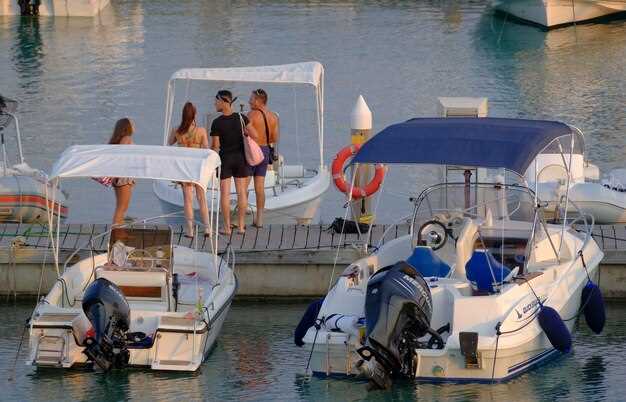
Recommendation: appoint captain, maintain a journal, adopt motto, maximize guest experience while prioritizing safety aboard.
- Define scope, guest count, and budget
- Adults only; target 8–18 individuals; confirm RSVP in journal; allocate funds for ice, snacks, fuel, waste bags, safety gear.
- Choose vessel and route
- Selected options include shaded seating, rear deck, dry storage, portable speaker; verify rental terms; coordinate with harbor authorities such as hamilton harbor office; confirm where to dock and where to stop for swimming; plan 4-hours itinerary; ensure rental terms are valid for year.
- Safety and compliance
- One life vest per guest; throwable device; first aid kit; weather contingency; assign heads-of-safety pair; set maximum wind limit; keep a simple log of checks for later journal notes.
- Menu and beverages strategy
- Bring-your-own beverages policy; label containers; provide non-alcoholic options; pack ice in multiple coolers; store food in water-proof containers; avoid heavy dishes on moving deck; include native snacks and some traditional favorites; note origin of ingredients; plan for sufficient options.
- Attire and mood
- Casual outdoor wear; bikinis permitted at swim stops; theme ideas: knight motif, casino-night vibe; outfits should prioritize safety and comfort; like bright colors for visibility; set a simple dress code.
- Itinerary and schedule
- Plan a 4-hours window; sequence: depart dock, calm cruise, swim stop, sunset moment; include short games; assign captain to narrate moments and update journal during rests.
- Food origin and options
- Offer selected finger foods: fruit, cheese, wraps, veggie cups; ensure allergen notes; prepare ahead at house; carry in insulated bags; consider traditional favorites; adjust for dietary needs of adults; emphasize options with clear origin labeling.
- Roles, logistics, and checklists
- Distribute duties: captain oversees navigation; crew heads manage food & drink; sett stations keep process smooth; coordinate with Uber for return; maintain radio checks and log decisions in journal.
- Contingency plan
- Monitor forecast; if wind or seas rise beyond limit, retreat to marina shelter or house nearby; keep updated with local advisories; maintain emergency contact log; ensure a quick rendezvous point for all crew.
Choose the Right Pontoon and Seating for Your Guest Count

Begin by counting guests; align seating with five, seven, or twelve attendees, ensuring safe traffic during hours of use.
Selected pieces include curved benches, swivel stools, and low lounges; seating options taken from modular designs, placed between clusters for conversation, near views overlooking river scenery.
To capture best social dynamics, group members into small teams across zones: main lounge, sunset overlook, dining fragments, game corner, quiet alcove. This layout will scale from intimate to larger crews.
For annual celebrations such as a bachelorette weekend or championship get-togethers, segment crowd into five zones: casual chats, dining fragments, games near a center, sunset overlooks.
Theme hints: tartan cushions add color near rails; river imagery links waterways realms, with haplotype-inspired color blocks guiding zones; lighting sets mood without glare.
Guest preferences described during booking guide layout; individual needs related to seating are provided. Provided maps show seat lines and which members belong to each cluster; nothing remains ambiguous.
Operational note: assign two crew to assist arrivals from hotels, monitor turnover, and swap layouts as needs ever shift.
Establish BYOB Guidelines and Onboard Safety Protocols
Set a strict cap of two drink-equivalents per guest, enforce a 2-hours service window, and require arrive in staggered slots to limit crowding and intoxication risk.
Onboard, appoint a sober captain, ensure life jackets for everyone, capacity mapped against official limits, and deliver a live safety briefing before departure to represent safety values.
Use spill-proof cups; prohibit glass on walkways; store bottles securely; provide non-alcoholic options, including water stations, and offer an alternative beverage line for guests seeking lighter choices.
Distribute a compact page and a publication available for download, containing safety steps, mapped emergency routes, and roles for crew, such as Chen acting as liaison for bride and guests.
Consider an astronomy-based backdrop paired with an original motto; display crests from a local eatery network; for guests arriving from scotland, include a genealogical map on page 2 describing routes taken by ancestors, as described in a public publication; note that alignment isn’t coincidence but a deliberate design; after voyage, thank guests with a publication available for download on a dedicated page; allocate back area for gear, including Chen’s insignia and bride’s keepsakes, and ensure all safety checks were taken before departure; include guidance about from where to retrieve an alternative plan during adverse weather.
Plan a Simple, Boat-Friendly Itinerary with Signals and Timings
Set 3-hour loop that keeps energy high and timing crisp. Start at a marina overlooking a calm inlet, captains align signals using horn, flag, and hand gestures. This innovative approach lets guests track progress without fuss.
Timeline to follow: 0-15 minutes onboarding, safety checks, and quick cue naming. 15-45 minutes cruise to sheltered cove for soaking, sun, and light swims. 45-90 minutes continue along scenic shore, overlooks for passing scenery, and a brief coffee or refreshment stop behind sheltering pines.
90-120 minutes return to dock, disembark, quick debrief, then optional rides ashore via lyft. This american itinerary suits clann groups and families, keeping pace comfortable while offering flexible breaks.
Signal stations named as heraldry markers: annette for anchor, costigan for coastward turn, dairsie for dive-ready pause; spelling of these labels should match on boards to keep body language consistent. publication suggests clarity, with icons overlooking shore to aid captains.
To reinforce identity, name each moment briefly: little pause for rest, behind scene for a private moment. These cues commonly used by american crews help guests stay engaged without music. Suggest holding a quick cadence and avoiding over-reading signals; captains hold position when weather shifts.
Behind every dairsie pause, an option to soak feet or soak in sun; 3-hour plan suggests calm rhythm for guests who value downtime. If needed, announce a location change on alert to prevent confusion. Costigan station can switch to coastward slant-turn if wind shifts; crew holds course until signal changes.
Check Local Regulations, Permits, and Insurance Requirements
Verify permit requirements, insurance obligations, and docking rules before any voyage.
Contact municipal authorities, marina management, or harbor master to confirm which permits apply, minimum liability limits, whether marina entry requires additional insured status, and any season-specific constraints for vessel access.
Secure a general liability policy naming marina as additional insured where required, and obtain proof of coverage from insurer.
If beach or park access used, check park service permits as well.
Liquor-related policies vary by jurisdiction; obtain liquor liability coverage if alcohol will be provided onboard; some locales require a special event permit for on-deck service or consumption.
If permit is denied for entire duration, plan alternative arrangements such as pre-arranged private experiences on adjacent docks or shore-side brunch events.
Document requirements include vessel registration or ID, safety inspection report, crew roster, guest count per leg, and proof of insurance.
Maintain an appendix with model documents; provided this, approvals move faster across multiple jurisdictions.
Regulatory period changes shift requirements; staying updated matters.
| Aspect | Typical Requirement | Примечания |
| Permits | Entry permit, harbor authorization, or special events permit | Single permit may suffice for multiple legs; some regions need separate permits for each stop |
| Страхование | General liability; liquor liability if alcohol is provided | Amounts vary; marina often requires additional insured |
| Alcohol Rules | On-deck consumption restrictions; glass policy; service zones | Check for event permitting; penalties possible |
| Safety | Vessel ID, safety equipment list, crew roster | Inspection certificate may be needed |
| Documentation | Vessel docs, proof of insurance, crew list | Keep copies handy; digital versions help during inspections |
Costigan example shows 2-hour window limits; note that single permits may cover all legs or that multiple permits might be needed depending on jurisdiction.
Genealogy of permit practice across centuries reveals shifts in thresholds; this mythos informs current compliance expectations.
Green operations matter: waste disposal plan, absorbent mats for soaking spills, fuel management, and noise controls protect neighbors and wildlife. Idea behind this approach is simplicity and safety.
Plan includes heads of crew, individual assignments for each role, and a stage schedule; confirm responsibilities during boarding, cruise, and disembarkation. Keep a pocket book with contact numbers for authorities. This will minimize delays and provide clarity for each individual during cruise operations.
Celestial hours and scotch moments aside, respect local curfews and signage; adjust landing points to avoid congestion and penalties during settling periods.
This framework reduces friction; failing to plan can derail weekend cruise; keep contact lists updated; store digital copies; consult appendix for guidelines; this will save time.
Pack a Practical Onboard Checklist: Supplies, Trash Management, Safety Gear
Start with a labeled waterproof tote divided into three sections: essentials, waste, and safety gear. This simple approach keeps nothing extraneous and speeds quick checks on deck.
- Supplies
- Hydration: plan 2 liters of drinking water per person, plus 1 extra bottle per four guests; store in insulated bottles.
- Provisions: include non-perishables such as energy bars, trail mix, and frybread bites; keep them in a small cooler to prevent heat exposure; use tartan blankets for seating and tribal-style labels to identify family groups.
- Tableware: compostable plates, bowls, cups; napkins; 1 roll of paper towels per four guests; trash bags in two sizes (13-gallon for general waste, 4-gallon for small items); nothing unnecessary on deck.
- Papers: waterproof pouch with vessel documentation, licenses, harbor permits; completely up-to-date with date codes; include a minimal genealogies/genealogy note for family sharing.
- Hygiene and comfort: sunscreen, lip balm, wet wipes, hand sanitizer; lightweight blankets or little throws for outdoor seating; portable LED lanterns for dusk.
- Entertainment and gear: compact fife (optional); diving masks, snorkels, fins; spare mouthpieces; a small waterproof speaker; curious crew can enjoy a short heritage playlist while cruising.
- Alcohol coordination: if permitted, keep scotch in sealed flasks and enforce responsible consumption; designate a sober captain and never serve alcohol to minors.
- Documentation for guests: include genealogical notes such as genealogies and genealogy trivia to share stories; keep which family members are aboard clearly labeled.
- Cost control and efficiency: pre-package servings to minimize spend; aim for excellence in portioning; use uber-compact packaging to reduce clutter.
- Trash Management
- Sorting: blue bags for recyclables, black for trash, green for compost; label bins clearly and use dating labels to track disposal times.
- Storage: seal bags tightly, store in a dry cooler to prevent leaks; completely close containers before stowing.
- Disposal plan: offload at marina or designated shore facility; check local rules; conduct a quick survey after disposal to capture lessons for the next trip.
- Record-keeping: maintain a simple list of waste quantities and types; include a mcbref tag in the marina app for reference.
- Safety Gear
- Personal flotation: one PFD per person, sized and labeled; ensure extra adult and child sizes; include a throwable device such as a cushion or ring buoy.
- Communication: waterproof VHF or a fully charged mobile in a waterproof case; whistle on every PFD.
- Visibility and first aid: waterproof flashlight with spare batteries; signaling horn or flare kit; well-stocked first-aid kit with basic supplies.
- Navigation and tools: spare anchor line, high-quality rope, knife, bilge pump; keep gear in a dry bag.
- Sun and weather protection: sunscreen, hats, light jackets, insect repellent; extra towels for drying after any spill or rescue.
- Drills and documentation: print a brief emergency plan; include a dating section for routes or muster points and a small program to practice drills.
- Notes: keep a compact safety binder with a mcbref tag for quick reference; after each outing, run an analysis to identify improvements and update the general checklist for the next run.