


 Русский
  English (UK)
  العربية
  日本語
日本語  한국어
한국어  Magyar
  Türkçe
  Español
  Čeština
  Svenska
  Português
  Ελληνικά
  Suomi
Suomi  Nederlands
  Română
  Italiano
  Français
  Polski
  Українська
  Deutsch
  简体中文
简体中文  Slovenčina
 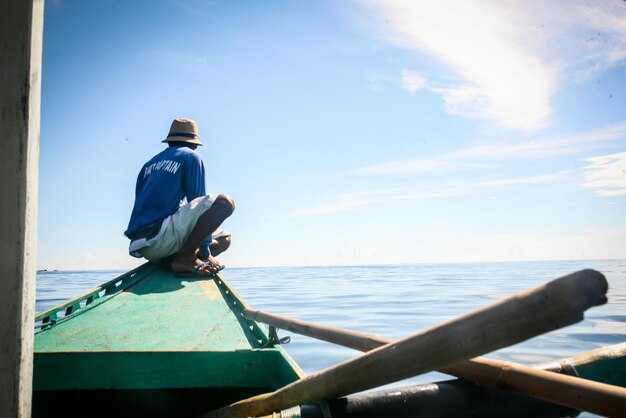 Boating Tips for a Safe Labor Day Weekend">

Recommendation: Wearing approved life jackets on every outing dramatically lowers drowning risk. Local policies often require children to wear PFDs at all times; verify each passenger’s size before launch and keep gear within easy reach. Check vessel capacity and keep extras accessible to prevent forgetting anyone.
distractions compound risk in crowded shorelines. Keep devices stowed, designate a dedicated lookout, and maintain navigation focus. These routines help avoid accidents as boats converge along the lake, especially when traffic behind you increases.
Know the lake’s depth, currents, wind shifts, and shoreline hazards before traveling. These experiences matter, especially when students from nearby campuses join the crew. Each trip includes a simple float plan naming a return time and an on-shore contact; share it with someone trusted.
On crowded days, keep a generous following distance behind other craft; maintain moderate speed near shoreline; pass on the right with a wide wake. Children need extra caution: life jackets on all minors, constant supervision, and no riding on the bow unless seated and strapped in.
Chuck, a veteran skipper, emphasizes pre-launch checks as the backbone of reliability. He repeats these steps: verify signaling device works, test battery-powered flashers, have a fire extinguisher, anchor, and a written float plan. Traveling with a composed crew reduces risk and yields smoother experiences on the lake. Additionally, chuck notes that routine checks matter because they catch issues before departure.
Weather updates, wind gusts, and crowded channels change rapidly; keep a portable VHF radio onboard, monitor shifting forecasts, and avoid sailing when storms threaten. The aim is to limit potential incidents and protect everyone onboard, including younger riders who may be more sensitive to movement and noise on deck.
Pre-Launch Safety and Equipment Check
Secure the kill switch to your person, run a quick engine test, and verify bilge pump, horn, navigation lights, and battery status before departure.
- Life jackets: Confirm every guest has a properly sized, USCG-approved PFD; inspect flotation, buckles, and straps; ensure a spare throw-able device is accessible; donts: store gear in inaccessible compartments.
- Fire safety: Check a type B:C extinguisher, gauge in green, current with expiration date, and mount within reach near the helm; replace if damaged or past date.
- Hull, deck, and rails: Look for cracks, loose fittings, and corrosion behind trim; test mooring lines for fray and replace immediately if worn.
- Electrical system and fuel: Verify battery is secure, terminals clean, no corrosion; test the bilge pump with a dry run; inspect fuel lines, vents, and caps to prevent leaks.
- Controls and safety gear: Test engine kill lanyard; confirm throttle and steering respond; ensure all life-saving gear is readily accessible and in good condition.
- Navigation and signaling: Test navigation lights, horn, and VHF radio; keep spare batteries; confirm channel 16 readiness; store a hand-held signal device within reach.
- Documentation and compliance: Confirm vessel registration and certification are current; review local laws and state requirements; keep copies onboard; use boat-ed resources when verifying rules.
- Capacity and crew roles: Verify the maximum load matches the current crew and equipment; designate a lead navigator; keep a simple plan accessible in case of cramp or confusion.
- Weather and situational awareness: Check latest warnings affecting the west coast and coastal communities; avoid crossings in deteriorating conditions; have a plan to reach protected harbors if needed.
- Logistics and arrangements: If another person will operate the vessel, confirm credentials and references with the captain; consider boatsetter options only from trusted sources; confirm right of way rules and local practices with crew.
- Gear and organization: Store safety items behind closed compartments when not used; ensure enough space to move safely; keep behind rail lines clear of entangling gear.
- Flare and emergency gear: Verify expiration on flares; keep a signaling device at hand; store with clear access to all crew.
- CO and ventilation (cabin boats): Check detectors and ventilation paths; test alarms; replace batteries as needed.
- Final note: These measures save time, protect vessels, and align with local laws across west states and coastal communities; rely on boat-ed and boatsetter resources to verify certification, confirm the right-of-way rules, and reduce any compromise to crew safety.
Secure Gear and Passengers to Prevent Shifts
Before you operate the cruiser, fasten loose items with marine straps and ensure every person wears a PFD that fits snugly, keeping them protected from shifting gear during splashes or quick accelerations; media reports reinforce the need to secure loads.
Store tackle, bags, lines, and cushions in locked compartments to reduce clutter that can move with speed changes; keep the work zone clear so a sudden surge doesn’t throw items toward passengers, even with small chop.
Explain rules and talk with children about staying seated; respond defensively to any sudden movement to avoid injuries.
Keep contact with the crew lead to verify that all passengers are secure and gear is stowed, so judgment influencing decisions during holidays translates into safer outcomes with plenty of time to review procedures.
Gear securing checklist

Five quick checks reduce risk: strap down every loose item; center the load to keep boats balanced; place the heaviest gear low and amidships; use non-slip mats under foot traffic; confirm PFDs on all occupants and confirm children are seated before speed rises.
Passenger handling strategies
Assign a clear seating plan, designate a contact person to signal shifts, and talk with them to ensure everyone stays protected. If a sudden shift comes, respond defensively to avoid contact injuries. During holidays, plenty of activities happen on the water; use opportunity to practice rehearsals, which strengthens judgment making, minimizes injuries, and makes everyone confidently ready to operate boats or cruisers at moderate speed when needed.
Phone Rules at the Helm: Minimize In-Boat Distractions
Limit devices to one dedicated unit and keep others stowed when underway without sacrificing essential alerts; mindful handling increases awareness and reduces errors that lead to incidents.
Operate that device with silent alerts, disable audible notifications to reduce noise and distraction while on the helm.
Establish local policies among crew: designate a time to check messages without interrupting the helm duties; each member stays mindful of navigation.
The nationwide advantage comes from consistent expectations; experienced boater crews prioritize risk awareness, which increases safety as distractions rise.
Keep gear minimal, like a dock-side mount; this reduces the temptation to handle other devices and keeps hands free.
Examine times when social scrolling creeps in; still, this behavior can lead to an underestimation of risk, especially during peak traffic times where visibility is challenged and theft becomes a concern.
If communications are required, pass information defensively by verbal briefings to the person operating the vessel; avoid multitasking, and operate with deliberate focus when you must respond.
Remember to stay mindful: this comes from social media, calls, and other notifications; minimize their impact to gain the advantage of calm hands at the wheel when the wind picks up.
Practical References
| Normal ops | One device active; nonessential gear stowed; alerts muted |
| High traffic | Single device; hands on wheel; secure loose gear; checks limited to set times |
| Предупреждение о погоде | Открыть приложение погоды на назначенном устройстве; передать информацию устно; поддерживать прямую видимость |
| Смена на пирсе | Ознакомиться с местными правилами, проинструктировать команду, свести к минимуму использование устройств. |
Назначьте специального дозорного и роли экипажа
Назначьте специального наблюдателя, который отслеживает транспорт, опасности и изменения погоды с интервалом 60–90 секунд, и убедитесь, что наблюдатель связывается с оператором, используя предопределенную систему оповещения и бинокль, когда это возможно. Это снижает риск и предотвращает предотвратимые инциденты.
Назначьте четкие роли членов экипажа: оператор, наблюдатель в носовой части, наблюдатель в кормовой части, руководитель при швартовке и специальный контролер оборудования. Каждая роль имеет определенные права и обязанности: оператор поддерживает курс и скорость, наблюдатели следят за обстановкой впереди и сзади, руководитель при швартовке отвечает за швартовые канаты и упоры, контролер оборудования обеспечивает работоспособность устройств и доступность спасательных жилетов.
Перед отъездом составьте план, охватывающий основные маршруты, ограничения скорости и непредвиденные обстоятельства. Включите требования, такие как ношение спасательных жилетов, проверка радиостанции VHF и размещение спасательного буя поблизости. Поделитесь планом со всеми членами экипажа в часы пик.
Поддерживайте четкую связь. Используйте фиксированную фразу систему оповещения; наблюдатель сообщает об опасностях со стандартным ритмом (например, “впереди правый борт”, “сейчас замедлите”, “прямо по курсу”), а оператор подтверждает кратким подтверждением. Отправка текстовых сообщений должна быть избежана во время движения; если телефоны должны использоваться, сначала остановитесь в безопасном месте.
Будьте внимательны к перегруженным зонам, где каналы сужаются; отслеживайте опасные участки, которые появляются на водных путях, и корректируйте скорость, чтобы обеспечить безопасный проход. Держите расстояние не менее длины лодки за более крупные суда. Будьте внимательны к дорогам вблизи береговых линий и марин, так как наземный транспорт может выходить на каналы доступа. Обеспечьте, чтобы все члены экипажа наслаждались опытом, уважая других на воде и береговых линиях; отслеживайте погодные и водные условия в периоды пиковой нагрузки.
Список необходимого оборудования: спасательные жилеты для всех, спасательные средства для бросания, свисток или гудок, рабочий VHF-радио, GPS-плоттер и аварийный маяк; держите запасной аккумулятор под рукой. Сотрудник, отвечающий за оборудование, проверяет, какие предметы нуждаются в обслуживании, и регистрирует результаты в журнале.
Послеоперативный разбор: обсудите почти-промахи, ранжируйте обязанности на основе результатов, и обновите план для следующего раза; признавайте вклад других и обеспечивайте уважение прав; отмечайте любые случаи, которые могли закончиться смертью и как планирование предотвратило это.
Проверьте погоду, приливы и топливо перед вылетом.
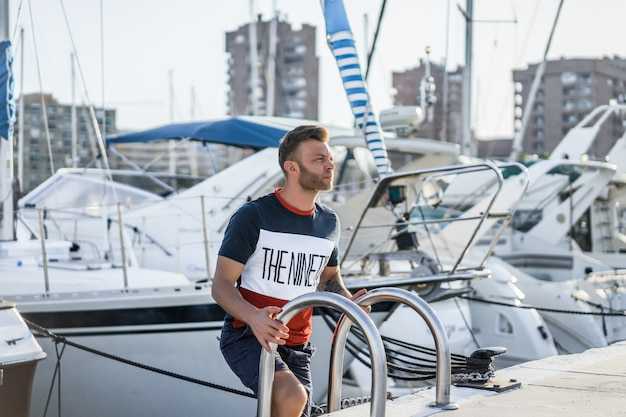
Всегда проверяйте последние прогнозы погоды для моря, таблицы приливов и наличие топлива как минимум за два часа до отплытия. Загружайте обновления с национального метеорологического управления, ведомств по делам побережья штата и местных портовых бюллетеней. Записывайте скорость и порывы ветра в узлах, отмечайте высоту волн по данным изводов и отслеживайте направление течения, чтобы выявить благоприятные окна для плавания.
Проверьте таблицы приливов для места запуска и запланированного маршрута, отмечая периоды слабой течения и известные течения вдоль канала. Есть участки, где внезапный толчок может остановить прогресс или сдвинуть судно к отмелям; планируйте соответствующим образом и избегайте пересечения в пик отлива или прилива, если экипаж неопытен.
Оцените запас хода для планируемого путешествия, рассчитав используемое топливо и необходимый резерв. Пример: расход на крейсерской скорости 0,8 галлона на морскую милю означает, что перелет на 25 морских миль потребует 20 галлонов; добавьте 30% резерва, получится 26 галлонов. Убедитесь, что топлива на борту превышает это количество и возьмите запасной контейнер, если путешествие проходит через штаты с более длинными береговыми линиями или туманом. Учитывайте встречный ветер, течение и полезную нагрузку и корректируйте план, чтобы избежать потери запаса.
Составьте план и поделитесь им с кем-нибудь на берегу; уважайте право экипажа быть проинформированным; носите спасательные жилеты; держите VHF-радио и заряженное мобильное устройство под рукой; установите четкие сигналы руками и обсудите обязанности во время чрезвычайных ситуаций; соблюдение установленных лимитов и наличие плана возврата дают преимущество опытным путешественникам; не допускайте компромиссов в вопросах безопасности; во время задержек поддерживайте связь и избегайте импульсивных решений.
Этот подход улучшает суждения, снижает убытки и обеспечивает общенациональную координацию между штатами посредством официальных уведомлений. Он помогает человеку придерживаться четкого плана во время поездки на выходные и побуждает помогать другим сохранять спокойствие в чрезвычайных ситуациях. При правильном ношении спасательных жилетов, постоянном общении и нахождении в пределах досягаемости, вы получаете преимущество даже при изменении условий.