


 Русский
  English (UK)
  العربية
  日本語
日本語  한국어
한국어  Magyar
  Türkçe
  Español
  Čeština
  Svenska
  Português
  Ελληνικά
  Suomi
Suomi  Nederlands
  Română
  Italiano
  Français
  Polski
  Українська
  Deutsch
  简体中文
简体中文  Slovenčina
  Boating Made Easy – A Beginner’s Guide to Safe and Simple Boating">

Запланируйте свой отъезд на светлое время суток. и надевайте спасательные жилеты для каждого райдера; держите под рукой компактный фонарик на случай чрезвычайных ситуаций. Безопасность приходит от подготовки, и предсказуемый режим на воде снижает стресс с первого отхода от причала. Для новичков начните с базового набора безопасности из 5 предметов и убедитесь, что у каждого человека есть правильно подобранный спасательный жилет.
Build a удобный для пользователя предварительный контрольный список: проверка погоды (идеально для начинающих, если ветер менее 15 миль в час), уровень топлива выше четверти бака и четкий маршрут. Рассмотрите оба sides of the boat and your planned locations, затем отобразите несколько options для вашей вылазки. Сохранение простоты вашего плана помогает вам не терять из виду опасности и поддерживает спокойную обстановку на борту.
Выбор правильного снаряжения matters: спасательный жилет подходящего размера, головной убор, защищающий от воды и солнца, рабочий фонарик со запасными батареями и простое сигнальное устройство. Прежде чем отправиться в путь, проверьте гудок или свисток, убедитесь, что работает ВЧ-радиостанция, если она у вас есть, и закройте все люки, чтобы оставаться сухим. Пребывание в безопасном удалении от берега снижает риск и позволяет сохранять контроль.
На воде придерживайтесь устойчивого темпа и поддерживайте а predictable план, чтобы ваша команда знала, чего ожидать. Будьте в курсе хорошего sight следуйте линиям к другим лодкам и препятствиям, регулируйте скорость в мелководных районах и выбирайте locations с тихой водой для тренировки. По мере приобретения опыта вы можете расширить свой options не подвергая опасности безопасность, делая катание на лодках более доступным для новичков и создавая дружелюбную атмосферу для всех на борту.
Обучение и соблюдение законов о спасательных жилетах
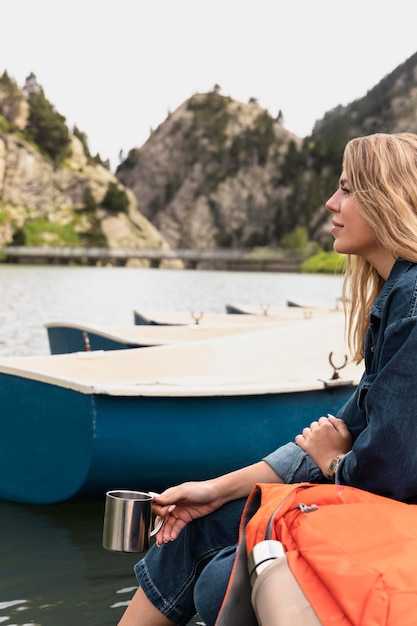
Надевайте спасательный жилет подходящего размера всякий раз, когда судно находится в движении. Это простое действие снижает риск утопления, особенно в бурную погоду или внезапную волну, и помогает вам выиграть время для реакции. Подумайте о своем местоположении и проверьте местные правила перед отплытием; законы различаются в зависимости от штата, провинции или страны, и в некоторых местах требуются спасательные жилеты для всех находящихся на палубе в определенных условиях. Проверьте правила на этой неделе и следуйте рекомендуемым указаниям, чтобы оставаться в соответствии с правилами и обеспечить безопасность.
Выберите спасательный жилет, одобренный для вашего региона (ищите маркировку USCG, CE или эквивалентную) и убедитесь, что он действительно подходит для каждого человека на борту. Проведите быструю проверку посадки с плотно затянутыми ремнями и застегнутой курткой, а затем попросите всех пошевелиться и поднять руки, чтобы убедиться, что она остается надежной. Для детей выбирайте устройства подходящего размера и плотно регулируйте их. Избегайте объемных слоев одежды под ними, которые затрудняют движение или плавучесть, и поддерживайте куртку в хорошем состоянии для оптимальной производительности.
Держите важные вещи под рукой: свисток, солнцезащитный крем, аптечку и небольшой фонарик или устройство подачи сигналов. Спасательный жилет не должен мешать вам общаться с командой или управлять электроникой; храните устройства в водонепроницаемых карманах и держите под рукой сухую сумку. Для лодок с подвесными моторами соблюдайте скоростные ограничения и надевайте спасательные жилеты во время маневров по вашим запланированным маршрутам. Такой подход создает приятную атмосферу на палубе и снижает риск, если кто-то упадет за борт.
Перед отплытием проведите быструю проверку безопасности: убедитесь, что у каждого человека есть спасательный жилет, подтвердите правильность посадки и поместите жилет в пределах легкой досягаемости на палубе. Такой порядок действий формирует культуру уверенности и личной безопасности и задает тон для оптимального дня на воде. Помните, что законы действуют в вашем местоположении, а постоянное осознание помогает вам эффективно общаться с пассажирами и командой, наслаждаясь поездкой.
| Scenario | Requirement | Примечания |
|---|---|---|
| В пути | Наденьте спасательный жилет подходящего размера | Держите на палубе в пределах досягаемости; проверьте посадку. |
| Дети на борту | Используйте детские спасательные жилеты; закрепите ремни | Постоянно контролировать |
| Низкая видимость или неспокойная вода | Надевайте спасательный жилет повышенной видимости; прикрепите свисток. | Рассмотрите светоотражающую ленту |
| Overboard incident | Общаться и сигнализировать; быстро находить. | Знать данные о местоположении и запланированных маршрутах |
Какие типы спасательных жилетов требуются по закону?
Have a Одобренный Береговой охраной США спасательный жилет для каждого человека на борту, подходящего по размеру для каждого отдыхающего, и держите спасательные жилеты под рукой на передней скамье или рядом со штурвалом. Этот простой шаг снижает риск чрезвычайных ситуаций и устанавливает четкий стандарт для всех энтузиастов на борту. Существует потенциальный риск, когда спасательные жилеты не соответствуют размеру или не доступны в момент необходимости.
Спасательные жилеты — это оборудование, которое выполняет решающую roles на любой лодке. Законы сосредоточены на наличии сертифицированного спасательного жилета, а не на указании конкретной модели, поэтому вы найдете Тип I, Тип II, Тип III носимые устройства, и Тип IV throwables, with Тип V куртки, предназначенные для конкретных видов деятельности. Для повседневного использования, а Тип III жилет популярен; продолжайте Тип I for offshore trips and a Тип II for near-shore use, while a Тип IV должны быть легко доступны на лодках определенной длины. Независимо от типа, у каждого человека на борту должно быть правильно подобранное, , Одобренный Береговой охраной США спасательный жилет.
Правила и нормы различаются в зависимости от страны и штата. В Соединенных Штатах Береговая охрана требует а PFD на борту для каждого человека и что дети до 13 лет носят его на открытых палубах во время отдыха на лодке. В некоторых юрисдикциях требуется а Тип IV throwable device to be accessible, and Penalties theyll face for non-compliance vary. Signs indicate the required equipment and local authorities publish specific details, so always check your local rules before heading out.
Recommendations for choosing and maintaining: select a USCG-approved jacket in the correct size, check for signs of wear, and replace damaged or waterlogged foam. Buckles, zippers, and seams should work smoothly, and jackets should fit snugly when fastened. Keep jackets on the front of the boat or in dedicated storage so they’re accessible during an emergency and easy to grab in rough water. Some rental boats add fees if PFDs are missing, so verify what you bring or rent.
Boating enthusiasts share experiences that compliant use of PFDs reduces panic in emergencies and protects families. Reading books and official guides builds understanding about the roles of equipment during a crisis. Joining a safety course or club reinforces good habits and respect for the law. If a jacket shows poor condition, replace it promptly; this simple step preserves safety and reduces potential risk for everyone aboard. The path toward consistent safety starts with each boater taking responsibility for their own gear and for those around them.
Where and When to Wear a Life Jacket on Different Watercraft
Always wear a life jacket while underway on kayaks, canoes, stand-up paddleboards, and inflatable boats; on powerboats, sailboats, jet skis, and larger vessels, wear one whenever you are underway or on deck in rough weather or when visibility is limited. Do a pre-departure check to ensure every person has a properly sized PFD within easy reach.
Guidance varies by craft, but the goal stays the same: buoyant support that stays with you, even if you move from calm water to a deeper, wind-roughened area. For novices and experienced boaters alike, choosing a light, properly fitted PFD creates a lasting connection between safety and confidence, giving you freedom to focus on the water, the wind, and the escape into tranquil coastlines or busy, excited waters near islands.
- Kayaks, canoes, and stand-up paddleboards (SUPs)
- Wear a Type III wearable PFD at all times while on the water. In moving water, near rocks, or when the depth varies, switch to a higher-buoyancy option if you anticipate a fall. Ensure the belt and shoulder straps are snug so the jacket stays in place during paddling.
- Keep a light, quick-release PFD for easy removal when you’re on land, but always put it on before entering the water. A compact, light vest is easier for long sessions and reduces fatigue for novices learning balance and stance.
- Attach a whistle and a small lash bag with a flashlight; these back-up items improve signaling and visibility in dim times or fog. If you’re paddling near islands or along coastlines, visibility becomes critical and your connection to the crew matters more than ever.
- Парусники
- Wear a PFD when anyone is on deck, especially when tacking, maneuvering through lines, or working around the wheel and rigging. In heavier seas or gusty wind, keep PFDs fastened and within reach for quick use when you move below or above deck.
- Choose a snug Type II or Type III vest for daily sailing; consider a lighter, low-profile option for long passages. Ensure the life jacket does not snag lines or interfere with the wheel and winches.
- Before departure, review weather forecasts and adjust the crew’s equipment accordingly. If a change in wind or visibility is likely, have everyone on deck ready to clip into safety gear as needed.
- Powerboats and speedboats
- All occupants should wear a PFD whenever the boat is moving or navigating in open water. In calm, well-manned harbors with shallow depths, it’s still wise to have a PFD on for every passenger, especially children and non-swimmers.
- Keep at least one extra PFD on board as a back-up in case the crew size changes or someone’s jacket becomes wet and needs replacement. A total of one PFD per person plus one spare is a practical guideline for typical day trips.
- For high-speed runs or extended time offshore, upgrade to a Type I or inflatable option for longer sessions; these offer increased buoyancy and comfort if you’ll be seated for extended periods or moving across waves.
- Jet skis and personal watercraft
- Wear a PFD every time you ride, with a snug fit and proper fastenings. These craft move quickly and a fall can lead to immediate immersion in chop or wind-driven spray.
- Choose a compact, light jacket that won’t hinder throttle control or balance. Attach a whistle or signaling device and consider a leash for your board if you’re riding away from shore.
- Fishing boats and inland recreational craft
- On inland lakes, wear a PFD when the water is cold, visibility is limited, or you’ll be away from shore. Inland waterways can deepen quickly; a well-fitted PFD reduces fatigue and supports confidence for varying depth scenarios.
- Keep PFDs in visible places near the helm and along seating areas so crew can grab one without delaying a response during a change in conditions.
Insights from research and field tests confirm that well-fitted life jackets with simple access reduce reaction time and increase safe outcomes, especially for novices and excited first-timers who tend to drift away from shorelines. In practice, lines of communication and the habit of a brief pre-departure routine create a strong connection between safety and enjoyment. The atmosphere aboard becomes calmer when every rider understands the value of staying visible to fellow crew members and when back-up gear remains within reach near the wheel and helm.
Practical tips to improve wearing habit across craft:
- Test fit at home and adjust straps so it sits snugly without restricting movement for paddling or steering.
- Label PFDs with sizes and names to avoid confusion among crew and keep the right jacket on the right person.
- Use a simple clip-on whistle, light, or beacon to improve chances of being found during times of low visibility.
- Before each trip, review local rules and weather forecasts; wind shifts and changing depth often require a quick equipment check and possible swap to a different PFD.
- Maintain a calm, cooperative attitude among fellow boaters; that rapport helps in shared decisions about when to keep everyone wearing a PFD and when a quick break might be safe before continuing.
How to Check Fit and Condition to Stay Compliant
Check every PFD before you set sail to ensure a snug fit and current flotation rating. Verify the straps hold, the buckles latch, and the label shows the correct size for each rider. Have ready access to options in your gear bag, including inflation devices or manual backups, and confirm you have enough essentials for each person on board.
Test the fit with the wearer standing and moving. Have the rider raise their arms, twist, and take a light jog on deck; the PFD should stay securely in place. The eyes should be on the fit, and a quick pinch test should allow only a small amount of strap to be pinched at the shoulder. If not, exchange for a better size or style from the essentials kit.
Check flotation properties and condition. Inflate inflatable models to verify seals work, and inspect for leaks or rips in fabric. For typical recreational use, keep Type III vests as the default, but have one Type I alternative for extended trips in rough water. Replace any item showing wear, sun damage, or water penetration.
Review all safety devices. Confirm the audible signals, emergency beacon if you have one, and any extra devices are in working order and within service dates. Inspect fire extinguisher pressure gauge, flare expiry dates, and battery integrity for navigational devices such as VHF radios or GPS units. Additionally, forget nothing: record each check in your safety log.
Run a quick equipment checklist before you depart. Safety checks involving all roles on board–captain, lookout, and crew–ensure shared responsibility. Compare your gear options against the maps and navigational tools you plan to use. Confirm you have essentials for the planned route, such as a spare flashlight, a whistle, a first-aid kit, and a basic tool kit. If youre the captain, youre responsible for a final pass on all gear and to compare the current setup with the planned run on the maps, then adjust your decision to proceed or change course if needed.
In chicago area lakes or harbors, check local rules about flotation devices, service dates, and required signaling gear. Contact the marina or coast guard office for updates before your planned departure. Without compliance, you risk fines and unsafe conditions. If weather dictates a change, adjust your plan and proceed only after rechecking gear.
Keep the habit consistent: spend a few minutes on the pre-departure check, as it saves time, reduces stress, and makes boating more enjoyable. Use the same routine, and add small improvements each season–such as swapping old devices, testing new navigational tools, or updating your maps for changed routes. This approach helps you spend less time worrying and more time on the water.
Who Needs a Jacket by Age on Your Boat?
Always require a properly fitted life jacket for every person on your boat, and keep a back-up jacket within easy reach to ensure a quick response in any situation.
Infants and toddlers under 4 must wear USCG-approved infant jackets with full head support while the boat is moving; these jackets stay in place and prevent slipping when seas are rough.
Children ages 4 to 12 should wear youth-size jackets that fit snugly and fasten securely; check the weight range labeled on the tag and adjust as they grow, with the goal to prevent riding up and keep their face clear of water.
Teens 13 to 17 can wear adult jackets, but you still verify fit, strap tightness, and correct type; confident movement is crucial for safe maneuvering.
Adults should wear jackets when underway, even on short trips; everyone must be equipped and mindful of their own comfort, since a good fit enhances reaction time and reduces fatigue. For a formal day trip, keep jackets accessible and ensure the crew stays confident on deck; this is not a force but a safety habit, vital for calm decision-making. Shoes with good grip help prevent slips on a slick deck.
Older adults and people with medical conditions require jackets with easy front-closures, adjustable straps, and plenty of buoyancy; confirm that the jacket floats properly and stays in place during movement, night-of rough seas.
In a night-of rough seas, keep jackets fastened and ready to deploy if someone goes overboard; this simple step enhances safety and provides a back-up option when conditions shift.
Before departure, assign someone to confirm each jacket is properly sized and in good condition; check the year of manufacture and that the buoyancy rating matches the user’s weight. This approach can provide concrete insights for first-time boaters and seasoned skippers alike. The back-up plan offered by the crew enhances safety on every trip. Wear shoes with good grip to stay stable on a slick deck, and stay mindful on rough water conditions.
How to Verify Local Rules: Federal vs. State/Provincial Laws

Check official sources first: visit the Coast Guard site for federal requirements and your state or provincial marine authority for local rules before you sail. These sources provide a clear baseline and show how regulations differ across coastlines and vessel types. heres a practical approach you can apply every time you plan a trip with your sailboat.
Регулирования часто имеют двухслойную структуру: федеральные базовые правила в сочетании с дополнениями штата или провинции. Известные эксперты и многие агентства публикуют краткие сводки, чтобы помочь лодочникам сравнить, что похоже и что отличается. Помните, что каждый регион может публиковать нюансированные интерпретации для аналогичной деятельности, поэтому вам необходимо проверять оба аспекта, чтобы оставаться в рамках требований на воде. Это важно в прибрежной зоне, где навигационные знаки различаются в зависимости от района и где бренды оборудования влияют на то, что требуется. Специализированные рекомендации сопровождают эти правила, поэтому изучите официальные заметки и сопроводительные рекомендации по техническому обслуживанию.
- Определите регион и тип судна: выясните, работаете ли вы в федеральных водах или в зоне штата/провинции. Для парусной лодки проверьте, требует ли местное правило определенного количества спасательных жилетов, например, комплекта на 3 человека, и убедитесь, что на палубе есть как минимум один спасательный жилет на человека.
- Сравните федеральные и специфические для штата/провинции аспекты: прочитайте федеральные правила техники безопасности, навигации и освещения, а затем ознакомьтесь с местными нормами, касающимися дополнительных требований, таких как ограничения по размеру судна или потребность в местных разрешениях. Определите, что общего и что различного в вашем регионе.
- Убедитесь в наличии необходимого оборудования и снаряжения: подтвердите наличие спасательных жилетов, визуальных сигналов, огней, компаса или электронного навигационного оборудования, а также радиостанции УКВ; убедитесь, что марки и модели соответствуют утвержденным стандартам, и что у вас есть подтверждение проведения технического обслуживания.
- Проверьте снаряжение и техническое обслуживание: проведите инвентаризацию в стиле «на верстаке», убедитесь в актуальности дат на спасательных жилетах и сигнальных ракетах и замените все, что приближается к истечению срока годности. Ведите запись по каждой детали, чтобы в следующем сезоне вы могли провести быструю проверку.
- Постоянно будьте в курсе: правила меняются в зависимости от сезонов и водоемов; подписывайтесь на официальные уведомления морякам и перепроверяйте перед каждой поездкой, особенно после неблагоприятных погодных условий или обновлений от ведомств.
Прежде чем отправиться в путь, проведите быструю проверку передней части лодки: проверьте рулевое управление, осмотрите палубу на предмет износа и убедитесь, что все навигационные приборы работают. Эта простая процедура поддерживает вашу страсть к плаванию и обеспечивает безопасность жизни на борту для вас и вашей команды вдоль побережья.