


 Русский
  English (UK)
  العربية
  日本語
日本語  한국어
한국어  Magyar
  Türkçe
  Español
  Čeština
  Svenska
  Português
  Ελληνικά
  Suomi
Suomi  Nederlands
  Română
  Italiano
  Français
  Polski
  Українська
  Deutsch
  简体中文
简体中文  Slovenčina
 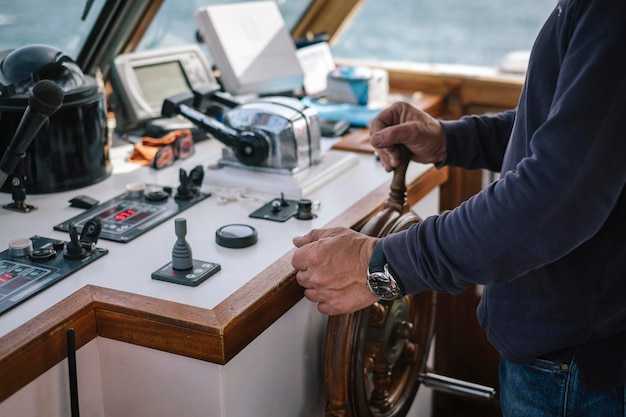 Boat Trim Guide – How to Use Trim for Better Control and Speed">

Recommendation: Set trim to keep the waterline level at cruising speed. Start with the bow slightly downward and adjust in 1–2 degree steps as speed and load change. Depending on load and sea state, tiny trim changes can sustain efficient propulsion and a smoother ride.
Why trim matters for control: Trim affects how the hull handles поворот and planing. A downward bow reduces stern lift and helps keep the stern in the water, improving grip in turns. Changes in trim alter how the boat responds for their crew and captains, affecting поворот feel and overall stability. That small change could noticeably improve turning.
Reading the indicators: Observe the waterline around the bow and stern as speed changes; if the bow rises too high, trim downward a notch; if the stern squats, trim upward. Often the most noticeable impacts come from speed changing or waves, or other indicators. Keep the hull level for best efficiency and comfort.
Trim and load scenarios: With light load the boat trims differently than when fully loaded. For a given hull, changes in load shift the optimal trim angle; remember to reset trim when passengers board or gear is loaded. video demonstrations show how trim adjustments change planing onset and stability.
Practical formula and steps: Use a simple rule: trim angle = base_angle + (load_factor × 0.5). For every 100 kg of load, adjust trim by about 1–2 degrees to maintain waterline balance. Start with base_angle around 2–3 degrees downward and tweak in small increments while cruising. The formula helps you estimate fast changes and keep acceleration smooth.
Hull type considerations: Planing hulls react quickly to trim; shifting from 0 to 5 degrees downward can raise or lower the waterline by a few inches, speeding up or slowing down depending on speed. For displacement hulls, small trim is enough; over-trimming creates a rough ride and higher fuel use. In rough water, more downward trim can shorten the bow wake and reduce pounding.
Common mistakes to avoid: In boating, do not rely on static trim; boats react to changing seas. Constant micro-adjustments yield better control than long stints with fixed trim. Avoid excessive trim changes in short intervals; verify with a quick check: waterline at midship should be level, hull trimmed smoothly on plane, and prop wash clean.
Putting it into practice: Use a focused checklist on every trip: note the load, observe the waterline, adjust gradually, test поворот, then fine-tune. Each session, review what changes you made and their impacts. Use video guides or a log to reinforce gains. With consistent trim habits, you gain steadier speed, smoother rides, and better fuel economy.
Practical Trim Techniques for Better Boat Handling
Set the outboard trim to mid-range before you push the throttle, then fine-tune in small increments as speed builds. This position keeps the waterline balanced, reduces drag, and helps the engine reach maximum efficiency across different loads.
With a light load, trim up slightly to bring the bow higher and minimize waterline drag; with a heavy crew or gear, trim down to keep the bow from submerging and the stern from squatting. Usually, you reach the best performance when the hull sits through the first minutes of acceleration and the bow skims the waterline until stability improves. This balance makes boats respond more predictably through chop and wind.
Procedure for consistent handling: consider what comes next as you adjust trim 1/4 to 1/2 turn or 1-2 increments on the control. Always read the hull response: lift with the bow, then flatten the ride by returning toward mid-range. If you notice porpoising or chine walk, back off and retry in smaller increments.
Weight distribution matters: position heavy gear or batteries toward the stern or bow to adjust trim. For small boats, a few adults or gear can change trim enough to require up to two increments during a trip. Before departure, plan trim targets so captains can manage the boat through changing seas and loads.
Wave and speed strategy: when cresting a wave, trim down to keep the bow from burying, then trim up once you clear the crest to regain speed. In variable conditions, alternate trim between steady positions and small adjustments as weather or load changes to maintain maximum control and reduce the chance of a sudden tilt.
Outboard-specific notes: trim works with motor tilt and cavitation; check waterline when the engine idles and monitor stern height. On boats with multiple engines, synchronize trim to minimize steering torque and keep a straight line during acceleration by balancing each engine’s trim position with the others.
Bottom line: practice trim changes in increments, read the boat’s feedback, and adjust before you push toward plane. By keeping the waterline balanced, you gain smoother handling, more adventure, and a safer ride for crews and captains alike.
What trim tabs do and how they affect steering
To begin, set trim tabs adjusted to a light downward angle, about 2–3 degrees, at planing speed, and set them evenly on both sides. This adjusted setup stops porpoising and gives steadier steering when running toward planing speed, then you can fine-tune.
These tabs alter water flow behind the propeller, which smooths the ride and improves steering through turns. The impact is a more responsive feel at speed, and you can watch the wake behind the boat to gauge whether the bow sits level and the stern remains stable, like you have a bigger rudder.
Adjustments during summer boating vary by hull, load, and conditions; consider weight shifts and how you accelerate. You can begin with small changes and adjust again if needed. If the boat porpoising again, add more down angle; if it drifts or pulls, reduce down angle or raise the tab on that side.
When backing into a rental slip or navigating tight quarters, keep trim tabs light and use small adjustments to stay straight. If you were handling rough chop during a busy summer, this setup helps you through crosswinds and wind shifts. A slight tab down can help you hold a straight line through crosswinds or chop, including when backing into current and wind.
Dont over-trim; avoid leaving tabs at a fixed angle when docking or stopping. Watch the wake and the bow, and if you see the stern sit too high or the bow lift, adjust again. If the bow still rides high, lower the tab angle slightly. That action smooths the ride. In rough summer water, keep adjustments small and leave a margin for speed changes and waves behind you.
How to set trim for planing, acceleration, and lift
Set trim at neutral (0°) for takeoff, and move toward higher trim toward planing speeds: 2°–4° for smaller vessels, 4°–6° for higher speeds, to keep the surface clean and reduce drag. This adjustment improves efficiency and helps the hull ride onto the surface with less spray, so you reach planing faster without abrupt changes that upset stability.
Keep trim changes gradual and always coordinate with throttle. An adjustable setup on the motor or trim tabs lets you fine‑tune without overreacting to each gust of wind or wake from another vessel. If you have mounted controls, small, smooth inputs preserve flow along the surface and prevent sudden shifts that could trigger porpoising or chine loading.
Here’s a practical approach that works on lakes and larger waterways alike. heres the quick rule of thumb: during planing onset, stay near neutral and add trim gradually as speeds rise; during acceleration toward plane, inch toward higher trim in small steps; once you’re flat on the surface, fine‑tune to maintain a steady, level ride.
What you want is a balance between lift and control. If you see the bow rising too much, back off a notch; if spray increases or the stern feels heavy, adjust toward a slightly lower trim. The meaning is simple: trim that keeps the surface evenly wetted with minimal vertical motion yields the best mean efficiency, lower fuel use, and a smoother ride for you and your crew.
In calm lakes, you may reach higher trim settings sooner, while rough water benefits from conservative angles to keep the hull in contact with the flow. With a loaded vessel, you’ll have to change the trim more often to keep the main hull on the surface and prevent porpoising as speed increases. Always monitor the wake, spray, and how the surface behaves as you move through speeds and flow patterns.
For quick reference, use the table below to match trim to current condition and speed range. The values assume a typical outboard or stern‑mounted drive and can be adjusted by taste and hull geometry. Adjustables like trim tabs or a mounted engine trim allow you to tailor settings when weight shifts or weather changes.
| Condition | Recommended trim | Reason | Примечания |
|---|---|---|---|
| Planing onset (low speeds) | Neutral to slight up (0°–2°) | Establish hull contact without excessive spray | Throttle smooth; monitor surface |
| Acceleration toward plane | Increment toward higher trim (2°–5°) | Lift stern, reduce wetted area | Avoid porpoising; adjust toward level if needed |
| Steady planing at mid speeds | 3°–6° trim | Maintain flat surface and efficiency | Watch spray and keep flow even |
| High-speed run | 5°–7° trim if hull allows | Maximize efficiency and lift control | Back off if bow rises excessively |
| Porpoising or chine loading | Lower trim toward neutral | Stabilize flow over hull | Check throttle and load |
Using trim to prevent porpoising and chine walk

Set trim adjusted so the bow sits flat as you accelerate; this helps boats perform smoothly and prevents porpoising. Trim that balances the ride ensures the hull performs best across speed changes. Keep the deck level and monitor spray; aim for contact with the water along the running surface so the boat handles changes in steering input with confidence.
Another familiar cue is the bow lifting when you power up; notice this and adjust trim to keep the running surface flat.
Steps to reduce porpoising and chine walk:
Step 1: Weight distribution. Having passengers and gear distributed evenly helps trim stay predictable and reduces the chance of porpoising.
Step 2: Initial trim position. In flat water at cruising speed, set trim in a neutral position with a touch of stern-up to start; adjust to find the up-trim sweet spot where the bow stays flat.
Step 3: Accelerating. As speed rises, observe how a small trim change takes effect quickly and helps keep contact evenly along the running surface. If you notice the bow rising too much, ease trim toward neutral and adjust throttle gradually. Keep trim even as you work through shifts in speed.
Step 4: Porpoising cue and response. If porpoising appears again, take a light throttle reduction and trim toward stern until the ride settles, then re-trim to maintain planing efficiency.
Step 5: Post-planing fine-tune. Once the boat cruises on a flat planing surface, you may gain 0.5–2 knots by a subtle up trim; test in small increments and note the effect. This takes practice to dial in for each boat.
Weight and passengers. Having a boater and passengers move toward the center and slightly aft during acceleration helps keep the bow from climbing too aggressively. This having effect reduces trim changes and makes the ride steadier for everyone aboard, including passengers.
Different boats respond differently to trim; what works on a familiar shallow-water hull may differ for a deep-V or a bow-heavy craft. In chop or rough wakes, trim settings may require smaller increments and longer hold times to avoid chine walk. Observe spray direction and water contact, and adjust accordingly whether you are at cruising speed or punching into a head sea.
Practice and adjustments. Keep this approach in mind while you cruise; with time you will notice a repeatable pattern across boats you operate. Having a steady method helps you manage speed, turns, and passengers, producing a smoother ride and safer control.
Manual vs. hydraulic or electric trim tabs: choosing and maintenance
Choose hydraulic or electric trim tabs for best control and fastest response; however, manual tabs save money but wont deliver the same precision or reliability during bursts or cruising.
Hydraulic and electric units react quickly to load changes and keep your stern attitude stable. They let you adjust each side independently on port and starboard, which lets you lift slightly more on the heavy side. If you want a simple, low-maintenance setup for a load light boat, manual can work, but youll spend more time adjusting than steering. With hydraulic or electric, your setup can become easier to manage and you can keep the stern down when planing.
Maintenance basics: For the hydraulic unit, check the reservoir level, bleed the system, and replace worn seals every 2–3 years; inspect hoses for cracks and leaks, and keep fittings tight. For electric tabs, verify the motor, control unit, and wiring, test operation monthly, and protect components from salt with rinsing after use. Keep the battery in good condition and replace fuses as needed. Schedule a service booking so you wont miss essential checks.
Operational tips: Here are a few pointers: During cruising or speed bursts, adjust tabs to maintain a level attitude; set trim slightly higher on the stern to reduce main motor load; if one side loads more, adjust that side slightly to stay on course. After you dock, return tabs to neutral and re-check again before heading out, to preserve performance.
Reading trim indicators and establishing your reference settings
Set your reference trim to the mid-point on your dash gauge and log it as your baseline before you start testing.
Reading trim indicators
- Know your drive type: sterndrive indicators usually show a degree or a marked bar, while most outboard gauges use a dash position or a series of lights. They work together to show how far you are from neutral.
- Watch the bow response as you move the throttle. A dash that moves smoothly and stays stable usually means you are within a comfortable range.
- Between idle and planing speeds, small changes make a big difference. Lets the hull find a stable bite; a quick dash of trim can change the angle and the feel of turning.
- Note any porpoising or bow-heel as you move through steps. If the bow rises too much, trim back slightly; if the bow stays stubbornly down, trim a bit more to bring the stern in line.
- Record the reading at several RPM bands so you have a route to compare later. They provide a practical map for different loads and fuel levels.
- Remember that indicators can lag a little with rapid moves. Give the system a moment after each adjustment before judging the result.
Establishing your reference settings
- Start at a neutral baseline. Set trim to the middle position at idle and confirm the boatsett er’s expected response with light throttle.
- Move to planing speed and advance trim in small steps. Usually 1/4 to 1/2 notch at a time brings the hull onto plane without overloading the stern.
- When you reach a clean bite, hold the setting for a dash while you accelerate to cruising speed. This helps you assess comfort and control in moving conditions.
- Test on straight runs and in a gentle curve. They let you compare how trim affects stability during turning and straight-line travel.
- Mark the combination of speed, trim, and steering input that yields the best balance. This becomes your reference for routine runs with similar loads.
- Document changes with passengers aboard and at different fuel levels. Usually, weight shifts require a small readjustment to stay between bow-up and stern-down comfort.
- Use a consistent testing routine: start at neutral, accelerate, then tweak trim while listening for engine load and hull feedback. Take notes on what works best for your boat and setup.
- For sterndrive setups, keep your reference slightly tender to allow quick fine-tuning in turning. If you notice stern stiffness, back off trim a touch and recheck.
- Verify that your final reference yields predictable behavior across throttle positions. If not, reassess the baseline and re-record a new reference setting.
Practical tips to implement
- Always consider how load distribution affects trim. Extra passengers or gear shifts the reference, so update it accordingly.
- Keep a clear distinction between “trimmed for speed” and “trimmed for comfort.” They may require different reference points depending on route and maneuvers.
- When turning, a slight increase in bow-up trim can reduce stern squat and improve maneuverability. If the boat starts to yaw, dial back a notch.
- Use the boatsetter story as a reminder: a solid reference reduces guesswork and speeds up fine-tuning in real conditions.
What you gain
- Faster setup on a new day or different passengers
- More predictable behavior at mid-range speeds
- Better comfort and confidence during routine maneuvers
- A repeatable, tested path to achieve optimal efficiency and control