


 Русский
  English (UK)
  العربية
  日本語
日本語  한국어
한국어  Magyar
  Türkçe
  Español
  Čeština
  Svenska
  Português
  Ελληνικά
  Suomi
Suomi  Nederlands
  Română
  Italiano
  Français
  Polski
  Українська
  Deutsch
  简体中文
简体中文  Slovenčina
 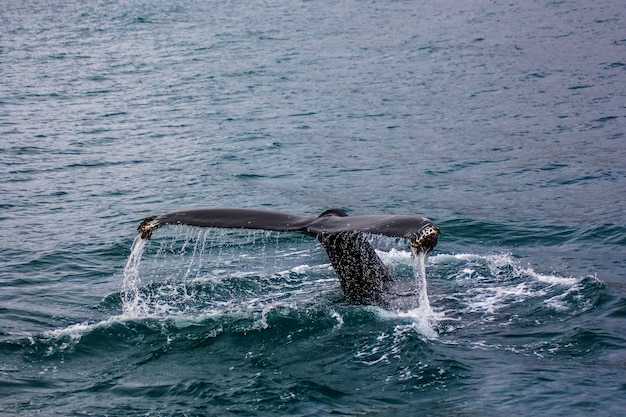 Best Whale-Watching Destinations – Your Ultimate Guide to Seeing Whales">

Begin in Massachusetts for intimate, minutes of encounters with white-sided dolphins and transient species, observed from calm shores or small boats at a point where humans watch with minimal disturbance. Keeping distance and moving slowly yields predictable returns and minimizes stress on the pod.
Then push toward zealand’s rugged coast to witness acrobatic breach moments and diverse behaviors from dolphins and other species, with eagles perched on ridges above and boats cruising at a conservative pace to avoid disruption.
For planning, check your inbox alerts from operators, book windows of a few minutes when seas are calm, and anchor your base with massachusetts shore trips as a reference point for comparison.
In minutes of calm, observers can see little groups approach the line, a breach moment here and there, and an intimate connection with the crew; this focus on minimal noise helps keep encounters safe; these moments were cherished when protected by responsible practices.
To maximize flexibility, design a multi-location itinerary that mixes sheltered coves with open-water zones, so winds may shift over the day and you keep the experience respectful for all species.
10 Wailuku, Hawaii: Practical Whale-Watching Guide

Reserve a 2.5–3 hour on-water trip from Ma’alaea Harbour with a licensed naturalist to maximize close views of humpback mammals as they move along reef edges. Early-morning departures during December through April yield calmer seas, clearer views, and more calling and surface activity. The first sighting often appears within minutes; expect several dramatic moments per session. Maintain a distance of at least 100 meters to minimize disturbance and comply with protection rules. The crew’s experience makes each encounter richer without stressing the animals.
Where to look and what to expect
- Ma’alaea Harbour departures head toward outer reefs and near the Molokini rim, where groups pause and surface for long intervals, offering reliable views of spouts, breaches, and tail-slaps. Calves in nursery groups are possible and particularly captivating when they surface close to the boat.
- Shore-based viewing along the Kihei–Wailea coast and in Lahaina can yield sightings on calm mornings. Observers may see plumes and flocks of birds, with distances ranging from a few hundred meters to closer when vantage points align with the sea state.
- Occasional encounters with dolphins (common, including white-sided species) may accompany the trip; orca occurrences in Hawaiian waters are not common, but a wanderer from nearby waters can appear. Expect a mix of calls and movement that reveals different worlds of life below the surface.
What to know during encounters
- Behavior you’ll often witness includes breaching, tail-slaps, and spy-hops. Mothers with calves tend to stay within safe ranges; respect the distance, as this is essential for ongoing protection.
- The whisperer on board helps readers interpret behaviors and track where pods may be relocating. You’ll learn to read the signs of an impending surface burst, improving your chances to be seen in good light.
- Time on the water varies; a calm day may yield 2–3 chances to view breaches, with some minutes between shows. Overall, a well-run trip maximizes the probability of multiple close moments.
Practical tips
- Choose an operator with a solid track record and proper permits; this improves your odds of a respectful encounter while ensuring safety.
- Pack lightweight layers, a windbreaker, sun protection, and a camera with a long lens. Long-exposures are possible when the subjects are near.
- Respect protected spaces; avoid chasing groups, and never feed marine mammals. If conditions change, the crew may adjust course to preserve calm waters and distance.
- Massachusetts and zealand travelers often share notes about shore waits, boat handling, and timing; these perspectives can help set expectations for a plan that aligns with your itinerary.
- Note that otters are not common in Hawaiʻi coastal waters; sightings here are driven by dolphins, humpbacks, and other local mammals rather than otters, so manage expectations accordingly.
Afterward, consider pairing your on-water day with shore sessions along the harbour and nearby beaches to extend your experiences without pushing the animals beyond safe distance. If you’re seeking a broader context, compare sightings with observers from different massachusetts or zealand routes to learn more about how weather and season shape each encounter.
Seasonality and peak months for whale sightings near Maui
Plan February for the strongest chances, and choose a morning zodiac cruise starting from Lahaina Harbor or Ma’alaea Harbor. The incredible mammals gather in Hawaiian waters from December through April, with the highest counts concentrated in January, February, and March. Expect sightings within distance of the vessels, often close to the bow waves, and occasional surface drama just offshore in the Auau Channel and near lagoon habitats.
The number of individuals varies by week, but peak weeks frequently feature multiple pods, from 2 to 20+ individuals, sometimes including mothers with calves. Sightings are common in the central Maui Nui region, where calm mornings offer clearer lens opportunities for photographers using midrange to telephoto setups.
Harbor-to-way itineraries matter: cruises from Lahaina, Ma’alaea, or Kahului can access productive lanes, with 0.5–2 miles between boats and pods being typical under good weather. Watch for breaches, tail slaps, spy-hops, and curious dives that reveal their incredible social story without disturbing the group.
For those seeking variety, small-boat cruises (zodiac) and larger catamaran sails both deliver close views. If you’re chasing a sanctuary-like experience, aim for a licensed operator that respects marine-mammal guidelines, returns to harbor with minimal disruption, and emphasizes safety for humans and mammals alike.
Beyond Maui proper, consider comparisons to Baja lagoons where some species spend time in protected coastal zones; on Maui you’ll still encounter a mix of behaviors that thrill observers, from surface chatter to long, slow dives. ro bb ie and other captains stress the importance of slow heading, quiet engines, and maintaining respectful distances to keep the encounter truly rewarding for everyone. For photographers, bring a lens in the 200–400 mm range and be ready for fleeting moments at close range, then switch to wider angles for broader scenery of harbor life and the sea’s white-sided playfulness with other mammals nearby.
Top land-based viewing spots around Wailuku for close views
Begin at Kanaha Beach Park for near-constant, close views along mauis coastline. The grass slope above the sand offers a stable, clear vantage toward the ocean, ideal for watching humpback behaviour as they move through mauis waters in april. Bring binoculars to catch little white-sided splashes, and enjoy the magic of witnessing a true coastal story without leaving shore; this spot suits city visitors seeking a quick, accessible home base and a straightforward call to connect with the sea.
Ma’alaea coastline along the harbor provides a second solid option. Park near the Ma’alaea Beach access and walk the seawall for a direct line to the channel where humpbacks pass. In april you’ll commonly see breaches and tail-slaps, turning the ocean into a stage and the skyline into a backdrop for every witness moment. The calm, open view helps you track behaviour through the glassy surface, turning each sighting into a memorable little episode you can share with your inbox or light-up on a photo post for mauis ocean fans.
Waiehu Beach Park, just north of Wailuku, is a compact grass-and-sand vantage with a sheltered profile. The little cove along mauis coastline often yields calmer days, making splash and tail flips easier to spot. Clear mornings reveal a horizon where whales move through the channel, offering a succinct, repeatable routine you can time with april light; keep your distance and respect space to preserve the scene for future visitors and the planet.
Spreckelsville and the Kahului coast offer grassy knolls and low cliffs that act as natural stands for land-based watchers. Early morning light along this stretch minimizes glare and highlights flukes as whales travel through the channel. These places deliver practical, close views without crowds, letting you observe the majesty of each breach and the quiet call of the sea–an experience that links maui to other famed spots such as kaikōura and victoria while staying rooted on mauis coast.
Tips and etiquette: stay back, observe from the shore, and avoid approaching wildlife; maintain distance and minimize noise to respect whale behaviour. Look for spy hops, breaches, and tail splashes, and note the sequence of each encounter. If you’re new to this, stay a while at a couple of places to witness how the ocean tells a different story every day–through calm mornings or windy afternoons. For ongoing learning, subscribe to local updates in your inbox and compare notes with friends back home, keeping the conversation about conservation alive and turning every close view into a learning moment about extinction risks and the story of our planet.
How to choose a whale-watching tour: questions to ask before booking
Choose a tour that follows established wildlife ethics and a clear practice to stay at least 100 yards from any whale or dolphin, to protect endangered populations and minimize disturbance with proper distance management that keeps wildlife safe.
Ask about licensing, captain experience, and whether a short safety briefing plus wildlife etiquette guidance is provided before departure; thats key for responsible travel.
Clarify timing and region. Look for tours that cover a genuine hotspot rather than generic trips. Confirm the destination aligns with peak opportunity, and whether the operator can explain how the environment and currents drive sightings. If maui is listed, ask about season windows and the distance to prime sites in miles. This heading of tips helps structure your decision, but you still need to verify each claim with the operator.
Inquire about species you’ll likely encounter, whether there are various cetaceans and dolphin pods, and how sightings relate to a warmer climate. salmon runs nearby can attract predators and influence offshore movements. Operators should explain how the chances shift between northern and southern waters, with a hotspot network that spans the globe and its many worlds of ocean environments.
Inquire about distance to animals and how crew balance curiosity with safety. A responsible crew will pause when animals approach and avoid chasing, follow established routes to minimize disturbance, keeping a respectful distance and not forcing close encounters. Avoid tours that treat wildlife as a hunt; respect their space, the same way you would observe distant lions in the savanna.
For families or travelers with a tight schedule, ask about duration options, short trip or longer expedition, and whether there are options to combine with other wildlife experiences nearby for a multi-day destination visit.
Compare pricing, cancellation terms, and what kind of support you receive if weather or seas force a change. Look for transparent policies, and tips for safe travel such as packing layers and sun protection.
Before you decide, read recent reviews for conservation-minded operators, note whether they reinvest in local habitat protection, and choose a company that aligns with your values and the destination’s environmental safeguards–were you seeking a responsible encounter or a rushed spectacle?
What to wear and what to bring for comfort on the water

Layer smartly from base to outer shell: start with a moisture-wicking base layer, add a mid-layer for warmth, and top with a waterproof, breathable shell.
Choose base fabrics such as merino wool or high-performance synthetics; cotton stays damp and chills quickly on spray and wind, so avoid it on marine expeditions.
Keep extremities protected with a waterproof, insulated pair of gloves and a hat with a brim to shield eyes from spray. If winds rise, add a lightweight beanie for extra warmth and replace the cap when shade is not needed; this helps with sensitive skin exposed to salt and wind.
Footwear should be non-slip and waterproof; select boots or shoes with good grip and pack an extra pair of socks in a dry bag to swap out if they become damp during rounds against waves.
Protect eyes and skin: polarized sunglasses cut glare on bright days, sunscreen (SPF 30+), and lip balm, plus a small sunscreen stick for easy reapplication; spray from waves can reach exposed areas and affect comfort.
Берите с собой практичное снаряжение: водонепроницаемый мешок для электроники, водонепроницаемый чехол для телефона, компактный внешний аккумулятор и компактное радио для бортовой связи, если это применимо; храните эти предметы в надежном, легкодоступном кармане, чтобы избежать их потери во время экспедиций.
Осознание местоположения имеет значение: в экспедициях рядом с Исландией, Патагонией, Викторией, Джуно или вдоль полуострова Йорк, условия меняются быстро, поэтому будьте готовы к слоям и корректировкам; понимание окружающей среды и рекомендаций поддерживает ответственное поведение, особенно во время кормления или миграционных периодов, когда горбатые киты или другие морские животные могут появиться в виде брызг и ветра, и когда пеликаны кружат над корпусом; по крайней мере, возьмите с собой небольшое полотенце для влажного снаряжения и бутылку воды для жизни на палубе, независимо от того, путешествуете ли вы по маршруту, охватывающему весь земной шар, или остаетесь рядом с домом.
| Item | Why it matters | Tips |
|---|---|---|
| Базовый слой | Управление влажностью; тепло в сыром состоянии | Выберите шерсть мериноса или синтетику; избегайте хлопка |
| Mid-layer | Добавляет тепло без объема. | Флис или легкий утепленный флис хорошо подходит. |
| Внешний корпус | Блокирует ветер и брызги, оставаясь дышащим. | Влагонепроницаемая, дышащая ткань с герметичными швами. |
| Головные уборы | Защищает от ветра и брызг; защита от солнца при необходимости | Шапка-бини для холода, кепка с козырьком для солнца; носи оба. |
| Перчатки | Сохраняет ловкость и тепло на палубе | Изолированная водонепроницаемая пара; рассмотрите возможность использования подкладки для дополнительного тепла |
| Обувь и носки | Сцепление на скользких поверхностях; сохраняет ноги в тепле | Нескользящие, водонепроницаемые ботинки или обувь; шерстяные или синтетические носки; запасная пара в сухом мешке |
| Защита глаз и защита кожи | Уменьшает блики; предотвращает солнечные ожоги и повреждение от брызг | Поляризованные солнцезащитные очки; солнцезащитный крем SPF 30+; бальзам для губ SPF |
| Dry bag & electronics case | Защищает устройства от соленого тумана | Герметично запечатать швы; упаковать в поясную сумку или трюмное отделение. |
| Power bank & radio | Сохраняет заряд и связь на борту | Зарядите перед выездом; храните в водонепроницаемом мешочке. |
| Гидратация и добавки | Предотвращает обезвоживание; поддерживает комфорт во время длительного пребывания на палубе. | Многоразовая бутылка; небольшое полотенце для влажного снаряжения; закуски |
Этика наблюдения за китами: уважительные расстояния и безопасность дикой природы
Расстояние и темп имеют значение: Соблюдайте минимальное расстояние 100 метров от любого кита или орки, и снизьте скорость до холостого хода, если вы находитесь в этом диапазоне; никогда не преследуйте, не кружите и не блокируйте его путь, и позвольте животному самому решать, когда выныривать. Это помогает защитить морских млекопитающих и делает каждую встречу очень безопасной для людей.
Соблюдайте правила лицензированных операторов и местные правила: Всегда работайте с аккредитованными гидами и соблюдайте правила заповедных зон; существуют сезонные и специфические для данной территории ограничения, которым следует следовать, известные регуляторам и подкрепленные большим количеством доказательств. Биологи подчеркивают предсказуемое поведение судов, чтобы свести к минимуму стресс, и эти рекомендации соответствуют научному консенсусу.
Фотографии с заботой: Сохраняйте фотографии незаметными: выключайте вспышки, используйте длиннофокусные объективы и избегайте скопления или блокирования передвижения животного; дайте ему возможность выполнять акробатические демонстрации в любом месте вдоль побережья, чтобы вы могли запечатлеть запоминающиеся кадры, не нарушая сцену.
Что делать во время встреч: Если кит или касатка приблизится на короткое расстояние, медленно отступайте и не пытайтесь прикоснуться, кормить или кататься на животном; не преследуйте его в зарослях водорослей или вдали от мест кормления. Зарезервируйте место вдали от динамичных зон, чтобы другие могли безопасно наблюдать.
Размещение и зоны: Выбирайте менее загруженные места и избегайте узких мест; в зонах с обильным количеством птиц соблюдайте ограничения коридоров. Некоторые прибрежные общины Йорка придерживаются более строгих правил, в то время как прибрежные зоны Патагонии применяют сезонную защиту. Ищите зоны, предназначенные для наблюдения за дикой природой, и уважайте расстановку мест на судах или на береговых линиях. Пример: тихая бухта рядом с мысом может стать отличной отправной точкой для ответственного наблюдения.
Образовательная ценность и забота о планете: Этот подход сохраняет прекрасный рай для морской жизни, увеличивает шанс на захватывающие дух встречи и защищает моря планеты. Фестивальные программы и экскурсии могут повысить уровень знаний, сохраняя при этом экосистемы нетронутыми. Если у вас есть вопросы, обратитесь к биологам и исследователям; многие делятся обновлениями через личный ящик и приветствуют запросы; обмен фотографиями с учеными помогает расширить глобальное понимание в любой точке планеты.