


 Русский
  English (UK)
  العربية
  日本語
日本語  한국어
한국어  Magyar
  Türkçe
  Español
  Čeština
  Svenska
  Português
  Ελληνικά
  Suomi
Suomi  Nederlands
  Română
  Italiano
  Français
  Polski
  Українська
  Deutsch
  简体中文
简体中文  Slovenčina
 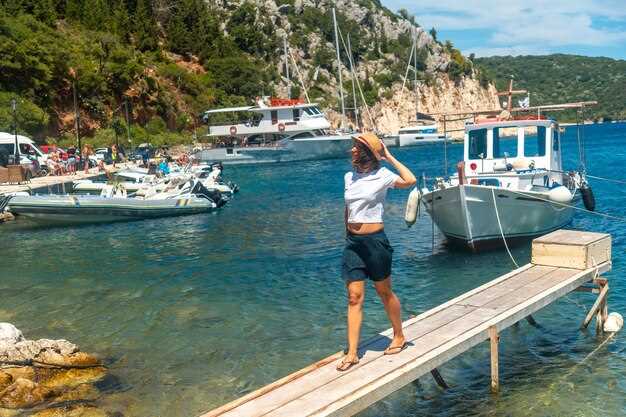 5 Best Beaches in Naples to Explore by Boat">

Start your trip with Positano as the first leg and hire a lightweight vessel for a dawn-to-dusk circuit that skirts cliff-backed coves and sea arches, avoiding peak heat and crowds. Bring a folding chair for a leisurely lunch on deck, while the scent of lemon groves and maritime spray fuels the senses.
From there, steer toward Capri and its iconic scenery, including vertical cliffs, pine-dotted terraces, and underground grottoes that shine when shafts of sun pierce the water. The knowledge of a seasoned skipper helps you time visits to arches and caves, while the crew can cater for a seaside lunch and beverages of choice. The allure of Capri lies in dramatic scenery and intimate coves. Distances vary with wind, typically 45–90 minutes from positano depending on conditions, making a single-day trip feasible.
Далее, Ischia–the lush island opposite the mainland–offers volcanic shores, thermal springs, and gardens that frame the horizon. Here you can anchor near small villages where time slows, glimpse relics of centuries-old trade, and savor a fresh lunch on deck. The passage from Capri to Ischia is a brisk 60–90 minutes by motor, and the last leg to Procida can take a similar time, depending on swell.
Procida presents a different flavor: bright facades, a quiet harbor, and coastal lanes that thread past relics and overlook the Campania coast. To ensure you get the exact views you want, submit a request ahead of time to your skipper so we can prevent delays and tailor anchors to coves and sunset. Do this yourself and let the crew cater the day to your pace, focusing on island scenery, lush lanes, and the villages that pepper the Campania shore.
Boat-Accessible Naples Beaches: Selection and Access
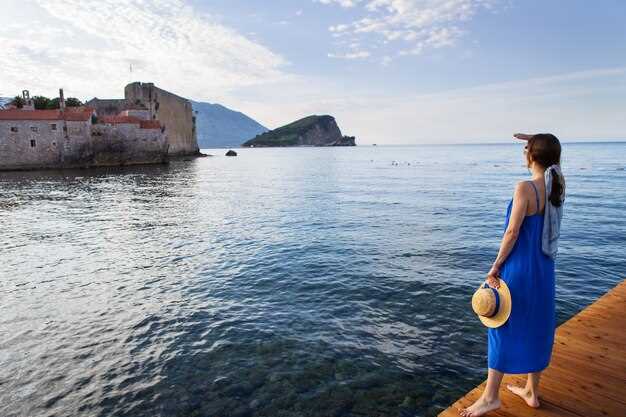
Start with a calm morning drop near Marina di Puolo, Massa Lubrense, and set a full-day schedule with a licensed captain and a small tender. A guided maritime tour lets you reach secluded coves along the southwest coast, catching gentle waves and soaking in the scenery while you relax on deck. Rely on guides for tides, currents, and safe routes.
Cala di Puolo (Massa Lubrense) offers shallow, clear water ideal for snorkeling when currents are favorable. If you anchor near the beach, you can launch a scooter to scout the rocky inlets; once ashore, locals offer fresh seafood and limoncello at small shops.
In praiano, the wind-protected cove and private access point at La Gavitella beach reward divers with calm seas and sunset views. A short stern-to anchor lets you hop to cliffside restaurants; after resting, you can rent a scooter, stroll through the houses, and soak in the very laid-back rhythm of village life, with insights from locals.
Capri’s Marina Grande and nearby coves offer a luxury rhythm, with a fleet of vessels that provide private tours and on-board services. For snorkeling, you can inspect the underwater grotto around Capri, while guides explain currents and seasonal conditions; prepare for a very scenic cruise with dramatic cliffs and azure water.
Coordinate with locals and a reputable agency that offers full safety gear, underwater maps, and a fleet of tender boats. Visit shops along the coast for delicious seafood and limoncello, ask about houses for overnight stays, and gain insights from residents who keep this maritime route alive while enjoying a luxury day on the water.
Which beaches in Naples are reachable by boat from the harbor
Recommendation: Begin with maronti on Ischia; the unspoiled shore sits along a long arc and is easy to reach from the harbor by watercraft. It sets a vibrant tempo for a Tyrrhenian day and presents an approachable first stop that meets your aim.
Next, plan a loop to Baia di Ieranto near Massa Lubrense for a secluded cove that remains a locals’ favorite. The portus approach is straightforward, and a short tender lands you on a rocky shore where devotion to sea life is evident in the village rhythms. Insights from local skippers highlight the southern Campania coast’s mosaics of light on water–the scene remains calm enough for a quick swim or a bagno before continuing.
Cala di Puolo, a short hop from Massa Lubrense, offers a cozy cala by a working fishing village. A tender can drop you near a bagno and a stroll to the nearby square, where mosaics decorate the walls. The setting sits sheltered and family-friendly, with gentle currents for a safe dip.
Capri’s La Fontelina is a classic mid-day stop; a fleet of boats from the harbor delivers you to a protected cala with turquoise water and a cliff-backed panorama. The place is characterized by timeless devotion to maritime culture, often presenting ideal conditions for a brief snorkel before resuming the circuit.
Procida’s La Chiaia completes the circuit: a longer hop to the southern island offers a relaxed village atmosphere and La Chiaia’s shallow, sheltered shore. This bay remains unpretentious, with bagni, simple eateries, and a touch of mosaics in the quay area that reflect the island’s present-day charm on the Campania coast.
| Spot | Area | Access by Tender | Distance (nm) | Highlights | Примечания |
|---|---|---|---|---|---|
| Maronti (Ischia) | Ischia | Yes (dock near Ischia Porto; tender to shore) | 18–22 | unspoiled shore; long arc; family-friendly | best in morning; portus approaches available |
| Ieranto Bay | Massa Lubrense | Yes (small quay, rocky shore) | 15–18 | secluded; emerald water; cliff-framed | watch westerlies; bagno on shore |
| Cala di Puolo | Massa Lubrense | Yes (shoreline near village) | 16–20 | cozy cala; fishing-village vibe | tidal rocks; pleasant stroll to nearby paese |
| La Fontelina (Capri) | Capri | Yes (dock or near shore) | 20–24 | iconic turquoise cala; beach club access | reserve a lunch slot at the bagno |
| La Chiaia (Procida) | Procida | Yes (near port; tender to shore) | 22–28 | relaxed village atmosphere; calm bay | evening light ideal for photos |
Launch points, marinas, and docking options around Naples
Begin at Tin City’s City Dock for an excursion-ready start; this launch point sits on the Gordon River and grants fast access to backwater creeks and mangrove tunnels, with a short walk to fuel and waterfront dining. This spot is among the area’s most practical for quick, shallow-draft routes that align with daytime trips. From here, excursions push toward Caxambas Pass and the Ten Thousand Islands, this makes it easy to keep the heart of your plan centered on water.
Public ramps include the Cocohatchee River access and the Delnor-Wiggins Pass ramp; both located along the coastline and serving mid-size watercraft. Facilities offer parking and restrooms; expect calm mornings and occasional surf on wilder days.
Premier marinas: Tin City City Dock (downtown waterfront) provides transient slips, pump-out, fuel, and dockside stores; Port of the Islands Marina on Marco Island offers slips, electricity, fuel, and on-site provisioning; Marco Island Marina presents full services and guest slips with a nearby market.
Docking options include short-term slips, mooring buoys, and seasonal leases; book ahead during peak season, and verify arrival windows with the harbor master.
Snorkeling choices include immersive guided excursions to reef pockets along nearshore shoals; operators rent gear and offer family-friendly trips, with sunset cruises that appeal to different interests.
Insider tip: talk with harbor staff; locals speak about the roots of the waterway and the century-old maritime culture. If you’re looking for a casual bite afterward, gennaros and julius stand out, with limoncello and regional dishes. mexico influences show in hospitality and menus, while the heart of floridas coast remains welcoming; bathhouses nearby offer a quick rinse before heading back.
Gear, packing, and daily essentials for a Naples boat day
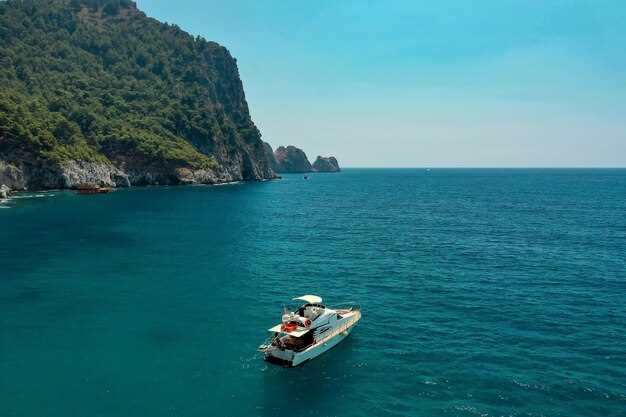
Start with a dellovo dry bag system and sunscreen at SPF 50+. For a half-day plan, keep gear lean and divide into three zones: personal care, crew comfort, and navigation safety. In naples harbor area, a clear route makes groups easier to manage and lets you relax later in the day. If youre with a local fleet of vessels, coordinate times to share space near the port.
- Dry bags: dellovo 20–30 L per person to keep phones, keys, and towels dry.
- Sunscreen: broad-spectrum SPF 50+ with water resistance; reapply every two hours.
- Hats, UV shirt, and polarized sunglasses to cut glare off waves.
- Hydration: at least 2 L per person, plus electrolyte packets.
- Snacks: energy bars, nuts, and dried fruit for a quick boost.
- Footwear: water shoes or quick-dry sandals; pack a spare pair.
- Resting chair: a compact foldable seat for long stretches; a light blanket helps in shade.
- Safety and signaling: whistle, compact flashlight, and a basic first-aid kit.
- Valuables protection: waterproof case for phone and camera; spare battery bank.
- Navigation and planning: map or offline GPS; share the plan with someone on land-based contact.
- Beach towels and a small towel for drying after underwater activities.
Safety and comfort: distribute weight evenly on the craft to keep stability; keep decks clean and dry; store valuables in dry bags when entering the water. If youre traveling with three groups, designate a lead guide; two guides were ready to coordinate gear, snacks, and safety checks. Guides and services can tailor a half-day schedule that feels unrushed and captivating, with a dazzling coastline to enjoy and breathtaking views from the harbor mouth.
Practical routine: check tides and wind direction before departure; choose sheltered coves if waves pick up. Keep a land-based contact for updates, and return to a port early enough to rinse gear and switch to dry clothes. When you finish, rinse equipment near a shore facility and store in dry bags to keep the gear ready for the next adventure. The feel of a calm, well-planned trip often turns an ordinary afternoon into a memory that remains in your neighborhood for years.
Safety rules, permissions, and environmental guidelines for boating near beaches
Obtain clearance from the harbormaster before departure and share your float plan with a trusted person. Times, tides, and weather can shift quickly; below is a concise safety and stewardship checklist for the naples peninsula to protect people, wildlife, and sites.
- Safety gear and signaling: every person on board wears a properly sized PFD; have a throwable device accessible; carry a whistle, flashlight, and VHF radio on channel 16; read and follow the safety symbols on gear and equipment labels.
- Permits and permissions: verify anchoring or mooring with the marina service desk or port authority; obtain any licenses required for restricted zones near the peninsula; for Maronti spot access, secure explicit permission before approaching or tying to mooring buoys; when unsure, prefer guided services from licensed operators.
- Environmental stewardship: maintain a slow speed and minimal wake to protect shoreline and wildlife; avoid seagrass meadows (Posidonia oceanica) and other fragile habitats; do not touch underwater relics or submerged archaeological sites; respect historical lore and coastal secrets, and keep hands and gear clear of sensitive bottoms; adhere to extensive regulations to preserve the area’s character.
- Waste management and fueling: carry all trash back to port and use pump-out facilities for sewage; no discharge of bilge or gray water within 100 m of shore; refuel at designated stations and keep spills contained with absorbents; never dispose of oil or chemicals in the water.
- Anchoring and navigation: use designated mooring buoys when available; anchor only in sandy bottoms away from seagrass meadows and protected zones; maintain a safe distance from swimmers, surf, and other craft; avoid leaving the vessel unattended in the surf zone.
- Wildlife protection and heritage: observe birds and marine mammals from a distance; do not harass or feed wildlife; if you encounter underwater relics or submerged ruins, do not touch and report to authorities found below the surface; preserve the historical fabric of coastal cities along naples gulf and beyond.
- Communication and emergency planning: monitor weather forecasts and tide times; plot a route that allows a quick escape to a sheltered spot if conditions worsen; in danger, dial 112 or use VHF channel 16 and signal with flares if needed.
naples area offers extensive opportunities to enjoy Maronti and other coastal spots with a thoughtful approach. Start early, follow the original route that respects shoreline rhythms, and rely on world-class marina service for guidance. Though it requires discipline, this choice yields an immersive experience with rich, historical lore and safe, responsible enjoyment for people on board and those living in nearby cities, while preserving the sandy shores for future visitors.
Top 5 nearby beaches: quick-access notes and highlights
Begin with Cala di Puolo for a half-day splash: paid parking along the road, a calm swimming zone, and sands that blend pebbles with soft patches. This cala sits perched above the water, with views that sweep the coastlines toward the peninsula and beyond. From the nearby piazza, send a quick note to a friend about your plan. Elena, a patron of local service, notes the devotion of fishermen here and the history that threads the harbor. Once you arrive, you feel an unforgettable moment and you wonder at the horizon, yourself immersed in sea air.
Miseno coast offers a broad sands stretch ideal for a half-day escape: paid parking nearby and a straightforward service setup–chairs, umbrellas, snack stalls. It ranks among the biggest coastlines in the area, with ancient fortifications behind the dunes adding a touch of phlegraean history. From the end of the promenade, the views sweep across blue water toward the islands, and you can spot the city lights on clear evenings.
Cala Gaiola, a sheltered cala near Pozzuoli, is the ideal stop for swimming and snorkeling. The rocky shelves drop into turquoise water, with sands washing into tiny coves that stay calm most mornings. It sits within a marine-protected zone, with a dedicated service keeping things clean and safe. Perched above the water, remnants of Roman villas whisper about history, making the visit unforgettable. From the cliff path, the views sweep across the phlegraean coastlines toward the islands.
Cala Mitigliano in Massa Lubrense offers a quieter, intimate stop: a small, guarded cove with clear water, ideal for swimming and picnics. The approach path is a short descent from the road, and the stretch of sands here invites you to linger. The scene is a reminder of the region’s enduring history, while the phlegraean backdrop adds depth to the moment.
Finish at Lido di Licola completes the circuit: a long, sandy coast with dotted rows of parasols and a mix of paid and free sections. Service options range from casual bars to beach clubs; you can rent chairs and umbrellas for a half-day, or simply stretch on the sands. The coastlines here tell a quiet history once lived by patrons and local families, and a nearby piazza is a convenient spot to send a message home. Elena would remind you to save energy for the sunset and to reflect on the wonder you felt at the horizon.