


 Русский
  English (UK)
  العربية
  日本語
日本語  한국어
한국어  Magyar
  Türkçe
  Español
  Čeština
  Svenska
  Português
  Ελληνικά
  Suomi
Suomi  Nederlands
  Română
  Italiano
  Français
  Polski
  Українська
  Deutsch
  简体中文
简体中文  Slovenčina
 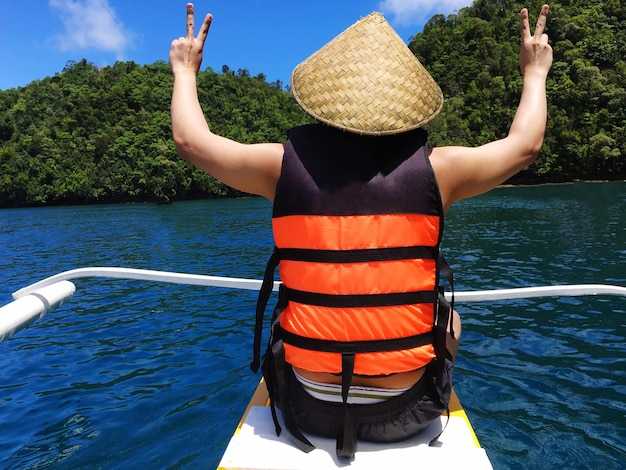 10 Must-Try Summer Boating Activities for Your Bucket List">

Взять паддлборд на рассвете, чтобы начать на open вода и насладитесь расслабляющим скольжением. Рассвет над спокойной рекой дарит минимальную рябь, свежий воздух и отражения, которые обостряют чувства.
Через марины и тихие бухты, эти идеи сочетают практические шаги с простыми удовольствиями. Используйте прикрепленные причалы для аренды снаряжения, убедитесь, что подержанное оборудование в хорошем состоянии, и выбирайте маршруты по спокойным рекам, где качка волн остается минимальной. Сапсерфинг развивает равновесие, а бодиборд дарит брызги рядом с защищенными отмелями.
Маршруты по открытой воде могут быть расширены с помощью быстрого перехода на моторные суда для преодоления больших расстояний и достижения отдалённых гаваней, а затем возвращения на берег. изучить waterfront neighborhoods. Преимущество смешивания типов лодок заключается в скорости на некоторых участках и неподвижности на других. На маринах вы можете перекусить в местных ресторанах и понаблюдать за тем, как лодки дрейфуют мимо.
Каждый день может колебаться между более спокойным течением и умеренными вызовами — начните с first прогуляйтесь вдоль рек, затем переключитесь на участки для паддлбординга и завершите короткой сессией на волнах на вау-борде рядом с защищенной бухтой. Это adventures Этот подход поддерживает что-то новое в поле зрения, когда вы открываете карту и обозначаете короткий цикл, сочетающий в себе природные достопримечательности с развлекательными остановками.
Полезные советы: проверяйте прогнозы ветра, надежно закрепляйте снаряжение и прикрепляйте опознавательные знаки к оборудованию; держите на борту легкий аварийный комплект. Сочетание расслабляющих моментов на воде и активного исследования дарит день, который кажется одновременно новым и практичным.
Ultimate Summer Boating Bucket List
Отправьтесь в путь на рассвете к продуктивному рифу, затем бросьте якорь до того, как поднимется жара; более спокойная вода улучшает прозрачность снорклинга и увеличивает шансы увидеть махи-махи чуть за линией водорослей.
Гребля по двухчасовому маршруту вокруг укромного места позволяет сравнивать расстояния до береговой линии или скального выступа; возьмите ласты и маску, ориентируйтесь по течениям, возвращайтесь к лодке вместе.
Плывите с маской вдоль края красочного рифа, а затем дрейфуйте по течению, чтобы фотографировать рыб и кораллы; либо оставайтесь в мелкой воде, либо погрузитесь в более глубокие каньоны.
Ночная стоянка у тихого залива, старт на рассвете для круиза на восходе солнца; звезды над головой обрамляют горизонт, пока вы готовите простого махи на палубе.
Посещайте мероприятия и концерты в маринах; многие порты проводят выходные рынки и живую музыку, создавая расслабленную атмосферу после занятий на лодках.
Этот вариант включает в себя длительный путь к отдаленному пляжу, где вы будете заниматься сноркелингом, снимать пену с корпуса и плавать со школами рыб.
Встречайтесь с единомышленниками-капитанами, присоединяйтесь к ним за волноломом, делитесь советами по приготовлению барбекю, обменивайтесь знаниями морских узлов и планируйте совместные ночные путешествия.
Держите безопасность в приоритете: носите с собой базовую аптечку первой помощи, спасательные жилеты и следите за временем ветра и приливов, когда море спокойное; будьте внимательны к надвигающимся штормам.
Креативные детали возвышают путешествие: возьмите компактную камеру, установите портативный гриль, принесите легкую гамак и отметьте этот опыт воспоминаниями, которые останутся навсегда.
Водные лыжи для начинающих: снаряжение, места и безопасность
Начните с посвященного урока в защищенной бухте естественного озера, где опытный инструктор использует длинный буксировочный трос и устойчивую платформу для лодки. Возьмите напрокат или одолжите стартовый комплект, который включает в себя широкие и устойчивые лыжи с регулируемыми креплениями, спасательный жилет, одобренный Береговой охраной, и ручку на подходящем буксировочном тросе. Наденьте плотно прилегающий спасательный жилет, выберите шлем по желанию и добавьте наколенники; солнцезащитный крем и шляпа завершают защиту от солнца для долгих дней на воде.
Необходимые вещи.
- Водные лыжи с широким профилем и удобными креплениями
- PFD (тип III) и необязательный шлем
- Буксировочный трос длиной около 25–28 футов (7,5–8,5 м) с мягкой рукояткой
- Неопреновый гидрокостюм или защитная от ультрафиолета одежда для тела
- Наколенники и нескользящая обувь для береговых учений
- Солнцезащитный крем, бутылка воды, шляпа
- Устройство De-kit для записи сессий, скоростей и повторений
Места, подходящие для новичков
- Спокойные внутренние озера с минимальным ветром и неглубокими пологими берегами
- Защищенные бухты вдоль побережья с мягкими береговыми линиями.
- Марина Бэйс, предлагающая защищенные воды и повторяющиеся волны
- Морские районы только при слабом ветре и небольших волнах
- Живописные водоемы, обеспечивающие стабильные тренировочные дорожки для начинающих.
Техника и безопасность
- Убедитесь в погодных и гидрологических условиях; стремитесь к ветру менее 15 миль в час и волнам примерно до колена или ниже.
- Используйте выделенного наблюдателя и спасательную шлюпку; соблюдайте безопасное расстояние от пловцов и якорей.
- Во время тяги держите колени согнутыми, таз отведен назад, а вес смещен на носки; руки прямые, хват расслаблен.
- Перейдите в высокую, устойчивую позицию; плечи ровные, голова поднята, взгляд направлен вперёд; избегайте раннего поворота бёдер.
- Период восстановления между подходами; гидратация, растяжка икр и подколенных сухожилий, и анализ того, что сработало.
Прогрессия и перекрестное обучение
- Начните с коротких поездок, затем добавляйте 5–10 секунд на каждый проход; постепенно увеличивайте продолжительность сессий.
- Тонко настраивайте длину троса и скорость лодки небольшими шагами. Большинство учеников сталкиваются со скоростями около 18–25 миль/ч.
- Занимайтесь кросс-тренингом, включающим каякинг или другие водные виды спорта, чтобы улучшить равновесие, силу кора и осознанность тела.
- В отличие от трюков с высокими стенами, сосредоточьтесь на устойчивом приеме и контролируемых краях.
- Постепенно меняйте длину троса или скорость, чтобы мышцы адаптировались, оставаясь в пределах комфортной зоны.
Последующий уход и социальная поддержка
Завершите процесс, промыв снаряжение, тщательно высушив его и храня в вентилируемом мешке. Когда команда будет готова, отпразднуйте это барбекю на пирсе, поделитесь клипами и оглянитесь на достигнутый прогресс; такие моменты укрепляют рутину и мотивацию. Если прогресс замедлился, перепроверьте соответствие снаряжения, натяжение веревки и скорость лодки, а затем постепенно вносите корректировки. Цель остается в том, чтобы укрепить силу и уверенность, наслаждаясь живописными занятиями на природных водоемах и сохраняя привычный баланс между напряженными и более легкими днями. Они также могут добавить каякинг, чтобы разнообразить водный спорт и поддерживать новизну.
Kayak против Stand-Up Paddleboard: выбор правильного судна для вашей группы
Выбирайте каяки, когда экипаж ценит стабильность, вместительность и гибкость в рассадке. Двух- или трехместная модель позволяет держаться нескольким участникам вместе, а вариант каноэ становится привлекательным, если важна большая загрузка снаряжением и прямая видимость между участниками группы.
Надувные доски для гребли стоя отлично подходят для тематических однодневных поездок по спокойной воде, быстро устанавливаются и имеют более короткий период обучения. Тандем SUP может перевозить двух гребцов и при этом оставлять место для снаряжения; иногда во время перерывов на более легкую доску просят подсесть третьего участника, что создает возможность для смены упражнений и поддержания высокого уровня энергии при занятиях водными видами спорта.
Выбор обусловлен конкретными условиями: ветер и течение, включая рябь и порывы, влияют на устойчивость; каяки хорошо держат курс, прорезая рябь, а доски для гребли стоя могут быть менее снисходительными. На причале с пандусом вход и выход более плавные с каяком, в то время как SUP предлагает быстрое развертывание с берега, если вода спокойная.
Механика гребли различается: в каяке используются вращения корпуса при фиксированных креплениями ногах; в SUP делается более длинный гребок вперед, при этом сохраняется широкая стойка с согнутыми коленями для амортизации волн; отточенная техника позволяет избежать усталости.
После перерыва на купание и отдых осмотрите снаряжение: погнутые весла или сломанные крепления вызовут сожаление. Всегда проверяйте наличие подводных опасностей и дрейфа, и держите безопасную дистанцию от других на воде.
Оба варианта приносят пользу; сохраняйте минимальный комплект снаряжения, чтобы сократить расходы. Если пространство или погода меняются, переключитесь на альтернативный вариант; начавшись как простое семейное занятие, он становится гибким планом, который вмещает трех-четырех участников.
Sunset Harbor Cruises: Советы по фотосъемке и места для ужина
Забронируйте места на носовой палубе и зарегистрируйтесь за 15 минут до отправления, чтобы обеспечить себе беспрепятственный свет над водой. При таком раскладе силуэты эффектно выделяются на фоне золотого неба, что станет расслабляющим началом круиза на фоне горизонта.
Основы фотографии: снимайте в RAW, устанавливайте экспозицию вручную, баланс белого «облачно» для теплых тонов, держите ISO низким, диафрагму около f/8, выдержку 1/125-1/200, используйте серийную съемку, чтобы запечатлеть волны.
Креативные советы по кадрированию: размещение основных элементов по правилу третей, в отличие от статичных перспектив, сочетание парусов, паромов и линии горизонта с отражениями на мокрых палубах. Преимущество заключается в многослойной композиции, часто придающей глубину, которая выделяется на фоне темнеющей воды. Обратите внимание на размещение ключевых объектов на сетке третей.
Оборудование и уровни опыта: новички могут начать с широкоугольного объектива, чтобы запечатлеть панораму гавани, а затем перейти к телеобъективу, чтобы выделить детали; устойчивость при съемке с рук помогает на движущемся судне. Огни на берегу добавляют текстуру; для подводных снимков установите водонепроницаемый корпус на экшн-камеру, если позволяет прозрачность воды. Носите с собой несколько мелких инструментов, таких как запасной аккумулятор, салфетку для объектива и микрофибру, чтобы поддерживать оборудование в готовности. Необходимость быть готовым означает наличие компактного дождевика и налобного фонаря для ночных съемок.
Маршрут и остановки: хорошо работает план с двумя остановками: фотопауза у входа в гавань, затем обеденная зона на берегу пристани для яхт со стеклянными комнатами, улавливающими вечерний свет; возможно, третья якорная стоянка около прибрежных островков.
Варианты питания: гриль у пристани со свежим уловом, осьминог на гриле, севиче с цитрусовыми; бистро на берегу реки, предлагающее дегустации белого вина; в меню акцент на сезонные продукты. Популярность мест у пристани растет в «золотой час», благодаря местам с видом на воду.
Оздоровление и безопасность: отдыхайте между кадрами, пейте достаточно воды, носите нескользящую обувь, используйте солнцезащитные средства; команда предоставляет спасательные жилеты и проводит инструктаж по технике безопасности. Легкая разминка на палубе помогает сохранять устойчивость рук при создании длинных выдержек. Тем, кому нужна тень, могут укрыться в углах каюты или под защитными навесами. Атмосфера остается дружелюбной, но при этом этот опыт остается расслабляющим.
Подведение итогов сосредоточено на обучении, релаксации и творческих исследованиях, отвечая их любительским и рекреационным амбициям. План предусматривает несколько уровней с опциями, варьирующимися от широких панорам гавани до детализированных снимков крупным планом; морские маршруты открывают более широкую цветовую палитру.
Dock-and-Dine: 7 мест, как пришвартоваться, главные блюда меню
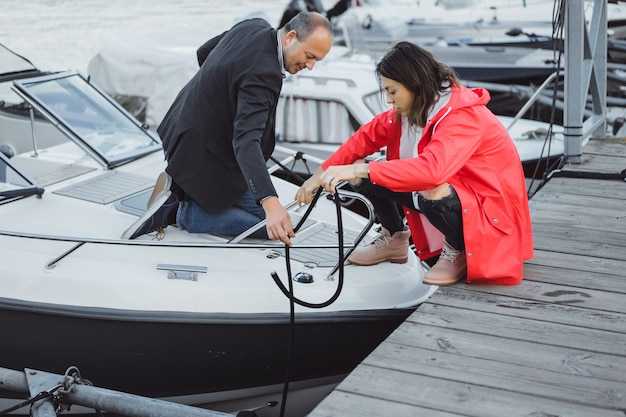
Причаливайте на рассвете, чтобы минимизировать кильватерную струю, закрепите корму шпрингом, зафиксируйте на кнехте, установите прочные кранцы, затем сойдите на берег с крыла с готовой помочь командой. Такая подготовка обеспечивает плавность, пока гости втягиваются в прибрежный ритм, быстрая разминка перед началом дегустации.
Причал Harborfront Market Pier – Швартовка: подходите правым бортом, заведите носовой швартов на фиксированный кнехт, затем проведите шпринг к корме; держите канат натянутым, пока гости переходят через крыло к ожидающему докеру. В меню: морской окунь на гриле с лимоном, салат из фенхеля, картофель с травами; жареная кукуруза; крафтовый хлеб; а также дегустационный сет крафтового пива. Идеи для программы: дегустация на восходе солнца или социальный вечер на закате с искусством вдоль доков. Ищете ли вы изысканную атмосферу или непринужденное веселье, эта остановка обеспечит такой баланс.
Marina Bay Social Club – Швартовка: используйте кормовой шпринг, привяжитесь к кнехту посередине пирса, отрегулируйте кранцы, гости переходят с крыла на причал. В меню: креветки, приготовленные на гриле с чили-лаймовой глазурью, салат из манго и авокадо, хрустящий хлеб и подходящее к ним легкое белое вино. Вкус – превыше всего; светская атмосфера нарастает с послеобеденными коктейлями, а смелые блюда придутся по вкусу даже консерваторам. Такой подход поощряет приключения, а ожидание у причала сокращается, даже когда собирается толпа.
Бухта Санрайз, палуба – Подход к причалу: подходите носом, закрепитесь за кнехт коротким тросом, держите миделевые кранцы на плаву, затем сойдите на причал через кормовое крыло. В меню: лосось в цитрусовой глазури, жареная спаржа, салат из киноа и коктейль на крыше. Варианты программы: утренняя дегустация с командой, прогулка в кафе неподалеку в середине утра, затем возвращение под парусом. Этот причал подойдет как любителям элегантности, так и непринужденной обстановки.
Ресторан Oceanview Quay Kitchen – Советы по швартовке: подходите медленно, используйте кормовой шпринг, закрепите кормовые канаты, убедитесь, что кранцы выровнены по корпусу. В меню: обжаренные морские гребешки, картофель в чесночном масле, зелень с лимоном и местный цитрусовый сорбет. Забронируйте столик в отдельной кабинке в марине, чтобы насладиться роскошью уединения; а после трапезы можно совершить небольшую светскую прогулку по причалу. При спокойном ветре, коротких поворотах и точной работе с канатами время ожидания сокращается, и все проходит гладко.
Wing & Tide Dockhouse – Процедура швартовки: подходите с правого крыла, закиньте швартовый трос на кнехт, затем протяните шпринг к корме; кранцы расположены так, чтобы оставаться на плаву. Главное в меню: хвост лобстера на гриле, кукурузный суп, цукини лентами и охлажденное розовое вино. Вкус мотивирует группу; это место подходит для любителей приключений с дымными соусами и цитрусовыми акцентами. Во время заката социальная энергия достигает пика, когда волны создают естественный ритм. Используя край крыла, гости выходят на берег с большим пространством, и такое расстояние поддерживает бодрое настроение.
Бистро ’Бухта приключений» – Подход: швартовка правым бортом к плавучему доку, держать канаты внатяг, регулировать в зависимости от силы ветра, гости выходят через крыло в сопровождении гида. Главные блюда меню: меч-рыба в мисо-глазури, салат из фенхеля, кунжутный рис и десерт из карамболы. Любители приключений ценят фирменные блюда дня и яркие вкусы; прогулка на веслах по бухте после ужина добавляет ощущение таинственности. Здесь все удовлетворяет тягу к приключениям, а до автомобиля или шаттла можно дойти пешком, в зависимости от количества людей.
Harbor Lights Deck & Cruises – Швартовка: держите нос судна параллельно пирсу, закрепите носовым тросом и шпрингом, разместите достаточно кранцев; гости перемещаются по крылу на приветливый трап. В меню: поке с тунцом в цитрусово-чили соусе, картофель фри с морской солью, микрозелень и освежающий мохито. После трапезы центром внимания становится вечеринка на борту в краткосрочном круизе; здесь каждый найдет что-то для себя, от уютных уголков до открытых палуб. Ближайшие пристани обеспечивают доступ, а любители приключений ловят рассвет или ночную атмосферу на воде. Здесь все говорит о вкусах, приключениях и социальном движении.
Правила сборов и советы по безопасности для летнего дня на воде
Начните со сбора компактной аптечки и проверки снаряжения перед выходом. Включите спасательный жилет подходящего размера для каждого пассажира, свисток, водонепроницаемую карту, герметичный мешок, спасательный линь и базовый набор первой помощи. Сборы займут всего несколько минут. Держите все под рукой в открытом месте и убедитесь, что есть запасное весло для быстрой замены. Идеальная обувь - водные тапочки с нескользящей подошвой, чтобы защитить ноги и улучшить устойчивость.
Выбор снаряжения имеет значение: спасательные жилеты должны быть подходящего размера; дети должны носить плотно прилегающие PFD и находиться в безопасных зонах. Во время простоя взрослый сидит рядом с носом лодки для присмотра. Держите запасной фонарь и водонепроницаемую сумку рядом с командой. Правильно подобранная защита снижает риск, когда поднимаются волны.
Проверка погоды: прогноз, ветер и температура воды. После восхода солнца температура быстро растет, поэтому планируйте короткие передышки и время в тени. Часто пейте воду, наносите солнцезащитный крем и носите легкую шляпу, чтобы уменьшить блики. Осведомленность об открытой воде помогает скорректировать курс до изменения условий. Короткая, легкая тренировка поможет поддержать выносливость.
Экипировка для занятий водными видами спорта различается: для гребли на каноэ нужно прямое весло; для вейксерфинга — ласты и лиш для доски; райдер остается в пределах обозначенной зоны. Когда райдер заявляет о новом трюке, демонстрации должны быть короткими и безопасными; результат впечатляет, когда время совпадает с большими волнами. Прыжки следует выполнять только после обретения уверенного контроля; в противном случае избегайте их. Креативные упражнения, начинающиеся медленно, приносят пользу как новичкам, так и продвинутым участникам, облегчая выполнение движений. Условия на воде могут меняться, поэтому всегда следите за обстановкой и корректируйте свои действия.
Техника безопасности на открытой воде и осведомлённость о подводном мире: следите за подводными опасностями возле мест стоянки на якорь и рифов, и держите безопасную дистанцию от других судов. По возвращении промойте снаряжение пресной водой, полностью высушите его и уберите подальше от прямых солнечных лучей. Осмотрите верёвки, ласты, вёсла и жилеты; своевременное обслуживание сейчас обеспечивает надёжность снаряжения для следующего выхода.