


 Română
  English (UK)
  Русский
  العربية
  日本語
日本語  한국어
한국어  Magyar
  Türkçe
  Español
  Čeština
  Svenska
  Português
  Ελληνικά
  Suomi
Suomi  Nederlands
  Italiano
  Français
  Polski
  Українська
  Deutsch
  简体中文
简体中文  Slovenčina
 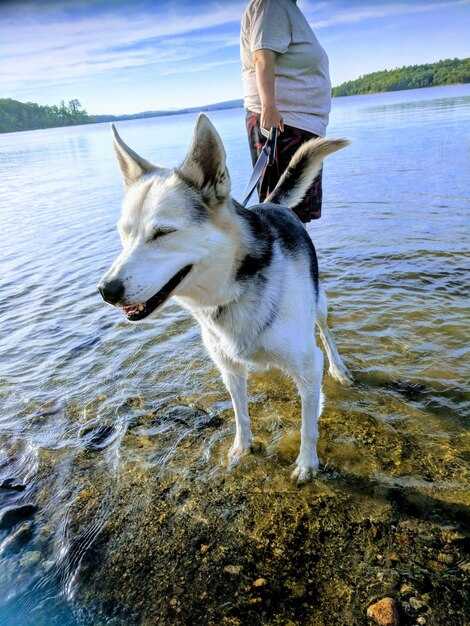 Your Ultimate Guide to Fishing with a Dog – Tips, Training, and the Best Breeds">

Start with an easy, shore-based session to gauge what your dog enjoys near waters. initially observe calm responses and use mindful cues to build trust. Decide whether your plan focuses on swimming, retrieves, or calm exploration, what the dog wants matters; this helps you tailor the session to their time. If your dog stays relaxed, you can extend the time and explore deeper water gradually, otherwise stay on safe, on-land practice until youre ready.
Have these items ready: a well-fitted life jacket, a comfortable harness, a long line, and treats for positive work rewards. Ensure you have the needed gear ready for every trip. Start with on-shore drills, then move to shallow pools and finally longer swims if signals stay calm. Focus on recall, place, și leave it commands, turning training into short, mindful work blocks. Track time and responses so you can adjust the pace, and ensure you’re not overloading their energy or patience. These steps are helpful for those moments when nerves rise.
Best breeds for fishing trips include Labrador Retriever, Portuguese Water Dog, și Chesapeake Bay Retriever. They swim well, tolerate splashes, and stay cooperatively by your side in boats or on docks. If you want a smaller option, look for a retriever mix with a calm temperament and a love of water. For any breed, plan grooming to avoid mats after mud, trickles of spray, and exposure to salt; check coat care needs and monthly brushing time.
Training timeline: initially 3–4 sessions per week of 15–25 minutes, then lengthen to 30–40 minutes as endurance builds. Track their progress with a quick log: note reliable cues, signals that take longer, and where fatigue appears in spaces like bank, shallow pool, or boat deck. Finally, review your plan every couple of weeks and adjust gear, pacing, and rewards so youre always supporting their best work, and so those outcomes stay practical and fun for both of you. If it isnt clear, slow down and adjust.
Dog-Friendly Fishing Guide
Always bring a properly fitted dog life jacket and a short, adjustable leash for the boat or shore. These items protect your bond and keep everyone calmer on the water.
Check local rules before you head out, and review weather, tides, and boat-fishing limits with fellow fishermen.
Initially train your dog to stay in place, come when called, and ignore moving tackle and bait. Start inside, then move to the yard, and finally practice near water with a leash.
Pack a grab bag with water, collapsible bowl, poop bags, a towel, and a compact first-aid kit; dont forget a spare leash and a toy to hold interest while you cast.
On the water, keep your dog on a short line near shore, and supervise every cast to prevent tangles with tackle or bait. Follow a simple order for the day: water, recall, rest, then cast.
In hot months, offer frequent water breaks and shade breaks. Theyre more relaxed and less likely to react loudly if they have access to fresh water and shade. If you see heavy panting or hesitation, call them in and pause the action.
Keep training simple and positive; use a nice tone, a soft leash, and quick rewards after calm stays. This approach strengthens the bond and makes everyone feel welcome on the water.
andrew notes that gradual exposure yields much experience: start at quiet local ponds, then move to streams, then to lakes with low boat traffic. These moves help both you and dog gain confidence in outdoors settings.
Most outings run smoother when you prepare for common challenges: stay observant for signs of fatigue, keep a tidy tackle area, and let your dog be part of the routine without distractions. Take care of woods nearby during practice sessions and build a calm, predictable pattern that fits your local routine.
How to Choose the Best Fishing Dog Breed for Your Style and Environment
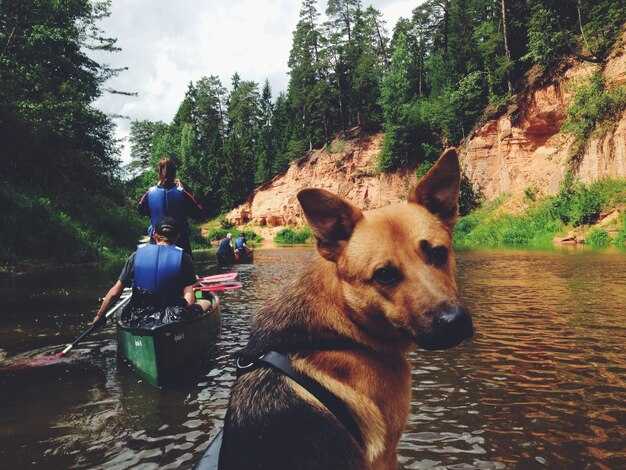
Choose a water-loving retriever with a waterproof coat for river fishing, and pair it with consistent, positive training and a clear response to call on every outing.
- Define your style and environment: river, lake, or boat work–choose a breed that explores with curiosity, stays calm around people, and handles lots of activity without getting tired. thats why you keep momentum and enjoy every outing.
- Look for strength in swimming, a confident back stance near the water, and a quick response to call so the dog stays close when you call. A dog that swims well and stays focused makes fishing safer and more enjoyable for both of you.
- Size and handling: pick mid-size to large but with a sturdy frame, a waterproof harness, and a safe place for the dog in your boat or on the bank. Tie or tying the leash securely when needed, and keep the back area clear of gear.
- Training plan: train in short, positive sessions; adding new tasks gradually to keep curiosity high; use plenty of rewards to reinforce good behavior and response. Train whether you fish from shore or boat, and keep response consistent.
- Safety gear and setup: fit a properly sized life jacket, use a waterproof collar, and tie the leash to your belt or boat cleat when the water is rough. Leave extra space on deck for calm moments, and watch for signs that something happen so you can react quickly. Windows of quiet time help the well-being of your partner.
- Water proximity habits: practice entering and leaving the water in shallow areas, alternate swimming with rest, and look for tired or asleep signs. This balance improves safety and keeps both you and the dog happy on the river.
- Environment planning: choose days with light wind and calm current to build confidence in swimming and shore work. Go explore the river and bank, keeping plenty of breaks so the dog stays rested and ready for the next cast. Thats where this approach is helpful for both new and experienced handlers.
- Practical checks: ensure the coat stays waterproof, check for wear after each trip, and be ready to leave the area if the wind or current picks up. A well-prepared dog goes with you, and that adds to your success every time.
Using this approach, you’ll select a breed that aligns with your style and environment, keep safety at the forefront, and enjoy plenty of productive, positive days on the water.
A 6-Week Training Plan for Calm Behavior on Boat and Shore
Begin with shore sessions totaling about 3 hours this week: 15 minutes per session, four days, always within sight on a leash. Reward calm with a treat when the dog settles, and log responses to each cue. This baseline prevents a heavy struggle later and sets a clear pattern for progress. If a session goes off track, revert to the Week 1 basics.
Week 2 – Gentle water exposure and basic cues: Bring the dog to the dock and practice sit, down, and stay within 6–8 feet. Move into a docked canoe for 5–7 minutes, then return to shore; repeat twice this week. End each session with a long, slow treat interval to reinforce calm behavior. These cues are practiced daily to build consistency. If tension rises, try another short iteration, then resume. You may wonder at how quickly calm returns.
Week 3 – On-board calm with a small boat: Load the dog into a quiet seat or mat, then cast a line while the dog remains seated and relaxed. If the dog shows signs of restlessness, pause and reward only when the body is still; gradually increase time on board to 10–15 minutes. The goal is engaging without tension, enjoying the motion rather than reacting to it.
Week 4 – Time on water grows, distractions increase: Schedule 25–30 minutes on water with a helper; as you cast, the dog should hold a sit or down and watch you. Practice recalls from a short distance, and gradually add passing boats and people. Use plenty of praise and a small treat after calm moments; Make no mistake: this steady routine keeps the same expectations across sessions. This approach makes progress measurable.
Week 5 – Real-world distractions and community presence: Move to a fenced area on shore with fences to practice distance, keeping within 15–20 feet on a long line. Invite friends and others to walk by to simulate a real outing; carry plenty of snack-style treats to reward calm responses. Having andrew at the dock during a community outing helps your dog stay confident; if the dog grabs at objects or attempts to escape, redirect to you and use the example cue to return to calm focus, and a grin from you marks progress. Thats why you maintain consistent cues across outings. Having a plan reduces guesswork and improves safety.
Week 6 – Longer outing, assessment and plan for future: Plan an on-water session lasting 1–2 hours over waters with a calm, steady pace. Turn sessions into a routine that your dog enjoys; watch for signs of sleep–being asleep on a mat is fine if breathing remains calm–and end on a high note with a final treat. After the outing, review notes and decide whether to extend duration, keep a similar pattern, or add new challenges for continued growth.
Safety Gear Checklist: Life Jackets, Harnesses, Leashes, and Paws-Friendly Accessories
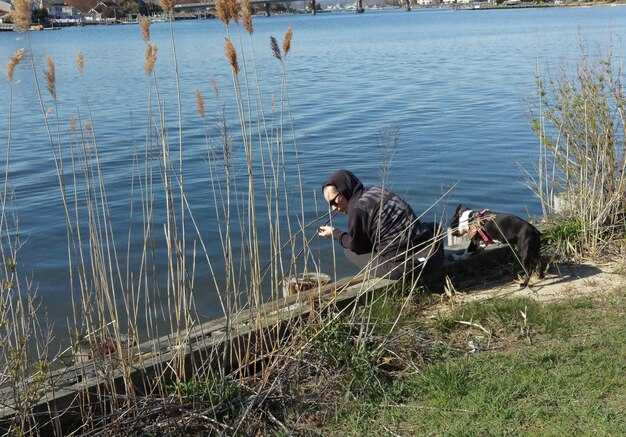
Always equip a waterproof life jacket on your dog before any water outing. heres a sizing guide to start: measure chest girth at the widest point, choose a jacket that covers from behind the shoulders to just behind the ribs, and pick two adjustable chest straps plus a snug belly strap. Look for a sturdy grab handle, a back D-ring for leash connection, and reflective trim for low-light visibility. This thing helps when you need to lift a tired dog, and it will give you the opportunity to act quickly if fatigue or panic hits.
Life jackets should be made of waterproof fabric with reinforced seams and a snug neck opening that doesn’t chafe. Size markers should align with weight ranges (XS to XL). A bright color with reflective tape boosts visibility on early mornings or dusk, and a secure grab handle plus a durable leash attachment prevent drift when you move. Test buoyancy in shallow water before any crossing, and ensure the clip and fasteners stay solid after repeated waves and sprays.
Harnașamentele oferă siguranță datorită celor două curele, cu opțiuni de prindere frontală sau dorsală. Inițial, exersați pe teren uscat pentru a confirma potrivirea și ușurința cu care se îmbracă. Cureaua de circumferință trebuie să stea sus, pe cutia toracică, cu cureaua de la piept ajustată strâns, fără a lăsa spații care să permită harnașamentului să se miște. Un design cu prindere frontală ajută la rechemare și împiedică câinele să se întoarcă spre dumneavoastră în timpul antrenamentului; o configurație cu prindere dorsală funcționează bine pentru drumeții lungi. În pădure sau lângă apă, mențineți câinele aproape și urmați aceeași rutină de fiecare dată pentru a reduce frecarea și jocurile psihologice în timpul unei sesiuni. Când întâlniți alți câini, recunoașteți indiciile din timp și evitați tensiunile inutile; totuși, dacă apare un alt câine, mențineți distanța și rămâneți în control.
Lesele ar trebui să aibă 1,2-1,8 m pentru un control versatil pe trasee și lângă apă. Folosiți o lesă rezistentă din nailon sau din sfoară, cu o clemă rezistentă la coroziune și cusături reflectorizante. Atașați lesa la inelul D din față sau din spate al hamului, în funcție de obiectivele de antrenament, și păstrați o clemă de rezervă în trusa de pescuit. Pe punțile bărcilor sau pe țărmurile cu vânt, scurtați lesa pentru a ține câinele la îndemână și pentru a preveni scufundările accidentale în apă. Dacă câinele dvs. are tendința de a urmări animale sălbatice, chemați-l și recompensați-l, și planificați unde mergeți în continuare pentru a evita zonele care invită la urmărire. Nu urmăriți păsări sau pești; redirecționați-l într-un loc sigur. Locurile cu strălucire sau valuri puternice necesită precauție suplimentară și pauze la umbră, iar plutirea ar trebui redusă la minimum prin manevrare constantă și comenzi clare care să se potrivească cu ritmul plimbării.
Accesoriile prietenoase cu lăbuțele protejează pernuțele sănătoase pe orice teren. Botinele cu tălpi aderente protejează împotriva pavajului fierbinte, a pietrelor ascuțite și a peticelor de gheață, în timp ce țesătura respirabilă menține picioarele răcoroase. Alegeți botine cu închideri reglabile, potrivire sigură și îndepărtare ușoară pentru tranziții rapide când treceți de la pădure la apă. Folosiți un balsam pentru lăbuțe pentru a hidrata pernuțele după zile lungi și purtați o cârpă mică pentru a șterge noroiul și sarea. Pentru excursii mai lungi, adăugați prosoape sau un covoraș antiderapant pe bărci pentru a reduce alunecarea și a ajuta câinele să rămână alert, mai degrabă decât somnoros. Asigurați-vă că acestea se potrivesc perfect pe toate cele patru lăbuțe înainte de sesiuni lungi, pentru a preveni frecarea sau botinele largi care pot cădea în timpul jocului, ceea ce duce altfel la un cățel distras și nefericit.
Antrenamentul și utilizarea integrează echipamentul cu comportamentul. Inițial, exersați pe uscat cu jacheta și hamul, apoi treceți la apă calmă. Folosiți comenzi clare: vino, stai, pas și lasă când este nevoie. Urmăriți progresul câinelui și recompensați comportamentul stabil cu recompense și laude. Dacă întâlniți animale sălbatice sau alți câini, recunoașteți semnele de excitare din timp și redirecționați înainte de începerea urmăririi. Nu urmăriți păsări sau pești; oferiți o alternativă recompensatoare, cum ar fi o jucărie. Punctele de orbire solară sau valurile pot neliniști un câine, așa că faceți pauze la umbră și aveți grijă la ritm pentru a evita o împiedicare. Această abordare inteligentă menține comportamentul previzibil și reduce potențialul de luptă în timpul sesiunilor active; cu toate acestea, dacă câinele prezintă oboseală, opriți-vă și reevaluați înainte de a continua.
Întreținerea menține echipamentul fiabil. Clătiți tot echipamentul după ieșiri în apă sărată sau noroi, uscați-l la aer ferit de soarele direct și depozitați-l într-un loc uscat și umbrit. Inspectați catramele, cusăturile și curelele; înlocuiți prompt piesele uzate și păstrați un set de rezervă în trusa dumneavoastră. Verificările regulate previn încurcăturile ciudate sau defecțiunile când sunteți pe apă sau în pădure. Această îngrijire simplă ajută câinele să rămână confortabil și în siguranță la fiecare ieșire și vă oferă încredere în echipamentul pe care vă bazați zi de zi.
Un memento rapid pentru teren: purtați un kit compact de siguranță cu catarame de rezervă, bandă adezivă de reparații și o lesă sau un ham de rezervă în mașină sau barcă. Când întâlniți pescari pe apă, oferiți-le spațiu și țineți-vă câinele sub control constant cu ajutorul comenzii verbale. Verificați dacă echipamentul este fixat bine înainte de a vă muta într-un alt loc și ajustați-l din mers pentru confort. Nu uitați să aveți grijă de nevoile câinelui dvs. și să fiți conștienți de condițiile meteorologice și de apă; cu această abordare vă veți bucura împreună de multe aventuri sigure.
Protocoale pentru barcă: Ladă, Rechemare, Stai și Lasă pe apă
Începeți cu o cușcă de dimensiuni potrivite, în zona cea mai stabilă a bărcii, și fixați-o legând-o de un punct fix, astfel încât să nu se miște în timpul pauzelor. Inițial, antrenați pe uscat, apoi treceți la apă calmă folosind o canoe sau o barcă mică și exersați mult timp după fiecare ieșire pentru a explora modul în care răspunde pasagerul blănos. Așezați cușca spre partea din spate a bărcii, astfel încât căpitanul uman să aibă o vedere clară, și lângă linia copacilor de pe mal pentru a menține contextul. Folosiți o salteluță moale în interior; împachetați o geantă mică cu recompense pentru a recompensa comportamentul calm. Această configurație vă ajută să mențineți controlul și să mențineți câinele calm în timpul valurilor.
Pentru pescarii de pe punțile din apropiere, un răspuns prompt la comandă este esențial. Cunoașterea limitelor câinelui și menținerea semnalelor consecvente adaugă predictibilitate, în timp ce sesiunile axate pe explorare vă ajută atât pe dumneavoastră, cât și pe prietenul dumneavoastră blănos să vă adaptați la ritmul vieții pe apă. Cu multă practică, mișcările înainte și înapoi se simt mai puțin perturbatoare, iar majoritatea ieșirilor devin o rutină mai lină pentru haită și echipaj.
"Stai" și "Lasă" sunt abilități practice pe o platformă în mișcare. "Stai" ar trebui construit mai întâi cu o lesă lungă și extins treptat, astfel încât câinele să învețe răbdare în timp ce manevrezi lese sau echipamente. "Lasă pe apă" antrenează câinele să ignore obiectele tentante de lângă genți, cârlige și mirosuri neplăcute; dă comanda de eliberare atunci când obiectul este în siguranță, la distanță. Evită să lași obiecte nepotrivite să tenteze curiozitatea și poartă întotdeauna un capac sau recipient pentru a securiza pericolele potențiale. Nu te grăbi să începi sesiunile; începe cu condiții calme și crește expunerea cu atenție pentru a perfecționa controlul.
| Protocol | Pași cheie |
|---|---|
| Ladă | Așezați-l în zona cea mai stabilă, legați-l de un punct fix și căptușiți-l în interior. Țineți-l departe de motor, asigurați o bună ventilație. Luați cu voi un kit compact pentru câini la ieșiri. |
| Rechemare | Folosește un semnal clar de eliberare, exersează mai întâi pe uscat, apoi pe punte. Recompensează cu recompense de valoare mare și laude suplimentare; mărește treptat distanța. |
| Stay | Leagă comanda Stai de o lesă la început, apoi extinde timpul cu o linie lungă. Întoarce-te la câine lin și recompensează-l cu succes. |
| Lasă-l baltă. | Prezintă un obiect de valoare mică; folosește semnalul de eliberare când câinele îl ignoră. Exersează cu distrageri sigure pentru apă și evită să acorzi valoare obiectelor periculoase. |
Sănătate și confort: hidratare, protecție solară, programarea gustărilor și pauze de odihnă
Poartă întotdeauna un bol pliabil ușor și oferă apă proaspătă la fiecare oprire pe malul râului; astfel, câinele tău se simte confortabil ore întregi la pescuit. În acest moment, stabilește un plan simplu pentru înghițituri mici frecvente și pauze dese, adaptate la teren și vreme, iar asta vine cu un beneficiu simplu care menține lucrurile sigure și stabile. Această abordare are scopul de a menține câinele meu hidratat fără a te încetini în timpul aruncărilor.
-
Hidratare – Asigurați-vă că apa este accesibilă și oferiți înghițituri mici în mod regulat. Pentru câinii sub 10 kg: 0,25–0,5 căni (60–120 ml) la fiecare 15–20 de minute de activitate. Pentru 10–25 kg: 0,5–1 cană (120–240 ml). Pentru peste 25 kg: 1–1,5 căni (240–360 ml). În medii calde, puteți oferi până la 1 litru la fiecare 4–6 ore de activitate intensă. Fiți atenți la semnele de deshidratare: gingii uscate, gâfâit rapid sau letargie. Dacă observați aceste semne, reduceți ritmul și oferiți apă în cantități mici, ținând cont de starea și confortul câinelui. Acest plan funcționează pentru câinele meu și menține un ritm constant în timp ce aruncați și vă mutați între locuri pe malul râului.
-
Protecție solară – Căutați umbră în timpul orelor de vârf de soare; aplicați protecție solară sigură pentru câini (SPF 30) pe nas, urechi și zonele deschise la culoare. Reaplicați la fiecare 2 ore și după înot. Verificați pernuțele de la lăbuțe pentru căldură și evitați pietrele sau nisipul fierbinte. Aveți un sistem de umbrire ușoară pentru zonele cu puțină acoperire naturală, astfel încât să existe suficientă ușurare între aruncări. Acest lucru menține protejat și confortabil prietenul canin în timp ce pescuiți împreună, fără a vă neglija propria concentrare.
-
Recompense cu Gustări – Folosește recompense de valoare mare în timpul pauzelor scurte pentru a întări momentele de calm. Oferă îmbucături mici la fiecare 30–60 de minute în călătoriile mai lungi. Include gustări plăcute și hidratante, cum ar fi felii de castravete sau pepene verde fără semințe în zilele călduroase. Nu oferi o masă copioasă chiar înainte de o lansare sau înot lung; lasă să treacă 20–30 de minute după ce a băut înainte de masă. Indiferent dacă ești pescar sau nu, aceste recompense ajută la menținerea energiei ridicate și a stării de spirit constante pentru următoarea lansare.
-
Pauze de odihnă – Planificați pauze de odihnă de 5–10 minute la fiecare 30–45 de minute de activitate. Alegeți un loc confortabil, umbrit, lângă echipamentul vostru și țineți câinele într-o lesă lejeră, astfel încât să-i puteți monitoriza comportamentul. Inspectați-i labele pentru tăieturi sau resturi prinse și uscați-i blana udă pentru a preveni răcirea când aerul se răcește. Dacă terenul variază, schimbați locurile pentru a reduce presiunea asupra articulațiilor. Dacă sunteți lângă garduri sau limite de proprietate, fiți atenți și țineți-l pe Nelson aproape în timp ce monitorizați împrejurimile. Fiți atenți la condiții; nu toate setările râului sunt la fel, așa că ajustați pauzele pentru a se potrivi cu tipul de teren și semnalele de oboseală ale câinelui. Dacă ceva nu pare în regulă, încetiniți ritmul și consolidați calmul cu o altă pauză scurtă.