


 Română
  English (UK)
  Русский
  العربية
  日本語
日本語  한국어
한국어  Magyar
  Türkçe
  Español
  Čeština
  Svenska
  Português
  Ελληνικά
  Suomi
Suomi  Nederlands
  Italiano
  Français
  Polski
  Українська
  Deutsch
  简体中文
简体中文  Slovenčina
 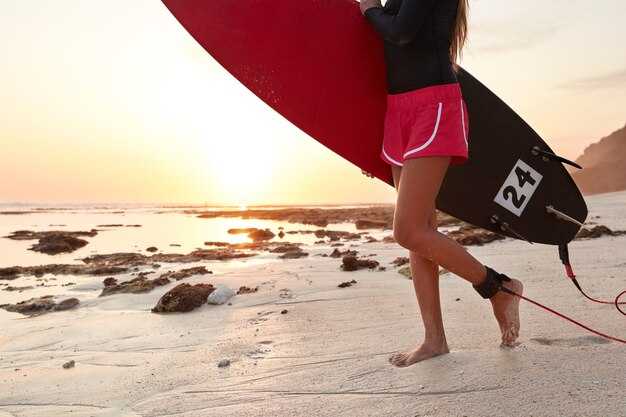 Windsurfing – The Ultimate Guide for Beginners and Enthusiasts">

Începe cu o adiere blândă; folosește o placă lată; o velă mică menține sesiunile în siguranță aproape de țărm. Menține echilibrul în jurul șoldurilor; concentrează-te pe rotația trunchiului; postură verticală.
Selecția echipamentelor necesită o abordare echilibrată; alegeți echipamente cu suprafata de vela ajustabila; coca permisiva; centru de greutate jos. Inainte de fiecare sesiune, inspectati componentele hardware; lesele; pompa; dispozitivele din apropierea locuintei.
Cei interesați pot exersa manevre de bază pe uscat folosind un simulator; când echilibrul devine memorie musculară, pot trece la apă sub supraveghere.
Ciclul de antrenament se concentrează pe vânt, apă, reglajul velelor; poziția pe placă – nucleul. elements; monitorizați condițiile specifice, cum ar fi adâncimea, curentul, umbrele create de vânt. O listă de verificare ilustrată descria progresul lor în raport cu un index clar de abilități.
Într-o lume largă, o regiune adăpostită de promontorii servește ca o etapă sigură de început; progresul se mută apoi într-un loc în larg sub supraveghere; alege o fereastră de vânt care să se încadreze în indicele tău de abilități.
Exercițiile acasă refolosesc un kit compact de dispozitive; folosind o structură, illustrated rutina menține progresul activ; pauza de Crăciun oferă timp suplimentar pentru a rafina mișcările de bază: poziție, transfer de greutate, reglarea velelor. Urmăriți întotdeauna progresul cu un index simplu; asigurați-vă că rutina lor este acoperită cu planuri de practică sigure.
Vânt puternic la navigație > 19 km/h
Începe cu o velă mai mică pentru vânturi de peste 19 km/h; îndoaie picioarele, menține greutatea pe piciorul din spate; liniile întinse; poziționarea în vânt ajută la dezamorsarea rafalelor; lansarea se face doar după ce apa se aliniază cu vântul.
Acolo unde există un adăpost pentru apa portuară, alegeți o apropiere adăpostită lângă țărm; accesul la rampele de pe țărm reduce riscul; revizuiți exercițiile de siguranță obișnuite cu un echipaj experimentat.
Configurarea echipamentului se concentrează pe un catarg ușor și eficient; un wishbone mai scurt; selectarea liniilor cu întindere minimă; o funcție patentată de depower poate ajuta la control; utilizările includ ajustarea rapidă a velelei pentru a reduce puterea; pentru stabilitate, o placă mai mare ajută în condiții mai slabe, în timp ce vântul puternic favorizează o velă mai mică.
Strategiile includ testarea graduală: citește rafalele, răspunde cu tranziții scurte și clare; planificarea acoperă luni de antrenament în locații variate; dacă vrea mai mult control, ar putea căuta acces la cluburi pentru a reduce taxele și a beneficia de antrenament, cu exerciții suplimentare.
Marinarii experimentați devin pricepuți prin revizuirea întregii tehnici sub stres real; accentul obișnuit rămâne pe poziția corpului, propulsia picioarelor, unghiul velelor; sub rafalele crestate, șoldurile se întorc spre direcția vântului; acest lucru devine rutină cu practică constantă.
A fi pregătit reduce riscurile; riscurile apar din cauza defecțiunilor echipamentului sau a schimbărilor bruște de vânt; ziua lansării ar trebui să includă o verificare rapidă a liniilor; stâlp; întreaga rutină se bazează pe revizuire și întreținere continuă.
Selectarea planșei și a velelor potrivite pentru vânturi de peste 19 km/h
Optează pentru o placă lată, flotantă, în jur de 140–170 L, împreună cu o velă de 6,5–7,5 m la un vânt de 12–18 mph. Această configurație are ca rezultat o intrare timpurie în planare; urmărire stabilă; viraje mai line; efort minim pe piciorul din spate; utilă în competiții.
Greutatea, abilitățile, condițiile apei determină ajustări. Riderii mai grei necesită o velă de 7.0–7.5 m; placă de 180–210 L. Navigatorii mai ușori preferă o velă de 6.0–6.5 m; placă de 130–160 L. O velă se potrivește greutății; abilităților; condițiilor apei.
Forma camberului contează în rafale; un camber moderat valorifică vântul menținând controlul. Menține centrul de masă deasupra centrului plăcii; ajustează poziția; mută greutatea spre piciorul din spate în timpul planării.
Învață lecții din exercițiile de echipă; site-ul Schweitzer oferă feedback realist prin tocilari care urmăresc datele indexului de vânt, rezultatele evenimentelor federației; exercițiile finale de vânt din amonte testează orientarea. Datele despre vânt de pe site-ul Schweitzer ajută la luarea deciziilor mai rapid decât prin presupuneri; cele mai bune practici rezultă din planificare, ulterior revizuiri. Indiferent dacă zilele cu vânt presează planificarea, orientează umerii spre abordarea din amonte. Aduceți hardware suplimentar; plăcile lansate rămân în spatele stropilor; pe apă ori de câte ori sunteți gata.
Poziția Corectă, Distribuția Greutății și Utilizarea Derivei în Rafale
Începe cu o poziție ușor mai largă; șoldurile perpendiculare pe placă; trunchiul drept pentru a obține control imediat când bat rafalele.
- Poziție; șolduri: Adoptă o poziție ușor mai largă; șoldurile paralele cu placa; genunchii îndoiți; trunchiul drept. Această bază oferă echilibru pe măsură ce rafalele se intensifică.
- Distribuția greutății în rafale: Când o rafală puternică lovește, mută greutatea spre piciorul din spate; menține șina inferioară angajată; păstrează placa orientată în direcția vântului; menține controlul direcțional.
- Utilizarea derivei: Deriva oferă stabilitate direcțională; ajustați fileul superioar pentru a regla forma velei; în rafale mai puternice, slăbiți ușor fileul superior pentru a reduce puterea velei și a menține placa pe direcția vântului.
- Plan de antrenament: Pe un teren ușor, alergări scurte; fiecare rafală provoacă o resetare rapidă; urmează lecțiile cu rutine constante; problemele apărute determină odihnă, recentrare, apoi reluarea treptată a antrenamentului.
- Semnale de răspuns: Rafale imprevizibile; alergați mai încet; mențineți șoldurile îndoite; odihniți-vă între alergări pentru a menține precizia; rafalele mai mari necesită un ritm calm; urmăriți arcul instalației.
- Nuanțe direcționale: Variațiile vântului dinspre sud cer ajustări minime; mențineți greutatea pe piciorul din spate în timpul smuciturilor contra vântului; păstrați echilibrul.
peisajul din Zagreb cere calm, poziție joasă; șuierul rafalelor semnalează schimbarea sarcinii; rotește greutatea, urmează planul; odihnește-te când e nevoie; progresul vine cu repetiția.
Rigging, Ajustări Rapide și Depanare în Vânturi Puternice
Stai cu centrul de greutate jos, genunchii îndoiți, hamul de talie bine strâns; ajustarea timpurie a liniilor rig-ului reduce forțele bruște ale rafalelor, menține controlul.
Linii atașate la catarg; hamul de talie strâns; tensiunea piciorului inferioară verificată; piciorul superior reglat pentru a echilibra vela; ajustări rapide care controlează sarcina scotei mențin controlul; această configurație oferă încredere în timpul schimbărilor agresive.
În locuri aglomerate, crește riscul de coliziuni; menține prioritatea, virează în vânt; menține cursul stabil, evită intersectarea traiectoriilor; îndeplinește cerințele de siguranță lăsând liber funiile, menținând o poziție joasă, eliberând scota rapid; folosește ajustări rapide pentru a-ți recăpăta echilibrul. Dacă ai dubii, reexaminează acest plan înainte de următoarea virare.
Achiziționarea unei vele mai mici reduce suprafața velică; alege echipament cu răspuns rapid; ajustează priza; hamul de talie fix îmbunătățește controlul; acești termeni îndeplinesc țintele de siguranță; prin urmare, o practică mai sigură.
Strategia se bazează pe poziție, sincronizare, ajustări rapide; vine din practică; menține mușchii angrenați, stai mai aproape de partea din aval; valurile se sparg imprevizibil, alege linii care minimizează fluxul; aceste mișcări arată rezistență în condiții dure; contează gradul de conștientizare al participantului; ești gata să reacționezi într-un timp record.
Greșeli nevinovate apar; păstrează-ți calmul, menține vizibilitatea, folosește mișcări controlate; decizii mai rapide vin din exersare, prin folosirea secvențelor repetate.
Lansare, waterstart și abilități de navigare contra vântului la început, în condiții de vânt de peste 19 km/h.
Începe cu o pornire lentă din apă, din apă puțin adâncă; costum de neopren potrivit; poziție echilibrată, privirea înainte.
Strategiile joacă un joc de echilibru; șoldurile jos; trunchiul drept; cadrul pregătit; unghiul velelor 35–45° față de vânt.
Instrucțiunile oferă indicii specifice; surferii capătă încredere când indiciile sunt consecvente; repetarea acestui lucru produce câștiguri vizibile; monitorizați întotdeauna schimbările de vânt.
Rutinele anuale mențin practica constantă; intervalele din weekend se potrivesc programelor încărcate; istoricul lansărilor de succes arată că pașii repetabili oferă câștiguri măsurabile; chiar și micile ajustări contează.
Vizita lui Jane într-un golf ferit demonstrează această secvență; surferii observă ridicarea, alunecarea; controlul direcției sub vânturi de peste 12+ mph.
| Step | Action | Note |
|---|---|---|
| 1 | Poziție de start; picioarele la lățimea umerilor; șoldurile la nivel; trunchiul drept; unghiul velelei 35–45° față de vânt | postură echilibrată |
| 2 | Din apă mică; prinde catargul; piciorul din spate conduce; ridicarea șoldurilor; vela orientată spre vânt | menține umerii drepți |
| 3 | Rise to upright; shift weight vertical; steer gradually; align with moving path | steady tempo |
| 4 | Upwind progression; tilt board lateral; accelerate gradually; maintain balance | watch apparent wind shifts |
| 5 | Post-run review; note errors; jane log used; visit new sites for variety | history informs choice |
Reason behind common mistakes becomes apparent via slow analysis; journaling helps surfers reduce errors.
Safety Protocols, Gear Checks, and Hazard Awareness for High Wind Sessions
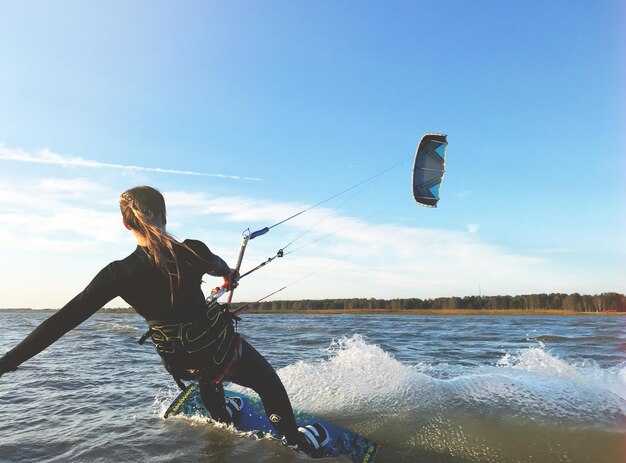
Always perform a full gear check before high wind sessions; inspect windsurfer for cracks, dings, deck pad wear; verify fins, screws, mast base, mast foot, boom clamp are tight; ensure harness lines free of frays; perform a simple pull test on rig to verify tension; confirm centerline alignment; replace any worn piece immediately; keep your spare parts ready; a small pump, a spare fin, a patch kit, a lanyard; these needed items reduce downtime.
Hazard awareness begins with strong gusts; facing into wind preserves balance; observe surface conditions; sand patches create footing risk; oncoming gusts require rapid reactions; fetching gusts require adjustments quickly; gravity shifts demand harder leg drive; approximately 25–35 mph marks a practical ceiling; avoid difficult wind conditions; if gusts exceed margin, step back; champion-level caution remains essential when taking on more challenging moves; naish gear designed to withstand rough conditions helps reliability; your rig, centerline maintained, lets you respond directly to next gust.
On-water actions begin with depowering mainsail when control slips; rotate hips to face windward; keep grip on rig; practice self-rescue regularly; identify closest exit toward shore; move directly toward safe water; legs stay flexed; maintain centerline; after securing board, perform quick equipment check; year by year, practice accumulates champion-level reliability.