


 Română
  English (UK)
  Русский
  العربية
  日本語
日本語  한국어
한국어  Magyar
  Türkçe
  Español
  Čeština
  Svenska
  Português
  Ελληνικά
  Suomi
Suomi  Nederlands
  Italiano
  Français
  Polski
  Українська
  Deutsch
  简体中文
简体中文  Slovenčina
 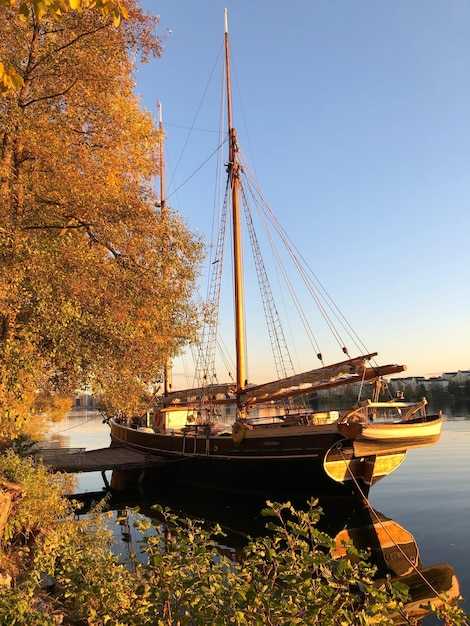 Where to Sail in Fall 2025 – Top Autumn Sailing Destinations">

Top pick for fall 2025: the cyclades. From late September to early October, the Aegean settles into a reliable rhythm with steady 12–20 knot northerlies and seas that stay comfortable for day hops along a beautiful coastline. In this window you can visit Mykonos, Paros, Naxos, and Santorini without peak-summer crowds, while enjoying traditions ashore and historic harbors that invite a short sailing heritage tour. The winds are consistent enough to plan a relaxed 5–7 day loop.
daphne from our skipper network notes that a 5–7 day circuit around Mykonos, Paros, Naxos, and Santorini delivers a practical mix of anchorages and short hops. Distances typically run 25–40 nautical miles per day, and you’ll find wind-sheltered moorings, friendly ports, and opportunities to sample local traditions with seafood dinners and sunset music. The route offers a historic backdrop with a gentle rhythm that keeps sailing exciting, and you can join a light race in some ports for a friendly test of skills if you wish.
Stlucia and the Grenadines: Caribbean fall Fall is a shoulder season on the windward side of the Caribbean, with northeast trades typically 15–25 knots and seas that stay easy for 6–10 day loops. Start at stlucia with sheltered bays around Rodney Bay and Soufrière, then hop to the Grenadines–Bequia, Mustique, Union Island–for calm anchorages and snorkeling. Water stays warm (about 28–29C) and the sailing pace feels enjoyable, especially for traveling crews aiming to balance sailing with beach days and island visits.
indian-ocean options: seychelles and mauritius In fall you can target calmer windows in the indian-ocean, with Seychelles offering a mosaic of inner lagoons and reefs and Mauritius giving steady day-hop routes along a protective reef line. Expect water temperatures in the mid-20s to high-20s C and winds in the 15–25 knot range during favorable days. This combination supports multi-island itineraries and consistent accommodations ashore for a relaxed autumn escape.
Practical planning for fall itineraries Four to seven days work well for cyclades loops, eight to twelve for Caribbean routes, and ten to fourteen for indian-ocean experiences. Booking with a knowledgeable crew or charters that support traveling groups helps stabilize costs and timing. If you hedge against weather, align departures with late September to early November windows and monitor migration of winds and storms in your preferred region. Options multiply when you layer combines of island-hopping, anchorages, and cultural stops, so pick a core route and expand later if you have extra days.
Fall Sailing 2025 Guide

Start in Tenerife this fall for sunny days and steady winds, using it as your home base, then sail along the west coast toward the seychelles or bora-bora for memorable island-hopping sessions taking short hops between ports.
Know when to switch routes based on fronts and wind patterns to maximize safety and speed.
- Tenerife & the West Coast Arc
- Months: September–October offer warm temps and reliable winds; plan 5–8 day hops along the coast.
- Why go: low crowds, affordable moorings, and steady winds ideal for learning or relaxed cruising.
- What to expect: dramatic volcanic scenery, protected anchorages on calm evenings, dolphins and seabirds along the site.
- Seychelles & Indian Ocean Hop
- Months: October–November bring sunny days with steady southeast breezes and calm lagoons near Mahe, Praslin, and La Digue.
- Why go: pristine atolls, lots of protected anchorages, and mellow seas for longer legs or short hops.
- Wildlife & site: lots of coral gardens, rare species of reef fish, and occasional squalls that you can ride out at sheltered bays.
- Bora Bora, Raiatea & Motu – Tahiti Arc
- Months: September–November present the best mix of warm water and clear skies for lagoon sailing.
- Why go: between raiatea and bora-bora you find lots of motu with leeward lagoons, ideal for snorkeling and peaceful evenings away from crowds.
- What to expect: calm anchorages, vibrant reef life, and encounters with intrepid crews exploring the southeast trade winds.
- Caribbean Fall Option
- Months: November offers quieter anchorages and fewer tourists along the west coast of the Leeward and Windward islands.
- Why go: warm water and sunny days with a choice of protected sites along the coast.
- What to expect: occasional tropical showers, varied coastlines, and welcoming locals ready to share local reasons and culture.
Practical tips for fall sailing 2025
- Plan backups for weather windows; keep two potential routes if a front comes through.
- Choose anchor sites with reef protection and reliable moorings to minimize motion at anchor.
- Pack reef-safe sunscreen, light rain gear, and a compact spare mainsail for motu hops.
- When visiting seychelles and bora-bora, respect local communities and marine life; tourists should follow guidelines to protect sensitive sites.
- For intrepid crews chasing truly remote lagoons, the motu islands around raiatea offer plenty of options to stagger daily hops.
East Coast US & Atlantic Canada: Fall sailing windows
Plan your voyage between September 20 and October 15 for calmer aeolian breezes, sunny days, and dramatic views along the coast. This period lowers the hurricane-season risk while keeping reliable sailing angles for short hops between harbors from Maine to Nova Scotia. A 7– to 10-day itinerary with 2–3 hops fits well, and you can finish with a relaxing resort stay ashore. A vermont side trip for leaf peeping works nicely as a separate vacation, so you can combine two distinct experiences together.
On the US East Coast, start in southern Maine or the New Hampshire coast and work south along the coast to Cape Ann, Boston, and Cape Cod. In Penobscot Bay and the Midcoast, you’ll find protected coves ideal for a mid-afternoon anchor and easy provisioning. Typical daily sailing ranges from 15 to 40 nautical miles, with 8–16 knot winds most days during this window. Expect occasional showers and brief fog mornings, but most afternoons clear into sunny skies. Wildlife is plentiful–whales, seals, and a number of seabird species draw intrepid observers to Stellwagen Bank. Ports like Portland, Rockland, Camden, Annisquam, Marblehead, Boston, and Provincetown offer reliable moorings and amenities along the way. Also check for cultural stops in traditional fishing towns to sample chowder, lobster, and local music.
Further north, Atlantic Canada opens up in late September and remains favorable into mid-October. The Bay of Fundy blazes with tidal energy–tides can reach up to 16 meters–so choose your windows carefully and plan in daylight. The Fundy coast from Digby to Lunenburg and along Nova Scotia’s south shore provides sheltered passages, whale watching, and access to a string of historic ports. In Nova Scotia, sheltered harbors near Shelburne, Lunenburg, and Halifax offer good anchorages and well-stocked fuel docks. The number of sunny, calmer days tends to rise as cool fronts settle in, and you can expect 1–3 solid sailing days per week in many passages. On the boating calendar, the annual schedule includes several local regattas and a few fishing-boat parades that make a nice break from the cruising pace. A steady flow of aeolian winds makes long crossings straightforward when the forecast holds. A captain’s quote often cited by crews: “Fall sailing rewards preparation and patience.”
Plan with flexibility and a contingency buffer for front passages; this is the period to pair the coast with a inland escape to vermont or a tropical-inspired stop ashore–tahitian flavors or the idea of raiatea-inspired décor at a seaside resort can be a welcome contrast after a busy day on deck. With careful routing, you’ll enjoy calmer seas, more daylight for coastal views, and a rewarding vacation on a brisk autumn arc along the coast.
Caribbean & Bahamas: Weather, hurricane season wrap-up, and anchorages
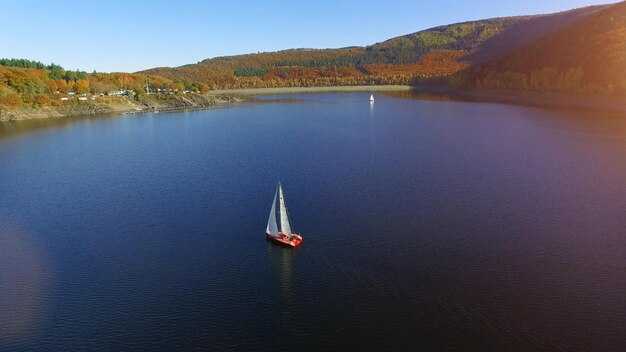
Book a late-October to early-November charter around the Exumas or Abacos; calmer seas and a lower hurricane risk make this window the best for a relaxed week afloat.
Weather this fall brings reliable trades around 12–20 knots, with occasional fronts spiking to 25 knots but breaking quickly. Water sits in the 26–29 C range, ideal for snorkeling in the morning light. The hurricane season wrap-up occurs by mid-November, and the number of named storms drops, reducing risk. Forecasters say the pattern will favor calm nights and clear skies, with a full moon overhead adding a breathtaking glow to the beaches.
Anchorages along the chain offer a number of intimate options: Warderick Wells, Shroud Cay, Cambridge Cay, Norman’s Cay, and Allan’s Cay each deliver protected spots suitable for a crewed charter or a private skip. Early starts let you pick the best spot for sunrise and keep the pace relaxed along the turquoise water. The charm of the Bahamas lies in paradise coves with untouched coves, a curieuse vibe, and frequent opportunities to set anchor near calm flats and long sands.
For options and cost, look at crewed charters with meals included. Affordable weeks run from roughly $4,000–$7,500 depending on yacht size and season; a quote from a broker typically covers provisioning and crew. This year, early-book deals can trim the total, and you’ll still have the flexibility to sail a signature route. Captain Evaristo leads the crew, and you’ll hear the name evaristo referenced in seasoned bulletins–the team keeps the schedule smooth and the tempo calm, letting you savor paradise rather than chase frenzy.
In terms best routes, combine Exumas highlights with Eleuthera or the Berry Islands for scenery that feels like a private moonlit show. If you’re curious about thailand-style island hopping, it offers similar charm in a tighter loop, but the Bahamas provides sturdier anchorages and more intimate cays along a single coast, making it easier to linger and savor a fall season away from crowds.
| Spot | Protection | Depth (ft) | Note |
|---|---|---|---|
| Warderick Wells Cay | Excellent lee from easterlies | 8–25 | Protected anchorages, moorings available; calm mornings and snorkeling. |
| Shroud Cay | Shallow sand, good holding | 5–15 | Intimate coves, moonlit beaches. |
| Cambridge Cay | Scenic anchorages, good holding | 10–24 | Breathtaking beaches, calm evenings. |
| Norman’s Cay | Good protection, deeper | 12–40 | Nearby wrecks and reefs; watch shallow banks near shore. |
Pacific Northwest & Alaska: Wildlife viewing and glacier routes in autumn
Book a private, 7–9 night Alaska Inside Passage cruise with several respected companies to maximize wildlife encounters and glacier views this fall. Availability is highest in late September through October when crowds thin and daylight remains ample.
Along Kenai Fjords and Glacier Bay, expect orcas and humpback whales feeding on bait balls, plus brown bears near Brooks Falls as salmon run in autumn. A daytime itinerary offers close looks at Hubbard Glacier calving and the vast tidewater faces of Glacier Bay. Shore landings reveal waterfalls, evergreen forests, and towering cliffs that frame every panorama.
Misty Fjords National Monument near Ketchikan adds remote scenery: emerald waterways, granite walls, and waterfalls tumbling over mossy ledges. Pair a yacht cruise with a daytime floatplane excursion to see the coast from above and to spot marine life in sheltered coves.
On the Pacific Northwest side, a stop in Newport, Oregon, delivers classic coast scenery. In Newport you can watch marin mammals from the jetty or take a sea-level excursion along the colorful offshore rock formations and cliffs near Yaquina Head. The south Oregon coast offers broader options for visitors seeking a relaxed, vacation-style pace with daytime activity and museum heritage stops in nearby towns.
Autumn itineraries still offer strong availability for private charters and small-ship routes, with daylong opportunities to photograph waterfalls, cliffs, and misty fjords. Many itineraries incorporate a coastal festival vibe in coastal towns, giving visitors a holiday feel without crowds, while preserving a home base for a comfortable finish to your voyage.
For deeper wanderlust, some travelers pair this autumn route with a private holiday in huahine (in the indian-ocean) for a brilliant contrast, followed by a stay in virgin beach settings that highlight a slower pace and richer heritage. If you prefer a shorter loop, add a coastal cruise along the costa to extend your vacation with more Island-time experiences and wildlife encounters.
Southeast Asia & South Pacific: Autumn wind patterns and warm seas
Book a Phuket-to-Phang Nga Bay charter in October to catch NE trades and water around 28–30°C, ideal for snorkel among coral gardens and a visit to nearby waterfalls after a day at sea. A 5–7 day loop covers Phang Nga, Krabi, and Koh Phi Phi, with affordable charters offering flexible routes and lots of options for visiting intimate coves and quiet bays.
Across Southeast Asia, autumn ushers in a reliable dry spell in the Andaman Sea and Gulf of Thailand. Wind ranges hover around 6–14 knots near dawn, rising to 12–18 knots by afternoon, with water temps near 29°C. This makes short hops between areas easy and gives you time to snorkel, visit untouched coves, and chase waterfalls inland.
Across the South Pacific, autumn keeps water warm and trades steady, typically 10–20 knots with occasional squalls. Start in Fiji’s Mamanuca and Yasawa groups for beautiful reefs and untouched lagoons, then step to Kadavu or the Lau Islands for fewer crowds and a broader number of anchorages. Snorkel the outer reefs and enjoy the clear water.
On Tahiti and the Leeward Islands, October and November bring steady trades around 12–25 knots, with calm mornings and reliable anchorages. A classic loop covers Bora Bora, Moorea, and Huahine, where lagoons stay warm and snorkeling is easy, offering a beautiful balance for traveling families and couples.
These itineraries suit both quick breaks and longer trips, with options for comfortable charters, diverse ranges of water temps, and beautiful anchorages. Travelers arriving from europe can pair these routes with a week in the cyclades for a europe island contrast, then fly to Southeast Asia for the main sailing leg. For a broader autumn loop, a brief overland extension to pichilinque offers a coastal contrast, and you can end with a florida or costa vibe before returning home.
Bonus: Best Places to Sail in September Outside Europe
In maine, september sailing tops the list outside Europe, with steady sea breezes, sheltered harbors, and colorful lighthouses along the coast from Portland to Bar Harbor. You’ll find many options from small companies offering day charters to week-long stays aboard a comfortable cutter. Visit scenic spots, anchor in quiet coves, and watch for dolphins and rays skimming the surface. Tourist stays thin out after Labor Day, easing crowds for first‑time sailors and keeping evenings lively throughout the coast.
In pichilinque, on chile’s pacific shore, September brings steady wind and clear water ideal for day charters and weekend visits. Charter fleets exist year-round in protected bays, with giant dunes and brilliant sunsets that attract photographers. From there you can hop between locations along the coast, staying in simple stays or boutique inns while you visit nearby villages. A short aride along the dyke-lined estuary reveals a busy spot to watch sea birds and curious stingrays.
Belize and the Bahamas offer classic Caribbean days with warm water, calm mornings, and safe harbor options for families. Many tourist-friendly spots are easy to reach via a single charter, and you can switch between locations without long road trips. With companies providing daily visits and overnight stays, you can combine reef snorkel sessions with island hopping. September brings fewer crowds, generous dockage, and a gentle rhythm that makes it simple to plan multiple charters throughout the month.
Planning tips: pick a base with strong local support, check the holding anchor options at each spot, and choose a few visit-worthy spots that align with your crew’s pace. Ask for multi-location itineraries from charter companies, and confirm if your option includes stays on the ship or boutique stays ashore. Look for itineraries that run through protected bays and along colorful coastlines, then book early to lock good dates in September.