


 Română
  English (UK)
  Русский
  العربية
  日本語
日本語  한국어
한국어  Magyar
  Türkçe
  Español
  Čeština
  Svenska
  Português
  Ελληνικά
  Suomi
Suomi  Nederlands
  Italiano
  Français
  Polski
  Українська
  Deutsch
  简体中文
简体中文  Slovenčina
 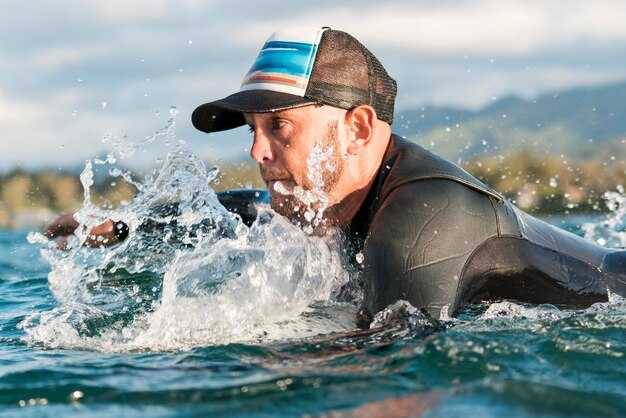 Water Skiing Safety Guidelines for Towed Water Sports">

Wear a Coast Guard–approved life jacket and verify the tow rope, handles, and quick-release hardware before boarding. This pre-run check lowers the risk of an overboard incident and gives everyone clear signals for the run. Keep the engine off during setup, stay clear of the transom, and confirm that the kill switch is functional.
Establish a safety zone around the skier and assign a dedicated spotter so everyone on board watches the line and the rider. Use a tow rope of 60–75 feet for beginners, extending to 75–90 feet as riders gain confidence, and adjust speed to 18–22 mph for novices and 22–28 mph for steady progress. Communicate with the driver using standard hand signals, and keep things calm even when the boat moves or drifts. For beginners, the initial transition can be difficult; keep the rope short and allow extra time to settle in, following national guidelines and boatus recommendations to reduce risk near docks and crowded zones.
If someone goes overboard, immediately shout overboard and keep your eyes on them. The observer guides a safe retrieval while the driver reduces speed and steers away from swimmers. If the line becomes tangled or the skier cannot reach the boat, use the quick-release to detach the line if available and coordinate with the crew to recover the rider. After recovery, assess injuries and report any incident as required by local or national rules, then review the setup for the next run. If youve never managed a tow before, start with low speeds and a shorter rope until confidence grows.
Before each run, verify the boat’s safety equipment: anchor, extinguisher, and kill switch lanyard, plus the transom area is clear of coil lines and gear. Check the path for drift hazards and keep the boarding area dry to prevent slips. Use a non-slip boarding platform and three-point contact when getting into or out of the boat. Maintain a pace that keeps handles under control and lets the skier move naturally; reported incidents show most issues arise when lines snag or the boat position changes abruptly in busy zones.
National guidelines and boatus resources emphasize planning, weather awareness, and role clarity on board. In addition, keep a spare life jacket ready for guests and a whistle or radio for quick calls. When you return to shore, document conditions and any maintenance needs so the operation stays safe for everyone. The rope color, the ring on the handle, and the quick-release keep gear accessible in tight space, and a dedicated spotter helps the crew move efficiently in crowded water.
Assign a Spotter
Assign a dedicated spotter before every pull. The spotter stays in sight of the rider and ropes at all times, ready to communicate with the boater and other riders.
- Placement and visibility: The spotter should be on the boat’s starboard side (the right side as you face forward) in a clear line of sight to the rider and rope. Keep out of the wake and away from prop wash to maintain safe visibility.
- Signals and communication: Use crisp signals: one raised arm to stop, a sweeping motion to slow, or a thumbs-up to proceed. The spotter calls changes and confirms decisions with the boater, and uses a whistle or radio when available.
- Distance and field of view: Stay 20–30 ft (6–9 m) from the rider’s side and monitor the tow area for other boats, wakeboarders, and swimmers. A wide view helps catch rope tangles or rider adjustments early.
- Equipment and access: Have proper accessories on hand: high-visibility vest, whistle, signaling device, and a spare rope. Keep the rope free of knots and tangles, and check for wear between runs.
- whats needed: whistle, radio, high-visibility accessories, spare rope.
- Legal and state-specific guidelines: Check state-specific rules and permit requirements before use. Illegal operation without a permit can lead to fines or shutdowns; verify local regulations with a marina or shop and follow them strictly.
- Coordination with others: The spotter monitors other wakeboarders, boats, and swimmers. If you see crowds or crossing traffic, alert the boater and hold the rider until the path is clear. These situations require quick action to avoid conflicts with others.
- What to do if a rider falls: Follow the rider signal, slow or stop smoothly, and guide the rider back to the boat’s side away from oncoming traffic. Maintain clearance for other riders and keep communication open with the boater, ensuring the maneuver is performed safely.
Impeccable communication and consistent practice keep everyone safe. youve got a clear plan before every outing by following these steps.
Identify a dedicated spotter with optimal visibility
Assign a dedicated spotter with optimal visibility and ensure they stay within line of sight of the rider and operators at all times.
- Designation and position
- Choose a single designated spotter on every session; place them on the boat deck or shore with a clear line of sight, within 15–25 meters of the tow line, and elevated if possible to improve lookout. The spotter may need to adjust position quickly whether wind shifts or sun glare, because visibility matters.
- Use a stable, well-lit stance that minimizes obstruction from equipment or other crew members, and ensure the spotter never blocks the rider’s view or the tow boat’s operators.
- Assign the role to a person who understands water-sports safety, and rotate duties to include others so everyone gains experience while avoiding fatigue.
- Equipment and signals
- Equip with two-way radios or waterproof signaling devices, a whistle, and visual markers; verify battery life and keep devices within easy reach throughout the session.
- Adopt a concise code: one finger means stop, two means slow, a raised arm signals obstacle, and a wave indicates rider status; confirm signals with operators before the tow starts.
- Keep a dedicated lookout at all times and never rely on verbal cues alone in rough wind or spray; use devices to maintain fast, reliable communication.
- Procedures and duties
- The spotter’s role is to watch the rider, warn of hazards, and communicate with operators to adjust speed, line, or cut the tow as needed.
- During routine passes, stay within the rider’s field of view and monitor for other persons in the water; the spotter should respond quickly to any changed conditions.
- If visibility drops, verify that everyone on board can still see the rider and adjust position to restore a clear lookout within seconds.
- Rotation, training, and routine
- Develop a routine that starts with a quick pre-session check of sightlines, equipment, and signals; once the tow begins, rotate every 20–30 minutes to prevent fatigue and preserve attention.
- Provide inclusive training that covers all signals, emergency cut procedures, and how to handle wind gusts; rehearse with operators and other crew members so responses are coordinated throughout the session.
- Document lessons after each run and adjust the plan to improve response times and visibility for the next session.
- Environmental factors and situational awareness
- Assess wind direction, glare from sun, and spray; adjust the spotter position to maintain a clear lookout and fast reaction capability.
- In changing weather, rely on the designated spotter to alert operators about approaching hazards or shifts in water-sports activity; always have a backup plan for additional spotters when crowding occurs.
- Keep an eye on all riders and persons in the water, and ensure the spotter can alert the crew if someone falls or needs assistance.
- Verification and continuous improvement
- Verify visibility before the tow and after any incident; throughout the session, confirm that signals are understood by all operators and the spotter.
- Never assume conditions are stable; document changes and refine the designated spotter process so it remains inclusive and effective for all water-sports activities.
- Conclude with a brief debrief that captures what worked well and what needs adjustment for the next outing.
Define clear roles for start, tow, and dismount phases
First, assign clear roles for start, tow, and dismount to ensure every crew member knows their task during the watersport activity. The driving operator at the transom maintains steady throttle and a predictable line. A dedicated spotter gives start cues and watches for hazards while handling the ropes, and they give the rider space to prepare and return to the line smoothly.
Starts are executed with a fixed sequence. The line is taught, the rider adopts the proper stance on the board, and the hand signals confirm readiness. The spotter confirms the rider’s grip and breathing, and the driver initiates the pull only after a clear go signal from the rider or crew. Always verify clearance from people in the water and never start while spectators are in the wake.
Tow phase requires constant monitoring. The driver maintains controlled speed (for example, 18–22 mph for beginners) and keeps the line taut without jerks. The handles and rope run cleanly along the line; the spotter watches the rider and counteracts mid-wake shifts. If the rider falls, they quickly return to the line, and the driver and spotter coordinate a safe recovery while keeping other people clear from the wake. Enforce the rule to never let the line slack or cross into bystanders’ area.
Dismount phase focuses on safety after the ride. The driver eases off, the spotter signals dismount, and the rider releases the handle with the free hand. The helper guides the board away from the towing path and assists on or off as needed. Ropes are returned to storage to prevent entanglement, and the transom area returns to idle until the boat and rider are safely separated. Return the setup to starting position for the next rider and ensure the line is clear before turning away.
In national guidelines for wakeboarding and other watersport activities, enforce a quick, formal checklist before each starts. If youre training new crews, practice each phase under calm conditions, then simulate interruptions to improve reaction time. By giving each person a single responsibility and sticking to the process, you reduce risk and speed up the entire operation.
Establish universal signals and confirmation methods
Implement a universal signals protocol and confirm it before each run. Use a fixed set of signals for the driver, spotter, and waterskiers, and rehearse them so youre all on the same page.
Post a compact cheat sheet on the transom where devices like flags, whistles, and light indicators stay within reach. Train the crew to call out drift, zone boundaries, and traffic conditions, and to move to a safe zone when conditions change. Make sure signals cover stop/hold, go, move, left and right turns, and readiness for wakeboard, tubes, or tuber sessions, with easy-to-see gestures and a short verbal cue.
Use a formal confirmation loop: after each signal, the operator repeats back the instruction and the rider acknowledges. Keep the range appropriate to rider skill and marine conditions; in bobbing chop or shallow water, shorten the line and increase attention to the line of sight between the boat and skiers. If any signal is misunderstood, abort the pull and reestablish position before continuing.
On every trip, align with uscg guidance and local rules. Ensure all waterskiers and other traffic are aware of right-of-way expectations, especially near the transom, wake, or zones where illegal maneuvers could occur. Maintain proper equipment and lighting, visit new sites to refresh the protocol, and train experienced crews to monitor fatigue or distraction. In shallow water or crowded marine conditions, stay aware of bobbing, tubes, and tuber activities and adjust signals accordingly to keep the operation safe.
Spotter positioning, line-of-sight, and safety gear
Position the observer 15–25 feet (4.5–7.5 meters) behind and to the right of the driver, at a height that keeps the rider and the pulling rope in view. Maintain this line-of-sight as the boat accelerates, turns, and passes wakes, staying within a safe, open area of water.
Use specific hand signals and a predefined phrase to communicate with the driver. The observer signals when a rider is downed, when to slow, or when to pull toward a safe area. If a downed rider is observed, the driver should steer away from the rope and bring the boat to a gentle stop within the area. These signals rely on clear, calm motions to prevent slip of attention and miscommunication. Keep eyes on the bottom of the wake for changing hazards and adjust positioning as needed.
All participants wear jackets appropriate to their size; kids require snug fits and proper fastenings. Paying attention to these ages and to rider behavior helps adjust the observer position and ensures safe distances. Have jackets available within arm’s reach for quick access. For these ages, ensure supervision by the observer and keep the pulling area clear of bystanders. For tuber riders, provide a buoyant vest in addition to the jacket if needed. Inspect gear daily for wear and potential failure; replace rope, handle, and jackets if any sign of wear appears. The driver should steer to avoid obstacles, and the observer helps drive safety by monitoring distance.
Emergency procedures and when to intervene
Just start with a concrete action: assign a dedicated spotter before each set and stop the activity immediately if a skier-down occurs.
With a lookout and spotters in position, raise a flag to signal other watercraft and guide everyone back to the dock.
After a skier-down, verify the skier’s safety, inspect the line, and keep others at a safe distance to avoid entanglements at the bottom.
If conditions or signals indicate risk, the united crew must stop the tow and coordinate a safe retrieval; listed procedures guide the action.
Intervene when the skier cannot rise after two attempts, when the line or harness is tangled, or when wind or current might push the skier into danger; recovery takes a coordinated effort.
There should be at least one experienced spotter staying in touch with the driver and lookout; being prepared makes recovery easier for everyone.
In addition, practice the recovery sequence on land and in calm water; this activity builds muscle memory and makes rescues easier, benefiting both skiing and waterskiing alike.
Listed steps are reviewed before each session; spotter roles, lookout signals, handling a skier-down, and safe distances for everyone on the water should be understood by all.
| Trigger | Action | Who Responds |
|---|---|---|
| Skier-down | Stop towing immediately, raise flag, maneuver to a safe area, provide assistance to the skier, return to dock if needed | Spotter and driver |
| Line entanglement or equipment fault | Stop, untangle, replace gear if necessary, inspect for further risks | Spotter and lookout |
| Rough water or rising wind | End run, ease the boat back, evaluate conditions before restarting | Driver and crew |
| Medical concern | Call for medical help, monitor the skier, provide first aid | Spotter and captain |