


 Română
  English (UK)
  Русский
  العربية
  日本語
日本語  한국어
한국어  Magyar
  Türkçe
  Español
  Čeština
  Svenska
  Português
  Ελληνικά
  Suomi
Suomi  Nederlands
  Italiano
  Français
  Polski
  Українська
  Deutsch
  简体中文
简体中文  Slovenčina
 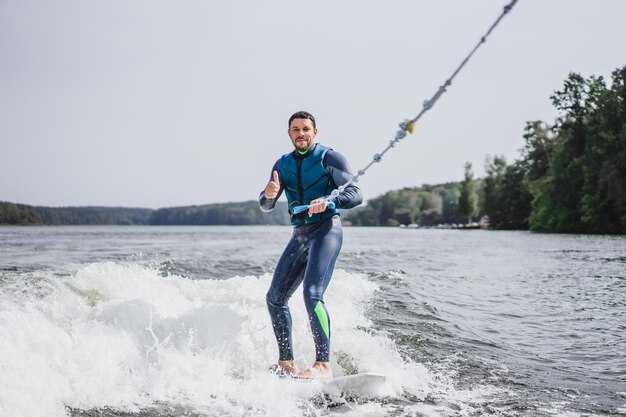 Wakeboarding Workouts – How to Stay Fit for the Water">

10-minute dynamic warm-up before they hit the water. A precise setup focuses on hips, shoulders, and ankles: leg swings, hip circles, thoracic twists, band pull-aparts, and wrist activations. This warms tissues, improves touchdown control, and creates a forgiving base for the day, especially after falls, with one hand lightly resting on the grip, making micro-adjustments with each grip.
Build strength for wakeboarding with a balanced push-pull routine. In the gym or at home, include push-ups or dumbbell presses to grow the chest and shoulders, rows to drive the back, and anti-rotation work to protect the core. Do 3–4 sets of 6–12 reps, focusing on form, not ego. This supports the arms during grabs, the back during carving, and keeps contact stable without overloading the spine, giving the needed stability.
Develop balance and lower-body resilience with single-leg squats, box jumps, and balance board drills. Include surfing drills to simulate how you ride the water. Set up a group workout once a week where they practice on the same page: one coach or leader demonstrates, others observe. Advanced athletes layer in plyometrics, short sprints, and loaded carries to simulate how you move into wakes at speed, with levels of difficulty adjusted to practice needs.
Weekly plan for levels of ability: beginners feature 2 days strength, 2 days cardio, 1 day mobility; intermediates add a third strength day with lighter loads; advanced athletes push explosive sets and longer cardio blocks. Always start with a warm-up, finish with cooldown, and track practicing progress and the drills needed to satisfy technique and control on the water.
On-water sessions pair skill work with fatigue resistance. Practice dropping into wakes and landing cleanly; track progress with goals like time under tension, controlled repetitions, and balance tests. They should push through occasional falls, keeping hands and arms relaxed to recover quickly. For recovery, stretch shoulders, lats, and hips with light mobility work on off days to stay ready for the next session.
Practical training for water-ready riders and mindful practices to protect lakes and oceans
Start every session with a 5-minute dynamic warm-up and a 60-second plank to prime the core. Then complete 3 rounds of the following with 60-90 seconds rest: 8-10 kettlebell deadlifts or dumbbell hinges (difficult but controlled), 6-8 goblet squats, 30 seconds per leg of single-leg balance on a stable surface, and 8-12 push-ups. Add ballast gradually by 2-5% weekly (weight vest or sandbag) to mirror the water weight and improve bodily awareness. Maintain a singular focus on technique and safety, and log weight, reps, and hold times in a private notebook to track progress, making steady gains and preparing your physique for the board well.
For on-water readiness, target the posterior chain, core, and shoulders. Do 3 rounds per week of: 3×12-15 bent-over rows or single-arm rows; 3×15 face pulls to reinforce scapular control; 3×12 external rotations; 3×30-45 second side planks; 3×8-12 dead bugs or Pallof presses. Include plank variations and mobility drills, and keep faces forward toward the water to reinforce balance. This designed routine helps your physique stay balanced, making the body less prone to wobble on edge and enabling higher confidence on the wake. Started with light loads and progressively increased as you sense better control; when you feel the effort, slow down and reset.
On land, simulate edge holds with slow weight shifts, heel-to-toe transitions, and controlled falls onto a soft surface. Use a balance pad to simulate ballast and practice 2-3 sets of 15-20 seconds of stance holds plus 6-8 reps of squat-to-stand transitions. The aim is to capture bodily feel and tendencies to lean; correct with cue-driven practice. Start with simpler drills and progress to higher tempo as control improves, making the routine more effective and sustainable.
Mindful practices to protect lakes and oceans start with small choices: reef-safe sunscreen, packing out trash, and using quieter craft near shore. Practice respectful distances from wildlife and other riders, and avoid generating excessive wake in shallow zones. Attend local expos to learn about sustainability and connect with a crew that values camaraderie and responsibility. Train with a private routine designed to minimize impact, and keep energy high by following up-to-date guidelines from authorities. For mental rehearsal, create a short movie of cues you replay on the dock before you step on the water. Thats why you can keep things simpler on the water and still stay effective: plan routes that protect sensitive ecosystems while enjoying healthy, higher-quality sessions the whole season.
Starter template: started with 3 days per week and built to 4 days by week 3. Each cycle includes 2 strength days and 1-2 on-water sessions. Use 3-4 sets for big lifts and 8-12 reps per set; tempo 2-0-2; rest 60-90 seconds. Increase ballast gradually, and scale back if falls or form breaks. After your 4th week, take a deload week and review your up-to-date goals and environmental impact to keep progress steady and responsible.
Pre-ride Core Activation: 5-minute routines for stability on the board

Do a 5-minute core activation before every ride to stabilize the board and reduce falls when you load for a carve on the boat. This sequence strengthens the deep stabilizers and keeps the pelvis steady as you move between turns, helping you stay comfortably in control when the wake gets bigger or when you ship into a rail trick. Practicing this guide will serve fellow riders at park sessions and on occasions when you push toward higher lines on the water.
- Dead Bug with Opposite Arm/Leg Reach – 60s total (30s per side). Lie on your back, legs swept in at 90 degrees, arms extended toward the ceiling. Press the lower back toward the floor, then exhale as you extend the opposite arm and leg while keeping hips level. Curl your toes to anchor the feet and prevent rib flare, then return to the starting position and switch sides.
- Bird-Dog – 60s total (alternate sides every 15–20s). From all fours, keep a neutral spine and hips square to the floor. Reach one arm forward and the opposite leg straight back, pause briefly at full extension, then return and switch. Maintain a stable torso to prevent wobble against the boat’s pull.
- Side Plank with Hip Dips – 60s total (30s per side). Lie on one side, elbow under shoulder, stack feet or stagger for balance. Lift into a side plank, then slowly dip the hip toward the floor and lift back up. Keep the spine long, ribs sewn in, and the shoulder away from the ear to resist collapse during rotations.
- Glute Bridge March – 60s total. Lie on your back with knees bent and feet flat. Lift hips into a bridge, then march one foot at a time while keeping the pelvis level and core braced. Hold a brief pause at the top, then switch feet. This move targets glutes and hamstrings to support smoother transitions when you ride between flat water and a pop of wake.
- Standing Single-Leg Balance with Reach – 60s total. Stand on one leg with a slight knee bend, core engaged. Reach the opposite hand forward to touch your toe or the floor, then return and switch sides. Keep the gaze steady and the pelvis level; this trains ankle-to-hip stability useful when catching a rail or preparing for a backflip attempt.
Between blocks, breathe through the movement, keep the shoulders relaxed, and curl the toes to reinforce foot grounding. For intermediate riders, this sequence offers a solid base to control micro-adjustments during pulls and landings, while also helping you enjoy longer sessions with less fatigue. The calm focus from this routine translates well to real rides on the boat or during training at the serene park, where you can practice with fellow riders and refine what you already know about balance against bigger wakes.
Leg Power Circuit: Squats, lunges, and balance drills for edge control
Start with three rounds: 8-12 bodyweight squats, 8-12 lunges per leg, and 60 seconds of balance work. Rest 60 seconds between rounds to keep technique crisp and heart rate controlled. This presents a practical path to stronger legs for wakeboarding and edging control.
Squats for power: Stand with feet shoulder-width apart, toes angled slightly out. Descend by bending hips and knees, maintain a tall torso and weight over the midfoot. Lower to parallel or just below the height of the thighs, then drive through the heels to stand. Tempo: 3 seconds down, 1 second pause, 1-2 seconds up. 8-12 reps. This part builds the muscles around the knees and hips, improving stability and edging potential on the water. For a mixed load, try goblet squats: hold a dumbbell or kettlebell at chest height; this mixing of load makes progression manageable for beginners.
Lunges and unilateral work: Step forward, drop the back knee toward the floor, front knee stays over the ankle. Lower until both knees reach 90 degrees, then push back to start. 8-12 reps per leg. Performed as stationary or walking lunges. Focus on knee alignment and controlled descent to protect joints. This variety strengthens the muscles involved in edge control during takeoffs and transitions.
Balance drills: Move to single-leg stands on a stable surface, then a balance pad or wobble board for added stability. Hold 30-60 seconds per leg, eyes open; progress to eyes closed as you improve. Practice edging by shifting weight from heel to toe with small hip- and knee-flexion adjustments. These drills provide stability and teach you to stand tall while the board tilts.
Progression and gear: Increase load slowly to a manageable level; aim for 3×8-12 squats with added load, 3×8-12 per leg for lunges, and 3×30-60s balance per leg. Equipment options include dumbbells, kettlebells, or a light barbell for higher intensity. Selecting the right load depends on skill level; if you feel form break, reduce weight and maintain tempo. Keep a managed progression to avoid overload. The result is becoming stronger, edging ability improving rapidly. For wakeboarding as a sport, strong legs help control stance and speed through edging.
Grip and Shoulder Strength for On-Water Maneuvers
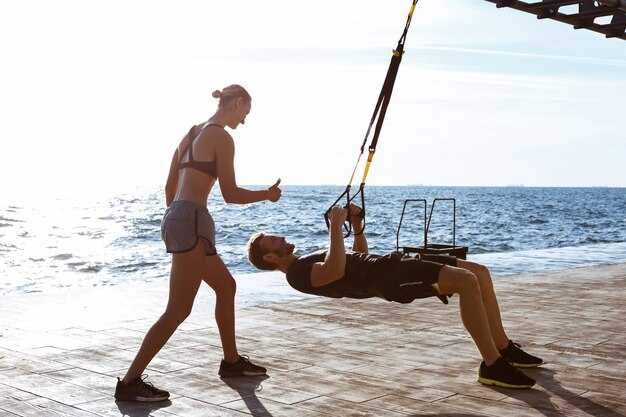
Begin with a base routine: 3 sets of 12 external rotations with a light resistance band, performed 2–3 days per week, and progress to 3 sets of 15 reps over 6 weeks. This builds front shoulder stability for toeside and forward edging during wakeboarding.
Grip work drives on-water control: farmer’s carries with dumbbells or kettlebells for 2–3 sets of 30–40 meters, resting 60–90 seconds between sets; plate pinches for 2–3 sets of 30 seconds; and towel grip hangs for 20–40 seconds per set, 2–3 sets.
Movements to train shoulder health include Y-T-W poses, face pulls, and prone external rotations, 3×12 reps for each, 2–3 sessions weekly.
Mobility and ranges: include wall slides, scapular push-ups, and thoracic rotations; work through ranges from neutral to 120 degrees of shoulder flexion to avoid edge fatigue.
On-water integration: simulate wakeboard tasks with a partner on land first, then in water; hold the board with a leash for control while you practice toeside and front edging patterns; plan 6–8 passes with progressive load.
Record progress: track the number of reps, hold times, and ROM; this data provides a clear view of grip endurance and shoulder coordination; share results with your coach to refine your program.
Try this routine in carolina parks and other north region spots between wake sessions; the routine is a practical part of development you can share with a coach, destination in mind, and growing expertise to keep you jumping higher.
Better outcomes come from thinking about technique rather than rushing through reps; maintain a calm tempo, keep toeside and forward motion aligned with torso, and keep the leash close to prevent board swing.
With steady effort, grip and shoulder work translates to better edging control, performs well under fatigue, and cleaner jumps during wakeboarding maneuvers.
Cardio and Mobility: Interval sessions and dynamic stretches for lasting sessions
Start with 8–12 minutes of interval cardio to prime your system, then move into mobility work that targets the shoulders, hips, and thoracic spine. For intervals, perform 6 rounds of 30 seconds hard effort on a bike, rower, or jump rope, with 60 seconds easy pace following each effort. This pattern likely improves your endurance on wakeboards and helps you recover between spins.
Following cardio, execute 6–8 minutes of dynamic stretches to wake tissues like tendons and ligaments and joints for a longer session: leg swings (10 per leg), hip circles (8 each direction), thoracic rotations (8 per side), inchworms with a light push-up (6–8 reps), and arm circles (6–8 reps each direction). These movements build flexibility and readiness without static holds, keeping you loose for edge changes and trick sequences. Riders may also benefit from this routine to stay durable through back-to-back wakeboards sessions.
Intermediate riders can join this plan by increasing the challenge: 8–10 intervals of 40 seconds with 50–60 seconds rest, keeping intensity around 70–85% of max. This approach supports a longer day on the water while reducing excessive fatigue. goofy footed riders might also benefit from a slightly wider stance to support rotation. Add two sets of light curls (12–15 reps) and a short series of band external rotations to involve the shoulders and upper back, helping you handle the handle and catch softer landings during spins.
During the water session, keep your core as ballast to stabilize the torso and join the chain of movement from the feet to the hands. Bindings snugly fastened, with shoulders over hips and a neutral pelvis. Front and back foot positions should stay balanced to support rotational loads and edge control, especially on transitions and spins towards the wake.
Finish with a quick cooldown that sticks to dynamic mobility: 4–5 minutes of light cardio and 3–5 minutes of mobility focusing on hips, thorax, and ankles. This approach helps reduce tissue stiffness, supports recovery, and keeps you ready for the next session with a perfect blend of cardio and mobility.
Eco-Smart Wakeboarding: Boat idling, sunscreen choices, and beach cleanup habits
Turns off the boat engine between pulls to cut fuel use and emissions. Keep idling time to a minimum and plan launches so the engine stays off during breaks, especially near the shore where engines can disturb wildlife. When you practice turns and powerslide, keep the moves close to shore to stay safe and avoid extra wake, and this approach produces quieter water for everyone nearby.
Choose reef-safe sunscreen with mineral filters; look for zinc oxide or titanium dioxide, broad-spectrum SPF 30–50, and water resistance. Apply 15–30 minutes before exposure and reapply every 2 hours or after swimming; avoid spray formulas that drift into the water. This simple switch offers skin protection and minimizes harm to marine life, a topic you can highlight in media posts.
Beach cleanup habits: carry a compact bag and collect litter during breaks, sorting plastics for recycling whenever possible. Mass of trash you remove prevents microplastics from entering the lake or ocean. Wear a bright vest for visibility around boat traffic and stay within designated zones so you remain safe while helping the beach. Most shores welcome cleanup volunteers and provide bins or disposal options for collectors.
Measurement drives progress: track the weight (mass) of debris collected and the minutes saved by reducing idle time, then set targets for the next session. Within your group, ones can take responsibility for a quick shore check before launching; this creates a habit that spreads to friends and family.
Building a routine designed for eco-smart wakeboarding strengthens both your riding and your responsibility. Earlier sessions started with basic turns and a steady stance; now you refine proper weight distribution to prevent tail drops and strengthen your core. A wakeboarder can stay efficient on the water by keeping the tail balanced, the vest snug, and the speed controlled. Most wakeboarders will stay engaged when they see the benefits, and they offer a cleaner beach, safer mornings, and a healthier wake environment for everyone involved.