


 Română
  English (UK)
  Русский
  العربية
  日本語
日本語  한국어
한국어  Magyar
  Türkçe
  Español
  Čeština
  Svenska
  Português
  Ελληνικά
  Suomi
Suomi  Nederlands
  Italiano
  Français
  Polski
  Українська
  Deutsch
  简体中文
简体中文  Slovenčina
  Venice Florida Scuba Diving Tours – Top Dives, Operators & Tips">

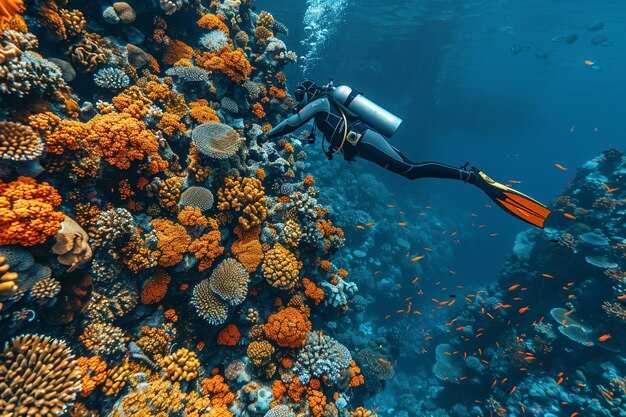
Recommendation: Book a Venice, Florida scuba experience with a known operator and a captain who prioritizes safety and keeps most trips small. This approach boosts visibility, supports both safety and enjoyment, and makes this outing quite rewarding for a diver.
Top dives around Venice feature ledges, artificial reefs, and shipwreck remnants accessible by a short boat ride. This area offers typically calm mornings, with visibility that can reach 20–30 feet in good conditions. The tamiami formation shapes the habitats you’ll find, guiding the finding of interesting macro life and larger creatures alike. Known operators host themed sessions that combine thrilling underwater exploration with educational briefings on currents, habitats, and local species.
When choosing your operator, look for a reliable boat with a skilled captain and clear safety protocols. Known outfits typically run small groups, provide reef-safe gear, and offer educational briefings about local reef systems and gulf currents. Most trips depart from downtown Venice or nearby boat ramps, and they welcome divers of all levels, including first-timers and seasoned divers alike.
Practical tips for planning: target mornings with light winds and steady visibility, reserve a spot on a boat well before the season peaks, and bring a 3–5 mm wetsuit for comfort. Most excursions depart around 8–9 AM, which gives you a chance to enjoy the gulf light. Pack a waterproof bag for a phone or camera, reef-safe sunscreen, and a towel for after the session. For an educational edge, ask the captain about the tamiami habitat, observed species, and safety practices; this helps you maximize most dives and learning opportunities.
Welcome to Venice’s underwater experience, where you will find quite a few options close to shore and a chance to combine photography, wildlife watching, and the science of the gulf. The boats visit known sites in sea conditions that can change with tides, so check the captain’s updates and prepare to adapt; you’ll go home with new findings and stories from a thrilling day on the water.
Top Dive Sites Near Venice: Wrecks, Reefs & Depths
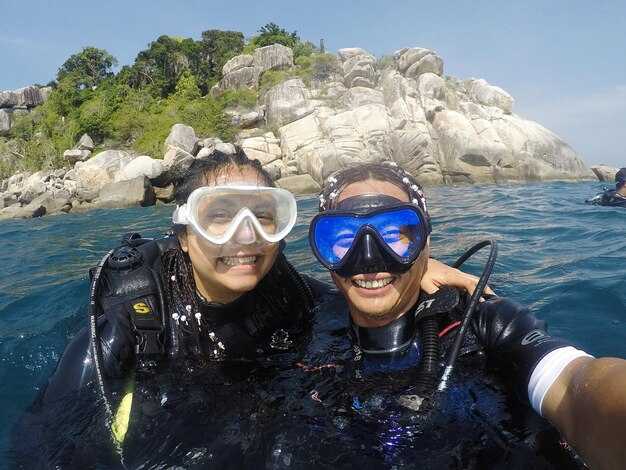
Book a morning boat charter with a Venice-area shop to access three wrecks and two reef sites within 40–90 feet; arrive early to complete reservations and welcome the crew. In perfect conditions, these dives thrill with hulls encrusted by sponge and a bloom of plankton that sustains abundant life in gulf waters.
источник notes that visibility in gulf waters can reach 80 feet in calm conditions, and seasonal plankton blooms boost macro life during peak windows.
Wrecks Near Venice
Wrecks lie typically at depths of 60–90 feet, with larger hulls approaching 100 feet depending on site and currents. Expect sturdy steel frames on sandy bottoms, encrusted with coral and sponge, creating shelter for snapper and barracuda. Descend with a well-maintained regulator and monitor your tank for a safe ascent; bubble trails around the wreck add to the thrill as you circle the hull. A safety briefing outlines buddy procedures and which signals to use under water. The maximum depth on most trips stays within recreational limits, so plan your bottom time accordingly. If currents run strong or seas rise, reschedule with their shop to ensure a calmer second dive; the crew will coordinate a new date and confirm reservations promptly. north gulf winds can shift conditions quickly, so check the forecast before you arrive.
Because conditions can change rapidly, the team work with you to tailor the day. They welcome questions and will help you choose a site based on your experience level and the current conditions.
Reefs & Depths
Reefs lie typically at 40–60 feet, with maximum depths near 60 feet. Ledges and small caves host an abundance of life, from crabs and shrimp to small reef fish, all thriving on the plankton-rich currents. Drift dives along the shelf let you ride the current back toward the boat, often completing a second, shorter dive in prime conditions. catalina-level clarity can appear on certain days, so bring a compact light and a small camera to capture macro life. Each dive begins with a quick equipment check and safety briefing, and the shop can arrange a second dive if reservations remain open; arrive early and be ready to board the boat with gear checked and ready. After the surface interval, rinse gear at the shop and head back to the dock with stories from your dive.
Choosing a Venice FL Scuba Operator: What to Look For
Pick a certified operator that offers educational briefings, transparent information, and a clear safety plan. Call their office to confirm weather policy and cancellation rules. Their response should give you a practical plan for your day and a reliable anchor for your trip.
Important factors include safety records, crew training, and gear quality. Look for operators with current certifications (PADI, NAUI, SSI) and experienced guides who tailor routes to your skill level, offering advanced options for those who want to explore nearby reefs and fossil sites.
Check gear quality and rental policy. Stable tanks, regulators, BCDs, and wetsuits should be in good condition. Ask about equipment sanitation and backup gear. This information helps you plan your personal gear and avoid surprises during booking.
Weather matters: reliable operators provide a clear weather window and call to notify changes. They should give you options when conditions shift, including alternative sites near Venice or the Tamiami area. Their center anchors the day with a safe, enjoyable route. They may offer snorkel trips as an alternative for participants who prefer a lighter experience.
Educational value: choose a center that adds context about marine life, fossils, and local history. The most informative operators offer short briefings with species names, depth ranges, and safety cues, plus access to information about the Venice fossil beds. This gives you a chance to learn while exploring, because knowledge enhances safety and enjoyment.
From Venice and the Tamiami corridor, most operators run boats that anchor near calm sites, reducing travel time and increasing exploration time. Check their weather policy and whether they offer a center briefing before heading out.
Verificări Cheie
Here is a quick checklist to compare options.
| Operator | Certificare | Gear Quality | Valoare educațională | Weather Policy | Price Range |
|---|---|---|---|---|---|
| Operator A | PADI/NAUI | New gear, well maintained | Marine life and fossil beds briefing | Flexible reschedules within 24 hours | $120-$180 |
| Operator B | PADI/SSI | Updated rental gear | Reefs, habitats, safety cues | Weather watch with site options | $150-$210 |
| Operator C | PADI/SSI | Back-up gear, clean equipment | Advanced navigation and depth awareness | Alternate sites if seas are rough | $100-$160 |
Red flags to avoid
Unclear certification, vague safety briefings, hidden fees, poor gear maintenance, no weather policy or no plan for weather changes, and pressure to sign waivers without questions indicate a poor fit for your plans to explore Venice’s underwater areas.
Huka Diving Snorkeling & Diving in Siesta Key: What to Expect
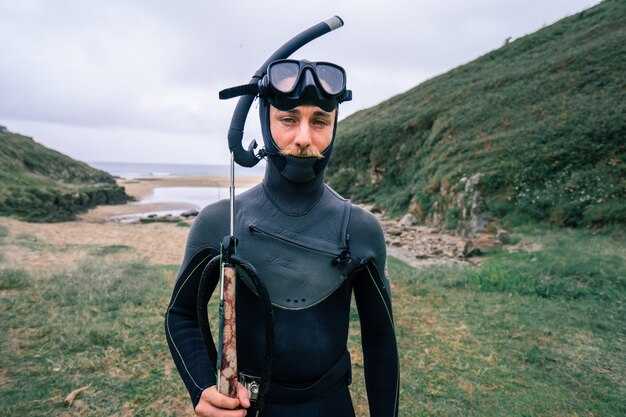
Arrive early at the siesta center to meet the crew, check your regulator, and verify your tank is topped – youre set for a safe, smooth outing.
What to expect on the water
In siesta key, snorkeling sessions are led by experienced instructors who tailor routes to conditions. The boat departs from the slip and charts a course along the gulf coastline teeming with reef fish, rays, and curious crabs. Visibility varies with weather and season; on calm mornings you notice a bright, clear backdrop that makes life along the reef stand out. For divers seeking a deeper experience, the crew can tailor a longer trail back toward the gulf. Your guides meet you at the center before the trip and explain the sites, the safety signals, and the fossils you may encounter on shell beds. The sites offer a mix of personal favorites and official stops; some have a catalina vibe in their reef structure and broad flats that feel expansive yet protected. Youre supported by an experienced team who adjust the route to conditions and time, ensuring you have a rewarding outing. If weather shifts, the crew will notice and switch to a shorter plan, and the center will provide a backup time. Customary safety checks, a quick buddy check, and a clear plan for slips and re-boarding keep everyone prepared.
Some shells hide a fossil fragment, giving you a small window into the Gulf’s distant past. This greatly enhances your opportunity to connect with the gulf’s life. If conditions are unfavorable, the notice can come early and the plan can be shortened or moved to a nearby alternative site, which keeps your experience safe and enjoyable.
Practical tips
Prepare your own gear or rent what you need from the center – your mask, fins, snorkel, regulator, and tank if required. If youre bringing your own equipment, ensure the regulator is functioning, the tank is full, and the slip area is clear for boarding. The operation runs from a center near the waterfront, so you can park, drop gear at the slip, and head to the boat with minimal hassle. Bring reef-safe sunscreen, a hat, and a refillable water bottle; keep valuables in a dry bag on the center or boat. After the session, you return to the center with notes about sites you liked, fossils you noticed, and the wildlife you met, which helps you plan future siesta adventures with greater confidence. If conditions are favorable, you may extend your time at the reef and still return to the marina on schedule.
Practical Gear, Certification & Safety Tips for Venice Dives
Bring a labeled tank cu o inspecție hidrostatică recentă și asigură-te că derogările sunt la dosar la centru înainte de a pleca; asta te ține certified și gata să explorăm apele mlăștinoase ale Veneției. Bine ați venit, prieteni – când vă întâlniți la docuri, confirmați traseul cu ghidul și semnați prompt orice înștiințări finale.
Acest setup este perfect pentru condițiile din Veneția, mai ales când curenții se schimbă între canale și zone puțin adânci și când algele marine modifică vizibilitatea.
Esențiale pentru echipament
- Mască, labe, snorkel și o mască de rezervă pentru vizibilitate variabilă; ia în considerare un costum de neopren de 3–5 mm pentru confort în timpul sesiunilor de scufundări pe tot parcursul anului în Veneția.
- BCD, regulator și un primar meter cu un octopus secundar opțional pentru a împărți aerul cu un partener.
- Depth meter sau indicator de adâncime, plus o busolă sau o consolă mică; verificați citirile înainte de a continua.
- Iluminare primară și de rezervă pentru dimineți mai întunecate lângă bancuri de nisip sau epave; carcasele impermeabile ajută dacă intenționați să fotografiați. plancton înflorește.
- Butilie de semnalizare de suprafață (SMB) și un fluier pentru a vă semnala locația între locuri.
- Un fir, o mulinetă, O-ringuri de rezervă și un set mic de scule; acestea tips economisește timp în caz de probleme cu echipamentele.
- Protecție: cremă de protecție solară ușoară, hidratare și gustări; articole opționale includ o mască de rezervă sau o carcasă pentru cameră.
În Veneția, zone precum tegnue și secca necesită precauție suplimentară atunci când curenții se schimbă odată cu mareele și când vizibilitatea se modifică. Observați ghizii de la center briefing și să procedeze doar cu planul lor. Apa teeming with plancton poți schimba vizibilitatea între site-uri; ajustează-ți ritmul în consecință. dinte prezența balanidelor pe structurile mai vechi ne amintește să evităm contactul brusc cu orice suprafață.
Certificare și Sfaturi de Siguranță
- Asigurați-vă că dețineți o certificare valabilă emisă de o agenție recunoscută; aduceți cardul și un act de identitate cu fotografie; acesta este required de către majoritatea operatorilor.
- Completați și semnați declarațiile de exonerare de răspundere în prealabil; unii operatori marchează declarațiile. optional doar pentru programe speciale, dar majoritatea rutelor necesită.
- Întâlnește-ți ghidul la doc sau centru; orele tipice de plecare sunt matinale, așa că sosește cu echipamentul pregătit și welcome la briefing.
- Stai cu al tău. friends și mențineți contactul cu partenerul; planificați traseul between șantiere pentru siguranță și eficiență.
- Monitorizează aerul cu... meter și să stabiliți un plan de suprafață (de exemplu, ieșire la suprafață după ce au mai rămas 50–70% din aer); semnalați dacă trebuie să reveniți mai devreme.
- Respectați curenții din apropierea Tamiami zona; ajustează adâncimea și ritmul în consecință și nu egaliza agresiv în zone necunoscute.
- Oprește-te pentru o oprire de siguranță la aproximativ 5 metri timp de câteva minute pentru a reduce acumularea de azot și pentru a îmbunătăți controlul în ape agitate.
- Observați prompt orice problemă cu echipamentul și semnalați-o ghidului; nu continuați dacă un regulator, furtun sau manometru prezintă o problemă.
- Respectați fauna sălbatică: păstrați distanța față de creaturi și nu îndepărtați niciodată nimic din epave; aceasta este o common practică de siguranță.
- Cunoașteți procedurile de urgență: respectați planul operatorului și știți unde se află suportul de la țărm și derogările, în cazul în care trebuie să reacționați rapid, și fiți gata să vă întâlniți cu echipajul într-un timp scurt.
Rezervări, Sezoane și Reglementări Locale: Când să Scufundați în Veneția
Planifică-ți excursiile subacvatice în Venice, Florida, în aprilie–mai sau septembrie–octombrie pentru a maximiza vizibilitatea, temperatura apei și calmul mării. De asemenea, rezervă din timp, cu cel puțin două săptămâni înainte, mai ales pentru excursiile de weekend dinspre centrul pescarilor, și confirmă închirierea echipamentului în avans.
Condițiile meteo îți modelează ferestrele de oportunitate: primăvara și toamna oferă, de obicei, zile mai senine cu vânturi ușoare, în timp ce iarna aduce rafale dinspre nord care pot agita suprafața, iar vara vine cu averse zilnice și activitate tropicală ocazională. Vânturile de siestă pot afecta condițiile de suprafață la mijlocul zilei în timpul verii, așa că programează excursii dimineața pentru mări mai calme, atunci când este posibil. Verifică întotdeauna prognozele NOAA înainte de a rezerva și fii pregătit să schimbi planurile dacă se formează fronturi atmosferice.
Reglementările locale impun folosirea unui operator autorizat și o instruire privind siguranța înainte de orice ieșire. Majoritatea excursiilor se limitează la 6 scafandri per ghid pentru a proteja secca și structurile din apropiere, iar scafandrii avansați necesită certificare. Toți participanții trebuie să treacă printr-un control medical rapid și să participe la instruirea obligatorie a operatorului înainte de plecare.
În ziua respectivă, prezintă-te la centru cu 15-20 de minute înainte de plecare; adu labe, mască, un regulator și orice echipament personal. Echipament de închiriat este disponibil, și poți adăuga și un dispozitiv de flotabilitate dacă dorești. Ia cu tine apă, o pălărie, cremă de protecție solară sigură pentru recif și o gustare mică. Centrul primește scafandri și te va ajuta să găsești excursiile și orele potrivite.
Site notes: Zona epavei Secca și recifele din apropiere găzduiesc o abundență de viață marină care zumzăie în jurul platformelor. țărmurile orientate spre nord tind să ofere condiții mai calme la suprafață când vântul bate dinspre sud. Excursiile includ o verificare scurtă a navigației și un interval ușor la suprafață; urmărește-ți bulele pe măsură ce respiri și rămâi flotant și conștient de alți scafandri. Docul pescarilor rămâne punctul comun de întâlnire pentru transferurile către centru.