


 Română
  English (UK)
  Русский
  العربية
  日本語
日本語  한국어
한국어  Magyar
  Türkçe
  Español
  Čeština
  Svenska
  Português
  Ελληνικά
  Suomi
Suomi  Nederlands
  Italiano
  Français
  Polski
  Українська
  Deutsch
  简体中文
简体中文  Slovenčina
  Understanding Roller Furling Systems – A Comprehensive Guide for Sailors">

Start with a fitted roller furling system from a trusted gear maker and plan the installation with your boat’s stay and sail plan in mind. A clean fit reduces binding and makes reefing easier in gusts. Consider whether you need motorized assistance, especially on larger boats, or if a straightforward, non-motorized setup suffices. This boosts înțelegere of how the setup affects handling and maintenance needs.
Understanding what you buy hinges on types of furlers: a soft-attachment system that works with sleeves vs a roller with a forestay. Each variant has different installation steps, tension ranges, and compatibility with your halyards. The article you read should spell out load ratings, rotation speed, and the warranty; consult the источник manufacturer data to compare metrics before purchase.
Plan the installation to minimize deck work; use lower attachment points for reducing weather helm during reefing, and ensure hardware is fitted on a clean, dry surface. Some steps can be challenging if you replace forestay hardware or align the drum. For a basic unit, align the forestay, secure the drum, and thread the line through the appropriate blocks. On a boat under 35 feet, expect roughly 4–6 hours of hands-on work; larger craft may require 6–10 hours, plus time for any forestay replacement.
Costs can be expensive upfront, but you gain substantial gains in reefing speed and sail life. If you expect heavy use, consider a motorized furling option for smoother handling on a deck with board hardware. After installation, service the unit annually: apply lubricant to moving parts, inspect the drum and collar, and replace worn seals through the sailmaker or dealer if needed.
When selecting, reference what the article says about sail area compatibility, and confirm the installation measurements with your boat’s hardware planning. Check the источник manufacturer data sheet and seek guidance from a sailmaker to ensure your sail luff fits the furling sleeve. If you are unsure about steps, hire a technician; the process is straightforward but misalignment can damage the forestay, drum, or rotation mechanism, especially with a motorized unit.
Roller Furling System Essentials for Sailors
Recommendation: Choose a profurl-style roller furling system with a robust extrusion and a dependable drum, sized to handle your largest headsail. This setup lets you furl and unfurl from the cockpit, reduces windage when furled, and improves single-handed handling. If you sail solo often, consider a motorized assist option; otherwise, manual control is usually sufficient. Verify fabric compatibility and reinforcement at the luff, and ensure hardware is corrosion resistant. Use the manual and источник for installation specifics and torque specs. Your choice should include clear service instructions and ready access to spare parts from your supplier.
Whether you sail light seabreezes or heavy-weather passages, the right furling system changes how you manage headsails on sailboats. Start by verifying your largest headsail can be furled without modifications and that the forestay attachment suits your rig. Early planning saves rework later and keeps your cockpit workflow smooth.
- Types: Drum furlers with a foil extrusion offer clean airflow and easy reefing; foil-style systems provide rigid guidance for the sail’s edge. Understand how each type affects roll efficiency and sailshape when unfurled.
- Fabric: Most headsails are made for furling, but laminated fabrics wear differently from Dacron. Check luff reinforcement and consider a protective strip to reduce wear on the sail’s edge.
- Size and load: Match the system to your sail area and boat length. An undersized unit struggles in gusts; an oversized one adds weight and friction. The goal is a balance that keeps handling light in light winds and reliable in stronger wind.
- Leading and routing: Route furling lines, halyards, and control lines through efficient leads to the cockpit. Clean routing reduces helm effort and minimizes snag risk during maneuvers.
- Motorized option: For single-handed sailors or boats with heavy headsails, a motorized assist helps when trimming or reefing, especially in rough conditions. If your budget or crew size doesn’t require it, manual control remains dependable.
- Installation notes: Follow the manufacturer’s installation steps in the manual; check forestay compatibility and ensure proper lubrication and seal conditions. Consult the источник manual for torque specs and maintenance intervals.
- Maintenance cadence: Inspect the extrusion, drum, swivel, and end caps at least twice a season. Look for corrosion, strand wear in lines, and signs of chafe on the sail’s luff.
- Operational checks: Before you head offshore, practice furling and unfurling in light winds, verify smooth rotation, and confirm that the sail rolls evenly without binding.
- Assess your sailing profile: boat size, typical wind range, and crew availability.
- Confirm compatibility: largest sail, sail texture, and forestay attachment.
- Plan installation: gather a complete hardware kit, lubrication, spare parts, and the official manual.
- Test in calm conditions: verify ease of use, line routing, and cockpit reach.
- Document the setup: note tension settings and sail shape results for your future reference.
With a well-chosen system, roll and change sails on the fly become straightforward. Focus on a setup that includes a solid extrusion, reliable drum, and sail fabrics tailored for furling. Your choice guides handling, safety, and the speed of adapting to changing conditions.
What a mainsail furler does and when to deploy
Deploy the mainsail furler before gusts arrive or when you want to reduce sail area. The furler itself reels the sail around a fixed foil or drum, allowing you to remove or add sail quickly without leaving the cockpit. This keeps the boat balanced, reduces windage, and lowers wear on lines and shackles. For sailboats, dinghies, and larger rigs, a properly equipped furler makes reefing straightforward and helps you maintain control in changing conditions. The system uses metal fittings designed for strength; inspect them regularly to prevent failure.
heres how it works: the sail has a luff sleeve that feeds into a fixed foil; as you pull the control line, the sail winds around the foil and remains contained in the track. The added benefit is you can adjust sail exposure in small increments, keeping the shape correct and reducing wear on lines. Those features, along with easy storage below deck, make this setup popular on sailboats and dinghies alike. Ensure the hardware is properly secured with shackles and that the foil and drum are aligned; loose parts can cause flutter or wear. This style of system works well on boats of different sizes and configurations.
When to deploy: in light air (roughly 6–12 knots) you can leave most of the sail out; in moderate wind (12–18 knots) reef to about 60% of full area; in gusty or strong wind (>18–20 knots) reef further to 40% or roll in the sail completely. You should practice deploying in calm conditions first and test the system under moderate wind to confirm you can adjust quickly and keep the helm balanced. For those choosing gear for small boats, start with a compact drum and a shorter luff; the added weight is usually minimal, and the operation remains easy and safe.
Maintenance and installation: below deck access to the furler is minimal, but the foil and line path must stay clean and free. Inspect the foil for burrs or corrosion; verify the mast track alignment and the drum seals. If you notice wear or signs of tear on the sail, remove the sail from service and replace the affected panel. источник notes that proper installation and regular checks extend life and reduce failure risk; for those equipped with dinghies, ensure the hardware is sized to the boat and lines are secured to prevent snagging. In this article, we cover deployment steps and maintenance routines.
Choosing the right unit: pick a furler that matches your mainsail style and lines; ensure the system is equipped with corrosion-resistant metal hardware, a robust drum, and a foil matched to your sailcloth. When installing, align the foil with the mast and boom path; misalignment increases wear on the sail and may require rework. By selecting the right unit and performing regular checks, you gain reliable control in a wide range of conditions, and therefore you can sail more safely and with less fatigue on long passages or day sails.
Key components: drum, foil, swivel, and fittings
Inspect the drum, foil, swivel, and fittings before offshore passages to ensure they attach securely and operate smoothly.
Drum: Drums have developed over decades to handle reefed and unfurled lines; choose a drum equipped with a smooth bore and ample groove width to prevent wear and binding when you reef or trim sails. Wind lines evenly; mis-wraps create friction that slows furling and can jam in rough seas. If you notice burrs, cracks, or uneven wear, remove the drum from service and replace it to avoid issues offshore. This helps reduce potential problems during a long sail.
Foil: to optimize flow, place the foil so the sail line path stays straight and the luff runs close to the drum. Use a light, corrosion-resistant foil with an asymmetric profile to minimize drag and balance load. Check for nicks, bends, or delamination after long passages, and replace a damaged foil promptly to keep performance easy.
Swivel: The swivel attaches the foil to the drum and must rotate freely; choose a unit rated for the expected load and secured with a robust pin. If play develops, replace the swivel; a stiff or sticky swivel makes it difficult to manage sails offshore.
Fittings: Use corrosion-resistant hardware sized for the lines; fittings equipped with locknuts and cotter pins support reliable performance. Install with proper clearance to avoid chafe; protect line edges with solents to reduce wear. Keep fittings accessible for quick adjustments when lines bind during changes in wind or seas.
In this article, implement a practical routine to manage wear and keep the system reliable: inspect corrosion, wear, and alignment; test under light load and under full sail. A routine developed for your boat, combined with clear inspection notes, helps remove surprises and make the most of the drum, foil, swivel, and fittings setup.
How furling influences sail shape, reefing, and handling
Install a properly matched roller furling and verify the installation with care. This holds the sail shape, reduces flutter, and allows quick reefing and safer operation while cruising.
How it changes sail shape: when the sail is fully unfurled, the fabric works with the foil to hold a balanced draft. As you furl, the sail wraps around the foil, flattening the curve and lowering the overall draft. This lower draft shifts the center of effort slightly forward and aft, which can affect steering feel and weather helm. On a cruiser or sailboats with long mains and small jibs, the same adjustment tends to move power out of the windward zone and toward stability, though you may notice modest loss of top-end drive in strong winds. A comprehensive approach considers not only the furling angle but also luff tension and halyard load to avoid a crowded, wrinkled luff that reduces efficiency.
Reefing with a furling system: expect a smooth reduction in sail area without leaving the cockpit. Typical systems reduce 20–40% of the exposed area when reefed, and larger sails can approach a 50% reduction with deep reefing. Added tension on the luff helps keep a clean shape behind the reef, while maintaining enough leech tension to prevent excessive flapping. In heavy conditions, reefing early over a moving breeze profile keeps control over the boat and reduces heeling, making the operation safer and more predictable.
Handling and control: a well-designed installation improves control during gusts and waves. You can trim the sail from the helm, reducing crew movement behind the wheel and avoiding awkward maneuvers that slow speed. For cruising sailboats, this means you can maintain speed without aggressive steering corrections, while keeping the same feel in your steering system. When you need to shake out a reef, the quick reefing line and the same mechanism make it faster to restore full power, even when the wind shifts behind you. The equipment should run smoothly in all conditions, with regular checks on turnbuckle gains, foil wear, and the luff tape to prevent added friction that slows operation.
Practical recommendations for effective use:
- Match the furling design to your sail designs and fabric weight; heavier fabric benefits from a robust foil and stiffer forefoil to keep shape under load.
- Keep the installation aligned with the forestay and ensure the tracks run true to avoid binding that makes reefing difficult.
- Inspect the entire system quarterly, including the halyard, headfoil, and stitched seams; replace worn fabric or luff tape behind the foil to maintain the same performance over decades.
- Choose a sail with added reinforcement at the luff and tack to handle the compression from furling and minimize rope-on-fabric wear.
- Use a moderate amount of tension on the halyard during operation to prevent the luff from bagging, which can spoil control and reduce efficiency.
- Plan reefing before the wind spikes, especially on a cruising schedule where you move between sheltered bays and open water; delaying reefing often makes the move harder and reduces safety behind the wheel.
Bottom line: a well-chosen system, installed correctly, backed by proper maintenance, provides a reliable tool for shaping sail power, reefing quickly, and maintaining control in changing conditions. This comprehensive approach helps cruiser crews keep sailing smoothly for years, with less effort and more confidence behind the helm.
Manual versus powered furlers: selecting the right type
For boats under 30 feet, start with a manual furler. It delivers reliable furling at low cost and with minimal electrical dependency. If you sail larger sailboats or regularly fly a big genoa, then a powered furler offers smoother operation and easier handling, though it is more expensive upfront.
Manual furlers rely on a spool that winds the luff line as you turn the handle. The luff rope runs through grooves in the extrusion, aligning the sail with the forestay and preventing twisting. The system centers on a few components: the spool, grooves, locks, bearings, and mounting hardware. After you furl, verify the sail sits neatly in the roll and remove any slack by hand, then lock the unit to prevent drift. This simple layout suits sailboats with moderate rigging and keeps maintenance lightweight.
Advantages of manual furlers include reducing fatigue, lower cost, and straightforward maintenance. They avoid electrical dependencies and spare parts are widely available. On the downside, manual operation can require more effort, particularly when the sail is flying and gusts hit, which can slow down furling and test your timing.
Powered furlers add a motor–electrical or hydraulic–built into the furler. They automate spool rotation, delivering consistent furling pressure and reducing crew workload, especially when handling flying genoas or sailing single-handed. The trade-off is a higher initial cost and a need for a reliable power source and wiring aboard. They introduce more components to maintain and you must ensure the extrusion and boom fit the motor housing without interference; installation varies by brand and may involve extra controls and weatherproofing, so plan the setup accordingly.
Guide to choosing focuses on certain factors: sail size and type, number of sails you furl regularly, mast height, and whether you want to operate from the cockpit. Check compatibility with your extrusion profile; confirm grooves align with the sail’s luff and locks engage securely. Consider the number of moving parts, as fewer components reduce failure risk. If you sail with little crew and want smooth handling of flying sails, a powered unit can be worth the investment–including its ability to furl without climbing into the rig, which is especially useful on a sailboat cruising in variable conditions.
During installation, verify the spool size matches your luff extrusion and ensure the system fits your mast or boom without conflicts. For genoas and flying sails, confirm the setup accommodates a broad range of sheet and halyard layouts. After setup, test in light winds, then monitor tension and lock engagement. Remove and recheck the sail alignment after a few sessions to prevent wear in grooves or the extrusion. Regularly clean the locks and lubricate pivot points to keep components in good shape, which sustains a clear choice between manual and powered furling for your boat.
Maintenance, inspection, and common troubleshooting steps
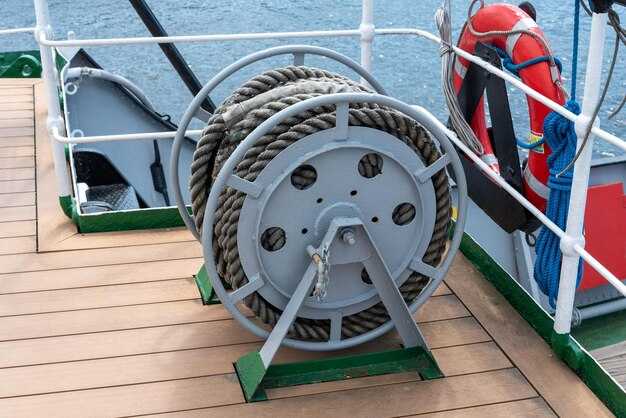
Inspect the in-boom roller furling drum, control line, and swivel monthly, and follow the instructions to ensure even furling and avoid sail damage at sea.
Inspect the sail, luff rope, drum, swivel, and control lines for wear, corrosion, and deformation. Watch for asymmetric wear on the luff and reel; if you see it, recheck alignment and fittings and replace any worn components to prevent uneven furling.
Clean and lubricate moving parts with a marine-grade product. Wipe off excess lubricant and avoid applying it to the sail fabric. Maintenance should be done with the system powered off and the boat secured. When done, run a short hand test to verify motion.
Test the system by hand: by hand rotate the drum and manually furl/unfurl the sail a few turns to confirm smooth action and even tension. If you encounter resistance, grinding, or a sticking point, stop, inspect the sheaves, and re-lubricate the bearings. Then re-test. Offshore conditions demand extra attention; plan maintenance accordingly.
Understanding your experience with the setup helps you tailor the checks to your needs and sailing style, including offshore trips where added caution is prudent.
| Area | What to check | Tools/Notes | Frequency | Pass/Fail |
|---|---|---|---|---|
| Drum, seals, fittings | Corrosion, leaks, loose end caps, seals | Marine grease, clean rag, torque wrench | Monthly | OK / replace |
| Control line and hardware | Frayed lines; top swivel and attachment integrity | Spare line, ferrules or knots as needed | Monthly | OK / replace |
| Sail and luff track | Wear, tears, asymmetric fabric; luff rope seating | Flashlight, cloth, spare luff rope | Trimestrial | OK / replace |
| Manual testing | By hand furl/unfurl 2–3 revolutions to verify smoothness | Gloves, clean hands | With checks | OK / recheck |
When issues arise, then follow the steps above to identify the root cause and restore performance, ensuring your setup remains reliable for your sailing needs.