


 Română
  English (UK)
  Русский
  العربية
  日本語
日本語  한국어
한국어  Magyar
  Türkçe
  Español
  Čeština
  Svenska
  Português
  Ελληνικά
  Suomi
Suomi  Nederlands
  Italiano
  Français
  Polski
  Українська
  Deutsch
  简体中文
简体中文  Slovenčina

Planning a sailing adventure requires careful consideration of provisioning to ensure a memorable experience on the water. Whether you are looking to rent a mid-sized vessel in the beautiful harbors of Trogir, Croatia, or sailing through the stunning Mediterranean islands, the right planning can make or break your holiday. The provisioning list for your bareboat charter must include all the essentials, from fresh fruits to specialty pastries, to help you create delightful breakfasts and lunches onboard.
A well-thought-out packing list not only maintains the comfort of the crewed or skippered experience but also simplifies the management of food and essentials on board. Understanding the specifics of provisioning is crucial; you need to know what items are available at local shops and what goods might need to be brought from home. Items like fresh garlic, cucumbers, and peppers can be easily sourced in nearby markets, while other staples, such as crackers and tastes of spirits, may require a bit more planning to ensure you have enough for your time at sea.
Each meal’s usage is important when organizing provisioning plans; knowing how to maximize the contents of your cooler and pantry can save valuable time. For instance, keeping some tissue and matches on hand can assist in quick cleanups or making small campfires for evening gatherings. As you sail under the stern of your vessel, be sure to book your provisioning in advance, ensuring high-quality items that will not only satisfy your hunger but will also lend to an engaging culinary experience. With these tips and a creative approach to packing, you’ll be ready to enjoy the unique flavor of your sailing adventure.
Packing for Your Sailing Adventure
Packing for your sailing adventure is an exciting yet intricate process. When you’re preparing to set sail, it’s essential to think about the specific provisions you will need for your journey. This involves not just food items, but also non-food essentials that will ensure a smooth experience on the boat.
Start by creating a total list of provisions. For breakfasts, consider items that are easy to prepare, such as pastries or fruits like oranges. These choices will save you time and space in the galley. For lunch and dinner, think about meals you can cook that suit everyone’s preferences, whether you plan to fish and cook it yourself or visit local restaurants at your base locations. If you’re exploring the beautiful islands of Italy, local menus can inspire some delicious meals onboard.
When booking your charter, consider the size of the yacht and the space available for your provisions. An effective packing strategy will help keep your supplies organized, making it easy to access everything you need. If you have crew members, coordinate with them to ensure that everyone knows their responsibilities regarding meals and using the galley. You might find that some have specialty techniques for cooking that will enhance your onboard dining experience.
Be mindful of the differences in preparation space and cooking equipment available on different boats. What works on one yacht may not be effective on another. Think about the provisions you already have before heading to the supermarket, as this will help you avoid excessive costs and unnecessary items. Pick provisions wisely; keeping it simple will allow you to focus more on the exciting aspects of your sailing adventure.
Overall, planning and organization are key to an enjoyable charter experience. By deciding in advance what you’ll need and how much you can accommodate, you’ll be well on your way to creating amazing memories on the water. Dive into the journey ahead with a well-thought-out plan, and you’re sure to sail smoothly!
Choosing the Right Sailing Gear: What You Need
When it comes to preparing for your sailing adventure, selecting the right gear is essential for ensuring a smooth experience. Your sailing gear not only enhances comfort but also optimizes your overall provisioning strategy. Here’s a comprehensive look at what you need.
- Îmbrăcăminte:
- Waterproof jackets
- Quick-dry trousers
- Sun hats and UV protection apparel
- Footwear:
- Pantofi de punte anti-alunecare
- Warm socks for cooler evenings
- Echipament de siguranță:
- Life jackets
- First aid kits
- Emergency flares
Consider the galley provisions for your non-food items as well. Creating a solid plan for your meals is crucial. You might want to think about:
- Easy-prep breakfasts such as oatmeal or smoothies
- Salads with ingredients like cucumbers and peppers for quick dinners
- Wine and milk to accompany your meals
When shopping for supplies, compare popular options based on space and the storage systems available on your chartered vessel. Make sure you carefully prepare your list of goods, focusing on what fits your specific needs, ensuring that you can easily store everything when you’re at mooring.
Additionally, consider the qualifications of your crew members. Depending on their experience, you may want to bring along additional safety gear or adjust your menu to ensure every meal is safe and enjoyable.
In summary, take the time to plan your sailing gear and provisioning carefully. By doing so, you will represent the best practices for a successful adventure, making sure you can focus on enjoying the beautiful ports and lovely mornings on the water.
Food and Beverages: Meal Planning for Your Crew
When embarking on a bareboat charter, meal planning is essential for a smooth sailing experience. Having the right provisions not only enhances the journey but also ensures that each crewmember enjoys nutritious and delicious meals throughout the trip. To create a successful menu, consider the potential dietary restrictions and preferences of your crew. A good mix of options will cater to everyone’s taste, making the journey more enjoyable.
Italian cuisine is a popular choice among sailors, thanks to its variety and the ability to prepare simple yet flavorful dishes. Pack essentials like pasta, canned tomatoes, and olive oil, which are key ingredients for quick dinners. You might also include some lemon for a fresh zing to your meals. Additionally, consider adding some beans for added protein and fiber, which will keep everyone satisfied after a day of sailing.
For breakfast, keep the menu straightforward with items such as pastries from local bakeries, cereals, and fresh fruits. These goods are easy to store and prep, ensuring that mornings are hassle-free. Don’t forget to include beverages; sparkling water can be a refreshing choice for thirsty sailors. Tea and coffee should also be on hand, providing a comforting start to the day.
When it comes to lunches and snacks, think about the capacity of your galley and storage options on the boat. Pre-packaged snacks can save space, while fresh vegetables and dips can make for a nutritious on-the-go meal. Always check local markets before booking your charter to see what fresh goods are available and plan your provisioning accordingly.
Lastly, consider the overall costs of your provisions. By planning meals and buying in greater quantities, you can save money while ensuring that the crew’s needs are met. Remember that the journey is both about exploring new shores and enjoying the moments spent together. A well-thought-out meal plan can make all the difference in creating unforgettable memories among those on board.
Personal Items: Packing Clothes and Toiletries
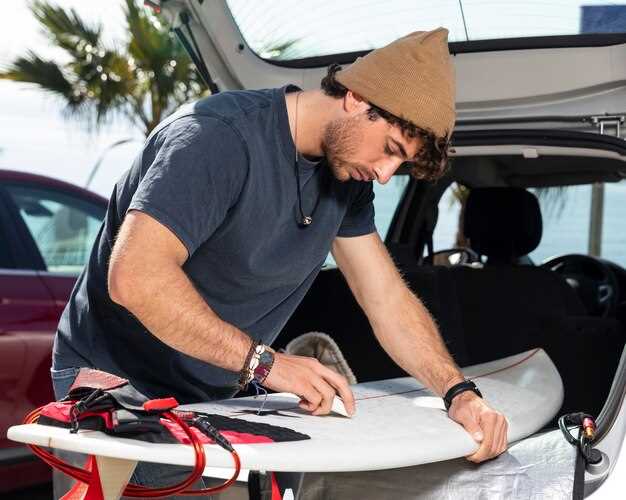
When preparing for a bareboat charter, packing the right personal items, including clothes and toiletries, is essential for a smooth sailing adventure. The items you choose should be effective for the duration of your trip and suited to the planned itinerary.
Begin with clothing that is versatile and suitable for various weather conditions. Depending on the season and your destination, here are some basics you should consider packing:
| Item | Quantity |
|---|---|
| Lightweight shirts (quick-dry) | 3-5 |
| Shorts and swimwear | 2-3 |
| Long pants (for cooler evenings) | 1-2 |
| Light jacket or windbreaker | 1 |
| Hat and sunglasses | 1 |
| Footwear (non-slip sandals and closed shoes) | 1 pair each |
To avoid the hassle of overpacking, consider your daily activities and plan your outfits accordingly. Remember, you’re on a sailing adventure, so you want to keep things comfortable yet functional. Opt for clothing that dries quickly to handle any unexpected splashes or showers.
Next, toiletries are necessary for personal hygiene during your journey. A small packing kit can make a significant difference in how you feel on board. Here are essential items to consider:
| Toiletry | Comments |
|---|---|
| Biodegradable soap and shampoo | Environmentally friendly options are better in national parks. |
| Toothbrush and toothpaste | Pack a travel-sized version for convenience. |
| Deodorant | A must for hot days on the water. |
| Sunscreen (reef-safe) | Protect your skin without harming marine life. |
| First-aid kit | Include basics like band-aids and antiseptic wipes. |
Finally, remember to store perishable goods like fruit, fish, and tomatoes in a cooler to keep them fresh for lunches and dinners. Items that require refrigeration should be carefully considered, as not all boats have the same storage capacity. Make sure to plan your provisioning accordingly to avoid any unnecessary bulk or spoilage.
The key to a great sailing adventure is being well-prepared with the right personal items. Ensure you have what you need to enjoy every moment without inconvenience, allowing you to focus on the beauty of the open sea and the exciting destinations like Trogir and other scenic ports along your route.
Safety Equipment: What to Bring Aboard
When embarking on a bareboat charter, safety equipment is a category that you must prioritize. Your sailing adventure relies heavily on the readiness of your crew and the safety measures in place. A well-prepared charterer knows that having the right gear can make a greater difference in emergency situations than anything else. Start your list with essential items that will ensure a secure and enjoyable journey.
Firstly, consider a variety of life jackets or personal flotation devices (PFDs). Check the regulations of the ports you plan to visit, as some countries have specific requirements. Each crew member should have a properly fitted PFD, and it’s wise to include extras for guests. If your style of exploration involves warm waters, make sure these are suitable for the conditions you’re likely to encounter.
In addition to flotation devices, a first-aid kit is a must. This kit should include items for treating common injuries and medications for seasickness, which can often affect sailors during the first weeks at sea. Store your first-aid kit in an easily accessible location, ensuring all crew members know its whereabouts.
Fire safety equipment, including extinguishers and fire blankets, is essential to prevent major accidents. You should also invest in a portable fire extinguisher suitable for marine conditions. Check the expiration dates and functionality of these tools before your departure.
Having a reliable means of communication is important for safety while exploring remote islands or other vacation destinations. A VHF radio is a popular choice among charterers. It allows you to stay in contact with other boats and emergency services, particularly when sailing in greater distances from shore.
Don’t forget to prepare a well-stocked emergency kit that includes flares, a whistle, and a flashlight. These items can be lifesavers in case of unforeseen circumstances. Just like having provisions for meals, safety equipment must not be overlooked.
When planning your provisioning, consider including a dietary plan that meets the specialty needs of your crew. Whether they prefer beans, oranges, or gourmet items from local markets, make sure everyone’s preferences are accounted for. This approach ensures greater happiness aboard while navigating the open waters.
In conclusion, ensuring safety aboard your vessel is an effort that requires careful planning. Learn from the experiences shared on various websites dedicated to sailing charters, as these resources often offer valuable tips based on years of sailing. Being prepared means having total peace of mind while you cook up fresh meals and enjoy the moments spent with your crew on the water.
Navigation Tools: Essential Tech and Maps
As you plan your bareboat charter adventure, it’s crucial to equip your boat with the right navigation tools. Managing your course effectively will ensure you stay safe and make the most of your time on the water. Essential tech includes GPS devices and marine chartplotters, which help you to navigate international and national waters with ease.
Each sailor should also carry paper maps or nautical charts as a backup, as technology can sometimes fail. Having a mix of both tech and traditional navigation tools allows you to explore different zones confidently. Consider downloading relevant apps that include tide charts and weather forecasts, ensuring you stay a step ahead of changing conditions.
A well-planned menu can also save space and maintain your guests’ spirits on board. A dietary plan that includes nutritious options like oranges, peppers, and easy-to-make lunches allows for incitant meals without excessive consumption of canned goods. Remember, everything should be budgeted wisely to represent the essentials without overpacking.
Before boarding, connect with your charter company representative to ensure you have all necessary navigation tools. They can provide insights into local marinas, helping you select the best spots to navigate and explore. The right tools will make your sailing experience memorable, allowing for plenty of soft drinks and sparkling waters while spending quality time with fellow sailors, enhancing their overall adventure on the boat.
With these navigation tools and plans in place, you’re ready to set sail and enjoy the open waters, making unforgettable memories that will feel like home every time you return.
Waste Management on Your Charter
Effective waste management is crucial for maintaining an enjoyable sailing adventure on your yacht. Proper planning helps to minimize waste and ensures that your provisioning contributes to a successful trip. Here are some key points to consider when optimizing waste disposal during your bareboat charter.
- Understand Local Restrictions: Before you set sail, check with your charter representative about the local regulations for waste disposal in the regions you’ll be exploring. Countries like Italy have specific rules regarding waste that must be followed to avoid penalties.
- Planificați din timp: Create an itinerary that includes locations where waste disposal facilities are available. This advance planning will save you time and help you avoid unnecessary trips back to port.
- Efficient Provisioning: When provisioning your yacht, choose items with minimal packaging. Opt for fresh produce such as tomatoes, cucumbers, and garlic that come in bulk rather than pre-packaged items. This reduces waste and minimizes spoilage.
- Use Reusable Containers: Stow drinks and other supplies in reusable bottles. This not only saves space but also limits single-use plastics. An insulated container will keep your drinks cold, contributing to a refreshing experience during your journey.
- Separate Waste Types: Allocate space on your boat for different types of waste: recyclables, food scraps, and general waste. Having a clear system in place makes it easy to manage waste and ensure proper disposal.
- Be Mindful During Meals: As you prepare dinner, consider portion sizes to minimize food waste. Use leftovers creatively, perhaps making a cold salad with lemon and herbs, and avoid spoilage by consuming perishables first.
- Regular Maintenance: Maintain your yacht’s toilet and greywater systems in accordance with the manufacturer’s instructions and local regulations. Regular checks will prevent any unwanted issues and ensure compliance with conservation rules.
In conclusion, effective waste management on your charter not only represents a responsibility towards the environment but also enhances your overall sailing experience. By following these basics, you’ll not only make your adventure more enjoyable but also promote a greater sense of conservation while exploring the beautiful waters where you’ve chosen to sail.
Understanding Waste Disposal Regulations at Sea
When preparing for a sailing adventure, it’s vital to understand the waste disposal regulations that apply while you’re at sea. These rules are essential for maintaining the cleanliness and sustainability of marine environments. Regulations may vary by region, so it’s important to familiarize yourself with the specific guidelines that will affect your journey.
Generally, waste must be stored properly on your sailboat until you reach marinas or designated disposal points. Non-food waste, including packaging and other materials, often has restrictions regarding how and where it can be disposed of. For instance, many areas prohibit dumping any waste directly into the ocean, which includes both food scraps and non-biodegradable items.
Your provisioning plan should include thinking about how to handle waste management. Consider creating a solid menu that minimizes waste; this might involve preparing meals that ensure you use all ingredients, such as fresh garlic, milk, or other perishables. Focusing on the basics will help reduce the amount of rubbish generated. Additionally, it’s wise to reserve extra capacity in your cooler for any leftovers or uneaten meals.
While on board, skippers and crew members should find ways to manage waste without hassle. One approach is to set aside specific containers for different types of waste, such as organic materials, recyclables, and general rubbish. This method will make it easier to dispose of items correctly when you dock at marinas.
If you are consuming alcoholic beverages, remember that many regions have specific rules regarding the disposal of these containers as well. Be responsible with empties, and look to keep your boat neat and compliant with local regulations.
Moreover, as you prepare for your holiday sailing experience, consider that understanding these waste disposal rules not only enhances your trip but also contributes to the protection of natural ecosystems. If you’re unsure about local regulations, seek advice from charter companies or marine services; they can often provide you with valuable information.
By incorporating these waste management strategies during your provisioning, you will create a more enjoyable and environmentally responsible sailing adventure. Embrace the exciting journey of discovering new places while ensuring your impact on the sea remains minimal.