


 Română
  English (UK)
  Русский
  العربية
  日本語
日本語  한국어
한국어  Magyar
  Türkçe
  Español
  Čeština
  Svenska
  Português
  Ελληνικά
  Suomi
Suomi  Nederlands
  Italiano
  Français
  Polski
  Українська
  Deutsch
  简体中文
简体中文  Slovenčina
  Ultimate Guide to Mega Yacht Provisions in The Bahamas | Luxury Supplies & Delivery">

Order pantry staples at least 72 hours before first stop; this reduces on-site delays during port calls for boat staff.
Keep a compact assortment of peppers, italian cheeses and spaghetti for quick meals; fewer, versatile product lines that fit into coolers. Each item fits into a standard 6-foot cooler.
Create a contact list with trusted suppliers who can confirm stock and deliver to dockside storage; each request require exact counts.
Alternative options include preserved vegetables, canned tomatoes, and dry grains that stay shelf-stable without refrigeration; these items save space.
On bermuda routes or nassau approaches, map port times to top-ups within minutes; this minimizes shore trips.
Always keep a knife for opening cans and slicing cheeses; pre-slice cheeses into portions to speed service.
Contact local grocer before departure to confirm product options and to arrange alternative brands if a preferred italian item is out of stock.
Something practical: plan for two cheese varieties and two pepper varieties; already having back-ups reduces stress.
This approach relies on keeping a simple log of what was consumed and what remains; some items require rotation to avoid waste.
There are markets near some ports offering fresh produce to supplement ships’ stores; an amazing mix of options can boost menu variety.
Ultimate Guide to Mega Yacht Provisions in The Bahamas: Luxury Supplies & Delivery for Bareboat Charters
Order perishables and dry goods at least 72 hours ahead, lock in cold-chain requirements, and clearly mark each zone on deck to speed offloading. This approach minimizes delays during midweek turnovers and keeps critical items in peak condition.
For bareboat charters, provisioning should target several essential areas: category-specific groceries, comfort items, and contingency backups for hiccups. Align with crewing plans (several crews) so meat, dairy, and produce match appetite and adventure schedules.
Category-specific checklists prevent gaps: for cold storage, maintain 2–4°C; double-check perishables; include toilet paper and toiletries; ensure backups for snacks and staple items.
Packaging and storage tactics: use duct tape to seal bags, and robust labels for quick scanning; insulate with foam and robust coolers; keep items within designated zones to control heat exposure.
Shopping strategy: request offers from trusted suppliers; choose items that travel well; rely on bottled water and bottled beverages; pick salads, tomatoes, oatmeal; check labels and read menus ahead to tailor to dietary preferences.
Coordinate with a single provisioning contact; answered questions about restrictions; confirm arrival windows and dock access; confirm contact details with captain and crew leader.
Key items to include: meat portions, dairy, perishable greens, salads, tomatoes; snacks like snickers; oatmeal; canned goods; spirits; bottled beverages; toilet supplies; basic condiments.
Storage hygiene and heat management: use ventilated coolers; maintain entire cold chain; plan for perishables amid remote zones; ensure reliable power or crewed cooling options.
Most successful provisioning happens when preferences are captured early; similar charters follow a proven pattern: rely on a trusted supplier; schedule midweek restocks; use clear labels to avoid mixups; keep every item entire and traceable.
Contact details should be shared in a single thread; provide a read-only sheet for menus; pick items with protective packaging; confirm order accuracy before loading.
Practical Provisioning Strategy for Caribbean Bareboat Charters
Begin with a seven day plan aligned to route, cold storage capacity, and product turnover for efficient preparation. Contact trusted suppliers early to confirm stock, pickup points, and prepack sizes. Favor bottled beverages to save space and reduce waste.
Create a simple category plan: salads, lunch kits, staples, sauces, and breakfast items. Prepare a list of requirements for onboard meals, crew duties, and guest cravings. Use boxes for perishables and bottles for beverages to maximize cooler efficiency; theres no room for guesswork with this approach; ketchup remains a handy condiment option.
Route planning matters: short hops keep produce fresh, reduce refrigeration drain, and support systems efficiency. Pack small, comfortable portions for guests, while sail legs occur. Use ice cubes in insulated boxes to maintain cold chain.
Alcoholic selections stored in bottles; rotate stock to ensure freshness. Include non alcoholic options as well. A compact ketchup bottle, plus mustard and mayo, keeps prep quick aboard.
Onboard systems help avoid overstock: use a simple stock sheet or app to flag low items, expiry dates, and ensure staff were alerted for supply triggers.
Lunch and salads plan: offer 3 salads per day plus sandwiches or wraps for variety. Ensure there are options that are small in size and satisfying, with vegetarian alternatives to keep guests comfortable. Maintain regular rotation so meals stay fresh across all days while sail legs occur.
Inspiration can come from a pinterest board with color ideas, plating notes, and quick meal tweaks. Use that reference to keep offerings stunning and visually appealing, while staying within space limits.
Quantities and packaging: ensure sufficient stock for seven days with six guests and two crew. Water: 14 x 1.5 L bottles. Soft drinks and juice: 8 L equivalents. Beer: 18 bottles. Wine: 6 bottles. Spirits: 2 bottles. Fresh produce: 6 lbs leafy greens, 4 lbs tomatoes, 3 lbs cucumbers, 2 lbs onions. Dairy: 8 cups yogurt, 6 liters milk, 1 dozen eggs. Bread: 4 loaves. Meals: 5 salads, 6 lunches, 4 hot options. This full plan supports success and keeps preparation steady for charter operation.
Dietary Profiling and Meal Timelines for Bahamas Charters
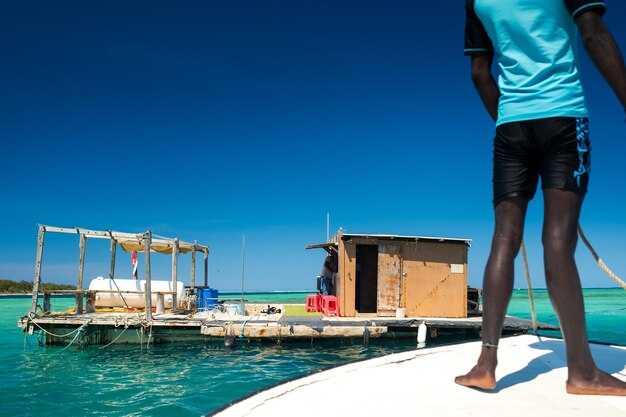
Begin with a structured guest dietary profile collected 14–21 days before charter, using a standard form to capture allergies, intolerances, religious restrictions, and cuisine preferences. Some guests require dairy-free or gluten-free meals; others prefer plant-forward menus; ensure profiles include caffeine tolerance, spice level, and alcohol restrictions. For certain profiles, adjust sauces and garnishes. Gather information from all people aboard, then consolidate into a meal plan that can accommodate several days of sailing between island ports. Having guests with diverse needs requires flexible menus, and you should confirm any changes at least 24 hours prior to meals. Consider every thing on plates when planning. On yachts, crew rotate roles to maintain service quality.
Daily meal timeline example: breakfast 07:30–09:00, mid-morning snack 10:00, lunch 12:30–13:30, afternoon tea 15:00, dinner 19:30. For routes with early departures, shift breakfast earlier; on days with long passages, package sturdy options in insulated carriers.
Storage and safety: stock items in labeled bins; stow perishable goods in fridge and freezer sections; track expiry dates; rotate stock daily. Storing guidelines apply to all dairy and produce; use insulated bags for fragile produce; carry disinfectant wipes and hand sanitizer; insect control measures in galley and cabin spaces; portion sized servings minimize waste.
Procurement and coordination: map out vendor contacts within marina markets and rental fleets; order general stock at least 48 hours ahead of service; keep some backup supplies for several days; arrange pickups at island ports, parks, or marinas; explore port markets to source fresh greens; if time allows, pick fresh greens at port markets; on yachts, crew rotate tasks to support sourcing; use electric carts where available; confirm contact with captain and crew before trips.
On-board handling and safety: stock cups, plates, and storage containers; ensure ample drinking water in tanks; set up a medicine cabinet with basic first-aid items and common meds; store medicine in cool, dry places; carry disinfectant and insect repellent; maintain cleaning routines after meals; keep a simple contact list for local pharmacies or clinics on island ports; aim for smooth service during peak meals; ensure duct connections are checked before trips.
Operational idea: ideally maintain a rotating menu calendar that covers several days; use some flexibility to adapt to weather, route changes, or last-minute guest changes; bring extra proteins and pantry staples in soft packaging; have ready-made cooked items that can be heated quickly for emergencies; aim for good balance of proteins, greens, and carbs.
Local Suppliers and Fresh Provisions in The Bahamas
Recommendation: coordinate with a reliable local distributor at least 48 hours before a planned cruise, group everything into a single package, and specify that items go straight to deck lockers to minimize handling and cardboard waste that is islands-wide. Early planning helps secure priority slots, reducing chances perishables are gone before loading, and keeps fewer boxes on board. For snacks and fine ingredients, this approach supports stunning plates and dreams for menus during cruising without stress.
Local sources span island markets, family grocers, and fishermen associations. For seafood like snapper, conch, lobster, and reef fish, talk with dockside boat captains at dawn; deliveries can come in cases or packed for next transfer, with unique, fresh options beyond common fare. This common network near ports really keeps the supply chain successful and reliable, contributing to delightful meals that crews remember.
Practical tips: request packaging that minimizes cardboard and boxes; favor sturdy lockers, insulated bags, and casings for fragile items. Keep nuts, dried fruits, and snacks together with clear menus so crew can load plates quickly. If you bring items from a Bermuda-based broker, coordinate customs ahead to speed getting cleared; arrange a single package next to avoid delays and stay cruising smoothly. When needed, ask for a case-per-item arrangement to simplify stowage.
Delivery Scheduling: Timing, Berth Allocation, and Cold Chain
Focus on three pillars: timing, berth logic, and temperature control. A well-coordinated plan reduces idle time, minimizes spoilage, and keeps stock ready for a week-long cycle.
- Timing window: target 06:00–09:00 arrivals, 10:00–14:00 unloading, wrap-up by 18:00; forecast weather and adjust slot accordingly.
- Berth logic: fix three docks for different categories; rotate weekly; safe margins for equipment; ensure sufficient space for pallets; assign routes to ground transport to minimize cross-traffic.
- Documentation: manifest accuracy, cross-check with captain and crew; verify special items; mark stashed items for quick reference.
- Power and climate: enable shore power; where unavailable, rely on solar independent systems to maintain chillers; monitor temperatures in all holding units.
Cold Chain Protocol
- Before loading, audit inventory; tag per-category; pre-stage near correct bays; check seals.
- On arrival, confirm temps; remove from transport; move to appropriate bays; keep humidity appropriate for produce.
- During transfer, maintain continuous temp logging; if drift >2°C for more than 15 minutes, switch to backup unit or return to shore facility.
- On-board, assign dedicated crew to monitor chillers and freezers; log daily checks; rotate items to ensure even cooling.
Operational tips: include honey and small snacks to support mornings; butternut pieces can supplement meals; keep a couple of easy-to-prepare staples such as curry items and bread to cover spur-of-the-moment requests; a few movie-night options help morale during longer legs. Route planning should be flexible, allowing adjustments to save time and maintain a steady pace.
Onboard Inventory: Storage Solutions, Labeling, and FIFO
Concrete, delightful approach: implement a color-coded labeling system and FIFO routine across all storage. Attach reliable labels with item name, date received, and expiry date using durable tape. Use clear bins that fit inside drawers and cabinet shelves. Organize zones: dry goods, refrigeration, frozen, produce, beverages, and nonfood items. For canned goods, rotate stock so items with oldest dates sit at front. Midweek audits check most items; look for cooked meals, vacuum packs, nuts, lighter-weight packaging, and coffee to ensure movement. In island galley setups, keep essential items within arm’s reach. Include examples from real shipments to calibrate rotation. Ensure bowl remains clean; keep a bowl handy for small scoops or drawers. If item requires boil water for sanitation, mark for special handling. This workflow suits cruising schedules and surely boosts meal planning success and waste reduction.
Based on category, storage solutions include shelf dividers, labeled bins, and airtight bags. These bins fit into standard galley racks. This includes a quick-look labeling sheet showing item, quantity, batch, and expiry. Set SOPs: on arrival, mark date, move to proper zone, and update stock counts. Learning from supermarkets, keep frequently used items within easy reach, support faster restocks, and make shifts between morning and midweek easier. Menu planning notes influence where items go. Stock checks require discipline.
| Zone | Storage Solution | Label Type | FIFO Rule | Exemple |
|---|---|---|---|---|
| Dry Goods | Clear bins, dividers, stackable shelves | Printed label + durable tape | Move oldest items forward; sit at front | pasta, rice, nuts, canned beans |
| Refrigerated | Rails, adjustable shelves | Magnetic labels; date stamps | First-in, first-out based on date | dairy, cooked meals, vegetables |
| Frozen | Stackable freezer bins | Cryo labels + tape | Front row items with oldest dates | ice cream, seafood items |
| Produce | Ventilated crates | Farmers-style labels | Rotate weekly | tomatoes, onions, citrus |
| Beverages | Lockable beverage racks | Date-printed labels | Move older bottles to front | water, juice, coffee beans |