


 Română
  English (UK)
  Русский
  العربية
  日本語
日本語  한국어
한국어  Magyar
  Türkçe
  Español
  Čeština
  Svenska
  Português
  Ελληνικά
  Suomi
Suomi  Nederlands
  Italiano
  Français
  Polski
  Українська
  Deutsch
  简体中文
简体中文  Slovenčina
  Navigarea Strâmtorii Magellan – Ghidul Ultim de Navigație pentru Lăutari">

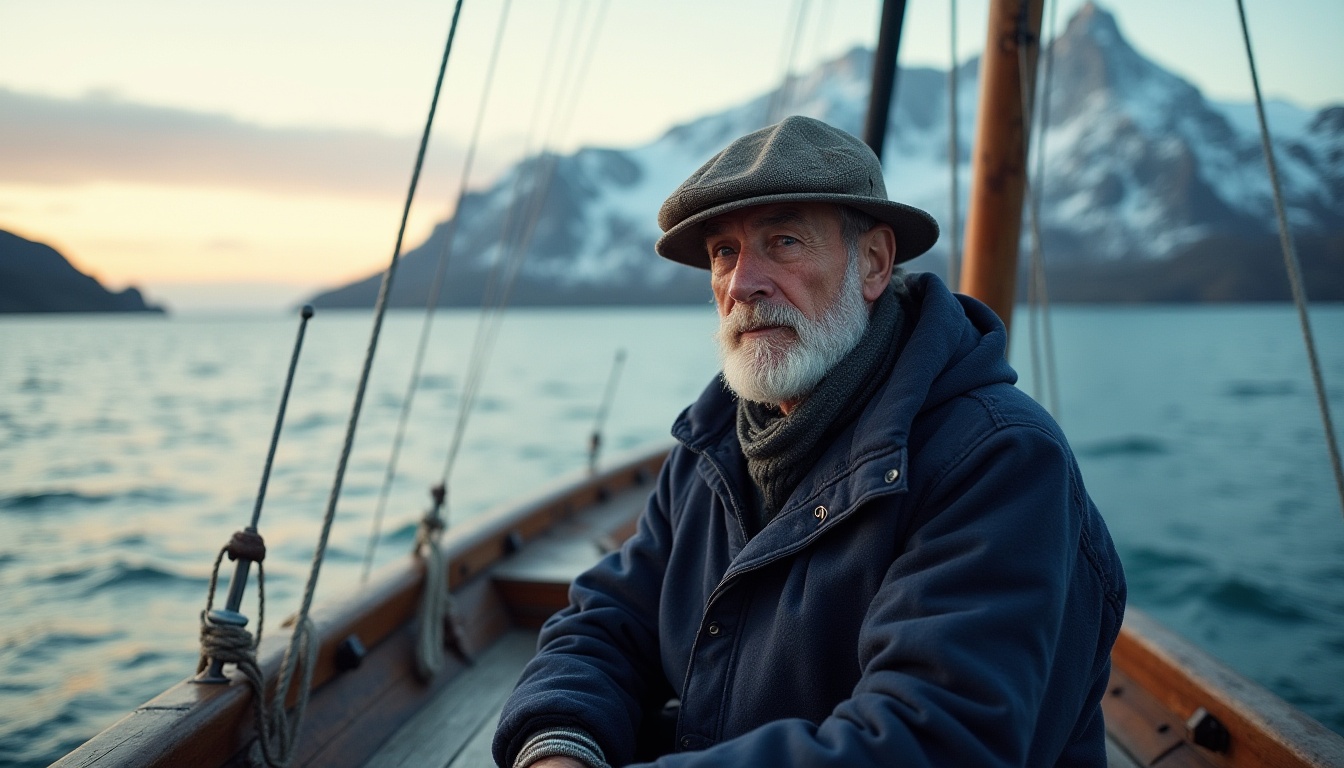
Sailing the Strait of Magellan is a dream for many seasoned navigators and a daring challenge for even the most experienced skippers. This historic passage at the southern tip of South America is renowned for its unpredictable weather, dramatic landscapes, and maritime significance. Successfully navigating this corridor is a true badge of honor in the world of ocean voyaging.
Why the Strait of Magellan Still Matters Today
The Strait of Magellan remains one of the most important natural sea passages in the world. It connects the Atlantic and Pacific Oceans, winding through a rugged landscape shaped by glacial activity. Unlike the open-sea alternative of Cape Horn, this sheltered passage offers relatively calmer waters, but its narrow channels and rapidly changing conditions demand extreme caution and skill.
Named after Ferdinand Magellan, the first recorded European to traverse it in 1520, the strait was a crucial part of early exploration and global trade routes. Although modern ships often opt for the Panama Canal, the Strait of Magellan still sees frequent use—especially among scientific expeditions, adventure cruises, and independent sailors seeking a challenging yet rewarding journey.
Preparing for the Passage
When to Sail the Strait
Timing is everything. The best window for sailing the Strait of Magellan is during the Southern Hemisphere’s summer months—December through March—when daylight is longer and storms are less frequent. Even then, weather can turn suddenly, with strong winds and cold temperatures being the norm.
Essential Documentation and Regulations
Chile controls the Strait of Magellan, and you’ll need clearance from the Chilean Navy (Armada de Chile) before entering. Make sure to:
- Register your voyage in Punta Arenas, the largest nearby port
- Submit a sail plan
- Carry identification and vessel documentation
- Check in and out at designated stations
Inspections are standard, and some areas require prior authorization to transit. It’s wise to have documents translated into Spanish.
Route Options Through the Strait of Magellan
The Strait of Magellan stretches approximately 350 nautical miles and has multiple route options depending on your vessel type and weather conditions.
Popular East-to-West Passage
Starting near Punta Arenas, most navigators proceed west through narrow fjords toward the Pacific. This direction benefits from prevailing west winds, though currents can still be complex.
Key waypoints:
- Punta Dungeness: The eastern entrance from the Atlantic Oceans
- Port Famine: Historical anchorage and weather shelter
- Paso Tortuoso: A narrow and often challenging segment
- Bahía Fortescue: Common overnight anchorage
- Punta Santa Ana: Site of an old fort and great view over the channel
This route typically takes between 3 and 7 days, depending on wind, tide, and vessel speed. Some vessels complete it in 24 hours, though this is rare.
Alternate Route Toward Beagle Channel
Some sailors turn south after Punta Arenas to reach the Beagle Channel and Tierra del Fuego. This path offers more scenic fjords and wildlife, but involves complex navigation through glacier-carved channels and stronger southern winds.
Weather, Currents, and Sea Conditions
Understanding the strait’s unique maritime dynamics is essential. Wind speeds frequently exceed 8 knots, with gusts reaching higher in exposed areas. The confluence of Pacific and Atlantic Oceans creates complex currents and whirlpools, particularly in narrow segments.
Weather changes quickly. You may start a day under sunny skies and end in freezing rain. Use marine weather services and update forecasts frequently. Winds often accelerate around headlands such as Punta Arenosa, and fog is common in early mornings.
Tidal Considerations
The Strait of Magellan is subject to tidal flows that can dramatically influence travel speed. Timing your passage with favorable tides can make the difference between a smooth sail and a treacherous one. In some areas, slack water lasts less than 30 minutes.
Key Ports and Anchorages
Punta Arenas
The main hub for supplies, fuel, and official paperwork, Punta Arenas is an essential stop. This historic town on the southern coast offers everything a sailor might need—from chandleries to engine repair.
Don’t miss:
- Local maritime museum
- Markets for provisioning
- Experienced local guides and translators
This city lies at the heart of the patagonia and tierra region and provides insight into its cultural and maritime heritage.
Puerto del Hambre
Also known as Port Famine, this haunting site tells the story of a failed Spanish colony. Today, it’s a quiet anchorage that offers a protected rest stop.
Bahía Fortescue
This bay provides some of the best overnight shelter for smaller vessels. The surrounding hills offer protection from southern winds, though space can be limited in peak season.
What to Expect While Sailing
Wildlife and Landscapes
The Strait of Magellan offers breathtaking views of snow-capped peaks, glaciers, and wind-swept coasts. You may encounter:
- Humpback whales
- Penguins
- Seals and sea lions
- Păsări marine rare
Fotografii vor aprecia calitatea luminii aici, în special în timpul orelor de aur când sudul este luminat de razele lungi și joase ale soarelui.
Night Sailing vs. Day Navigation
Majoritatea marinarilor evită navigația nocturnă din cauza pasajelor înguste și a vizibilității reduse. Deși unele nave mari traversează strâmtoarea 24/7, ambarcațiunile private obișnuiesc să ancoreze în fiecare noapte.
Combustibil și provizii
Planificați cu atenție—puncte de reaprovizionare sunt puține în afara Puntei Arenas. Luați combustibil și apă proaspătă în plus, și păstrați piese de schimb pentru sisteme critice precum radioul, încălzirea și motorul.
Considerații privind siguranța și situațiile de urgență
Prioritizează întotdeauna siguranța. Strâmtoarea este izolată, cu asistență limitată disponibilă. Ține minte următoarele:
- Depune un plan de plutire
- Monitorizați canalul 16 VHF în permanență
- Transportați EPIRB și telefon satelitar
- Instalarea sistemelor radar și AIS
Întârzierile cauzate de vreme sunt frecvente. Includeți timp tampon în programul dumneavoastră și fiți flexibili.
Cultura Locală și Experiențe
Vizitarea Punta Arenas și a comunităților din apropiere oferă profunzime culturală călătoriei dumneavoastră. Interacționați cu localnicii care adesea au generații de istorie maritimă și folclor. Degustarea bucătăriei patagoniene și învățarea despre popoarele native din Tierra del Fuego îmbogățesc experiența dincolo de călătoria în sine.
De asemenea, puteți găsi căpitani locali care oferă sfaturi sau servicii, iar cunoștințele lor despre apele locale pot dovedi a fi inestimabile – mai ales în canale înguste sau ancore nefamiliare.
Sfaturi Finale pentru o Călătorie de Succes
- Planificați cel puțin o săptămână pentru tranziția completă.
- Verificați întotdeauna rapoartele actualizate despre vreme și maree.
- Ancorează înainte de noapte, cu excepția cazului în care este absolut necesar.
- Folosiți diagrame pe hârtie ca rezervă
- Nu subestima dificultatea strâmtorii — trateaz-o cu respect.
Navigarea acestui strat legendar nu este doar o trecere — este o realizare. Cei care au navigat prin Strâmtoarea lui Magellan o numesc adesea una dintre cele mai de neuitat călătorii.
Indiferent dacă ești un croazierier veteran de ape albastre sau cauți o provocare pentru a-ți testa iscusința de a naviga, explorarea Strâmtorii Magellan oferă o aventură unică. De la Punta Arenas până la Tierra del Fuego și prin canale întortocheate modelate de timp, acest colț îndepărtat al Americii de Sud continuă să inspire pe cei dispuși să navigheze în necunoscut.