How to Measure Boat Steering Cable Length: Step-by-Step Guide
Alexandra
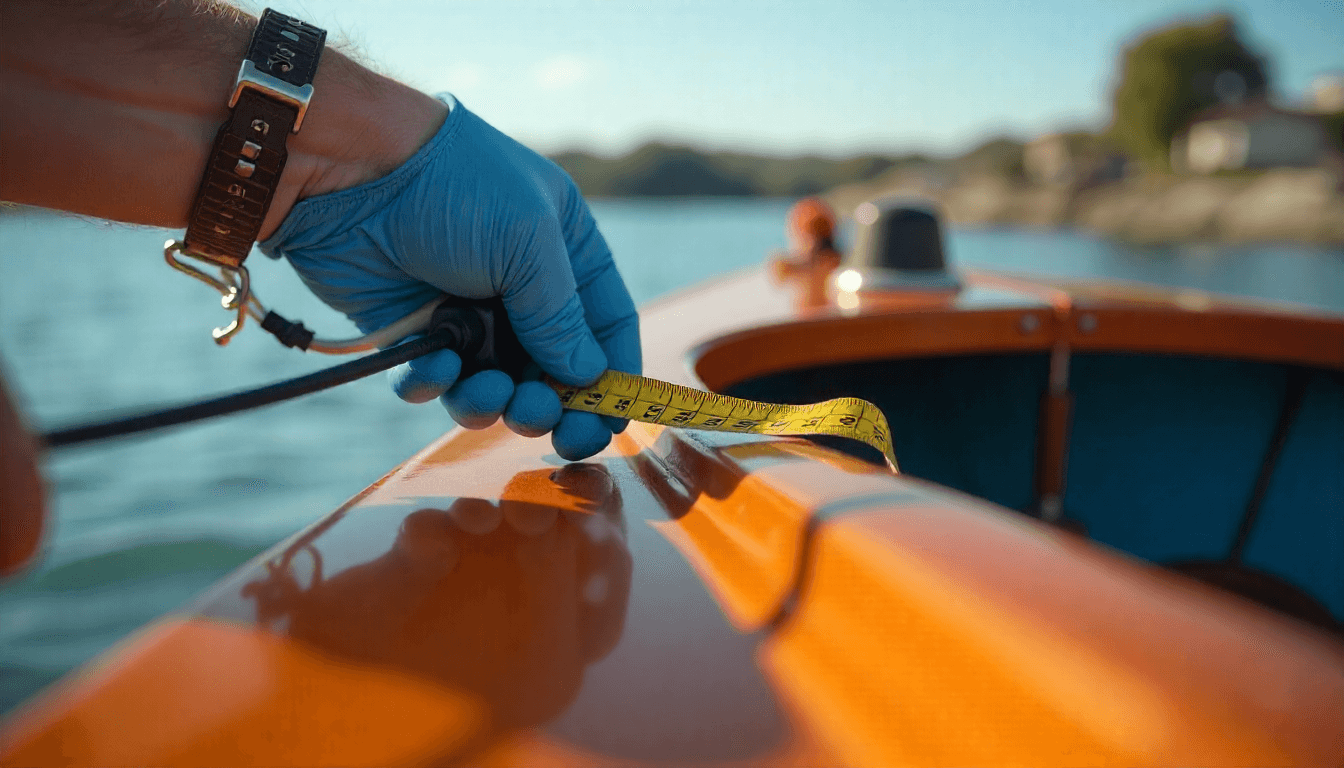
When it comes to maintaining safe and reliable control on the water, knowing how to measure boat steering cable length is an essential skill. A steering cable that is too short or too long can compromise handling, reduce efficiency, and even put you at risk. Whether you’re replacing an old cable or upgrading to a new one, accurate measurements ensure a proper fit for your steering system.
This step-by-step guide explores the importance of correct cable length, how to measure it properly, and tips for avoiding mistakes. We’ll also look at common steering setups, the role of transom and motor placement, and what to consider when selecting a replacement cable.
Why Steering Cable Length Matters
The steering cable is the link between your helm and the motor. If its length isn’t correct, the entire steering system may suffer. A cable that’s too short won’t reach comfortably around the transom, while one that’s too long can create unnecessary loops that kink or bind.
📚 You may also like
Proper steering cable length ensures:
- Smooth and predictable steering
- Correct alignment of the motor
- Reduced wear on cables and helm components
- Enhanced safety while boating
Boat owners often underestimate how critical it is to measure precisely. With the right approach, you can avoid costly mistakes and ensure your vessel is always ready for safe operation.
Understanding Your Boat Steering System
Before learning how to measure boat steering cable length, it helps to know how different steering systems work.
Mechanical Cable Steering
The most common type on small to mid-sized boats is cable steering. It uses a push-pull cable that transfers motion from the helm to the motor. Mechanical steering is affordable, reliable, and relatively easy to replace when the cable wears out.
Rotary vs. Rack Systems
- Rotary systems have a round gear mechanism behind the wheel. The cable connects directly to this mechanism, pulling or pushing the motor as the wheel turns.
- Rack systems use a flat gear rack that moves the cable in a straight line. These are often used in wider consoles, as they save space.
Understanding which steering system you have is the first step in getting the right cable length.
Tools You’ll Need to Measure
To measure steering cable length accurately, you don’t need specialized equipment—just a few simple tools:
- A flexible tape measure (at least 10 feet long)
- A notepad for recording measurements
- A flashlight (if working under the helm or transom area)
It’s also a good idea to have someone assist you. One person can hold the tape while the other records measurements.
How to Measure Boat Steering Cable Length
Step 1: Identify Your Steering Cable Type
Locate the helm behind the steering wheel. You’ll see either a rotary or rack style box. Trace the steering cable from the helm down to the transom where it connects to the motor.
Step 2: Use the Standard Measurement Method
For most mechanical steering systems, the industry uses a standard formula to measure:
- Measure from the center of the steering wheel (helm) to the gunwale (side of the boat).
- Continue measuring to the stern following the cable’s routing path.
- Extend the measurement to the centerline of the motor.
Once you’ve measured, round the number to the next whole foot. This becomes your required steering cable length.
Step 3: Check for Specific Manufacturer Recommendations
Some manufacturers may specify different ways to measure steering cable length. Always cross-check your measurements against the boat or steering system manual.
Common Mistakes When Measuring
Even experienced boat owners make errors when trying to measure cable length. Here are common pitfalls:
- Measuring directly in a straight line: The cable routes around bends, so a straight measurement will be too short.
- Forgetting transom swing: The cable must accommodate turning the motor fully left and right.
- Not rounding up: Always round to the next whole foot. Choosing a shorter cable can cause serious steering issues.
By avoiding these mistakes, you’ll ensure your replacement cable fits correctly the first time.
How to Replace a Steering Cable
Once you’ve learned how to measure boat steering cable length, the next step may be replacing the old one.
Removing the Old Cable
- Disconnect the cable from the motor.
- Remove the nut holding the cable to the helm or rack.
- Carefully pull the cable out through the transom.
Installing the New Cable
- Feed the new cable through the same routing path.
- Attach the cable to the helm, ensuring it fits securely in the rotary or rack system.
- Connect the opposite end to the motor and tighten all fasteners.
- Test the steering wheel by turning lock-to-lock to confirm smooth motion.
Replacing the cable is often easier with a second person to help guide it around bends.
How Long Do Steering Cables Last?
A steering cable doesn’t last forever. Factors such as water exposure, usage frequency, and cable quality all play a role in its lifespan. On average, mechanical steering cables should be inspected every few years and replaced every 7–10 years.
Signs you may need a new cable include:
- Stiff steering or resistance when turning
- Visible rust or corrosion on the cable ends
- Cracks or kinks in the outer jacket
- Play in the steering wheel before the motor responds
If you notice these symptoms, measure the steering cable and replace it promptly.
Choosing the Right Replacement Cable
Not all cables are identical, even if the length is the same. When choosing a replacement, consider:
- Cable type: Match rotary with rotary and rack with rack systems.
- Cable length: Use your measured number rounded up.
- Quality: OEM cables ensure compatibility, while aftermarket cables may be less expensive but vary in durability.
Investing in a high-quality cable can save you money and trouble in the long run.
Expert Tips for Accurate Measurement
- Use a soft measuring tape rather than a rigid one—it conforms better to the routing path.
- Note the cable’s existing part number if visible; it often includes the length.
- If you’re unsure, consult with a marine technician. They can confirm your measurement before you purchase.
Frequently Asked Questions
How do I know if my steering cable is too long?
If there are large loops around the transom or excess slack, the cable length may be too great. This can cause kinks and premature wear.
Can I use a shorter cable if it seems close?
No. A cable that is too short won’t allow proper steering range. Always round up to the next foot.
Do hydraulic steering systems use cables?
No. Hydraulic systems use hoses instead of cables. The measurement process is different and depends on hose routing.
Final Thoughts
Learning how to measure boat steering cable length isn’t complicated, but it does require precision. A well-measured cable keeps your boat safe, responsive, and enjoyable to handle.
Whether you’re upgrading to a new steering system or simply replacing a worn-out cable, taking the time to measure properly ensures your investment pays off. Smooth steering not only makes boating more enjoyable but also keeps you and your passengers safe on the water.
The next time you face stiff steering or need to install a new cable, remember: accurate measurements are the foundation of reliable control.