


 Română
  English (UK)
  Русский
  العربية
  日本語
日本語  한국어
한국어  Magyar
  Türkçe
  Español
  Čeština
  Svenska
  Português
  Ελληνικά
  Suomi
Suomi  Nederlands
  Italiano
  Français
  Polski
  Українська
  Deutsch
  简体中文
简体中文  Slovenčina
 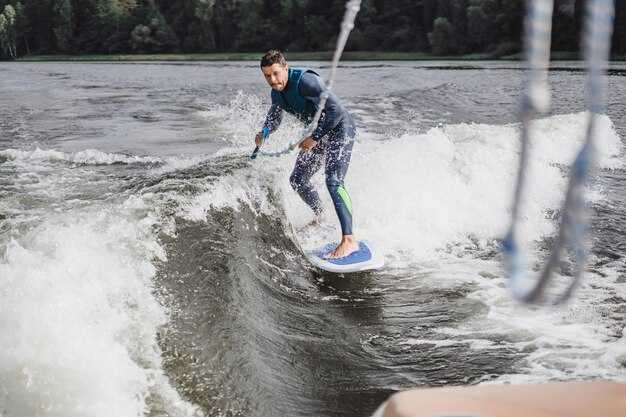 Top Wakeboard Destinations in the USA – Best Lakes and Spots">

I recommend Lake Travis in texas as your first wakeboard stop this year. The lake spans about 18,000 acres with roughly 63 miles of shoreline, offering long, smooth runs and space to float with control. here, easy access from downtown and a robust service network–boat rental fleets, coaching clinics, and shuttle options–keep you on the water. Water temperatures in summer reach the mid 70s to mid 80s, and reliable late-morning winds around 10–20 mph create forgiving conditions for beginners while still challenging advanced riders. love the variety of coves and open water around the center of the lake, and there is always a new line to try there.
Two other anchors stand out: Lake Mead on the colorado river, spanning the nv-az border, with vast water and a solid service network at marinas that offer lessons and gear. there you’ll find flexible rental options, guided trips, and quick-access ramps. In washington, Lake Washington near seattle provides crisp air, easy access from the city center, and reliable afternoon wind that keeps the wake clean for repeats. Between these two spots you get a contrast between desert scenery and urban vibes, known for their camps and clinics to fit any level. If you want to dial in your technique, clinics and coaches are easy to arrange.
For additional flavor, head south and toward midwest lakes where you can pair wakeboard sessions with kayaking or stand-up paddle on the same day. Beaver Lake in arkansas delivers a friendly service, quick ramps, and sheltered coves ideal for beginners and families. The Ozarks region sits between mountains and plains, offering moderate winds and sunny afternoons for a steady pace. looking for more variety? From the shore, small clubs run weekend clinics and weekday drills that help you improve form and build confidence on the water.
Looking ahead, map a loop that includes two to three lakes so you always have a backup. Pack a light wetsuit for shoulder seasons, a PFD, and a spare rope for line breaks. The service around these hubs makes booking lessons and gear very straightforward. If you want a compact plan: start in texas, cruise up to washington, then explore a southern reservoir to chase windy afternoons. This path helps you grow your love of wakeboarding, improve your form, and keep the sessions enjoyable for everyone.
Lake Mead and Other Premier US Wakeboard Lakes: Quick Guide
Lake Mead is the perfect starting point for a wakeboard trip, offering long water runs, glassy mornings, and the largest reservoir experience by volume. Access from Las Vegas puts you on Las Vegas Bay, Callville Bay, or Temple Bar, with steady depths and a variety of park areas to rest between sets. These are premier lakes around Las Vegas for short, intense sets or long, relaxed sessions.
Wind shifts move you toward morning sessions for optimal conditions, then a light afternoon breeze adds a friendly chop. Those calm hours let you dial in tricks, and you can mix in kayaking or swimming breaks to stay fresh. For either progression days or purely fun runs, the choice remains yours.
The Mike O’Callaghan–Pat Tillman Memorial Bridge frames the ride, adding dramatic scenery as you push out into longer runs. Riding near the bridge tends to keep water smoother in the early hours, which is awesome for beginners and progression days alike.
Lake Havasu offers another level of reliability: warm water, a long riding season, and the famous London Bridge as a backdrop. The coves around the marina make it easy to launch, swap boards, and stay in shade when the sun climbs high. Those conditions often deliver great visibility and consistent wind windows, making Havasu a favorite for groups.
In central Texas, austin-area lakes around Lake Travis extend the options with warm weather and a broader window for after-work sessions. The long days here let you ride after work and still catch sunsets, with spots along the lake that are perfect for both wakesurfing and wakeboarding.
For a different pace, the willamette region in central oregon presents cooler mornings, scenic banks, and calmer water for technique days. These lakes are ideal for practicing edge control and transitions without crowds.
To stay ready, detail the gear and setup: bringing a dependable boat such as a Moomba will simplify launches and towing. Pack safety vests, spare parts, a long tow rope, and a backup prop; those details are part of proper detailing.
Return trips thrive on solid planning: check wind forecasts, water temps, and daylight hours; book a backup spot in case weather shifts, and always reserve a shoreline park for rest and photos.
Lake Mead: Best wake zones, ramps, and launch access
Launch from Callville Bay for quick access to central channels and the most predictable wake zones.
From this starting point you tap into a dam-created system of channels that stay navigable as water levels shift. Those channels run along the north and east shores, offering spacious water and plenty of places to line up for clean pulls. The wake zones along these routes are perfect for both beginners and riders working on progression; the water moves fluidly, and you can switch between sets without long paddles. If you fish near coves, you’ll notice boats briefly anchored near the shore, which is a reminder to stay mindful of traffic and keep a safe distance.
- Callville Bay ramp – central access to the main channels; wide launch lanes; ample parking; ideal for rentals and first-time sessions.
- Boulder Basin / Boulder Beach ramp – sheltered water when winds rise; spacious areas for practice; roughly 2–4 miles to open water depending on water level; plenty of places to pull off and regroup.
- Temple Bar ramp – quieter, with hidden access points; wind protection helps keep wakes manageable in the afternoon; well-suited for longer sets and progressive riding.
- Echo Bay ramp – far north reach with ample space and lighter crowds; great for extended sessions and when you rent gear nearby.
Tips: plan around weather windows; mornings are often calmer, which makes wake setup easier. Use the central channels for the cleanest wakes; check local conditions if wind shifts bring rough water near shore. California and Texas visitors often travel here, and powell, havasu, tahoe fans will find this lake offers a similar setup with accessible ramps and rentals. For womens gear options and general renting, check at Callville Bay or Temple Bar marinas; this layout is soldier-friendly, with straightforward launch access and safety-minded staff. There are other places to ride, so you can rotate between water and shore for longer stays.
Lake Mead: Wind patterns, water levels, and riding windows

Making the most of your session starts at first light: ride 6:30–9:00 am when the mead surface is glassy and the wind is light, giving you a perfect window to set clean passes and return with a smile.
Wind patterns: Mead follows a clear diurnal cycle. Morning calm, especially on the north and central arms, yields surfaces alike to a mirror. By mid‑afternoon the winds shift from the west and southwest, 15–25 mph with gusts to 30–35 mph, creating hollow chop that can push you out of a planned line. In the south arm, wind can pick up fastest around 2–4 pm, while the north from Callville Bay to the central basin often holds a steadier breeze. Plan riding windows around these patterns; either dawn or late afternoon offers the most reliable conditions for a smooth session.
Water levels and acres: Full pool sits at 1,229 ft. In 2024 Mead hovered around 1,045–1,055 ft, exposing rocky shelves and pulling back the surface area from the full 247,000 acres to roughly 180,000 acres. That shift affects ramp access, parking, and where you find sheltered water for a calm ride; expect rocky shallow edges near the south and east arms and deeper water near the north and central zones.
Riding windows by zone: North Shore (Callville Bay area) typically offers the longest dawn window, with water calmer and clearer, ideal for learning or dialing new tricks with Mikacichs guides or rental crews. Central Mead around the Hoover Dam powerplant tends to be gustier later in the morning, so aim for the 6:30–9:00 am slot or switch to the late afternoon around Powell access or Donner Bay. South Shore near Boulder Basin often wakes up with wind by noon and builds speed into the afternoon; for a more predictable day, target a dawn session on the north or central zones and save the south for a late return if forecasts hold.
Practical tips for planning: Rent gear from the on-site rental services at Lake Mead Marinas; check in with Boulder Basin and Callville Bay rental desks the day before; most shops offer boards, bindings, and safety gear, plus beginner clinics. If you stay on the central park area of the lake or at a north/south base, you can quickly switch spots to chase best windows. For groups, coordinate with Mikacichs staff who know the local lanes and water depth, making it easier to stay safe and maximize your time around two states that border the lake.
Safety and water discipline: As water levels fall, submerged shelves rise–watch for shallow rock humps and rip-chop near the edges. Always wear a life jacket, stay in marked zones, and respect boat traffic as speeds can vary with wind. Swimming is allowed only in designated areas; use a paddle board or surf foil only in approved zones to avoid hazards. If conditions spike, switch to a mellow lake that resembles Shasta-clear mornings and lower speed zones for a safer ride.
Plan your trip with local services: For the perfect session, consider the rental fleets from the north, central, and south marinas, and coordinate with a few experts like Mikacichs to map a route that avoids shuttering winds. The mead region is a paradise for wakeboarders, with central points and reserves that make it easy to return to shore after a quick session and switch to a rental boat without missing a beat. In summer, mornings are the best; in spring and fall, mid-morning and late afternoon windows often hold the most consistent conditions.
Lake Mead: Gear rental, coaching options, and safety resources nearby
Reserve a guided instruction session and gear rental from the same operator to maximize time on the water.
Gear rental at Lake Mead comes through marinas and local outfitters with full kits: wakeboards in sizes from kid to adult, impact vests, helmets, and 50–60 ft tow lines. If you bring your own board and vest, you’ll cut setup time; otherwise, book ahead to guarantee a suitable board and proper vest size. For a quick check, ask for current inventory through the operator’s phone or online contact before you head out.
Instruction options include private sessions, small groups, and clinics. Instructors tailor drills to the rider’s level, offer tips on stance and edge control, and may provide post-run feedback to speed improvement. Booking in advance helps lock a time that fits your plan, especially on weekends or holidays.
Safety resources nearby: Lake Mead National Recreation Area administration offers safety info, with on-site rangers and posted advisories at ramps. Each rider should wear a properly fitted PFD, carry a signaling device, and have a throw rope in the boat. Consult a reliable forecast source for wind and temperature, and heed advisories affecting launch sites and popular routes on the water.
Practical tips: Start sessions in the morning or late afternoon when conditions are easier to read and crowds are smaller. If you’re traveling from outside the area, expect a dry heat and wide horizons that shift with the wind. Bring sunscreen, water, and a light snack; map your rides near safe launch points and keep a spare set of batteries or a phone charger in the boat. For a quick update on access and ramp status, call the marina desk before you go.
Powell, Lanier și Shasta: locuri deosebite pentru wakeboarding și ce le diferențiază
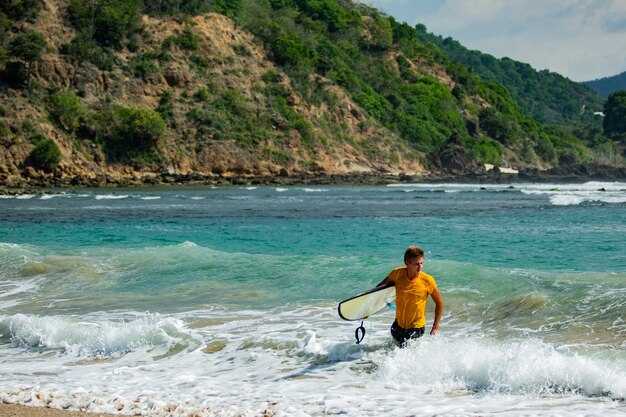
Lake Powell este cel mai bun punct de plecare pentru un sezon de sesiuni diverse de wake; canalele sale lungi de canyon și apele adânci vă permit să construiți linii rapid, cu Rainbow Bridge vizibil ca un fundal dramatic. Iubitorii de navigație caută adesea valuri curate în golfuri protejate, iar ferestrele meteo nu ar putea fi mai indulgente pentru călătorii de weekend. Opțiuni de coaching și închiriere sunt disponibile pe scară largă la docuri, iar întreaga zonă a fost un magnet pentru wake rideri de ani de zile. Powell oferă mai multă varietate decât multe lacuri, făcându-l alegerea preferată pentru riderii care iubesc apa mare și peisajele dramatice.
Powell’s standout zones include Padre Bay, Bullfrog Bay, and Antelope Point, each offering long, stretchable wakes and easy access to sheltered channels. The canyon walls create wind lanes that help you time runs around shifts in wind direction, while the waters stay deep enough to keep wake parks and obstacles safe. For coaching, pro instructors operate from several marinas, and you have a real list of options to fit your schedule and budget. If you love travel, Powell pairs nicely with Tahoe or Havasu trips, giving you a broader season of perfect water when weather aligns.
Lake Lanier oferă cel mai bun acces pentru o sesiune rapidă, prietenoasă cu antrenorii, chiar în afara zonei metropolitane Atlanta. Vântul tinde să fie mai ușor dimineața și crește odată cu traficul de bărci după-amiaza, creând ferestre ideale pentru începători și rideri intermediari. Puteți găsi antrenamente de la instructori profesioniști la mai multe magazine locale, cu o rețea întreagă de canale și golfuri care protejează riderii de chop. Disponibilitatea este ridicată, iar multe familii iubesc Lanier pentru călătorii de weekend din Washington sau din rutele californianevada, făcându-l un punct de oprire fiabil pe o listă pe care o puteți refolosi pe tot parcursul anului. Lanier organizează evenimente pe tot parcursul anului, perfecte pentru practică constantă. Pentru zile cu apă liniștită cu feedback profesional, Lanier este greu de egalat; pentru un cadru mai dramatic, Shasta oferă următorul nivel.
Shasta Lake iese în evidență pentru peisajele alpine și potențialul de apă mare care încă mai este accesibil pentru începători. Marina Bridge Bay și zona Keswick oferă canale lungi de coastă și golfuri protejate, făcând ușoară planificarea unor runde consecutive fără a-ți reseta echipamentul. Vremea tinde să coopereze vara, iar apele rămân limpezi până după-amiaza, permițându-ți să-ți ajustezi tehnica în timp ce mulțimea se rărește. Opțiunile de antrenorat sunt larg disponibile, cu instructori profesioniști care adaptează exercițiile la nivelul tău, de la începător la avansat. Riderii care iubesc Tahoe sau Mead adesea își schimbă planurile de weekend și includ călătorii la Havasu pentru a-și extinde sezonul, deoarece Shasta se află pe un punct natural de intersecție care te poate conecta la o listă mai largă de locuri de wake. Riderii din Washington folosesc adesea Shasta ca o punte către Tahoe sau Mead într-o buclă mai lungă, adorând fundalul dramatic al Muntelui Shasta ca final. Iubești apa puternică, stabilă și cadrul? Acesta este locul perfect pentru a petrece un weekend făcând ture și împingându-ți limitele.
Planificarea călătoriei: permise, reguli, etichetă și perioade de vârf
Există un plan rapid și practic: verifică permisele și regulile de lansare pentru lacul tău nordic cu două până la patru săptămâni înainte, rezervă un loc de lansare a bărcii dacă marina oferă și pregătește un ghid compact de etichetă pentru echipaj.
Permisele și taxele variază în funcție de stat; în statele care găzduiesc cele mai bune spoturi de wakeboard, de obicei plătiți o taxă de utilizare pe parcursul zilei sau o taxă de lansare la chioșcurile din parc sau online. Pentru Shasta și Donner Lake, verificați site-ul oficial al parcului sau lista marinei; nu există un permis național universal de wakeboard. Luați cu dumneavoastră înregistrarea bărcii, purtați un PFD și aveți o copie tipărită sau o captură de ecran a permiselor necesare la îndemână în timpul înregistrării.
Regulile pe care ar trebui să le cunoașteți includ zonele desemnate de decolare, zonele fără valuri în apropierea zonelor de înot și a marinelor și limitele de viteză afișate. Acordați prioritate celorlalți utilizatori ai apei, mențineți o distanță sigură de kayak-uri și paddleboard-uri și reglați motoarele pentru lansări ușoare. Dacă închiriați echipament sau o barcă, confirmați intervalul de preluare și orele de funcționare ale marinei în fereastra meteo în care intenționați să mergeți, deoarece în unele zile se închide mai devreme în sezonul de umăr.
Eticheta este importantă pe lacurile aglomerate: anunță-ți mișcările când te apropii de cei care stau în caiace, păstrează zgomotul moderat după ora 21:00 și scoate gunoiul cu tine. Respectă fauna sălbatică și evită liniile de coastă protejate. Cei care fac fotografii ar trebui să evite blocarea culoarelor și să limiteze utilizarea dronelor în apropierea docurilor; acest lucru menține scena confortabilă pentru toată lumea și păstrează cele mai bune condiții de fotografiere pentru o imagine perfectă.
Ore de vârf și planificare: weekendurile de vară atrag cele mai multe bărci, în special în jurul unor locuri populare precum Shasta, Donner și în golfurile nordice din apropiere. Cea mai bună strategie este să ieși dimineața devreme (înainte de ora 9) sau după-amiaza târziu (după ora 16) când vânturile sunt mai domoale și vremea tinde să se stabilizeze. Când călătorești din afara statului, verifică prognoza meteo locală și tiparele vântului, deoarece rafalalele din nord pot crește rapid. Dacă ești caiac pe același lac, sistemul pentru prioritate este simplu: acordă spațiu și ține-te pe banda din dreapta; cei care stau pe wakeboard au prioritate în benzile marcate atunci când zona nu este aglomerată. O verificare rapidă a vremii te ajută să decizi dacă să planifici o sesiune foto la răsărit sau să mergi la locul din nord cu apă limpede și vânturi calme.
| Spot | Permise/Taxe | Launch Rules | Etiquette | Cele Mai Bune Momente de Vârf |
|---|---|---|---|---|
| Shasta Lake (CA) | Taxă pentru utilizarea parcului sau pentru lansare; verificați lista de porturi sportive | Utilizați rampe desemnate; stați departe de marine. | Acordați prioritate înotătorilor; mențineți un nivel redus al zgomotului; împărțiți apa. | Lăcările de dimineață în timpul săptămânii; început de vară |
| Lacul Donner (CA) | Taxă de utilizare pe durata zilei; contractele de marină variază | Rampă la accesul public; atenție la zonele de trezire. | Fiți amabili cu kayakeri și pescari. | Dimineți devreme; zile de lucru în sezonul de vârf |