


 Română
  English (UK)
  Русский
  العربية
  日本語
日本語  한국어
한국어  Magyar
  Türkçe
  Español
  Čeština
  Svenska
  Português
  Ελληνικά
  Suomi
Suomi  Nederlands
  Italiano
  Français
  Polski
  Українська
  Deutsch
  简体中文
简体中文  Slovenčina
 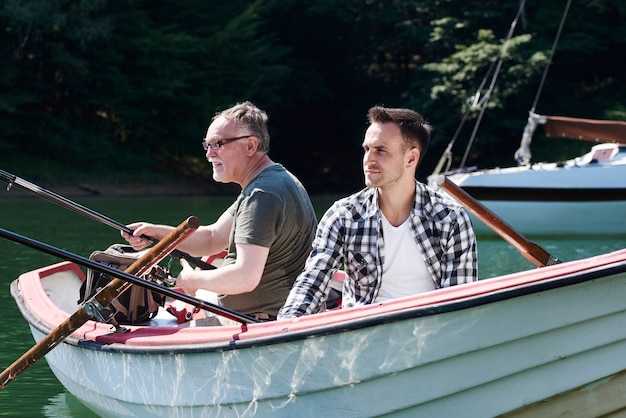 Top-Rated Inshore Fishing in Mount Pleasant, SC | Best Charters & Guides">

Recommendation: Book a 4-hour flat-water outing from the isle area near the Charleston coast with a crew that target redfish and trout on shallow flats at first light. This setup will have you ready for action, will deliver a solid hookup and steady catches, and keeps the day compact and affordable.
Timing & gear matter: spring and fall bring the best action as fish schools push through creeks and shoreline edges. Look for birds over the waters and prepare for a moment when the bite goes from tentative to consistent. The near window often yields multiple catches, and you can build on each drift while keeping your tackle ready for the next cast. When a fish takes, ease into the hook and feel the bend; that feel is a clean hook and a hard bite that signals a true hookup, while you learn how to time your reel hand with the fish.
Gear plan: a light 7–8 ft spinning rig with 12–20 lb braid and 15–25 lb leader works well. Use 1/0–2/0 hooks and 1/8–3/8 oz jig heads, paired with live shrimp or small soft plastics. If the water is clear, consider a slower retrieve to entice trout; if colored, switch to a faster pull for redfish. This setup keeps your hook sharp and your line taut as you work the flats and nearby waters near the isle coastline.
Choosing the right team: look for a seasoned angling outfit with captains who know the Lowcountry waterways near the isle area and Shem Creek. Verify safety credentials, boat size, and included tackle so you wont have to scramble for gear. Ask for recent trip reports to gauge success with smaller fish along the edges of the flats; a good crew adapts to wind and current, keeping you in water where the action will happen and where your catches can stack up across multiple passes.
Practical tips to maximize time on the water: arrive ready with sun protection, water, snacks, and a light layer. Bring polarized sunglasses to spot shadows along the flats and stay quiet to avoid spooking them. dont expect every cast to produce; some days are awesome, but you still should be ready to adjust. If luck aligns and the water warms, you may land a good bite on a moment when the bite transitions from tentative to confident. The perfect day means a steady pattern and multiple catches, with pleasant morning light setting the tone as you ride the rhythm of near-water action.
Lowcountry Shoreline Angling Guide
Recommendation: Start at morning light near the isle flats; reds and trout begin feeding quickly, and they respond within the moment. Have your line ready and both live bait and plastics on deck for quick swaps.
Gear and approach: use a 7-foot medium rod, 12–20 lb braid with a 6–12 inch fluorocarbon leader; target edges along shell beds and oyster bars, casting parallel to grass lines and mangroves. These ones know the spots on flats, and a slow, controlled retrieve keeps the bait near structure for reds and trout.
| Target | Strategy | Baits/Tools | Ideal Window |
|---|---|---|---|
| reds | edge casts along mangrove and oyster edges; cast, reel, pause, repeat | live shrimp or soft plastics | dawn to late morning |
| trout | work along sandbars and grass flats; keep lure mid-depth and steady | paddle-tail plastics, shallow-divers | early morning |
Dont overlook black-water days; when the water is stained, switch to darker colors and a longer lead to keep the lure in the strike zone. Those who adapt find more catches near the isle edge and along drop-offs where current concentrates bait.
carolina coast action favors consistent spots; if you just started, keep it simple: track depth, tide, and the last bite, then repeat. Some days the best action happens near 2–4 feet of depth; other times you’ll find reds and trout closer to the shoreline flats. The moment you lock in a pattern, you can replicate it across trips.
carolina marsh zones reward those who stay patient and observe the tides.
Top-Rated Inshore Fishing in Mount Pleasant, SC
Recommendation: book dawn charters with a friendly, beginner-friendly captain who runs timed trips around calm channels just after first light, targeting trout near oyster beds.
These sessions begin fast; you’ll be on water within minutes, and the gear is ready for live bait or small lures. Early morning light reduces glare and makes it easier for beginners to learn the cast, while calmer water lets smaller fish move along the edges for an awesome bite when they time their strike. Black drum sometimes patrol these flats, so bring a heavier option just in case.
Prime spots include the Shem Creek area and the Cooper River mouth, plus backwater channels that run around marsh edges and past oyster bars. Found along the edges are schools of trout and redfish, often near oyster beds; they respond well to light jigs and live shrimp when the current is right.
Gear and approach: 6- to 7-foot spinning rods, 10- to 15-pound fluorocarbon leaders, and a mix of live bait and soft plastics. For beginner-friendly trips, keep retrieves steady and shallow, and watch for the moment of contact; when you see a bite, they’ll respond immediately and you can set the hook with confidence.
Booking tips: pick a morning slot timed around first light. Ask the crew what they recommend for beginners; these teams will tailor a plan to the water, wind, and tide. If you want an awesome, memorable experience, these charters handle the gear, bait, and safety so you can focus on the moment and the spot you’re fishing.
Best Charters & Guides in Mount Pleasant
Start with a dependable outfit around the isle, launching at the early light; the crew is ready and reds patrol the smaller flats in calm waters, offering a friendly hookup and a pleasant mood while you learn the ropes.
Targeting reds and other fish, these captains mix live bait with artificials, work the channels and nearshore banks, and tailor trips to the weather; these ones might indicate what to expect and theyrecommend adjusting rigs and tactics for conditions.
Optimal results come with a dawn or late-afternoon run, when the tide lines the smaller flats and reds linger near the isle; these captains recommend timing around a moment of calm water and a perfect hookup, even time for the entire crew.
Gear ranges from 15-25 lb test for reds to heavier setups for bigger fish; boats around 25-28 ft with two anglers per trip; live wells stocked and ready; anglers often mix live bait with plastics to increase catches. Pick outfits that operate near channels, isle shores, and the broader waters, and look for transparent pricing and strong safety records for them.
Species You’ll Want to Hook Around the Harbor
Targeting reds at first light around the harbor yields the most consistent catches. Use a 20-30 lb fluorocarbon leader and a 1/4- to 3/8-ounce jig with shrimp; work near pilings, mangrove edges, and grass pockets where water is 2-6 ft deep. Calm mornings and timed drifts increase bite windows; hang a bait near structure for longer so them bite. just bring a net for landing.
-
Reds – Targeting around structure and channels, these fish would bite best during early mornings. Baits: live shrimp, mud minnows; rigs: 20-40 lb braid with a 20-30 lb leader; lures: 1/4- to 3/8-ounce bucktails or paddle tails. Water depth: 2-6 ft; hang near pilings and isle flats; time: dawn or dusk; catches come quickly after a pause; theyre eager to bite when the tide moves in.
-
Păstrăv – Spotted seatrout move along grass flats and mid-channel edges. Baits: live shrimp under a cork or small soft plastics; rigs: 1/8-ounce jig; water: 3-5 ft; time: after a tide turn when water is calm; these fish are friendly on light tackle; youre likely to land a handful with patient casts.
-
Cambulă – Found on sandy bottoms near structure and drop-offs. Baits: live finger mullet or cut bait; rigs: 2/0–3/0 hooks with 15-20 lb fluorocarbon leader; depth: 4-8 ft; casting along seams near drop-offs; time: around the turning tide; dont settle for fewer chances; these can be picky but deadly when you feel the tap.
-
Black Drum – Edges around oyster bars and structure. Baits: cut bait or crabs; rigs: 30-50 lb leader; heavy rod; water: 3-8 ft; time: incoming or steady current; if you feel a heavy thump, maintain pressure; this species would test gear but rewards patience.
-
Sheepshead – Pilings, docks, and rocky areas. Baits: fiddler crabs, shrimp; rigs: 20-30 lb braid to 12-20 lb leader; hooks: 1/0-2/0; depth: 2-6 ft; time: year-round with a peak in spring; technique: drift tight to structure; these catches can be awesome once you dial in the bite.
Keep gear ready: a 7- to 8-foot medium-action rod, 15-30 lb line, and a few cork rigs; this setup is awesome for calm mornings and timed runs around the harbor.
Tactics for Harbor Waters: Baits, Tides, and Spots
Begin with the morning arriving current along a calm harbor channel and rig live shrimp on a 2/0 circle hook; this setup makes them bite around structure and yields hookup opportunities for beginner-friendly setups.
- Best baits and tackle
- Live shrimp on a 2/0 circle hook; if shrimp are scarce, switch to mud minnows; both work around channels and spots, and they’re easy for carolina-based anglers to start with.
- Soft plastics: 3–4 inch paddle tails in black, rigged on a light jig head (1/8–1/4 oz); drift or crawl them along edges to draw follow-ons from nearby cover.
- Cut bait: small mullet or menhaden chunks on a 1/0–2/0 hook; use this when water is stained or when you’re targeting deeper channels a boat can reach.
- Something simple: a single-hook rig with a short leader works well for beginners and keeps the presentation friendly to them and to your boat control.
- Tides and timing
- Timed windows: the 1–2 hours after low or high tide typically produce the most action in channels and around harbor structures; during the incoming phase, water moves through hides and hang spots, increasing hookups.
- Calm mornings often produce tighter, more immediate takes; if winds pick up, shorten casts and keep the boat close to cover to maintain sensitivity.
- Morning windows on the Carolina coast started to show consistent bites when you align with the rising water and the slow drift along the weave of channels.
- Spots and structure
- Key spots: channels, edges of oyster beds, and the harbor mouth where water around is deepest; these areas concentrate bait and ones that ambush predators use.
- Isle edges and around pilings offer cover for ambush feeders; work along the water around these features with a slow, steady retrieve to avoid spooking them.
- Near black pilings or rock piles, target mid-water columns with a tight, keep-pace retrieve; near creeks, currents are often constant and productive.
- Hang your presentation off structure so the bait doesn’t get hung up immediately; a short pause can trigger a hookup and keep the line taut.
- Practical tips
- Keep tackle light and manageable; calm waters make it easier to control gear and to stay on spots.
- Dont overcomplicate rigs; some of the strongest setups are simple and reliable, especially when you’re starting and want to find what works quickly.
- If a spot doesn’t give a bite, try another patch nearby; ones that look similar often produce immediately when you switch bait or presentation.
- When you find a productive approach, mark the spot and repeat the pattern; this is how Carolina anglers convert a few good spots into a reliable pattern.
What Anglers Are Saying: Recent Reviews
Begin with a morning trip on a smaller boat targeting an oyster-channel spot around the carolina coast; have the hook ready and the line tight, because trout bite best early and timed to the tide. If youre new, a well-structured plan helps you stay on the spot and make the most of each run.
Novice anglers started with a half-day trip and theyre surprised by how quickly action builds near the channels; the guide service keeps you in the right lines and the bites come with less effort and feel well timed, something you won’t forget.
Time, light and wind matter; the time near dawn is when the action shifts, and some days you can ride a calm morning to a solid trout haul near the oyster beds.
Technique tips from locals: stay with a smaller jig, keep the rig simple, and be ready to set the hook once the line goes slack; it can be perfect when the bite comes.
Catches vary; some trips yield several trout, other times you might just find one solid keeper; theyre common enough to keep anglers coming back, and found patterns around oyster-channel pockets where the current runs; they hang on when it hits.
Most feedback comes from the lowcountry coast, where early season action remains reliable; with smart timing and a smaller boat you can maximize the window before lunch, even on hard days.
Bottom line for carolina anglers: start early, pick a single hot spot near oyster beds, stay patient, and youre likely to walk off with some good catches.
Coastal Catches: Typical Inshore Targets and Seasons
Begin with a perfect, ready plan for a novice: target reds along harbor channels at first light from a boat using a beginner-friendly setup–a light spinning rig, 6’6″–7′ rod, 15–20 lb braid, a 1/4 oz jighead, and live shrimp or a paddle-tail lure. This approach is well suited for calm waters and gives you time to read channels and begin catching confidently.
Trout are most active from late spring through early fall. In spring and fall they haunt 2–6 ft flats along channels; in summer they push to 8–12 ft when the sun is strong. A small shrimp under a cork or a minnow-swimbait works well, even when visibility is clear. For targeting, keep the cadence steady and switch to a slow, bottom-bouncing retrieve if they hang near grass edges; this gives you a solid chance to add another fish to your bag, something to smile about.
Redfish cycle through nearly every month, found near docks, structure, and creek mouths. Along the harbor shores you’ll find reds along spillover points and grassy edges; dawn and dusk are most reliable, and tides that push water around pilings often produce catches. A 3/8–1/2 oz jig and a shrimp imitation or dark soft plastic will produce, and you’re encouraged to keep the pull gentle and time your casts with the tide. We recommend starting with a slow walk-the-dog or hop retrieve; you’ll love the way the line loads and the fish respond. These ones tend to be most cooperative when you keep your targeting tight and patient.
Black drum appear in winter and spring around docks, piers, and channel edges. For these fish, use a heavier setup (20–40 lb leader, 1/0–2 hook) with cut bait or large shrimp. They will bite aggressively when you’re patient; be ready for a strong take and a deep pull that tests even calm days. This target often provides some of the most awesome, solid catches of the season.
Besides the big three, expect flounder, croaker, and sheepshead along nearshore bars and grass beds as water warms. To keep things beginner-friendly, choose a single channel or near-structure and rotate between live bait and soft plastics. If you found a productive spot, stay with it and time your casts to the incoming and outgoing tides; they might be fewer, but the quality can be high. youre ready to build confidence with each trip; dont overthink your setup–keep it simple, stay patient, and the catches will accumulate.
Time to Book Your Spot: Availability, Rates, and Prep
Recommendation: Reserve your spot now for an de dimineață outing along the carolina lowcountry waters near Isle of Palms. In this moment, calm water boosts catches and makes it easier to link with reds and trout; if you love this water, dont miss the chance to make it happen–the memories will live long after.
Availability ranges with tides and season. Most private outings run 4 hours; longer options run 6–8 hours. Weekends and holidays fill fast, so book 2–4 weeks ahead during peak months. These tours usually head out at first light, giving you the morning to target reds near oyster beds and to see what trout are willing to bite near the creeks and backwaters.
Rates: four-hour outings for 2–4 anglers typically range from 450 to 650; six to eight hours run 750 to 1150. Some outfits include rods, reels, tackle, bait, and a cooler; others may add live bait charges. Licenses are often handled by the captain, so you dont need a separate saltwater permit for a private trip. Gratuities commonly run 10–20% for the crew.
Prep tips: bring sunscreen, a hat, polarized sunglasses, light layers, water, and a small bag for personal items. Arrive 10–15 minutes early at the dock, wear non-slip shoes, and keep a calm mindset. If you want to keep only what you can carry, pack a minimal bag; the captain will guide you on what to do if we see a big bite. dont forget to note any medical needs.
What you should expect: these trips live on in your memory, with the pull of a good hook and something to brag about. The lowcountry waters offer calm mornings that make you feel small in a vast sea, yet close to city life. If you want more details, ask about availability near the Isle and other waters; theyre ready to guide you toward a morning that catches something special.