


 Română
  English (UK)
  Русский
  العربية
  日本語
日本語  한국어
한국어  Magyar
  Türkçe
  Español
  Čeština
  Svenska
  Português
  Ελληνικά
  Suomi
Suomi  Nederlands
  Italiano
  Français
  Polski
  Українська
  Deutsch
  简体中文
简体中文  Slovenčina
 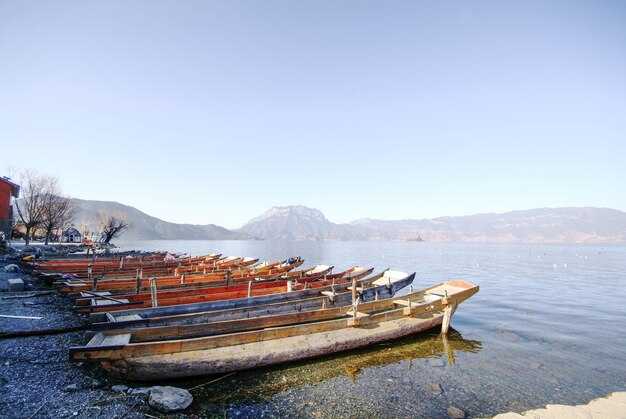 Top 10 Summer Boating Destinations in North America">

Begin with Chicago for a bold, classic introduction to North American yachting: the skyline, Navy Pier, and reliable marina access. Pricing ranges from $50–$150 per night in major hubs to $200+ in premiere docks; planning ahead helps you lock steady slips. Weve learned that the smoothest starts pair clear expectations with a flexible two- to three-day window, so you can adjust for weather and crowd levels.
From Chicago, the route expands along coastlines toward Boston and the Atlantic seaboard, then into the Pacific Northwest and beyond, offering a mix of impresionant landscapes, landmarks, and bustling towns.
To maximize the experience, review membership options at marina clubs and nautical associations, which often provide reciprocal access and predictable pricing. Know harbor rules and contact the harbor officer for permits or mooring; many ports have on-site officers who help handle arrivals and safety checks. Build in buffer time to handle weather shifts and keep a flexible plan.
Use the list as a planning tool to optimize your days: morning sails, midday coast hopping, and sunset docking near waterfront landmarks.
These picks deliver incitant yachting experiences, balanced pricing, and memorable coastal moments.
Best travel windows by destination
December through April is lauderdale’s best window for boating, delivering calm seas, sunny skies, and easy harbor hops along the bays. Start with Fort Lauderdale’s canals, then stop at nearby beaches and parks to balance scene and outdoor time.
Vancouver shines from May through September, offering mild days and clear water for island-hopping around the Gulf Islands. The scene along the harbor, with mountains on the horizon and a friendly skyline in view, makes every stop memorable. Click details for suggested routes and marina operations.
Nantucket is best from late June to early September, when calm seas and warm beaches frame easy day trips to nearby islets. Plan moderate island hops, and note ferry and private-boat restrictions; keep track of papers for crossings and shore permits.
Niceville offers a balance in April–June and September–October, when water is comfortable, winds stay light, and bays around the coast stay friendly for day trips and park-side picnics. It’s ideal for confident skippers who want steady operations and reliable anchorages.
Across the american northeast, plan May or September to combine city stops with harbor hops between Boston, Newport, and Portland. You’ll enjoy skyline views from the water and easy access to historic bays and scenic parks along the coast.
Island-hopping remains exciting when you link nantucket, Martha’s Vineyard, and Block Island in a single voyage; this approach fits late spring or early fall windows when traffic is lighter and the seas are friendlier.
For port details, reviews, and the latest operating advisories, click for details about permits, stop timings, and shipments. Keep your papers ready and respect local stop limits to maintain a smooth rhythm.
Docking options, marina access, and typical fees
Reserve a protected slip in newport, RI, or maryland harbor at least several months in advance to lock in access and predictable pricing. This approach reduces mornings spent scrambling for space and gives your voyages a reliable anchor along the coast. If your voyages extend toward costa rica, treat coastal marinas as year-round stops along your route. From the northwest coast to riviera towns, marinas line the coast with sheltered options.
Opțiuni de andocare
Docking options range from protected slips with power and water to mooring balls and quiet anchorages. For small boats, 25–40 ft slips fit most docks; larger yachts may need 60 ft or more. In riviera-adjacent city harbors, slip rates climb, while moorings provide a lower-cost entry. River-front marinas near the northwest coast offer sheltered options for day trips and year-round stays. Anchoring near town lets you stroll mornings markets and enjoy city beauty.
Marina access and typical fees
Marina access typically hinges on dockage, electricity, and water. Transient slip pricing commonly ranges from $3–7 per ft per night in popular hubs; moorings can run about $50–$100 per night for mid-size boats. Electricity costs about $0.60–$1.50 per kWh; water is sometimes included or charged by meter. Pump-out service runs $10–$20, and guest dock or transient dock administration fees range $5–$25 per visit. For year-round stays, many marinas in maryland or along the riviera coast offer longer-term rates that lower the nightly cost. Check online pricing across marinas to compare options, and verify rates at booking time for your newport stop and other crossings on your itinerary. Visitors can enjoy mornings on the dock, then walk to nearby cafes or markets for a quick start to the day.
Family-friendly anchorages and shore activities
Anchor in a protected harbor with easy shore access and shallow approaches for your family trip. Most families benefit from calm anchorages along the seaboard or Great Lakes, where water stays clear and shore time is convenient. Look for harbors that offer guest slips and, ideally, membership options or simple ownership models that support safety and predictable dues, plus solutions for weather changes. Bring bikes, beach gear, and a lightweight plan so you have a clear backdrop for the day, plus a short list of kid-friendly activities you can run without stress.
Many anchorages earn praise for family-friendly shore experiences: calm beaches, playgrounds, and easy dinghy rides. Such environments also let you balance deep-sea adventures on a nearby charter with easy shore time right off the boat. Watching the kids hunt for shells, spot seabirds, or visit a lighthouse adds color to the stop. For safety, keep life jackets within reach and set a simple rule: stay within shouting distance of shore.
Choose harbors with solid support networks: clear signage, accessible docks, and nearby amenities. These elements help boaters stay safe and keep the voyage smooth. In busy seaboard ports, look for anchorages with well-marked depths, good lighting, and a friendly harbor master. A chula vibe, plus a backdrop of family-friendly amenities, makes a marina feel welcoming wherever you anchor. Membership options can provide portable guest passes and straightforward dues, easing ownership decisions for families with multiple trips.
Prepare a practical list of shore activities to keep home time engaging: tidepool exploring, sandcastle building, scavenger hunts, picnics, and sunset watching from the dock. Easy, portable games and a quick fishing rod bring extra fun without heavy gear. Deep-sea trips may come on some days, but the most relaxed moments happen when you return to a protected harbor, unwind, and plan the next easy hop with a right balance of rest and activity.
Weather windows, hazards, and safety tips
Start with a confirmed weather window: target calm sea states and daylight for coastal hops. Check a 48-hour forecast, wind, tides, and current charts, then lock a start time and a return window that fits your planned loop along isles and bays. In anacortes, a local club publishes daily bookings and coverage that help guests set a comfortable scene for exploring isles and bays.
Hazards include fog that reduces visibility, sudden gusts, and squalls; strong currents around capes and shoals; and dense traffic in outer harbors and bays. Keep a wider margin in exposed passes, especially when winds build after lunch.
Safety tips: put on PFDs for everyone, secure loose gear, and anchor lines. Keep a VHF radio on channel 16 for weather updates and emergencies, plus a channel your club uses for coordination. File a float plan with a friend, your club, and guests, including your route, expected days on the water, and a way to reach you. Carry an EPIRB or PLB, a first-aid kit, and a charged flashlight; check fuel, oil, and bilges before departure; verify navigation lights if you’ll sail after sunset.
Route planning: design a loop that hugs shorelines and stays within sheltered channels when the forecast shows building seabreezes. Prioritize harbors and bays with good protection and nearby facilities where guests can rest or reboard. A careful setting makes it easier to optimize the scene for exploring isles and coastal landscapes.
Regional patterns: In the Pacific Northwest, mornings offer clear, glassy water and light land breezes, with seabreezes developing by late morning to 8–15 knots along exposed passages, and gusts up to 20 knots in open stretches. Fog can roll into narrow channels near the outer coast, so keep horizon checks and radar handy if available. For day-by-day plans, rely on bookings that include buffer days and the opportunity to regroup in protected harbors. Some cyclades-like coves along the coast reward patient exploration with quiet vista views and quaint villages. A short hop toward chula bays can be a gentle add-on for guests seeking sheltered anchorages.
The heart of the coast’s beauty lies in landscapes, a dramatic vista, and villages that line the shoreline. Whether you’re starting from anacortes or hopping to remote harbors, the setting delivers dramatic views, from raw rock and forest backdrops to sheltered coves and sun-drenched beaches. Exploring isles, a steady pace, and mindful handling of traffic create memorable moments for guests and crew alike.
Gear, permits, and local regulations
File a float plan with the harbor master and reserve your dock space two weeks before departure to lock in favorable tide windows and avoid last-minute delays. This gives you opportunity to map a relaxed route along seaside villages and small harbors, picking artisanal food stops and coast-worthy views that fit your vibe. As you plan, choose itineraries that match weather, daylight, and your crew’s pace.
Equipment and boat readiness
- Un vestă de salvare aprobată de USCG pentru fiecare persoană, plus un dispozitiv flotant la bord; asigurați-vă că tot echipamentul este funcțional și accesibil.
- Radio VHF cu o unitate portabilă de rezervă, baterii încărcate și o hartă impermeabilă sau o tabletă cu hărți offline.
- Ancoră, lanț și sartie adecvată pentru adâncimile tipice ale porturilor; împachetează apărători și parâme de acostare pentru a-ți proteja poziția la sosire.
- Extinctor, trusă de prim ajutor, dispozitive de semnalizare (fluier sau claxon, oglindă) și o trusă de scule compactă pentru reparații pe apă.
- Instrumente de navigație: hartă impermeabilă, busolă, GPS și un plan pentru ziua respectivă; luați în considerare un încărcător solar mic pentru dispozitive.
- Provizii: apă, alimente neperisabile și o ladă frigorifică compactă; planifică mesele astfel încât să eviți opririle inutile pe coastă.
- Întreținere și îngrijire echipament: piese de schimb, etanșant, bandă adezivă, combustibil de rezervă și saci impermeabili; folosiți încălțăminte antiderapantă pentru a vă menține picioarele stabile pe punte.
- Conștientizarea adâncimii: monitorizați ecosonda pentru a evita atragerea către bancuri de nisip și asigurați marje de siguranță în jurul zonelor puțin adânci.
- Exemplu local: în Anacortes, o companie locală vă poate ajuta să selectați locuri de acostare și să stabiliți rute care maximizează siguranța și priveliștea.
Permise, înregistrare și reguli
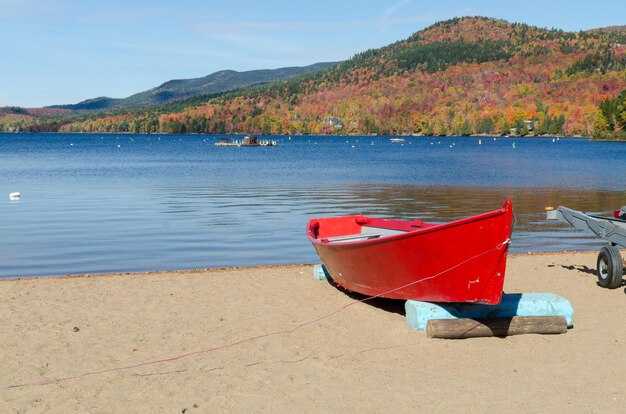
- Canada: obțineți un card de operator de ambarcațiune de agrement (PCOC) înainte de a opera o ambarcațiune motorizată; aveți la bord înregistrarea ambarcațiunii și dovada asigurării atunci când navigați de-a lungul coastei.
- Statele Unite: trebuie să aibă înmatriculare de stat valabilă și orice permise locale necesare; să aibă semnale vizuale de primejdie adecvate, un dispozitiv de semnalizare și lumini de navigație dacă operează pe timp de noapte; să se asigure că copiii poartă veste de salvare conform regulilor statului.
- Ancorare și mediu: respectați zonele protejate și urmați regulile portului sau parcului; evitați ancorarea în habitate sensibile și în golfurile aglomerate din Nantucket sau de-a lungul rutelor maritime aglomerate fără permisiune.
- Reguli portuare: în Anacortes și în alte porturi, verificați politicile de andocare cu autoritatea portuară sau cu compania aleasă; în zonele de coastă adiacente Rivierei, urmați ghidurile regionale de depozitare a deșeurilor și de protecție a faunei sălbatice.
- Faună sălbatică și deșeuri: luați gunoiul cu voi, folosiți zonele de depozitare desemnate și păstrați alimentele sigilate în apropierea orașelor de coastă pentru a evita atragerea faunei sălbatice; acest lucru conservă priveliștea și atmosfera pentru toată lumea.