


 Română
  English (UK)
  Русский
  العربية
  日本語
日本語  한국어
한국어  Magyar
  Türkçe
  Español
  Čeština
  Svenska
  Português
  Ελληνικά
  Suomi
Suomi  Nederlands
  Italiano
  Français
  Polski
  Українська
  Deutsch
  简体中文
简体中文  Slovenčina
  Top 10 Most Popular Boating Spots in New York">

Start with a practical pick: choose a site that offers ramps, amenities like parking and restrooms, a well-marked channel, and clear licențiere information. This setup helps you meet the required licensing checks and keeps your stays comfortable on the water.
In this ranking, expect spots with a friendly operator who ensures safe access and maintains the launch points. The operator team enforces licențiere, keeps ramps in top condition, and maintains amenities, making sightseeing easy. That influență comes from clear guidelines and consistent maintenance, helping every boater plan with confidence.
Make sure to check the requirements here before launching. A short outing can combine calm creeks with a main channel for a quick launch. Look for shallow coves, near ramps, and protected bays where you can connect to a larger waterway without long drives. Some spots require you to carry the proper life vests and to satisfy licensing checks.
Popular picks across New York include Lake George for lakeside sightseeing, the Hudson River corridor for day trips, Lake Ontario shoreline for sunset cruises, and the Erie Canal for gentle, long runs. Each site offers ramps, well-maintained amenities, and nearby lodging stays; licensing rules are posted at the dock and online.
New York Boating Spots and PWC Guide
Start with Cayuga waterbody on Cayuga Lake: launch from the Cass Park ramp, log a quick warm‑up, and head into a day of smooth cruising. The season runs from late spring through early fall, and they report busy weekends, so plan weekday rides to avoid the crowds. Amenities like restrooms, parking, and a fueling dock are listed nearby, making your stop simple and efficient. Keep your距离 from hulls of larger boats and stay alert for other craft to minimize risk on the waterbody.
Lake George ranks high for variety and scenery. This rich waterfront destination offers multiple ramps and marinas, with spots along the bays to stretch your legs after a tow. Expect crowds in midsummer; arrive before dawn or after 5 pm to reduce delays at launch points. Use the waterbody’s protected coves for a relaxed loop, then return to shore refreshed. The name Lake George is synonymous with long, clear days and clean amenities ready for your gear.
Thousand Islands loop on the St. Lawrence River delivers dramatic scenery and a true waterway experience. The loop threads through channels that require attention to currents and boat traffic, so understand local rules and stay in designated lanes to lower risk. Ramps along the waterfronts provide quick starts, and you’ll find picnic areas and wash stations as you complete the circuit. This listed hotspot shines in season, with wildlife and views that compliment every ride.
Hudson River near Troy offers a practical, protected option for steady riding. The Washington waterfront zones around Troy present calm stretches, easy ramps, and convenient amenities for a quick launch before you explore the surrounding waterbody. Riding here during the weekday reduces crowded conditions, while weekend crowds still offer a lively scene. Plan a short loop up to riverfront parks, then return with your gear dry and your plan intact.
Oneida Lake provides a broad, accessible stage for PWC adventures. A favorite for locals and visitors alike, it features longer riding season and ample waterfront access points. Start from Sylvan Beach or nearby ramps, then loop the lake’s open stretches to enjoy fast runs and smooth water. Delays are less frequent than in busier hubs, and amenities along the shore supply restrooms and parking for your gear. Your ride will feel expansive, with plenty of room to maneuver and a rich backdrop of lakeside homes and forests.
Lake George: Family-Friendly PWC Outings, Launch Points, and Parking
Plan a weekday morning launch from a public ramp to minimize crowds and maximize safe, family-friendly PWC outings.
Basics for your family include proper jackets for all riders, a weather check, and a mindful approach to speed near shorelines, bays, and islands. Use a simple pre-ride checklist and keep your group together so your kids or guests feel confident on the water.
Launch points
- Public ramps operated by the town or county provide short launching windows and close parking. Ensure your PWC registration is current and everyone wears jackets.
- Private marinas and outfitters invite launching as part of their services; their policies vary, so call ahead to confirm hours, fees, and parking availability.
- Resort docks that permit launching offer convenient access for guests; you’ll typically pay a small fee or join a guided outing.
Opțiuni de parcare
- Municipal lots near the village are convenient but fill quickly on weekends; arrive early or aim for shoulder times.
- Marina lots with launches reserve dedicated spaces; these can be a shorter walk to the ramp.
- Street parking near the waterfront is common; follow posted limits and avoid loading zones or residential areas at peak times.
Family-friendly routes and activities
- Calm bays and gentle channels around several small islands offer safe cruising for beginners and families; keep speeds mindful and stay clear of high-traffic lanes.
- Short, scenic loops of 5–8 miles let you return for snacks or a beach stop; plan around lake wind patterns and times with a shore breeze in the afternoon.
- At quiet coves, your group can take a break, swap riders, or switch to canoes if you want a slower pace; use this as an opportunity for mindful exploration of the destination.
- Pack a lightweight jacket for cooler air over the water and sun jackets for sun protection; always bring a whistle and a basic safety kit.
Safety and planning
- Basics: proper life jackets, a whistle, and a dry bag for valuables; ensure everyone stays within sight and follows the no-wake boundaries near shorelines.
- Information resources from the city and county provide current rules, no-wake zones, and launching restrictions; check their websites for the latest updates.
- Operators and their staff can provide important guidance on launching limits, peak times, and parking options; their recommendations reflect local conditions and their own equipment.
From Troy and beyond
For guests arriving from troy, NY, the drive to Lake George typically takes a few hours, with times varying by traffic and route chosen. Once on the water, their family can enjoy a strong variety of activities and opportunities that balance speed with safety, making Lake George a destination with a solid reputation among boating enthusiasts.
Ranking and opportunities
Local ranking guides and information sources consistently place Lake George among the top destinations for family-friendly boating in New York, thanks to calm bays, safe launching options, and accessible parking.
The Thousand Islands: Scenic PWC Routes and Access Points
Launch from the rondout ramps at first light and start a 20–40 mile loop that connects four listed spots along the St. Lawrence River. This route crosses open water and sheltered coves, offering features such as buoyed channels, rock outcrops, and gentle eddies ideal for beginner and experienced riders.
Two primary courses run along the main channel for speed and along sheltered coves near the village for scenery. Start with a climate-savvy plan; it’s essential to stay within the posted limits. The best access points are ramps in the village, at Alexandria Bay, and at Clayton’s waterfront; each ramp is equipped with lighting, parking, and transient docking space to handle every traffic level.
Key spots along the route include coves near Alexandria Bay, a quiet stretch near the village of Clayton, and a mid-channel pass that keeps traffic manageable. These spots provide shore views, picnic space, and safe checks of fuel and emergency gear.
For everyone, the Thousand Islands offer opportunities to practice tight turns, ride the current, and observe birds. When delays occur due to weather, switch to a nearby cove for a quick respite and regroup.
Safety and etiquette: join a local association and follow etiquette. Your crew should be captained by a designated driver who operates at the helm with a clear view, while others watch for boats’ wakes. All vessels should be equipped with life jackets, a whistle, and a throwable device; perform pre-ride checks on lights, gauges, and fuel. Each boat should operate at a safe pace.
Timing and spacing Typically, transit times range from 2 to 3 hours for a relaxed circuit, depending on stops. Maintain space between units and adjust pacing in coves and inlets. The routes are listed by the local tourism office for easy reference; check the latest maps for various spots and features. This plan typically covers 2–3 hours.
Access points along the U.S. side include listed ramps at the village docks, and several public launches in Clayton and Alexandria Bay. For an extended day, plan to anchor near the York region or pass through Sackets Harbor’s vantage points. Always verify current conditions and permit requirements with your association and local rangers.
With these routes and access points, you can enjoy flexible itineraries and seize opportunities to explore coves, channels, and waterfront spots, all within a safe, well-managed environment.
Hudson River: PWC Regulations, No-Wake Zones, and Marina Access
Check the latest information on Hudson River PWC regulations and no-wake zones from official portals and ports authorities, then plan a flexible route that respects safety standards unless a posted exception applies.
Before launch, equip your PWC with waterproof bags, bring spare safety gear, aboard your craft, and confirm that alcohol is not on board.
Choose a sheltered cove or marina for better access to amenities, mooring options, and accessible docks; stay in northern zones beyond the main shipping lanes and keep an eye on nearby parks.
Keep a safe distance from fleets and nearby vessels; follow the requirement to wear life jackets, and maintain compliance with standards; share the plan with your crew.
Operate with your bags secured and gear stowed; maintain awareness of other watercraft like canoes and larger boats; face the shore when entering a harbor, and finish at a marina.
| Locație | Regulations | Access | Amenities |
|---|---|---|---|
| Albany Riverfront Cove | No-wake zones; alcohol restrictions | Mooring docks; accessible ramps | Restrooms, water, parking |
| Piermont Marsh Park | Standard PWC speed limits; keep to right side | Floating docks; limited mooring | Picnic areas, restrooms |
| West Point Marina Area | Designated PWC lanes; harbor master duties | Harbor slips; short-term rentals | Shops, fuel, showers |
| Nyack Cove | No-wake near shore; quiet zone | Moorings and guest slips | Nearby parks, amenities |
New York State PWC Registration, Age Limits, and Operator Requirements
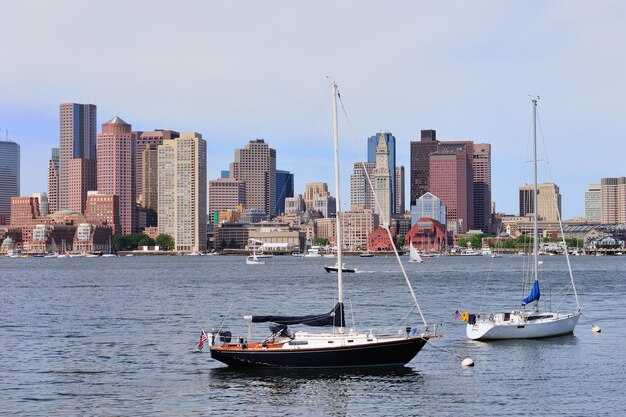
Register your PWC with the NY DMV before you ride. The process is quick online or at a DMV office, and you’ll receive a registration number plus validation decals to display on both sides of the bow. On Champlain, the rivers, bays, and coastlines, correct registration remains the grounds for safe planning and enjoyable time on the water.
Age and operator requirements: You must be 14 or older to operate a PWC on NY waters. Operators under 18 must complete a NY-approved boating safety course and carry the certificate on board; the certificate stays valid as long as you stay in compliance with course requirements.
Registration steps and costs: To register, bring proof of ownership (bill of sale or title), a valid photo ID, and your completed application. Fees vary by duration and type but typically range from a few dozen to a couple hundred dollars; most registrations cover two years and include decals placed on the hulls on each side of the bow. Renew online or at a DMV office before the current tag expires.
Alcohol and safety: Do not operate a PWC under the influence; penalties include fines and possible suspension of the registration. Always wear a U.S. Coast Guard–approved personal flotation device for every person aboard, and equip the craft with a whistle; if you ride at night, add a proper light. When planning, consider how currents and times affect groups along rivers and at mouth areas.
Planning for shared waters: In busy spots and bays, keep speeds modest around kayak crews, fishing boats, and sailboats. If you rent a PWC, read the rental agreement to understand hull capacity, handling, and hours of operation. For classic launch sites, choose ramps with clear access and ample space to avoid congestion on the approach and during departure.
For enthusiasts visiting major destinations like Champlain or popular river segments, stay aware of laws governing safety, operation, and equipment. By staying compliant and prepared, you can enjoy the best experiences on many waterways, while keeping yourself, other people, and hulls safe around crowded mouths, currents, and times of peak activity.
Safety Gear, Local Speed Limits, and Weather Considerations at Popular Spots
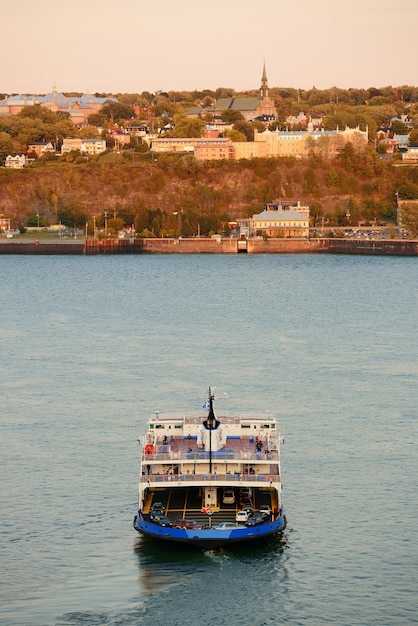
Pack pfds for each person and stay wearing them when underway. An accepted practice is to keep a whistle within easy reach and to verify pfds provide sufficient buoyancy before you cast off. In geneva and adjacent coves, conditions on busy waterways can shift quickly, so the scene remains safer when every person is prepared. Create a simple gear checklist online for each outing, including a spare whistle and a dry bag for important items.
Observe posted speed limits at popular spots, especially near coves and marinas, where infrastructure supports fleets of boats. Whether you boat solo or with family, keep speeds appropriate to conditions, give other vessels room, and reduce speed near swimming areas and paddlers. Also watch for no-wake zones and posted signs; staying compliant protects everyone on the waterways.
Always check the weather forecast online before you depart, and refresh forecasts during the day. Weather on the water can shift whether a calm afternoon becomes windy or a storm develops. Observe wind shifts and cloud buildup from your position, and have a plan to seek shore or shelter quickly if lightning or heavy rain appears. Pack a small waterproof bag with a flashlight, a charged phone, and a basic first-aid kit to handle a case of sudden weather change.
Swimming near busy boats remains a risk; educate kids and guests to stay in designated areas and to observe posted signage. At popular spots, experienced boaters stay vigilant, keep a safe distance from fleets, and monitor the scene for erratic behavior. If you encounter a person in water, whistle to attract attention and stay nearby until help arrives; call emergency services if needed. The day provides a calm experience when you keep pfds on, stay within your limits, and observe the cues from others on the water.