


 Română
  English (UK)
  Русский
  العربية
  日本語
日本語  한국어
한국어  Magyar
  Türkçe
  Español
  Čeština
  Svenska
  Português
  Ελληνικά
  Suomi
Suomi  Nederlands
  Italiano
  Français
  Polski
  Українська
  Deutsch
  简体中文
简体中文  Slovenčina
 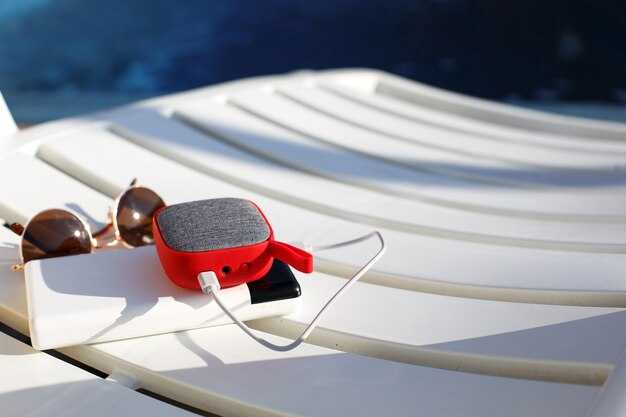 The Essential Equipment On Board a Boat – Must-Have Gear for Safe Sailing">

Begin with a winter checklist and verify your kit before every voyage to raise your readiness level on coastal passages. A practical approach shortens response times and protects your crew. The quality of your gear, from the cooler to the VHF, directly affects the effectiveness of your plan when conditions turn rough. This mindset applies to all boats, from small dinghies to larger yachts.
The gear transforms a minor issue into a controllable situation. Equip a life jacket for every person, place a whistle within easy reach, and keep a connected VHF radio along with an epirb on deck. A compact headlamp and a portable fire extinguisher add to your safety toolkit. Also, maintain a stocked cooler with water and non-perishable snacks for longer coastal trips. Ensure toilets are accessible and serviced to avoid delays when hours pass at sea.
Navigation starts with a reliable compass, up-to-date charts, and a simple, practical checklist of tasks before leaving harbor. A handheld GPS can augment your route, but never rely on electronics alone–always keep paper charts as a backup. For coastal sailing, monitor tide tables and weather warnings, and keep a charger so gadgets stay connected.
Follow recommended gear lists from trusted sources and services, and schedule regular checks for life raft, anchor gear, and hoses. A marine-first-aid kit, a spare water pump, and extra fuses keep your operation running. A sturdy anchor, spare lines, fenders, and a bilge pump round out the kit, placed for quick access.
With deliberate preparation, your boats stay ready for tough conditions. A solid winter mindset, organized storage, and clean toilets contribute to smoother passages. A epirb on deck, a reliable busolă, and a ready cooler translate into better decision making and faster help if trouble arises. Regular drills, role clarity, and ongoing maintenance are the habits that keep safety at the forefront, for every voyage along the coast.
Boat Equipment Guide for Safe Sailing and Snorkeling
Before departure, include a properly fitted PFD for everyone and a handheld VHF radio; keep a throwable buoy within reach. Include a compact first-aid kit, signaling device, and a dry bag, and place this here for quick access.
For snorkeling, pack mask, snorkel, fins, and a wetsuit or rash guard. Store gear in a waterproof dry bag and check seals regularly to prevent leaks; rinse during use if needed and print a simple care label to follow here.
Print a laminated checklist and keep it near the helm. Use devices such as a GPS, chart plotter, compass, and navigations apps to plan trips; verify settings before leaving shelter, then perform a quick safety check with the crew.
If you fish, include rods, tackle, and a landing net; place them in a tackle locker to keep balance. When you spot fish, show a brief safety reminder to crew and avoid snagging lines.
Install a deck shower for rinsing salt from hands and gear, and fit non-slip mats along the cockpit. Use adjustable grab rails and maintain a steady stance to improve walking stability in rough seas; keep a spare line ready for towing or mooring, with proper resistance to wear.
Power and autonomy rely on a marine battery bank and solar panel to provide autonomy for lights, VHF, and charging devices. Regularly monitor charge levels, rotate device mounts to reduce strain, and keep a weatherproof locker for batteries and cables.
Treat all hardware that contacts salt should be cleaned, dried, and treated after exposure to prevent corrosion; rinse and dry gear thoroughly to extend life. Enrich your set with a compact emergency tool kit, a flashlight, and a multitool, so well-being aboard stays high while at anchor.
Dealership contacts should be printed on a spare sheet; know lead times for parts and request replacements before they run out. Call the dealer when you need spare parts or advice on specific devices.
Your onboard routine should feel pleasant and safe every day. Keep water and snacks within reach, and schedule regular showers to maintain well-being. Ensure walking paths are clear and well-lit, and store gear in labeled compartments so everyone knows where to find items quickly.
Boat Safety Gear: Must-Have Equipment for Safe Sailing and Snorkeling
Start every trip with a properly fitted vest and a compact signaling kit. This setup will provide immediate protection and visibility while you assess conditions.
Keep a well-organized onboard kit in a defined location, with items stored in waterproof bags or containers. Put the most-used gear within arm’s reach near the helm, and store backups down below in labelled bins to prevent clutter during movements.
-
Personal safety gear
- vests: USCG-approved PFDs in sizes that fit each person; prefer one of the foam or inflatable types and test fit before departure
- head protection: lightweight hat or cap and sunscreen to protect from sun exposure during activities
- kill switch lanyard: attach to your life jacket or clothing to stop the engine if you fall overboard
-
Signaling and visibility
- flares: keep a mix of handheld and parachute flares with expiry dates checked monthly; store in a dry, accessible container
- whistle and mirror: compact signaling tools for short distances
- VHF radio and mobile device: keep a charged mobile phone in a waterproof case and a fixed VHF unit for coastal coverage
- air horn or whistle: additional audio signaling when near other vessels
-
Fire safety and mechanical protection
- fire extinguishers: at least one per engine compartment; check pressure gauges and ensure accessibility
- spare parts and plugs: include at least one spare spark plug and essential fuses; store in a labeled container
- fuel shut-off valve and oil levels: verify before going out and during major changes in weather
-
Navigation, rescue, and recovery gear
- throw bag and buoyant throw line: keep ready for man-overboard recovery; place near the cockpit
- surface marker buoy (SMB) and whistle: for snorkeling safety and boat location visibility
- map, compass, and spare batteries: keep in a dry box; mark your intended route and known hazards
- handheld flashlights: waterproof and with fresh batteries for night operations
-
Snorkeling-specific gear and buddy safety
- mask, snorkel, and fins: choose a snug seal and comfortable fins; test fit before entering water
- snorkeling vest or additional flotation: use when you’re near current or new snorkeling sites
- buddy system reminder: agree on signals and stay within sight during snorkeling activities
- reef-safe protection: apply sunscreen on exposed skin and reuse a rash guard to reduce irritation
-
Storage, organization, and waste management
- dry bags and watertight boxes: separate gear by activity type and keep them in a dedicated location
- waste management: store toilets and head supplies in a dedicated kit; follow local disposal rules
- secure items when underway: use straps or nets to prevent shifting and damage
Regular checks will reduce breakdowns and keep gear ready. Remember to inspect the lifebuoys, inflatables, and signaling devices before each voyage, and replace anything that shows wear or is past expiry. For trusted guidance, consult the источник of marine-safety best practices and update your kit accordingly. Going out with a well-structured setup will let you focus on enjoying the water, whether you sail or snorkel, with better protection and fewer interruptions.
PFDs: Selection, Proper Fit, and Quick-Release Use
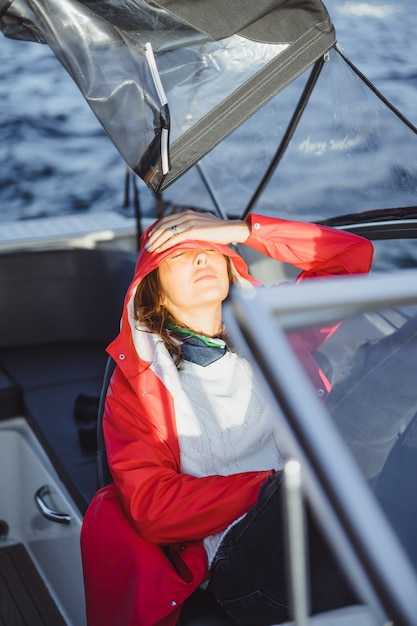
Choose a USCG-approved Type III PFD with at least 70 N buoyancy for adults and ensure a snug, adjustable fit, which provides sufficient buoyancy. For offshore trips or rough water, add a Type I PFD with higher buoyancy on the boat. Welcome aboard–this guide helps you pick gear that makes boating safer in accidental situations and supports your defense against immersion.
Fit matters more than the label. Try the vest over the clothes you’ll wear on deck, fasten all buckles, and cinch the straps until you cannot slide more than two fingers under the chest. Have a helper check by gently lifting your shoulders; if the chin rises toward the water or the vest rides up, switch to a different size or cut to maintain close alignment with the torso. This step does maximize precision and ensure a secure fit for most users.
Quick-release use should be intuitive and fast. Look for models with easy-squeeze side-release buckles and a straightforward buckle strap you can operate with one hand, even when wearing gloves. Practice on land and in shallow water to build precision; also test release under various conditions so you can act quickly if needed. The quick-release design allows rapid freeing, and then keep containers with signaling devices within reach in each activity zone for secure, rapid access during activities.
Maintenance and lifespan are part of defense against deterioration. Rinse PFDs with fresh water after salt or brackish trips, air dry away from direct sun, and inspect for tears, frayed straps, faded reflective trim, or stretched seams. Replace worn units or those that fail any test; most PFDs will show signs of wear after a few seasons, so schedule replacements after 3–5 years or sooner if damage appears.
To support safety on board, store PFDs in containers or clip them to cockpit coaming or seating for quick call to action. Ensure each wearer’s PFD is in a secure position and easy to grab during a sudden movement. Also, keep sponges and other cleaning containers away from pockets or straps and maintain a safe safety systems on the boat. After trips, return each vest to its designated spot and routinely test seals, fasteners, and life-saving features–this routine helps prevent accidental delays and keeps boating trips on track.
Mask, Snorkel, and Fins: Fit, Fog Prevention, and Cleaning Routine
Test the mask at your station before any voyage: a secure seal, comfortable strap, and clear lenses ensure better visibility and safer handling on vessels.
- Fit and types: Choose a low-volume mask with a soft silicone strap and tempered lenses. Types include single-lens, dual-lens, and full-face options. For childrens, use a smaller frame with a gentle nose pocket and softer silicone. Before pairing with a snorkel, verify that the mask stays sealed when you inhale through the nose and that the strap sits evenly without pinching.
- Strap adjustments: Start with the strap resting mid-back of the head; if leaks occur, loosen slightly and reposition. Avoid over-tightening, which can cause discomfort and press on the cheeks. If you wear long hair, pull it back and use a headband to reduce hair interference at the edges.
- Fog prevention basics: Dedicate several minutes to apply a defog option or rinse with fresh water before entering the water. In practice, a light defog gel or spray improves visibility across all areas of the lenses, including the periphery. Avoid abrasive cleaners on lenses and store the gear dry to maintain coating effectiveness.
- Snorkel options: Dry-top or semi-dry snorkels reduce water intrusion in choppy conditions. Ensure the mouthpiece fits comfortably; if you wear a full-face mask, assess the compatibility with any additional breathing gear and follow the manufacturer’s guidance.
- Fins selection: Pick fins that match your leg length and swimming style. Shorter fins are easier for beginners; longer fins give better propulsion but require careful deck handling near mooring lines. Check the fin straps for a snug but not tight fit to prevent blistering during long sessions.
- Ticket and setup notes: When renting gear, keep your ticket or rental record handy and confirm return conditions. If you’re sharing equipment, perform a quick seal test and strap check after any transfer to new vessels or areas around the station.
Fog prevention routines and care steps you can follow daily include rinsing after every use, being meticulous about inside-out cleaning, and drying thoroughly in shade. This approach helps preserve protective coatings of lenses and keeps straps pliable–enriched by careful rinsing routines and thoughtful storage near mooring areas.
- Cleaning protocol: Rinse mask, snorkel, and fins with fresh water immediately after use, then lightly scrub with a mild soap and soft brush. Rinse again and air-dry completely before packing in a protective case. Do not expose to direct sun for extended periods to avoid material degradation.
- Care and storage: Store in a breathable protective shell away from salt spray and heat. Keep the equipment organized at your station and avoid piling other gear on top of delicate lenses or fin blades.
- Maintenance cadence: Do a full inspection weekly–check straps for cracks, lens seals for micro-tears, and the snorkel mouthpiece for wear. Replace worn parts promptly to prevent surprises during a voyage.
- Safety note: If you notice persistent fog, consider trying a new defogging option or re-applying after rinsing. If leaks persist despite adjustments, contact a dive shop or instructor for a proper fit assessment and suggested alternatives, especially when planning trips with multiple vessels in busy areas.
Remember: being prepared with well-fitting gear at the mooring, thoughtful handling near deck edges, and a simple care routine keeps your mask, snorkel, and fins ready for long-term use–protecting your vision, comfort, and safety in all weather conditions.
Scuba Gear on Deck: Regulator, BCD, Tanks, and On-Boat Handling
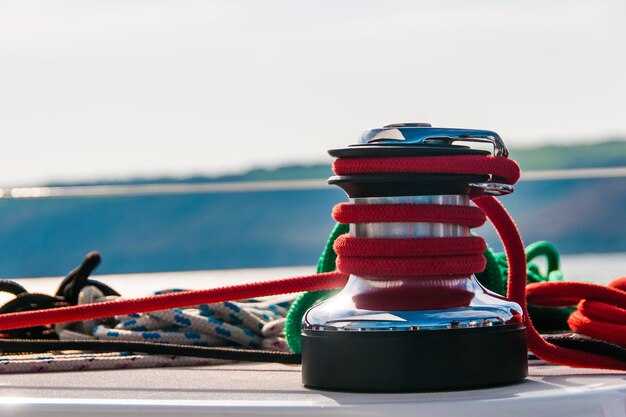
Begin with a firm rule: secure regulator, BCD, and tanks in a dedicated on-deck rack, using weather-resistant straps to stop movement in rough seas and deliver excellent grip. Upright tanks rest in a cradle with an unbreakable latch, plus protective caps, and hoses routed along the rack to reduce abrasion. The design accounts for the element of rough weather on boats of different sizes.
Here is a practical handling approach you can rely on: keep gear in separate containers or bags, color-code them, and create a simple list of assignments for crew. Such organization helps prevent mix-ups on deck.
Regular checks: inspect the first stage and hoses for cracks, inspect O-rings, and replace worn parts. Carry a small land-based tool kit, including screwdrivers, to handle minor field tweaks. Do not over-tighten fittings.
Storage and transport: after use, rinse in fresh water if possible; dry on a rack; store in dry containers away from heat; keep them accessible but secure. The setup allows quick access while ensuring safety and quality.
Weather and crew: before setting sail, verify that all gear is secured and clearly labeled; for childrens on board, assign a dedicated space and keep lines short for easy handling. Keep small items down in lockers to avoid clutter.
Checklist: Regulator, first stage, hoses; BCD inflator; tanks; manifold; mask; fins; spare O-rings; spare hoses; tape; containers; moisture-absorber.
Onboard Storage: Dry Bags, Racks, and Securing Gear in Rough Seas
Secure essential gear in a dedicated dry bag system mounted on adjustable racks, and lash bags with low-stretch maritime webbing to a fixed anchor point; this makes gear stable in rough seas and reduces shifting in the boat.
Choose 5–15 L dry bags for walking gear and personal items, and group them by location (cabins, cockpit, bow) so you can access quickly.
Use purpose-built racks that maximize efficiency and minimize movement; adjustable shelves help fit parts and tools, and they simplify rinsing and cleaning after trips easily.
Label and categorize gear with clear marks; this facilitates rapid retrieval for emergency and reduces times spent searching.
Use maritime-grade fixtures like french cleats or zip strips; they provide precision in load distribution and keep gear from shifting in both choppiness and smooth seas.
Keep anchor lines, spare parts, and maintenance items in a separate, clearly labeled addition; this supports regulatory compliance and quality expectations across vessels.
Regularly audit your setup for emergencies and rough weather; check that bags remain watertight, compartments drain, and racks hold heavy loads.
Consider bilingual or french tags for crew across boats and vessels; this helps in locations with multilingual crews.
Always measure weight per location and figure whether the plan you implement makes sense for your boat under maritime regulations; this adds reliability and safety to everyday use.
Owners often tune layouts after seasons to match experience, and this approach reduces the risk of gear shifting during storms and heavy times at sea.
In addition, modular bags that attach to the existing racks make it easy to reconfigure storage; addition to core racks helps adapt to trips and products on board.
That results in a simple, fast reset after a shift; thats a practical outcome on any vessel.
Signaling and Surface Support: Whistles, Surface Markers, and VHF Coordination
Keep a waterproof whistle on a strap around your neck and a bright surface marker within easy reach on-board; that quick signal can resolve issues before they escalate and keeps everyone aligned on the same plan.
Use the whistle for immediate alerts in wind, rain, or engine noise. Attach the strap to a collar or life jacket so you can signal without searching your pockets. Test the whistle before trips and replace the mouthpiece if it shows wear; practice short blasts to establish a recognizable pattern for others on the water.
Choose a Surface Marker Buoy (SMB) or buoyant marker that stays visible from a distance, even in glare. Clip or tether the marker to a short line so you can deploy it quickly when you pause near moorings or during an unexpected stop. Store it in a waterproof bag at the helm or cockpit locker and keep extra line there for fast retrieval when wind picks up or conditions change.
Coordinate with the VHF to manage communications. Hail on channel 16, then switch to a working channel such as 68 or 72 to talk with crew, harbor staff, or nearby boats. State your signal and boat name clearly, then confirm acknowledgement. Keep the radio powered with fresh batteries and a robust, waterproof case at the helm; if you use a router for data on the same system, keep it isolated from the VHF microphone to avoid interference.
Build a simple checklist and run through it after each trip to reinforce good habits. Include checks for:
– signal gear: whistle, strap, collar, surface marker, spare parts
– on-board systems: VHF battery, channel memory, call sign, range
– moorings and marks: location, visibility, weather, wind direction
– tools: wrenches, plug, and basic maintenance items for quick fixes
– safety practices: accidental signals, drills, and who handles others on-board
This routine helps you respond to real events, stay aware of power needs, and reduce panic during unexpected trips or water conditions.
| Item | Purpose | How to use | Întreținere |
| Whistle and strap | Audible signaling | Keep on collar or life jacket; blast in clear, short bursts | Dry after use; replace worn mouthpiece |
| Surface Marker Buoy (SMB) | Visual position signal | Deploy quickly when stopping near moorings or in rough water | Inspect line and buoy; replace if faded or torn |
| VHF radio | Boat-to-boat and shore communication | Hail on 16; switch to working channel (68/72); confirm word-for-word | Check batteries; verify memory and call sign; store in waterproof case |
| Backup signals (signals, lights) | Night visibility and redundancy | Use waterproof signal light or mirror at night or low visibility | Recharge or replace batteries; keep dry |
| Wrench and plug tools | Quick on-site adjustments | Use for antenna mounts, fittings, or securing gear | Keep in a small kit; corrosion protection |