


 Română
  English (UK)
  Русский
  العربية
  日本語
日本語  한국어
한국어  Magyar
  Türkçe
  Español
  Čeština
  Svenska
  Português
  Ελληνικά
  Suomi
Suomi  Nederlands
  Italiano
  Français
  Polski
  Українська
  Deutsch
  简体中文
简体中文  Slovenčina
  Summer Boating Safety Tips – A Quick Guide to Safe Boating">

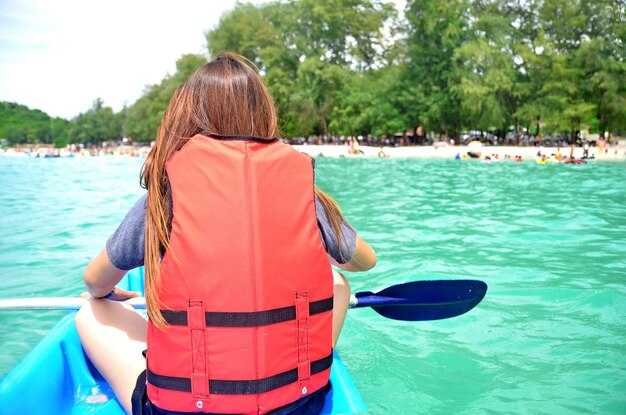
Poartă întotdeauna o vestă de salvare potrivită și depune un plan de plutire înainte de a merge cu barca. A avea un plan la îndemână face ca ieșirea să fie mai lină. Într-o zi însorită, verifică prognoza, inspectează echipamentul și asigură-te că ai o vestă de salvare (PFD) cu acces rapid pentru fiecare participant. Menținerea flotabilității îți crește rapid șansele unui rezultat sigur dacă cineva cade peste bord. Stabilește o rută simplă, ușor de transmis și o oră de întoarcere, pentru a găsi informații despre echipajul tău și despre cei de pe țărm.
Înainte de a pleca, verifică vremea, vântul și temperatura apei în zona ta. Dacă se formează furtuni sau apa devine agitată, scurtează călătoria și îndreaptă-te spre țărm. În apropierea porturilor aglomerate, încetinește, scanează pentru înotători și menține o distanță sigură față de alte ambarcațiuni pentru a preveni coliziunile. Pentru excursiile cu barca, urmărește un curs stabil care reduce siajul și ajută pasagerii să se simtă confortabil. În plus, monitorizarea condițiilor să se adapteze continuu, după cum este necesar.
Respectați reglementările locale și adoptați un plan clar și exersat pentru situații de urgență. Purtați un dispozitiv de semnalizare de uz marin, un kit de prim ajutor și baterii de rezervă. Mențineți un observator vizibil și învățați pe toată lumea să avertizeze echipajul cu privire la pericole. Dacă cineva se separă de grup, stabiliți un punct de reper și un loc unde să vă găsiți. Un calm vă ajută să reacționați rapid dacă cineva cade în apă.
Împachetează inteligent: apă, protecție solară, pălării și prosoape răcoritoare pentru căldură. Rucsacii de hidratare și un sac uscat rezistent protejează informațiile importante și electronicele de stropi. Pentru aterizări pe plajă, aduceți o geantă ușoară cu obiecte și un sac uscat mic pentru a proteja electronicele de stropi.
Pe apă, stați aproape de echipa voastră și asigurați-vă că liniile de comunicare sunt deschise cu un VHF radio sau baliză pentru smartphone. Dacă trebuie să reintrați în barcă din apă, localizați un punct de intrare stabil și stați jos pentru a evita dezechilibrările. După călătorie, uscați echipamentul, depozitați combustibilul departe de căldură și analizați ce a mers bine, astfel încât excursiile viitoare să se poată desfășura în siguranță.
Noțiuni de bază privind siguranța nautică pe timp de vară
Purtați întotdeauna o vestă de salvare potrivită și verificați prognoza actualizată înainte de a pleca în orice călătorie. Puneți ochelari de soare pentru a vă proteja ochii de strălucire, aveți apă la îndemână și asigurați-vă că fiecare membru al echipajului poartă o vestă aprobată de Garda de Coastă. Dacă sunteți instruiți de căpitan să stați jos în timpul unei ape agitate, urmați imediat aceste indicații.
Înainte de a părăsi docul, treceți în revistă cu echipajul pașii de ancorare: alegeți un loc sigur, lansați ancora, dați drumul liniei ușor și verificați dacă ține. Asigurați-vă că echipamentul de ancorare este accesibil și în stare bună și confirmați că ancora este fixată înainte de a relaxa liniile. Dacă trebuie să echipați ambarcațiunea, achiziționați veste de salvare aprobate de USCG și un kit compact de prim ajutor.
Asigurați băuturile și alte obiecte pentru a preveni alunecarea lor când valurile se ridică. Folosiți containere închise și depozitați echipamentul sub punte sau în dulapuri. Reamintiți tuturor să se miște calm și să-și păstreze lucrurile asigurate în timpul deplasării, astfel încât mișcările lor să nu perturbe echilibrul.
După călătorii, dezinfectați suprafețele des utilizate, cum ar fi balustradele, mânerele și scaunele. Folosiți o ștergere rapidă cu un dezinfectant adecvat și lăsați suprafețele să se usuce înainte de următoarea călătorie.
Sub soare puternic, ochelarii de soare protejează ochii; umbra și hidratarea sporesc confortul pe apă. Reaplicați crema de protecție solară după necesități și monitorizați actualizările meteo pentru a vă putea adapta planurile și a aștepta condiții mai calme, dacă este necesar. Dacă sosesc avertismente, urmați îndrumările oficiale și informați echipajul.
Grupurile de turiști sau cei care navighează pentru prima dată beneficiază de un scurt instructaj de siguranță, inclusiv ancorarea de bază, cum se utilizează linia de ancorare și ce trebuie făcut în cazul unei alerte meteo. Asigurați-vă că toți cei de la bord se întorc în siguranță la doc, cu toată lumea numărată și verificată înainte de a părăsi barca.
Checklist de siguranță pre-lansare pentru navigarea de vară
Before taking off, complete this pre-launch safety checklist, ensuring each item is checked and everyone on board is instructed.
Ensure the needed PFDs are on board: one USCG-approved life jacket per person, properly sized, in good condition, and kept immediately accessible. If you need to find replacements for damaged gear, contact the company for options.
Inspect heavy gear and lines: replace frayed ropes, secure the anchor and mooring lines, and stow gear to prevent snagging.
Engine and fuel check: fuel level should be at least 1/2 tank for a half-day trip, inspect oil level and battery, and perform a 2-minute engine test to spot leaks or abnormal noises.
Safety devices: verify a charged fire extinguisher, a throwable device, whistle or horn, and signaling device; keep them accessible and protected from spray.
Communication and information: confirm VHF radio on channel 16 and programmed numbers, have the needed emergency contacts and marina information, and consider a safety application to check weather alerts; decide whether conditions are favorable and share your float plan with a friend.
boston note: if you launch from boston harbor, review local requirements, display any mandatory stickers, and contact the marina staff for rules and available safety checks.
Vomiting readiness: plan for seasickness with water, ginger chews, and a vomiting bag; teach passengers to move to fresh air and hydrate if symptoms appear.
Exhaustion prevention: assign roles, schedule brief rest breaks, rotate driving and lookout duties, and prioritize crew alertness during the outing.
Tips and information: keep a simple, one-page checklist on board and refer to the application’s tips for quick guidance; these steps provide wonderful support for a safe, smooth launch.
Life Jackets: Fit, Wear, and Legal Requirements
Wear a properly fitted, Coast Guard-approved life jacket for every passenger from the moment you step aboard.
Instructed by the staff, each jacket is fitted to guests before departure, with straps and zippers secured and, when present, crotch straps adjusted. For chartering trips around boston, the ghid ensures every jacket remains snug so it cannot ride up when someone moves on deck.
Legal requirements vary by state and vessel, but most tours require all guests on open decks to wear PFDs while underway and during daytime hours. Young travelers and other tourist groups should expect the captain or crew to enforce the rule to keep everyone protected.
Fit specifics: choose Type I or II for offshore use and Type III for nearshore trips; check that the jacket sits flat across the chest and waist and does not ride up when you raise your arms. For those with limited mobility, quick-release closures help; the ghid și company should verify fit for each person before leaving dock, and adjust immediately if needed to avoid a life-threatening situation.
On hot days, breathable fabrics and bright colors help prevent overheating. Have guests wear clothes that layer comfortably under the vest, and avoid bulky outer garments that hamper fit. For young passengers and tourist groups, keep jackets sized for small frames ready near the exit for quick access during hours de funcționare.
Before boarding, check each boot for dryness to keep feet stable on the dock. The company și staff provide a brief safety ghid and walk guests through the proper wear. During the trip, prioritize safety over speed, moving slowly on deck with jackets on to prevent slips or tangled lines.
To prevent loss of life, carry extra jackets in the cabin and replace damaged gear without delay. The ghid leads a short practice, especially for young travelers, so no one remains uncertain about fit or wear. An on-deck check by someone from the crew confirms every guest is wearing a jacket before leaving the dock.
With these steps, guests stay protected and ready for a safe cruise in any conditions; charter operations that serve tourist groups or family trips in busy harbors, including boston, earn trust by clear instruction hours and trained staff ready to respond immediately if cues of overheating or distress arise.
Weather Awareness: Reading Forecasts and Spotting Hazards
Check updated forecasts 24 hours before chartering and recheck every few hours on site to plan safely. Communicate the plan to the crew and guests so everyone knows when to alter course, slow down, or seek shelter. Track wind speeds, gusts, waves, and visibility, and set threshold alerts for your route: if winds reach 20–25 knots or seas exceed 2 meters, adjust the plan immediately. This keeps the crew focused and ensures everyone on board understands how to respond.
Read forecasts from reliable sources such as NOAA/NWS and local harbor forecasts. Learn the symbols for wind direction, gusts, precipitation, and visibility through the legend so you can interpret the forecast quickly. Note hour-by-hour trends and updated outlooks to anticipate shifts in weather around the next few hours. Identify any potential life-threatening hazards early, such as lightning, squalls, dense fog, or rapidly building seas. This awareness helps the crew and guests stay prepared.
Look for indicators like a sudden wind shift, increasing gusts, or a line of storms approaching from offshore. These signs can surface hours before a storm, giving you time to move toward sheltered waters or into open harbor channels. Use radar, satellite data, and weather apps to spot cells and track their movement through your planned route. Identify area-wide hazards that could threaten the crew and guests such as lightning, heavy rain, or rogue waves around open waters.
Open communication with the crew and guests reduces risk. Assign a watch role to one person who monitors forecasts and updates, while others verify safety gear and check the condition of the deck. When risk increases, announce the plan immediately and take the best action, whether that’s slowing speed, altering the charter route, or aborting a leg. If needed, change the plan. Keep a weather board on display so youll see the latest numbers at a glance.
Equipment and footwear matter. Ensure every person wears sturdy non-slip footwear and keep a boot on deck for traction. Before departure, verify life jackets, throw bags, and signaling devices are in good condition. Use the forecast to plan the route through safe waters and avoid open sea areas during peak storm windows.
Maintain a calm environment on deck so guests stay comfortable while you maneuver through changing conditions. If a hazard is detected, the crew should exercise slowly, deliberate actions to prevent accidents around rails and open passages. This discipline helps prevent life-threatening situations and keeps the charter experience positive for guests and crew alike.
After every trip, log forecast references, hazards spotted, and the actions taken. This record helps future charters, improves preparedness, and demonstrates best practice for guests and owners. youll be able to exhibit continuous improvement in weather awareness when planning new trips.
Alcohol, Drugs, and Boating: Rules and Risks on the Water
Do not operate a vessel after drinking. Designate a sober crew member to helm and manage navigation; create a clear course for the trip; keep a cooler with water and non-alcoholic drinks for the crew; run a brief instruction session and build a simple guide of safety tips so everyone knows the plan before casting off.
Rules and penalties vary by region. In many jurisdictions, operating any watercraft while impaired is illegal; a typical limit hovers around 0.08% BAC for private boating, with zero tolerance in some states for commercial operators or for under-21 sailors. Check the application of local laws and your chartering terms if you board a yacht or join a travel crew, and plan accordingly.
Watch for signs of impairment in the body and among your crew: slower reaction time, poor balance, difficulty focusing, trouble keeping the vessel on a steady course, heavy eyelids, and slurred speech. If you observe signs, stop drinking and switch to the helm for the next leg; step ashore if necessary to prevent a risky situation.
Pre-trip and on-board tips help keep the environment safe: set rules whether at the dock or underway; keep forecasts in view and use a simple list of non-alcoholic options for the cooler; specify a non-alcohol policy for boating departures, especially on a chartering voyage or during travel with a yacht. Assign a sober captain to lead the crew and manage the process, and dress in light clothes with a wide-brimmed hat and neck protection to stay comfortable.
Practical preventive steps include maintaining a short checklist of essentials, such as life jackets and a weather radio; switch to water and other non-alcoholic beverages when on duty at the helm; avoid heavy meals that slow reaction time; if an incident occurs, prioritize safety, document what happened, and review instruction for future trips to reduce risk.
Required Safety Equipment and Signaling Devices
Always wear a life jacket for every person on board and keep signaling devices within reach. This base habit keeps your crew ready to act quickly if conditions change on the water.
- Personal flotation devices (PFDs): Provide one for each person on board; use properly sized PFDs and ensure they are worn when underway. For young crew, check fit around the neck and torso and replace damaged gear to avoid looseness.
- Throwable flotation: Have at least one ring buoy or throwable cushion stored within reach near the open deck or near the stern so you can throw to a person in the water and slow the rescue process.
- Fire safety: A correctly rated fire extinguisher stored in an accessible location; inspect gauge monthly and replace if corrosion or damage is present.
- First aid kit: A compact, waterproof kit with bandages, antiseptic, CPR mask, and a flashlight; keep it in reach on the open deck and refresh contents after exposure to salt, heat, or moisture.
- Signaling devices: Whistle or air horn for audible signaling; visual distress signals (flares) where allowed by countries’ rules; a signaling mirror and a waterproof flashlight for night use; maintain charged devices and replace expired items.
- Communication gear: A VHF radio or a charged mobile phone in a waterproof case; keep contact with authorities or nearby boats and test transmission before departure.
- Navigation lights and sound signaling: Use proper stern and other navigation lights when underway after dark or in reduced visibility; check bulbs, batteries, and mounting points regularly.
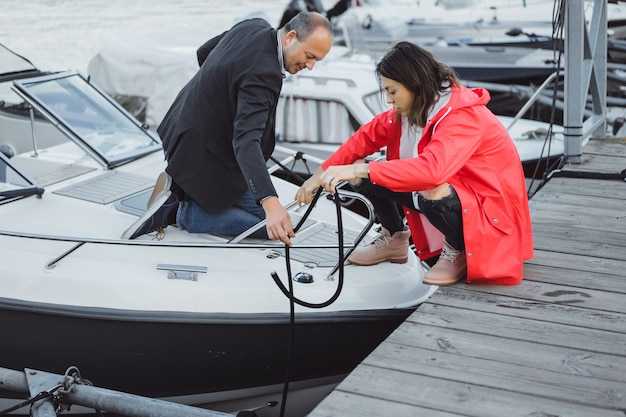
- Anchoring gear: Ensure you have a suitable anchor, sufficient rope, and a backing line; practice anchoring slowly in calm water and position the base of the boat to minimize drift; keep gear accessible on the open deck and away from the neck of lines to prevent snagging near the stern.
- Mobility and recovery tools: A compact bilge pump, a knife in a sheath, and a spare battery or power bank; these keep the boat ready to handle routine repairs and signaling needs on the water.
- Overboard response: If someone goes overboard, throw a flotation device immediately, point toward the person, slow the boat, and recover the person with a controlled approach; once recovered, bring them to the open deck and monitor breathing and responsiveness.
- Exposure protection: Sunscreen, hats, sunglasses, and protective clothing to reduce exposure during long trips; stay hydrated and replace fluids as needed.
To reinforce readiness, youll run short safety drills that exhibit calm, coordinated actions and ensure all equipment remains in good working order between trips.