


 Română
  English (UK)
  Русский
  العربية
  日本語
日本語  한국어
한국어  Magyar
  Türkçe
  Español
  Čeština
  Svenska
  Português
  Ελληνικά
  Suomi
Suomi  Nederlands
  Italiano
  Français
  Polski
  Українська
  Deutsch
  简体中文
简体中文  Slovenčina
  Sailing in Thailand – The Ultimate Guide to Island Hopping and the Andaman Sea">

Begin with a sheltered anchorage in Ao Phang Nga Bay for your first night, then break the day with a steady, island-by-island hop along the coast. This route connects long passages with calm bays, which keeps you safe. For every stop, look for buoys for mooring and read the signs posted by marine parks to stay compliant.
The core routes center on the Similan and Surin marine parks, where uninhabited islets rise from the sand and long reef walls shelter marine life. If you plan to stop here, arrange permits in advance or book through a licensed operator who handles the process. For breaks between hops, overnight anchorages offer quiet time beneath starry skies, while tours from Phuket and Khao Lak provide guided routes that reduce risk and manage waste. For a detour, head toward phai, a cluster of islets that links to sheltered bays and steady windward legs. Every year, this region attracts many yacht crews who prefer a calm pace and a respect for park rules.
When planning, keep a flexible schedule: seasons vary by month, and weather shifts can alter safe options. In the dry season, routes stay within sheltered bays and near protected reefs, while in the monsoon you may need to shorten hops. Always monitor buoys, signs, and local regulations; paying attention helps avoid fines. Adjust overnight stays before a squall forms to avoid disruptions. A practical kit includes water, a sun shade, and a portable charger; keep the crew informed and ready to react.
Anchoring etiquette matters: drop the hook well away from coral and approach slowly to avoid disturbing life. In marine parks, use designated mooring buoys if available and avoid bottom-sitting on fragile reefs. Many coastal towns along the Andaman offer shore-based tours and services for repairs, while some operators provide overnight stays aboard with meals onboard. If you anchor near uninhabited islets, keep noise down, respect wildlife, and pack out all you brought in to minimize impact, being mindful of wildlife.
For your packing list, bring reef-safe sunscreen, lightweight clothing, a windproof layer, a waterproof bag, and a compact medical kit. Ensure your charts are current, and have a reliable GPS and compass as a backup. Update every chart and plan your days with a simple outline, keeping the crew informed with clear checks and goals, and set aside a few sunlit breaks to enjoy calm sand beaches along the way.
Practical, action-oriented plan for Koh Samui and the Andaman Sea
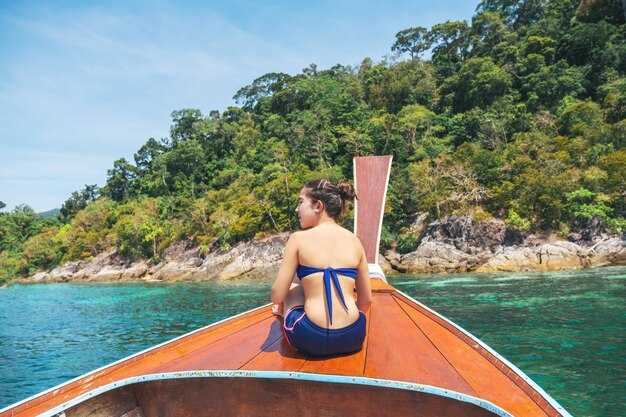
Base samui as your hub for the Gulf-to-Andaman arc. Drop anchor in Lipa Noi or Nathon to simplify provisioning, then set a simple system that keeps morning departures on track. From bangkok-supplied groceries to fresh market finds on samui, you will have many options. Use haad coves along the south coast for safe anchoring, and plan to sail west after a solid warm-up. This article offers a practical, action-ready framework that matches a range of speeds and weather.
Morning departures optimize wind and visibility, letting visiting samui’s villages such as Bophut and Choeng Mon before lunch. Drop anchor in sheltered haad coves for a quiet midday break, then resume sailing toward the next stop. Match pace with the crew to keep the schedule exciting without rushing. Onboard notes emphasize provisioning, water management, and keeping a clear mark on the chart for each port.
From samui, set your course west to the Andaman coast. The first leg targets Phang Nga Bay’s coves and sea stacks, where anchoring behind protected rocks works well in light winds. You will find numerous anchorages that match views toward limestone cliffs and caves. After Phang Nga, sail to Krabi Town and Ao Nang, then hop to Phi Phi and Phuket’s marinas for fuel, water, and fresh supplies. Ports along this stretch support occasional party nights on board, as well as quiet evenings onboard with views of sunset over karst formations.
Attention remains on safety. Maintain a daily log, update weather checks, and keep a checklist for anchoring gear and safety equipment. The plan remains flexible to weather windows and crew energy. For a true reader’s experience, file a quick article after each leg to track what works best and what to improve.
Region offers numerous opportunities to mix a traditional island vibe with modern comforts, from quiet haads to lively nights in samui’s neighbor ports. The plan provides exciting options, with a mix of anchoring, drop-offs, and shore visits that will make memories.
7-Day Koh Samui Sailing Itinerary: Day-by-Day Route, Distances, and Anchorages
Recommendation: Start Day 1 with a direct 22–24 nm hop from Koh Samui to Ang Thong National Marine Park, anchoring in a sheltered bay for a sunset you’ll remember.
Day 1 – Koh Samui to Ang Thong National Marine Park (22–24 nm). Set a steady course to the archipelago’s central bays, where hidden limestone formations rise from emerald water. Pick a protected cove on the lee of Mae Ko Island for an overnight, then wake to peaceful scenery and calm mornings. Keep a flexible plan to chase the best light and quieter spots, then head out for a closer look at sea caves or hidden lagoons when the seas cooperate. Official park rules require responsible behavior and gear stowage at anchor, so secure winches, fenders, and spare lines in the grounds of the cockpit. Look for world-class sunsets from the stern, and confirm a nearby marina option if weather shifts.
Day 2 – Ang Thong to Koh Phangan (12–18 nm). Slide along the western edge of the archipelago and set course for Koh Phangan’s quieter coves, such as Haad Salad or Thong Nai Pan Noi. Expect turquoise water, scenic cliffs, and fresh air at the helm. Use a shorter day to rest the crew and check gear after a night at Ang Thong. Nearby dive shops and snorkeling spots offer underwater life, while reefs stay in good form for safer snorkel sessions. Anchor at a sheltered beach and enjoy a chic, peaceful evening with a view of the pink horizon as sunsets bloom. If a berth opens at a small marina near Haad Rin, you’ll have an official option for shore amenities.
Day 3 – Koh Phangan to Koh Tao (25–28 nm). Set a steady pace to Chalok Bay on Koh Tao, a favorite for its calm lee and world-class snorkeling scenes just offshore. On the way, you’ll pass close to rocky islets where you can watch unique underwater formations from the surface. Stop for a mid‑day swim and fresh fruit, then anchor in Chalok Bay for a chic, quiet night. This shorter leg lets you stretch lines, refresh provisioning, and keep the crew content. Look longer at the map to pick a second option near Shark Bay or Ao Leuk if the wind shifts, then keep a flexible schedule to chase better light and calmer seas.
Day 4 – Koh Tao to Koh Samui (west coast) (18–24 nm). Return toward Koh Samui with a focus on Lipa Noi or Maenam as your overnight anchorages. Expect scenic coastline, sand‑top beaches, and a slower tempo after Koh Tao. Fresh air, smoother seas, and an easier dinghy ride to shore make this a good day for maintenance checks and gear inspection. Nearshore reefs provide near‑shore underwater color, while a quiet anchorage in Lipa Noi offers peace after three lively days. If conditions allow, enjoy an evening walk along a chic beachfront and a longer look at the lights on the water. A nearby marina option exists for official fuel and provisions if needed.
Day 5 – Koh Samui to Koh Taen (hidden spots and reefs) (6–12 nm). Slip into the calmer southern waters toward Koh Taen, a hidden gem with quieter coves and protected bays. Anchor off a sheltered coast near coral reefs and gentle snorkeling grounds. The day’s pace remains short, allowing you to savor fresh sea breeze and slower rhythms. Look for underwater life weaving around rock formations and sandy patches; you’ll find spots where the water stays clearer and the crowds fade. This is a great chance to review safety gear, top up drinking water, and enjoy a peaceful, near‑private evening in a quiet corner of the bay.
Day 6 – Koh Taen back to Koh Samui (Maenam or Bophut) (8–12 nm). Return to Koh Samui and pick a quieter anchorage in Maenam or Bophut for a breezy, peaceful night. This leg keeps the pace relaxed, so you can notice small details–the color shifts in the water, the scent of frangipani on the cockpit, and the look of the coastline at golden hour. Fresh provisions, a quick hull check, and a flexible plan mean you can switch to a marina for official services if needed, or linger at anchor and enjoy the islands’ slower tempo. Sunset views from the deck highlight the Pacific‑like palette and the Andaman‑styled charm that Thai waters offer in this region.
Day 7 – Koh Samui wind-down and return to base (10–14 nm). Cruise a circular route along Koh Samui’s western shore to a final anchorage near Nathon or Chaweng’s outskirts. This last day emphasizes comfort and gear checks, with a short hop that keeps the crew fresh for the final dock. Take a long look at the horizon as the lights come on, and plan a post‑cruise evening at a nearby marina or a quiet shorefront spot that matches the trip’s chic, peaceful vibe. If you want to extend, Leela‑style charters offer a flexible option for a longer stay or a tailored add-on to sample more spots, with official guides and fresh gear recommendations included. This route keeps a memorable balance of hidden bays, scenic coastlines, and world‑class sunsets, so countrys from around the pacific can share in the look and feel of a true Thai island hopped odyssey, andaman‑flavored still, within reach of Koh Samui’s grounds and easy land access.
Best Weather Window and Tidal Considerations for Andaman Sea Sailing
Attention: plan the core sailing window for November through April; this is the best period for stable days and crystal-clear seas across the Andaman coast. You’ll enjoy gentle to moderate winds, many sun-filled days, and smooth hops between Railay, Phi Phi, Phuket, and marina-dotted ports along the route. With proper planning, your crew can cover beautiful areas, stay in sheltered anchorages near villages, and offer chic experiences at every destination.
Within this window, tidal variation remains manageable: typical ranges 1–3 meters by moon phase, with spring tides around full and new moons and neap tides closer to 0.5–1 meter. Enter bays at slack water to minimize current and avoid shoal risks near Railay, Phang Nga, and Koh Phi Phi. When you drop anchor, use a scope of 5:1 in good holding mud so you don’t drift in gusts. Be mindful of needle-like coral heads near some reef drops that can surprise even an experienced crew.
During May–October, plan for monsoon season realities: more rain, stronger winds, bigger seas, and many days with rough conditions. Some areas become impossible to visit; Similan Islands typically close to boats, and you should adjust plans to sheltered bays such as Ao Nang, Phang Nga Bay, and coastal villages along the route. If you push beyond the core window, target short hops and stay near protected coastlines rather than venturing far from shore.
Practical tips for a smooth cruise: coordinate with fishermen in coastal villages to learn safe channels and sheltered drops; check local notices for protected areas and permits at major destinations–attention to regulations saves delays for your destination. Whether you sail a superyacht or a smaller craft, the means to safe navigation are the same. Reserve a calm night near Railay’s chic surroundings, consider anchoring near bambo huts on shore, and plan provisioning at Phuket or Krabi to keep the crew ready for multiple days of beautiful island hopping across many areas.
Boat Charter Options, Licenses, and Insurance for Thai Waters
Choose a licensed operator with full registration and comprehensive insurance for any Thai charter. This guarantees safety, compliance, and smooth handling of permits and emergencies across the region.
- Charter options
- Crewed charters with a skipper and crew for hopping between Krabi, Phi Phi, Hong Island, and other Andaman destinations, with on-board service and catering.
- Bareboat charters for experienced sailors who hold valid licenses and a proven track record, ideal for extended cruising and exploring more remote coves.
- Party or wedding charters that design a private itinerary along emerald waters and waterfront coves, with tailored food, decor, and entertainment.
- Family-friendly charters with relaxed pacing, sheltered anchorages near haad beaches, and short hops suitable for all ages.
- Vessels range from small motor yachts to modern catamarans and sailing yachts, suitable for destinations across Krabi region and the Andaman Sea.
- Licenses and registration
- Vessel registration must be current with the Thai Marine Department and shown on request.
- Captain and crew hold valid licenses appropriate to vessel size and type, with certificates clearly linked to the vessel.
- Operators must comply with countrys rules and Thai regulations for charter activities in the Andaman Sea, including Haad- and Hong Island routes.
- Ask for a formal safety plan and port-of-call permissions to avoid delays at coastal location hubs.
- Insurance and safety
- Hull and machinery insurance plus third-party liability coverage are standard for commercial charters.
- Protection and indemnity (P&I) is recommended for larger crews or event-focused charters (weddings, corporate parties).
- Medical evacuation and passenger accident protection should be included or available as add-ons.
- On-board safety gear includes life jackets for all guests, life rafts, fire extinguishers, a functioning VHF radio, EPIRB, and clear emergency procedures.
- Practical considerations
- Curenții și mareele variază în funcție de locație; coasta Krabi și canalele Phi Phi pot pune probleme de navigație – planificați itinerarii flexibile și o rută alternativă.
- Verifică atracțiile din jurul golfurilor Emerald, plajelor Haad și alte destinații pentru a structura un program eficient care minimizează transferurile lungi între opriri.
- Prânzurile și preparatele culinare la bord pot fi aranjate – coordonați-vă cu operatorul pentru bucătărie locală thailandeză sau opțiuni internaționale, în funcție de preferințele grupului dumneavoastră.
- Stabilește un itinerar realist pentru călătorii pe tot parcursul anului, rezervând timp pentru experiențe în natură și excursii între insule, printre locuri de ancorare liniștite.
- Solicită localizarea operatorului, portul de origine și detaliile de înregistrare pentru a verifica legitimitatea și a simplifica check-in-ul la bazele din Krabi, Haad sau Hong Island; ia în considerare o altă opțiune dacă un plan nu este clar.
- Costuri și sfaturi de rezervare
- Componentele unei oferte includ tariful de bază al navei, costurile echipajului, combustibilul, taxele portuare și aprovizionarea; căutați o ofertă transparentă, all-inclusive.
- Compară pachetele care acoperă intrările pe recif, explorarea insulelor și excursiile ghidate către destinații precum orașele de pe malul apei din Krabi și destinațiile Haad.
- Revizuiește termenii de anulare, listele de echipamente și opțiunile de transfer la țărm pentru a evita taxele ascunse în perioadele de vârf sau de sărbători.
- Negociază un pachet care include un alt serviciu convenabil, precum transferuri de la aeroport sau aprovizionare, pentru a simplifica planificarea.
Pentru călătorii care caută o alternativă la rutele aglomerate, creează un plan personalizat care echilibrează natura, gastronomia și cultura de-a lungul lor, coasta de smarald și dincolo de aceasta. Un operator bine ales face posibile nunți, petreceri sau pur și simplu plimbări din insulă în insulă, an de an, în apele Andaman din Thailanda.
Ancoraje, Legături și Popasuri Litorale În Jurul Insulei Koh Samui și a Insulelor Vecine
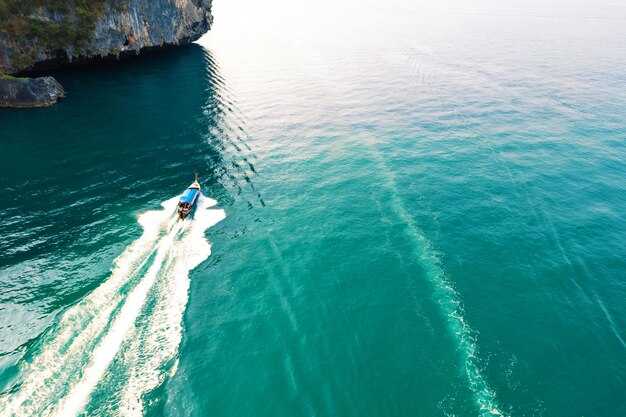
Plănuiește o excursie insulară de două nopți care începe în golful Choeng Mon de pe coasta de nord-est a insulei Koh Samui, apoi te mută pe Koh Taen pentru o sesiune secretă de snorkeling și se termină cu o noapte lângă Parcul Național Marin Ang Thong. Recomandăm acest traseu pentru zonele protejate, aprovizionarea ușoară și numeroasele locuri de snorkeling în jurul insulițelor nelocuite; vei împărți apa cu numeroase ambarcațiuni, dar vei găsi totuși zone de ancorare liniștite pentru relaxare.
Golful Choeng Mon este situat pe coasta de nord-est și oferă protecție chiar și atunci când vânturile comerciale se intensifică. Boierele oferite de operatorii locali sunt abundente, iar o scurtă călătorie cu barca vă aduce la restaurantele de pe plajă și la câteva tarabe cu produse proaspete. Punctele de alimentare și aprovizionare sunt simple din Nathon sau Bangrak, și puteți merge spre Koh Phangan pentru o altă escală când vă schimbați planurile.
Koh Taen prezintă o altă opțiune secretă: o insuliță nelocuită cu un golf adăpostit, apă limpede și recife ideale pentru snorkeling. Pe mal se află o baracă simplă care servește pește proaspăt și khao, iar plaja lungă și îngustă este perfectă pentru o aterizare liniștită a echipamentului sau o plimbare scurtă până la zone cu nisip care se simt cu adevărat private.
Parcul Național Marin Ang Thong oferă un amestec unic de insulițe, lagune marine și stânci calcaroase spectaculoase, perfecte pentru explorare. Există numeroase dane de acostare și locuri de ancorare, iar regulile parcului impun obținerea unui permis în prealabil. Folosiți danele de acostare unde este posibil pentru a proteja solul și recifele; este fantastic pentru priveliști la răsărit în lagune și o vizită pe plajele din golfulețele izolate, care te fac să te simți la o lume distanță de coasta principală.
Sfaturi pentru planificarea sezonieră: vremea cea mai bună este din noiembrie până în aprilie; monitorizați previziunile și mențineți un plan flexibil în cazul în care un front se schimbă. Aduceți echipament robust, linii suplimentare, babale și o ancora de rezervă; ar fi bine să vă coordonați cu operatorii locali pentru combustibil și provizii proaspete. Coasta din jurul Koh Samui oferă multe opțiuni, de la plaje secrete la opriri nelocuite, cu restaurante și închirieri de echipamente în apropiere pentru a vă face navigarea ușoară și plăcută.
Aprovizionare, Echipament de Siguranță și Confort la Bord pentru Navigarea între Insule
Pregătește o trusă medicală compactă, impermeabilă și un sac uscat de rezervă pentru fiecare etapă a călătoriei tale prin arhipelag. Include remedii pentru răul de mare, șervețele antiseptice, unguent antibiotic, bandă adezivă, foarfece și un ghid de prim ajutor elementar. Poartă o trusă mică de scule marine și un felinar reîncărcabil, plus un set de baterii de rezervă pentru echipamentele esențiale de pe punte.
Planifică aprovizionarea combinând articole tradiționale, stabile la raft, cu pachete gata de consum, astfel încât să te poți reaproviziona cu ușurință la punctele de intrare din apropierea centrelor faimoase precum Ranong și la piețele din jurul Surin și Racha. Depozitează conserve de pește, orez, paste, ulei și condimente într-un dulap uscat, la îndemână față de bucătărie, și păstrează verdețurile și fructele într-o ladă frigorifică compactă, dacă ambarcațiunea ta are așa ceva. Țintește către o aprovizionare de 3-4 zile per persoană și ajustează în funcție de căldură; dacă ai timp limitat de pregătire, bazează-te pe mese preambalate pentru a grăbi vizitele pe țărm. Ține un jurnal de inventar simplu pentru a urmări ce ai folosit și ce ai nevoie pentru următoarea etapă, asigurându-te că ai suficient pentru a ajunge la următorul parc sau oprire pe plajă.
Echipament de siguranță necesar: o vestă de salvare pentru fiecare persoană, un colac de salvare aruncabil, un dispozitiv de semnalizare sonoră, o lanternă impermeabilă, baterii de rezervă și un extinctor de incendiu de bază. Includeți un radio portabil VHF și, pentru cursele îndepărtate, un EPIRB sau PLB. Verificați potrivirea și starea vestelor de salvare, testați fluierul și inspectați liniile și apărătoarele înainte de fiecare etapă. Păstrați un kit simplu de reparații și piese de schimb într-un dulap accesibil.
Confortul la bord se axează pe umbră, flux de aer și spații organizate. Montează un bimini sau o umbrelă de punte, folosește ventilatoare portabile și bazează-te pe țesături respirabile în zonele de dormit. Menține uscate cabinele de dormit cu absorbante de umiditate și împachetează o pătură ușoară pentru nopțile cu vânt. Depozitează ustensilele de gătit și alimentele neperisabile în coșuri etichetate clar pentru a grăbi reaprovizionarea și a reduce dezordinea după vizitele la plajă.
Strategia de ancorare favorizează golfurile liniștite cu aderență bună și intrare sigură către coastele calcaroase din apropiere. Testați scurt aderența cu o lansare scurtă, apoi setați lungimea lanțului și asigurați apărătorile. Luați o ancoră și o linie de rezervă pentru diferite tipuri de fund și exersați recuperarea în apă puțin adâncă într-un loc sigur, înainte de a vă aventura în larg. Fiți conștienți de curenții din apropierea Surin, Ranong și Racha și folosiți această abordare pentru a vă bucura de peisaje uimitoare și de opriri vibrante și pașnice în golfulețe verzi și plaje din parcuri cu țărmuri calcaroase.
După ce ai pus la punct proviziile, echipamentul de siguranță și rutina de confort, notează o listă de verificare simplă înainte de plecare care să acopere vasul, echipajul și echipamentul. Observă ce trebuie reaprovizionat, ce echipamente necesită întreținere și ce articole de confort dorești pentru următoarea etapă, astfel încât planurile tale de călătorie pe mare să rămână ușoare și plăcute de-a lungul Mării Andaman.