


 Română
  English (UK)
  Русский
  العربية
  日本語
日本語  한국어
한국어  Magyar
  Türkçe
  Español
  Čeština
  Svenska
  Português
  Ελληνικά
  Suomi
Suomi  Nederlands
  Italiano
  Français
  Polski
  Українська
  Deutsch
  简体中文
简体中文  Slovenčina
 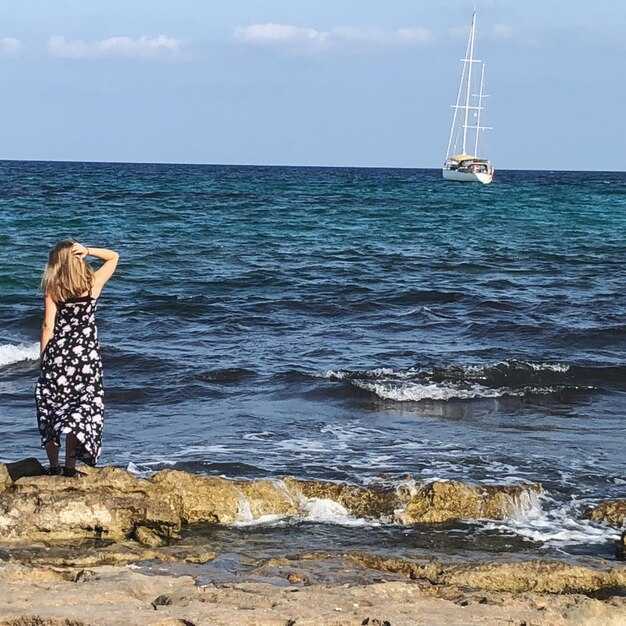 Sailing in Spain – The Perfect Haven for Sea Lovers">

Începeți cu un circuit circular de-a lungul coastei, din Țara Bascilor până în Galicia, apoi curbați spre sud, spre Insulele Baleare, pentru un echilibru între frumuseți accidentate și porturi adăpostite. Această abordare menține pasajele practice și vă permite să comparați vânturile nordice cu calmul sudic, stabilind un ritm constant pentru călătoria dumneavoastră.
De-a lungul coastei de nord întâlnești o varietate de orașe, de la mari orașe portuare la sate pescărești mai mici. Fiecare dezvăluie viața de coastă cu arome distincte, iar peisajul se schimbă de la țărmuri mărginite de stânci la estuare adăpostite, oferind ancoraje confortabile și opțiunea de a scurta etapele dacă preferi o noapte mai scurtă pe mare.
De la Palmas din Gran Canaria până pe continent, vei simți pulsul mării pe tot parcursul anului. În fiecare an, navigatorii se întorc pentru vânturi sigure și porturi previzibile. În porturile aglomerate vei plăti un cost mai mare pe noapte, în timp ce în porturile mai mici vei găsi acostări mai intime pentru aproximativ 40–70 EUR pe noapte. După apusul soarelui, multe golfuri te îmbie. înot de noapte and a proaspete o briză care să-ți trezească simțurile înainte de culcare, în timp ce plutești spre următoarea ancoră.
Îndreaptă-te spre Galicia pentru frumusețile unice de coastă și un ținut bogat în cultură, unde poți planifica o zi la țărm pentru a explora Santiago, apoi întoarce-te la barcă pentru o plimbare cu vele la apus. Acest ocol spre interior completează ritmul maritim cu cultură și arhitectură, îmbogățind călătoria cu unique experiențe și frumuseți de coastă.
Pentru un plan practic, includeți o ultimă etapă în regiunea viticolă Toro după circuitul de coastă sau combinați un scurt circuit interior pentru a gusta cele mai bune zone rurale ale Spaniei. Traseul oferă o varietate de golfuri, calancuri și lagune unde puteți înota, pescui sau pur și simplu admira proaspete aer și urmăriți soarele scufundându-se în spatele promontoriilor accidentate, asigurându-vă în același timp că mențineți costurile gestionabile și ritmul confortabil.
Ghid de navigație în Spania
Zboară spre Malaga și rezervă o cursă charter cu velierul prin Boataround pentru excursii săptămânale de-a lungul Costa del Sol, apoi planifică o etapă în Tenerife pentru o vacanță diversificată.
Acel amestec de plaje și pasaje în larg vă permite să resetați fiecare zi cu un nou orizont. Fiți flexibili pentru a combina salturi adăpostite cu navigații mai lungi.
Cele mai bune perioade sunt sfârșitul primăverii și începutul toamnei, când vânturile constante configurează zile liniștite; valurile din jurul insulei Tenerife oferă opțiuni interesante pentru echipajul care caută varietate.
Hub-uri principale și acces: Malaga este principala poartă de acces spre sudul Spaniei, în timp ce Tenerife ancorează ruta Canarelor; ambele au aeroporturi cu servicii frecvente și bărci disponibile pentru chartere cu bază fixă.
Plaje și golfuri de-a lungul coastei invită la planuri flexibile, unde poți ancora lângă golfulețe protejate, un refugiu pentru odihnă, după traversări lungi, având totuși acces facil la orașe animate.
Boataround te conectează la o gamă largă de rute și excursii principale, cu opțiuni săptămânale pentru închiriere fără echipaj sau cu skipper, rute care se potrivesc ritmului tău.
Sfaturi practice: verificați prognozele meteo, verificați taxele portuare și confirmați licențele; planificați în jurul porturilor din centrul Malaga sau din baza Tenerife dacă doriți o călătorie la scară mai largă.
Cele mai bune rute atlantice din Galicia spre Țara Bascilor: alegerea punctului de plecare și a sezonului
Începeți din A Coruña, în Galicia, punctul de plecare recomandat, în mai sau septembrie pentru cel mai bun echilibru între vânturi și mare. Acest lucru menține nivelul de risc abordabil pentru un echipaj capabil, în timp ce porturile din apropiere oferă aprovizionare și porturi de agrement cu wi-fi fiabil și protecție portuară. Coasta largă și curată permite un itinerar flexibil spre Țara Bascilor, cu asturias ca o etapă naturală în apropiere pentru o primă săritură blândă. Dacă preferați o introducere mai scurtă, Ferrol sau Luarca oferă opțiuni în apropiere, cu protecție similară și o vibrație nautică puternică. Planificați cu siguranță prima etapă spre Santander, la aproximativ 180–210 NM, apoi continuați 60–90 NM spre Bilbao, ajustând în funcție de prognoză și curenți.
Perioadă optimă și vânturi: sfârșitul primăverii (mai–iunie) și începutul toamnei (septembrie–octombrie) oferă condiții în general stabile, cu vânturi din vest-nord-vest cu o medie de 15-25 de noduri și mări relativ liniștite. Iarna aduce depresiuni atlantice mai puternice, crescând riscul; deși echipajele experimentate pot face față, ar trebui să vă bazați pe porturi protejate și călătorii mai scurte. Pentru a naviga cu încredere, angajați un skipper expert sau asociați-vă cu un echipaj care are acreditări nautice solide. Dacă doriți o călătorie mai lungă, puteți conecta acest traseu spre nord cu extensii spre Canare sau Menorca în lunile mai blânde, întorcându-vă întotdeauna pe un ocol sudic înainte de a reveni pe coasta bască. Pentru entuziaști, această configurație funcționează bine ca o rampă de lansare către itinerarii mai lungi și mai ambițioase.
Structura traseului și opriri practice: începeți în A Coruña, opriți-vă în Luarca sau Gijón pentru odihnă și aprovizionare, apoi continuați spre Santander și terminați în Bilbao. Distanțele se potrivesc bine pe pasaje de mai multe zile: A Coruña–Santander aproximativ 180–210 NM; Santander–Bilbao aproximativ 60–90 NM. Pe drum veți descoperi orașe faimoase, porturi protejate și ocazionale baruri pimpi unde vă puteți bucura de vin local și o verificare rapidă a vântului. Pentru o senzație mai largă de larg, o etapă directă spre Bilbao este posibilă pe vreme stabilă, dar asta necesită o planificare atentă și un echipaj pregătit. Dacă doriți un ocol spre sud, Malaga, Churriana și Cabopino oferă pauze cu apă caldă, și puteți face o buclă spre Canare sau Menorca mai târziu pentru o călătorie mai lungă și mai ambițioasă; de asemenea, vă veți bucura de ancoraje mai puțin aglomerate în golfuri adăpostite, în funcție de sezon.
Licențe, permise și praguri de experiență pentru coasta atlantică a Spaniei
Obțineți certificatul de conducător de ambarcațiune adecvat și asigurați-vă că actele navei sunt la zi înainte de a naviga pe coasta Atlanticului spaniol. Verificați înregistrarea și asigurarea navei, aveți o licență radio VHF valabilă și un EPIRB la bord. Păstrați la zi registrele de întreținere și efectuați o verificare amănunțită înainte de plecare; aceste lucruri ajută atunci când vântul se schimbă sau apare ceață. Dacă intenționați să intrați în zone protejate, consultați din timp Capitanía Marítima pentru permisele necesare; autoritățile parcurilor de-a lungul coastei pot restricționa ancorarea sau debarcarea în zonele desemnate. În Galicia, planificați mai multe verificări cu autoritățile locale și trasați-vă ruta pentru a evita zonele restricționate, dacă este necesar.
Ceea ce trebuie să documentezi și să obții se adună într-o listă practică: înregistrarea ambarcațiunii, dovada asigurării, certificatele echipajului pentru skipper și orice membri ai echipei instruiți la bord, o licență radio pentru utilizarea VHF, și echipamentul de siguranță la standarde de întreținere. Pentru intrări în zonele Parc, este posibil să întâmpinați limite de acostare sau ancorare care necesită un permis parc specific. Verificați întotdeauna regulile actuale înainte de a pleca, mai ales dacă planul dvs. traversează Las Islas Atlánticas de Galicia sau alte zone protejate.
În zonele din parcuri de-a lungul coastei atlantice, veți constata că permisiunile se pot schimba odată cu anotimpurile și perioadele de cuibărire. Luați în calcul zona deltei de lângă Guadalquivir pentru restricții sezoniere și acostări desemnate; această zonă semnificativă necesită o programare atentă și respectarea regulilor de protecție a faunei sălbatice. În timp ce vă trasați cursul, rețineți că mai multe ancoraje din apropierea Galiciei oferă adăpost sigur, dar trebuie să respectați reglementările locale și să evitați bazinele restricționate în perioadele sensibile.
- Itinerare costiere din Galicia: începeți din A Coruña sau Ferrol, navigați prin rías și avansați spre Vigo și Baiona. Păstrați etapele zilnice modeste (20–40 de mile marine când este posibil) și alegeți pasaje diurne în timpul alizeelor de vară. Această abordare construiește experiență menținând în același timp siguranța.
- Trasee atlantice circulare spre delta Guadalquivir: dacă îți extinzi călătoria spre sud, planifică un ritm moderat, cu locuri de ancorare de rezervă lângă Cala de la Isla sau Puerto de Santa María, și verifică opțiunile de acostare înainte de a intra în regiunea deltei. Monitorizează atent curenții și schimbările de vânt.
- Adăugare Canare: Arguineguín servește ca un centru de aprovizionare și întreținere de încredere atunci când vă îndreptați mai departe în larg; folosiți-l ca punct de reper pentru traversări oceanice mai lungi, mai ales iarna, când alizeele sunt favorabile pentru etapele vest-est de-a lungul Insulelor Canare și înapoi spre continent.
Când vine vorba de opriri la țărm, vei găsi opțiuni delicioase, inclusiv vinuri și fructe de mare în porturile din Galția. În Vilanova și orașele din apropiere, mai multe restaurante servesc preparate regionale autentice care se potrivesc bine cu vinurile locale; planifică seri pentru divertisment și verificări informale de întreținere în porturile care te fac să te simți binevenit după o zi pe mare. De asemenea, dacă tânjești după o schimbare de peisaj, ia în considerare Málaga ca o incursiune culturală pentru a contrasta navigația atlantică cu energia mediteraneană, dar ține cont de condițiile de navigație și de permisele necesare dacă traseul tău traversează zone maritime diferite. Vânturile de-a lungul coastei se pot schimba rapid, așa că ai întotdeauna un plan de rezervă și itinerarii sigure, scurte, gata să servească siguranța și confortul echipajului tău. Scopul final este o călătorie bine pregătită, care echilibrează navigația aventuroasă cu constrângeri practice, opriri delicioase și navigație responsabilă de-a lungul remarcabilei coaste atlantice a Spaniei.
Vremea, mareele și curenții pentru a planifica treceri sigure de-a lungul Atlanticului spaniol
Planifică traversări lungi ale Atlanticului la sfârșitul primăverii sau la începutul toamnei, când vânturile de nord-vest sunt constante, iar diminețile sunt mai calme, de obicei între 12 și 18 noduri, cu valuri mai mici. Această fereastră îți permite să te bucuri de o plimbare lină și spectaculoasă de-a lungul coastei și face ca vizitarea unor porturi precum Vigo, A Coruña și Santander să fie o plăcere. Asigură-te că certificarea ta este valabilă și că termenii de închiriere acoperă echipamentul de siguranță; confirmă nevoile echipajului și orice opțiuni de asistență cu furnizorul tău de charter înainte de plecare.
Modelele vântului variază în funcție de coastă, așa că adaptează fiecare etapă. Din martie până în octombrie, sectorul NV domină Atlanticul, în apropiere de Galicia și Cantabria, cu fronturi care aduc rafale ce pot atinge 25–30 de noduri în averse. Alege etape care se potrivesc nivelului tău: zile cu 15–20 de noduri pentru un progres constant de la A Coruña către Ferrol sau de la Vigo către Baiona, cu o rezervă pentru schimbări de vânt. Când marea se agită, încetinește și bucură-te de peisaj – estuare frumoase, asemănătoare unor delte, se desfășoară spre est, în timp ce următoarea porțiune adăpostită oferă o navigație mai liniștită. Cât timp ești la țărm, scena vibrantă a restaurantelor din apropierea porturilor de agrement îți menține echipajul distrat în timpul zilelor de vizită și al explorărilor de pe țărm.
Pe Coasta Atlanticului, mareele oscilează după lună, iar Rías Baixas din Galicia prezintă amplitudini de maree de aproximativ 3–6 metri la mareele de sizigii, alte estuare având în jur de 3–4 metri. În Cantabria și pe coasta bască, așteptați-vă la amplitudini de 3–4 metri. Planificați trecerile prin strâmtori în apropierea fluxului pentru curenți mai ușori și folosiți hărțile de maree pentru a sincroniza apropierea de porturile protejate. Intrările la flux scurtează timpul de apropiere de porturile aglomerate și vă ajută să gestionați locurile de acostare în timpul sezonului de vârf.
Curenții sunt slabi de-a lungul majorității coastelor deschise, dar în canalele înguste și estuare poți observa 1-2 noduri de reflux sau flux. Așteaptă-te la curenți transversali lângă promontorii și în jurul curbelor din delta Rías Baixas. Adu tabele de curenți actualizate și trasează intervalele de timp de apă stătătoare pentru a-ți menține cursul corect și a minimiza deriva. Dacă navighezi în timpul curenților mai puțin favorabili, ajustează treptat viteza și direcția și comunică cu echipajul pentru a menține pe toată lumea aliniată și în siguranță.
Pentru o planificare eficientă, trasează-ți ruta cu câteva opriri practice: din A Coruña spre sud către Vigo, apoi de-a lungul orașelor cantabrice Gijón și Santander, terminând în Bilbao sau San Sebastián dacă adaugi o etapă mai lungă. Când ești pregătit pentru zilele pe țărm, vei găsi opțiuni delicioase la mal și un lanț de aprovizionare rezistent pentru închirieri și consumabile – piețe alimentare, grădini botanice și piețe locale fermecătoare îți îmbogățesc traseul. Dacă te gândești la un itinerariu mai amplu, poți include și Alcúdia pentru a gusta o bucătărie diferită și o pauză aerisită, scăldată în soare, sau poți merge până la Vilanova pentru o ambianță liniștită de coastă și o senzație diferită de port; Portmany poate veni mai târziu ca o experiență contrastantă, cu o viață de noapte animată și o scenă gastronomică puternică, ce pune accent pe produsele locale. Bucură-te de varietate și planifică având siguranța în vedere, astfel încât fiecare pasaj să fie la fel de liniștit pe cât este de frumos.
| Aspect | Valori tipice pentru zona Atlanticului spaniol | Planning tips |
|---|---|---|
| Wind | Vânturi NV/ V一般在 general 12–22 de noduri; fronturile pot împinge rafale la 25–30+ de noduri | Ţintește intervale de 2–4 zile cu zile cu vânt de 12–18 noduri; monitorizează prognozele de la AEMET sau aplicații de încredere; alege trasee cu distanțe mai ușoare; fii pregătit pentru eventualitatea unor fronturi mai puternice |
| Tides | Amplitudinea mareelor este de 3–6 metri în Rías Baixas; 3–4 metri în estuarele din Cantabria/Țara Bascilor | Planifică trecerile prin zonele cu apă adâncă prin canale înguste când este posibil; folosește hărțile mareelor pentru a avea acces la adăposturi și porturi de agrement. |
| Currents | Curenți de coastă slabi; 1–2 noduri la reflux/flux în interiorul canalelor; variabili lângă promontorii | Consultă tabelele actuale; introdu ora pentru apele calme; ajustează cursul pentru a contracara deriva. |
| Best seasons | Sfârșitul primăverii și începutul toamnei oferă vânturi moderate și mări mai calme. | Pentru călătorii lungi, preferați mai–iunie și septembrie–octombrie; folosiți iulie–august pentru popasuri în porturi. |
| Hazards | Atlantic fronts, fog in Cantabria, rolling seas in open bays during storms | Keep a robust forecast and have a contingency plan for shelter in Vigo, A Coruña, Santander |
Ports, marinas, and provisioning stops on popular itineraries

Begin with Palma de Mallorca as your provisioning hub, stocking weekly supplies and loading water and fuel before you head to Formentera and Ibiza.
On the Balearic loop, plan a clockwise sequence that keeps hops short and the pace comfortable. Start in Palma, then press to Alcúdia’s marinas, continue to Ibiza Town or Cala de Sant Antoni, and finish the arc with a call in Formentera (La Savina) before returning toward Mallorca. Each stop delivers full services, chandlery, and city-life options, including pubs and waterfront strolls that fit a relaxed holiday rhythm. That configuration also makes it easier for families and first-time crews to enjoy the seas, warmth, and history along the coast.
North of the peninsula, Asturias offers a different flavor. Gijón and Avilés present solid marinas, efficient provisioning, and weekly markets that help rebuild provisions after long hops. Their location gives you less congestion than major ports, plus access to coastal hikes, cultural sites, and a sense of maritime history that enhances holidays.
For longer adventures, the Canary route delivers reliable winds and open skies. Las Palmas and Santa Cruz de Tenerife stand as the principal provisioning hubs, with supermarkets, chandlers, and repair facilities. If you crave variety, add La Palma or La Gomera as a cameo stop to enjoy diverse scenery and calmer anchorages. This path keeps you moving through the year with a warm climate, offering more than one or two destinations and plenty of opportunities to socialize at pubs in the port towns.
Whichever direction you choose, prepare a provisioning plan focused on the basics: fresh produce, water, fuel, and spare parts. The best practice combines a weekly rhythm with flexible legs, so you can adapt to weather and crew energy. The result is a mix of services, diverse destinations, and multiple adventures that make Spain’s coasts an ultimate hub for sailing holidays, whether you chase the canary winds, the Asturian cliffs, or the tranquil coves of formentera alongside a year-round sailing rhythm.
Crew readiness, safety gear, and on-deck skills for Spain Atlantic passages
Perform a full crew safety briefing 48 hours before departure and run a 20-minute on-deck drill that rotates roles among beginners, ensuring everyone can deploy a life raft, pass a line, and recover a man overboard.
Stock safety gear for a charter: one PFD per person plus two spare jackets, a 6-person life raft, an EPIRB with GPS, a VHF radio on channel 16, two fire extinguishers, a maritime first aid kit, and a ditch bag with maps, signaling devices, and water rations. Test all equipment, and also email a copy of the checklist to every crew member 24 hours before departure.
On-deck drills for better control: reef the main in light wind, handle sheets and halyards, recover a person overboard, and practice a controlled MOB drill on watch, while maintaining a clean cockpit. After each shift, perform a quick cleaning of the deck to remove salt and oil residues, and keep non-slip surfaces dry.
Navigation and weather discipline: set 4-hour watch rotations, keep a running log, and practice MOB recovery with a life buoy and painter. Expect fluctuations in wind of 15–25 knots and seas of 1–3 meters, with larger gusts in squalls. Use a prudent helm approach in rough conditions, and adjust speed to stay clear of following seas.
When planning the trip along Spain’s Atlantic corridor, select a mix of smaller ports and highlight stops that boost authenticity and gastronomy. Plan calls at benidorm and marbella for provisioning and shore meals, with a deeper leg toward the Balearics such as mahón or santa cruz de menorca to taste authentic seafood and visit local restaurants. Between legs, enjoy fresh fishing and sample regional specialties, letting spectacular scenery and cultural charm guide the schedule.
For beginners, keep a tight training cadence and use email to share routes and safety notes with the crew. In a typical charter, allocate clear roles for watchkeeping, docking, provisioning, and reefing, and have a seasoned mate aboard or on-call from the charter company. This approach prevents confusion and keeps days productive while you learn.
After final checks, set course to safe waters and monitor port authorities for clearance times; document day counts for each leg and adjust the schedule for calmer days or rough seas. The trip blends sailing with gastronomy and authentic local culture, making the most of Spain’s coast and the country’s maritime heritage.