


 Română
  English (UK)
  Русский
  العربية
  日本語
日本語  한국어
한국어  Magyar
  Türkçe
  Español
  Čeština
  Svenska
  Português
  Ελληνικά
  Suomi
Suomi  Nederlands
  Italiano
  Français
  Polski
  Українська
  Deutsch
  简体中文
简体中文  Slovenčina
 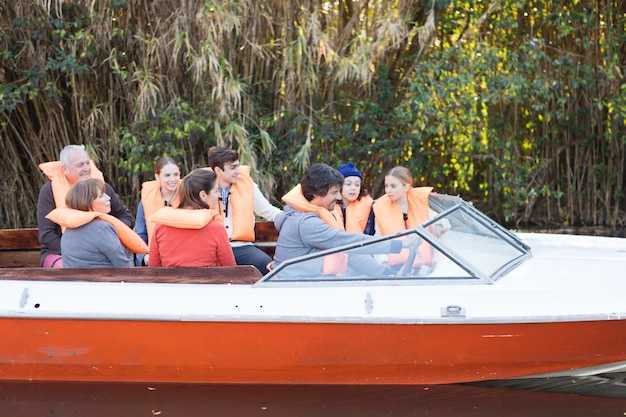 Rent the Boat, Own the Moment – Ultimate Guide to Boat Rentals">

Rent the boat today to lock in the best options and begin your trip with confidence. Modern booking systems connect you with trusted operators, making pricing, availability, and safety records transparent. Choose a wooden hull for classic charm or a high-performance fiberglass design for efficiency; both should come with preservation-minded maintenance logs so you know the craft stays reliable.
Know what you plan to do on the water–sailing, cruising, or fishing–and collect input from fellow boaters to fine-tune your choice, whether you plan a day trip or a weekend cruise. Look for vessels with strong wind handling, intuitive controls, and clear operation manuals. Even on breezy days, a well-balanced hull helps you move smoothly and safely. If you’ll move between coves or channels, confirm mooring options and check that the on-board systems include a reliable GPS and safety gear.
Safety and upkeep demand a practical approach: keep fuel and safety gear in check, verify insurance coverage, and review the skipper requirements. Preservation of the hull and rigging matters, and keeping the craft dry and clean prevents corrosion. Be aware of restrictions on animals aboard in some harbors; tiny creatures on shore can prompt different rules, so plan ahead because some marinas require quiet hours and leash rules.
To rent without stress, confirm a flexible cancellation policy and a detailed equipment list. Use filters to pick hull type, engine power, and cancellation terms. using reviews and direct operator responses help you compare handling, stability, and your needs for solo or family trips, which gets you through tight schedules.
With the right choice, you own the moment: step aboard, feel the wind, and set your pace for a memorable outing that respects your time and budget. The process keeps you aware today of options, and lets you share the experience with friends who ride along.
Practical Roadmap for Boat Rentals and Eco-friendly Charters
Book a reef-safe charter with a published waste policy and a clear commitment to preservation; this simple move reduces cigarette litter on board and protects on-water beauty.
If you travel with a group, define your group size and trip style, then rent a vessel that fits your needs and minimizes environmental impact; prefer more sustainable options such as electric or hybrid engines, and verify engine efficiency and waste handling during the charter.
Look for operators who are committed to transparency and acknowledge local culture and regulations; a short responsibility agreement helps ensure everyone understands rules and waste practices.
Move slowly near reefs, use established moorings instead of dragging anchors, and keep noise and wake to a minimum; reef-safe cleaning products on board reduce chemical runoff and protect habitats.
Plan provisioning to be sustainable, including farmed seafood from reputable sources, local produce, and packaging-free items; bring reusable water bottles and bags; discourage cigarette litter and single-use plastics.
After the trip, acknowledge results with the operator and share feedback; this will assist operators in improving ships and services, supporting a culture of responsible chartering and helping communities and reefs.
| Step | Action | Outcome |
|---|---|---|
| 1 | Define group size and boat type | Better fit, reduced wake, same comfort |
| 2 | Verify reef-safe policy and waste plan | Lower environmental risk |
| 3 | Pre-trip responsibility agreement | Clear expectations and responsibility |
| 4 | On-water practices | Preservation of reefs and habitats |
| 5 | Provisioning and waste strategies | More sustainable meals, reduced packaging |
Choosing the Right Boat Type for Your Trip
Choose a pontoon for travel with a group of 6–10 to enjoy stable lounging and easy boarding near bays. The wide deck, shaded seating, and forgiving handling make holidays comfortable for families and first-time skippers. Look for models with a sunshade, cooler space, and enough seating to avoid crowding; map your route to sheltered spots and follow buoys for safe navigation. As an example, plan a loop that stops at two or three bays for swimming and seafood tastings, keeping the pace relaxed and enjoyable.
If your plan centers on watersports, select a center-console or deck boat with a wide beam and a sturdy swim platform. These boats handle wake well, store wetsuits and gear neatly, and let you split time between tubing, snorkeling, and shore visits. If you believe in shared fun, try a watersport side by side with a friend. Leave a comment with your favorite spots and tips for beginners; sharing helps travel groups learn faster.
For overnight trips, a cabin cruiser or roomy sailboat lets you sleep aboard, cook meals, and ride out variable climate. These craft provide protection from wind and spray, ideal for holidays that stretch into multiple days. They also honor coastal heritage by letting you anchor near historic ports, and they support green practices on board–use reusables, avoid plastics, and pick up litter to protect the shoreline.
For fishing and coastal exploration, a sportsfisher or robust center-console with rod holders and ample deck space stays close to shore and helps you reach productive spots early. This option gives an absolute edge for anglers and explorers alike and pairs well with calm bays, scenic views, and the chance to sample seafood at a harbor restaurant.
To choose confidently, confirm the boat size, fuel type, and capacity before you sign. Check the weather and plan around climate and wind patterns; ensure safety gear is on board and accessible. Watch for lies in ads about speed or capacity; verify specs in the contract. Keep plastics off the deck, pick up litter, and treat the coast with care. Think about something practical you can do today to protect the coast, and you will be enjoying every moment of your holidays and travel, creating an excellent memory while honoring green practices and the environment.
Understanding Rates, Deposits, and Budgeting for Boat Rentals
Set a budget cap of 20% above the base daily rate to cover deposits, taxes, electricity, mooring, and holidays surcharges. This clear rule will help you compare options and stay in control as you book your sailboat adventure.
- Rates components: Base rate varies by sailboat type and size; for a sailboat under 35 ft, expect roughly $180–$450/day, while larger or premium models can reach $500–$900/day during holidays on popular routes to islands. Taxes and service fees usually add 6–12% depending on location.
- Crew and equipment: If you hire a skipper or crew, plan $150–$350/day on top of the base rate. Some fleets include safety gear and life jackets, while others charge separately for upgraded equipment.
- Mooring and marina: Mooring or marina fees run about $20–$60 per night in many destinations; in high-demand areas near busy islands, expect $70–$100 per night.
- Electricity and fuel: If charged separately, electricity can be $15–$60/day, and fuel for the auxiliary engine varies with itinerary. Some fleets bundle limited electricity into the base rate, which saves surprises.
- Provisioning and delivery: Provisioning services can be $50–$200, and delivery to an island or remote mooring may add $100–$300 depending on distance and timing.
- Deposits and payments: Most operators request a refundable security deposit of $500–$2,500, held as a card pre-authorization or cash; the amount depends on boat size and safety history. Payment terms commonly require 20–50% upfront, with the balance due before departure; confirm the exact schedule in the contract.
- Cancellation and refunds: Expect a tiered policy–full refund 30–60 days before departure, 50% refund 14–29 days, and limited refund within 14 days; some operators offer weather-related or force majeure waivers, but read the terms carefully.
- Hidden costs to watch: check for additional charges like dockage during special events, fuel surcharges, mandatory safety briefings, and kids’ safety gear rentals, which can affect the total budget.
- Define your scope: choose the general size of the sailboat and the route, then estimate the base rate and days of your trip.
- Forecast extras: add mooring, electricity, fuel, skipper if needed, provisioning, and any holiday surcharges tied to your dates.
- Sum and compare: include taxes, insurance or waivers, and the refundable deposit; compare itemized quotes from local operators to keep the footprint small and support the surrounding community.
- Plan ahead: if you can, lock in shoulder seasons to keep rates stable and there there is more flexibility in scheduling holidays and next trips.
There, with a clear plan, you can balance value and experience. When you choose a local operator, you connect with the surrounding culture and the oldest fleets, which often means smoother checks and better knowledge of islands, mooring spots, and general safety. This approach helps you keep your needs in focus, maintain pace with your group, and move forward with confidence as you compare what fits your budget and what delivers a memorable semiscrambled itinerary for your holidays.
Safety, Insurance, and Legal Requirements for Bareboat and Crewed Charters
For bareboat charters, require a licensed captain and a written policy naming your charter as insured, with hull and liability coverage plus environmental liability and a documented rescue plan. Verify the policy covers engine and systems, and includes tow assistance if weather shifts. Keep the certificate ready at check-in and review it with the local operator to align with marine park rules and reef regulations.
Safety gear and procedures: provide life jackets for every guest, a VHF radio, a working EPIRB, a fire extinguisher, a first-aid kit, and a camera to record reef-safe practices. Run a pre-departure check on the engine, bilge pumps, navigation gear, and safety systems to prevent surprises once you’re underway.
Crewed charters: ensure crew have valid licenses and clear duties; confirm the captain is experienced in the area and familiar with your route. Review rest hours, onboard safety drills, and maintenance logs for the engine and fuel systems. Ask about spare fuels arrangements and a plan for fueling within range to avoid delays.
Legal requirements: verify vessel registration and any charter permits needed; check local regulations for entering marine parks and following reef protections. Require a compliance check before departure and keep a simple log of routes, times, and incidents to stay aligned with authorities and your insurer.
Risk management and costs: negotiate terms that cover medical evacuation and third-party liability; confirm limits and exclusions, and ensure coverage includes environmental incidents. Use a practical crew program for emergencies, weather changes, and a safe return to port. Maintain a budget for fueling and plan fuels to keep the engine and systems balanced.
Practical tips on heritage and responsible boating: respect the heritage of sailing communities and choose operators that emphasize reef-safe anchoring, mooring buoys, and avoiding coral. Look for local programs that support marine conservation, carry reusable cups, and minimize waste. Spend time in local parks or harbors to connect with the crew and guests while keeping spent fuels in check and planning refueling to protect the reef for marine life and for guests to remember their charter forever.
Eco-friendly Charter Credentials: What to Look For
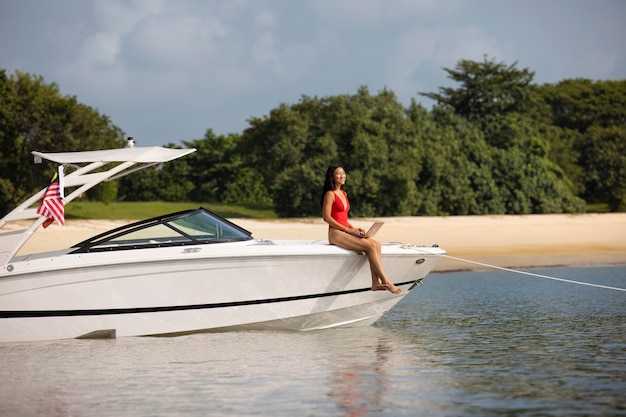
Choose a charter that publishes a transparent environmental policy with measurable targets and third-party verification, protecting oceans and shorelines.
What to inspect: waste practices, energy use, and mooring etiquette that safeguard parks and reef habitats; document how operators minimize spills and plastics, and how crews train to handle emergencies.
Ask for the number of guest-days and a breakdown per ships in the fleet, plus a dashboard showing fuel efficiency, propulsion choices, and remote route patterns.
Review onboard systems to ensure contain waste securely, minimize emissions, and direct greywater to approved treatment; look for low-emission engines, hybrid options, and shore-power connections in ports to reduce generator use.
Provisions should come from sustainable sources; products used on board should be from responsibly managed supply chains, with locally farmed ingredients when possible to support heritage and tiny economies.
Crew embraces ecological practices, from no-anchors in sensitive seabeds to responsible catches, and the experiences and stories shared with boaters to illustrate outcomes and lessons learned.
Getting ready for holidays requires asking before booking: what the crew would change, how they collect feedback, and what steps you can take to minimize waste and protect habitats.
Dreaming of eco-friendly holidays? An example itinerary shows how the crew embrace sustainable practices, use remote shore power, and tell stories about protecting habitats while you collect memories.
Onboard Experience: Packing, Etiquette, and Amenities

Pack a compact daypack with essential items only: a change of clothes, reef-safe sunscreen, a wide-brim hat, sunglasses, a dry bag, a lightweight rain jacket, și a reusable water bottle. A small pouch for toiletries and a compact towel keeps much space free for gear. This minimal setup lets you explorați among decks and waters, while keeping waste to a minimum.
Before departure, confirm the number of travelers and the boat layout with your host on boatsetter; this clear check avoids surprises and speeds travel planning. If you bring sporturi nautice gear, store it in a separate bag to prevent clutter; alternatively, consider renting on board if available.
Etiquette on board centers on safety and courtesy. Move carefully on stairs and decks; keep voices moderate after dark; wipe feet before entering cabins; return safety gear to its place. deșeuri goes in designated bins only, and compress recyclables to reduce volume. If you have a comment for the crew, say it politely and in real time; whether you travel solo or with a group, a calm tone smooths the trip.
Amenities and systems: most boats offer shaded seating, a compact galley, freshwater tanks, basic navigation systems, USB ports, and a simple cooling area. Look for solar or wind options to extend range without fuel use. In whitsunday waters, check for protected zones and obey restrictions to protect coral and wildlife. For sporturi nautice, arrange storage and put on life jackets before any activity; move the gear as a single load to keep deck space minimal. Cook with local produce când este posibil și mențineți plasticul la minimum pentru a respecta earth prin evitarea risipei.
Trip planning tips: impacheteaza-te usor, planuieste mese care refolosesc ingredientele si imparte echipamentul intre tourists pentru a reduce dezordinea. Împachetează diferite straturi pentru condiții și temperaturi ale apei variabile; o cârpă mică și un strat impermeabil compact pot face o mare diferență într-o zi cu vânt. Într-o trip rental through boatsetter, citește recenzii pentru a evalua modul în care echipajele gestionează educație în timpul călătoriilor și whether amenitile satisfac nevoile tale. Impacheteaz respect i un sim al aventurii; produce memories together pe când călătorești, explorați, și învață.
Planificarea Itinerariului, Vremea și Sfaturi Sezoniere pentru Închirieri
Recomandăm rezervarea unei închirieri de 3 zile cu o zi suplimentară pentru vreme, pentru a putea ajusta planurile dacă condițiile se schimbă.
- Durata planului și rutare
- Alegeți o buclă clasică care acoperă 2–3 porturi de ancorare; mențineți distanțele zilnice sub 4 ore pentru a economisi energie și a permite timp pentru golfuri mici și observarea faunei sălbatice.
- Pentru chiriașii cu copii, proiectați opriri mai scurte și pauze frecvente pe plajă pentru a vă menține confortabili și implicați.
- Include o pauză autentică pentru a explora cultura locală; distribuie activitățile pentru a evita oboseala și păstrează serile libere.
- Odată ce vremea te prinde pe nepregătite, bazează-te pe o zi meteo integrată pentru a rearanja programul și a rămâne în siguranță.
- Rutele se bazează pe fereastrele de maree și orarele marinei, cu flexibilitatea de a schimba porturile dacă este necesar; asigurați-vă că elementele metalice și echipamentul de siguranță sunt în stare bună înainte de plecare.
- Vremea și prognozele
- Verificați un izvor de încredere pentru prognoze și perspective privind vântul; alerte dependabile din birourile portuare adaugă un plus de siguranță.
- Purtați un kit compact de vreme și o lampă cu intensitate reglabilă pentru plecări matinale în dimineți cu vizibilitate redusă.
- Monitorizați starea mării, în special când planificați observații ale faunei sălbatice; ajustați planurile pentru a evita zonele agitate.
- Sfaturi sezoniere și siguranță
- Primăvara: vânturi mai blânde și zile mai lungi creează condiții excelente pentru explorarea diferitelor golfuri; purtați straturi și împachetați protecție solară.
- Vara: rezervați din timp în golfurile populare; plecați devreme și întoarceți-vă înainte de căldura maximă; hidratați-vă și protejați-vă de soare la bord.
- Toamna: vânturile se schimbă spre rafală mai puternică; alegeți rute protejate și porturi mai mari pentru opriri mai sigure.
- Iarnă: punțile rămân alunecoase când sunt ude; mențineți tracțiunea și îmbrăcămintea caldă; impuneți interzicerea fumatului și depozitați gunoiul corespunzător.