


 Română
  English (UK)
  Русский
  العربية
  日本語
日本語  한국어
한국어  Magyar
  Türkçe
  Español
  Čeština
  Svenska
  Português
  Ελληνικά
  Suomi
Suomi  Nederlands
  Italiano
  Français
  Polski
  Українська
  Deutsch
  简体中文
简体中文  Slovenčina
 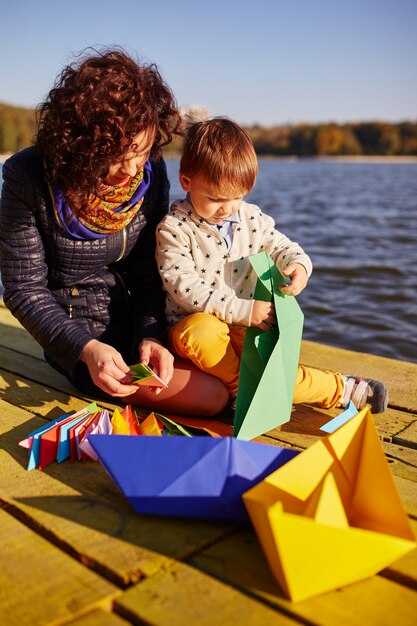 Planning Your First Big Sailing Trip with Kids – A Practical Guide">

Începe cu un plan concret: alege o etapă de testare de 2-4 zile în apropierea unor ape adăpostite, ideal în jurul unei insule. Alege un velier fiabil cu o cabină confortabilă și trasează un ritm zilnic care să includă o pauză scurtă pentru gustări și odihnă, precum și o marjă de siguranță pentru condițiile meteo.
Creează o listă de sarcini partajată: sarcini precum verificări de siguranță, aprovizionare, stabilirea rutei, ture de gardă și monitorizarea condițiilor meteo. Pentru mine, păstrează o listă de verificare printată și o copie digitală pe care să o putem edita împreună și atribuie unui alt membru al familiei un rol rotativ pentru a contribui, astfel încât munca să fie distribuită.
Siguranța pe primul loc: copiii echipați cu veste de salvare (PFD) de dimensiunea potrivită, cu sisteme de prindere când sunt pe punte și reguli clare despre unde se pot poziționa pe un velier. Exersează-ți calmul în timpul manevrelor și evită acțiunile riscante; implică pe toată lumea în exercițiile de siguranță pentru a menține o atmosferă calmă și concentrată, astfel încât cei de pe punte să se simtă încrezători.
Logistică și echipament: împachetează ușor, folosește echipament de bucătărie compact și planifică mese ușor de gătit pe un aragaz mic. Păstrați escalele pe insule scurte, astfel încât călătoria să fie ușor de gestionat pentru cei care nu au încă încredere pe apă.
Mentalitate și experiență: gândește-te cum vei decide când să scurtezi o cursă și cum îi vei menține pe cei implicați de partea ta. În timp ce navighezi, explică în mod constant indiciile meteo și notează ce funcționează bine pentru cei de la bord, ca să nu uiți elementele esențiale data viitoare când planifici.
Următorii pași: programați o cursă de probă ulterioară cu o altă etapă de 2 zile, extinzând treptat distanța pe măsură ce experiența crește. Documentați contribuția fiecărui copil, ajustați alocările de muncă și continuați să consolidați încrederea cu fiecare pauză și ancoră.
Planificare practică pentru o aventură cu velierul în familie, alături de copii
Recomandare: Pregătiți o trusă de siguranță compactă și testați veste de salvare la bord înainte de plecare, apoi faceți o primă etapă scurtă pentru a crește încrederea și a menține atenția tuturor asupra orizontului.
Motiv: Un plan realist cu etape accesibile copiilor reduce stresul, menține orele de navigare ușor de gestionat și oferă mai mult timp pentru explorare la țărm. Includeți navigări de două până la patru ore pe zi, cu o vizită pe uscat din când în când pentru a reîmprospăta energia și curiozitatea.
Apoi, implicați pe toată lumea în planificare. Dați copiilor o mică sarcină în fiecare zi, cum ar fi verificarea direcției vântului, trasarea unui traseu simplu pe o hartă sau notarea semnelor de geamandură. Acest lucru îi menține implicați, le îmbunătățește modul în care văd coasta și cerul și îi ajută să se simtă stăpâni pe aventură, fără teamă.
Înainte, măsurați traversările și alegeți golfuri adăpostite sau canale protejate în zilele mai calme. Evitați traversările lungi până când încrederea și toleranța la rău de mare cresc și țintiți aterizări pe timp de zi, astfel încât părinții să poată urmări următorul punct de referință și toată lumea să rămână calmă pe punte.
Nevoile diferite necesită o programare flexibilă. Pentru copiii mici care abia încep să meargă de-a bușilea și pentru cei energici, includeți joaca pe punte în rutină, aliniați orele de somn cu mări mai calme, împachetați mese scurte și nutritive și păstrați gustările la îndemână. Planificând în funcție de timp și apetit, vă simțiți mai stăpâni pe situație și toată lumea rămâne mai fericită pe parcursul orelor de navigare.
Fă alegeri inteligente: rezervă din timp locuri în marină sau opriri pe coastă, mai ales în sezonul de vârf; confirmă existența facilităților pentru copii și a unei zone de ancorare sigure. Adu mai multe veste de salvare în mărimile potrivite și verifică de două ori potrivirea cu un test rapid pe punte. Înainte de a pleca, verifică prognozele meteo și adaptează planul dacă acestea se schimbă, deoarece pregătirea de acum face călătoria mai lină mai departe.
| Item | Why it matters | Acțiune necesară |
|---|---|---|
| Trusă de siguranță + veste de salvare | Protejează pe toată lumea și permite un răspuns rapid | Inspectează dimensiunile, verifică potrivirea, ține la îndemână |
| Plan de navigație pe două zile | Ritmul realist pentru copii și reducerea oboselii | Ciorne scurte; permiteți opriri pe uscat. |
| Sarcini pentru copii | Crește implicarea și oferă o perspectivă largă. | Atribuie verificări ale vântului, hărți și jurnale. |
| Rezervări portuare | Previne stresul de ultim moment în porturile aglomerate. | Rezervă din timp; verifică facilitățile potrivite pentru familii |
Lucruri esențiale pentru copii: ce să luați în funcție de vârstă și etapa călătoriei
Alocă un intendente pentru ca fiecare copil să gestioneze o geantă de bagaje etichetată, cu lucruri esențiale. Pregătiți o geantă rezistentă la intemperii suit (straturi), o pălărie de soare, un strat de ploaie compact și un set de haine de schimb pentru fiecare copil; etichetați articolele și păstrați un kit de schimb rapid lângă zona echipajului, astfel încât să fiți pregătiți să vă adaptați într-o călătorie de coastă.
0–3 ani – Înainte de plecare: Pune ținute pentru 2-3 zile, un sac de dormit, scutece sau chiloți-scutece, șervețele umede, cremă pentru iritații și o mică trusă de toaletă. Include o pătură familiară sau o jucărie de pluș pentru a-i ajuta să doarmă în timpul călătoriei; adaugă fructe pentru energie rapidă și o veioză compactă. Păstrează un schimb de haine într-un buzunar ușor accesibil și un card mic cu numere de urgență pentru părinți și echipaj.
0–3 ani – În timpul călătoriei: Folosește un săculeț etichetat pentru scutece, șervețele umede, un schimb de haine, suzetă sau inel de dentiție, o jucărie mică și o sticlă de apă. Păstrează-ți calmul în timp ce barca se balansează, în timp ce tu și echipajul ajustați programările. Nu uita să păstrezi obiectele esențiale la îndemână; nu te poți baza pe o singură geantă pentru tot.
4–7 ani – Înainte de plecare: Creează un kit scurt de aventură: un rucsac mic pentru activități aventuroase, o lanternă compactă, un caiet, o sticlă de apă, cremă de protecție solară și o pălărie. Include 2-3 zile de ținute, șosete de rezervă și câteva fructe sau gustări. Folosește țesături durabile, lavabile la mașină; implică copilul în alegerea articolelor, astfel încât părinții și copilul să împartă responsabilitatea. O listă de verificare scurtă ajută la găsirea rapidă a articolelor și reduce dezordinea.
4–7 ani – În timpul călătoriei: Menține o rutină simplă; pune un schimb de haine în buzunarul cabinei și un kit mic de activități – colorat, abțibilduri sau o hartă. O lanternă frontală prinsă de cămașa lor ajută când se deplasează noaptea pe punte; depozitează opțiuni de liniștire pentru a preveni suprastimularea. Dacă o altă familie este în apropiere, puteți face schimb de idei pentru mese și gustări; acest lucru menține echipajul mulțumit și activ pe parcursul zilei.
8–12 ani – Înainte de plecare: Încurajează independența: împachetează responsabilitatea cu un kit de îngrijire personală, un mini kit de prim ajutor (bandaje, șervețele antiseptice) și un card mic cu reguli. Include o carte de citit, o penar, opțiuni de gustări sănătoase și o selecție de fructe. Permite copiilor mai mari să aleagă obiecte pentru propriul sac de transport pentru a consolida sentimentul de proprietate; acest lucru ajută să se asigure că găsesc rapid ceea ce au nevoie.
8–12 ani – În timpul călătoriei: Asigură o listă de verificare adaptată copiilor și o geantă mică pentru necesitățile zilnice; o lanternă frontală sau una compactă, gustări cu fructe, un jurnal de călătorie și o cameră foto, dacă este permis. Produsele de igienă trebuie să fie de dimensiuni de călătorie și învață-i să gestioneze gunoiul și rufele; amintește-le să vorbească încet pe punte, pentru a nu deranja ceilalți oaspeți sau echipajul.
13+ ani – Înainte de plecare: Încurajează copiii mai mari și adolescenții aventuroși să-și facă propriul kit, care să includă un dispozitiv ușor, încărcător, căști și un sac de intimitate. Ar trebui să aibă la ei o sticlă personală de apă, cremă de protecție solară și un kit compact de dormit; folosiți o regulă simplă de spălătorie pentru a spăla articolele la bord; etichetați clar încărcătura și păstrați un set de rezervă într-o geantă comună. Ești pregătit să gestionezi următoarea etapă cu încredere și să trăiești povești din călătorie ca amintiri.
13+ years – During voyage: Set expectations: teens can manage checklists, locate items quickly, and contribute to the maintenance. If they need to sleep in a different space, a small headlamp helps orientation. Keep a calm dialogue with the crew, and use the chance to understand their comfort and privacy needs; finding solutions strengthens confidence on the journey.
Charter Prep: Clothing, Footwear, and Layering for Sea Conditions
Start with a three-layer system: a base layer to stay dry, a mid-layer for warmth, and a waterproof outer shell to protect against spray. Pack a compact spare rope in a dry bag at the cockpit locker so hands stay free when you move between lines and rails. This setup helps the whole group stay comfortable from dawn to dusk.
Base layers should be moisture-wicking and quick-drying. Choose merino wool or high-quality synthetics rather than cotton. For summer days, aim for 150–180 g/m2; in cooler stretches, 200–260 g/m2 provides reliable warmth while drying quickly after rinses or spray. If you began the day with sun, a lightweight long-sleeve option can protect arms without overheating.
Mid-layers offer adaptable warmth. A 200–300 g fleece or a light synthetic puff balances loft and breathability, so you can easily adjust as breeze shifts. Simply zip in and out without fuss, and keep a couple of solid options so both adults and kids stay comfortable as the forecast changes. A sublayer that moves with you saves effort on deck when trimming sails or tying moorings.
Outer shells should be waterproof and breathable with sealed seams. Look for 10,000–20,000 mm hydrostatic head and a MVTR of 10,000–15,000 g/m2/24h for dependable rain and spray protection without overheating. Choose jackets with adjustable hoods, cuffs, and a vented back panel for airflow. An attractive, well-fitted shell makes a big difference in staying active and dry while you anchor, reef, or maneuver around tight spaces with rope arcs and halyards.
Footwear matters as much as any layer. Pick deck shoes or sandals with non-marking, grippy soles and closed toes for safety. In rough seas, a short pair of waterproof boots adds traction and keeps feet warm. For hot summer days, breathable water shoes can work, as long as they stay securely on during heel-toe movements on a pitching deck. Stock two pairs per person: one dry pair and one wet pair, and add moisture-wicking socks (synthetic or merino) to prevent blisters and keep feet comfortable on long passages. Brand options like mahina or arcona offer reliable grip and fit for sailors who value performance on deck.
Accessories round out the system. A sun-safe hat and sunglasses stay in place on a windy day, while thin, windproof gloves help when handling lines or fenders. If you’re chartering a small crew and plan to sail in cooler mornings, include a lightweight beanie that fits under a hood. For the boat’s setup, keep a few spare caps or bands labeled with clear colors, so kids can identify their gear quickly and stay engaged with the voyage–seeing everyone move confidently with their own kit boosts morale.
For kids and the group dynamic, plan ahead to reduce stress. Assign a color-coded set of layers for each person, and keep a couple of extra outfits in a dry bag near the helm. Names on bags, like agnes and adamastor, help little sailors stay with their gear. When a crew member feels happy and prepared, they contribute more to the day’s tasks and decisions. A steady, thoughtful approach makes the optimist-fleet feel safer, and both adults and children reach the end of the day with clear, comfortable outfitting that supports movement and alertness.
Finally, rehearse the routine before departure. Check the forecast, decide who wears what, and practice quick changes in the cockpit or salon so you don’t waste travel time. Remember to store a light, packable layer for summer heat and a warmer option for chilly breeze. If crews switch boats–say between agnes, lara, or arcona models–the same layering principle holds, keeping everyone happy and ready for the next sail.
Deck Safety and Supervision: Life Jackets, Harnesses, and Daily Safety Routines
Recommendation: Always have everyone aboard wear a properly fitted life jacket when the boat is moving, and attach a harness to a jackline whenever you are near the rails. This real, practical habit reduces the risk of a fall and enables a quick response if something goes wrong.
As asked by many families, this plan writes clear steps for fit and use. Choose Coast Guard–approved PFDs sized to weight and chest measurement; the straps should be snug and adjustable, with a crotch strap for babies and toddlers to prevent ride-up. Test each jacket in shallow water before you depart, and ensure it stays in place when the wearer moves. On longer passages, Type II or III on deck provide buoyancy and mobility, while Type I is preferred for offshore passages if conditions worsen. Keep spare PFDs on hand for guests and new crew.
Harness use: Attach kids to a jackline when moving aboard; clips should be secured to rated points. Inspect straps and buckles weekly and replace frayed parts immediately. Leave gear stowed when not in use and keep the left side of the deck clear of lines and toys to prevent trips. Baby-proof locks on cabinets and hatch covers help keep little hands safe, and harnesses should be checked for proper fit every morning.
Daily safety routines: Start each day with a quick safety check – verify PFDs, harnesses, and jacklines are in good condition, and confirm hatches are secure. Create a buddy system so no one sails alone; rotate supervising duties every hour to stay alert. Minimize advertisement distractions on deck to keep focus on safety; involve kids in simple tasks like tying knots or checking straps to spark curiosity. Tips: keep a small spare kit of PFD parts, and practice a two-minute man overboard drill so responses stay fast. This approach has great benefits, especially for families who go longer distances along the coast, and it literally keeps everyone focused on safety; everyones aboard will sleep better with consistent routines.
In december, daylight wanes and weather can shift quickly. Plan shorter passages, frequent stops, and more supervision during late afternoons. The strategy yields real benefits: faster reactions, calmer crews, and longer, happier days aboard. Keep the habit along and you will see better outcomes for all aboard.
Entertainment at Sea: Structured Activities to Engage Toddlers and Preschoolers
Set a four-block daily plan to keep looking ahead and maintain energy. Each block lasts 12-15 minutes with 2 minutes for transitions. Start with a brief welcome chat before the first block to set tone, then move smoothly between activities to support focus and fun.
Jessica began with this approach and quickly saw that kids love predictable timing, simple choices, and the chance to contribute ideas. Keep lifejackets strapped and ready for any deck activity, and position the activity area near the head or stern so supervising adults can see everyone clearly.
-
Block 1 – Story time with books: choose 2 short sea-themed picture books and read aloud for 6-8 minutes. Prompt questions like “What color is the boat?” and “Where is the wave going?” to boost talking and listening. Sit together on a small mat in a safe area, with lifejackets nearby for quick access if needed.
-
Block 2 – Craft and ship shapes: use laminated sheets and waterproof markers or magnetic shapes to build a tiny boat collage. Include 4 shapes (circle, square, triangle, rectangle) and let kids decide layout. This group activity fosters collaboration and helps everyone feel involved.
-
Block 3 – On-deck movement games: a quick “steer the boat” relay where little ones walk from bow to stern and back, following simple commands. Keep transitions fast, use a light rope as guide, and remind kids to keep feet on the deck and hands off rails unless supervised.
-
Block 4 – Quiet reading or puzzle corner: finish with a calm moment–puzzle mats, soft books, or a small sea-themed puzzle. If a child began to lose focus, switch to a shorter option and invite a parent to read aloud a favorite page.
Tips to keep everyone engaged: use a simple cue signal for transitions, like a whistle or clap, and offer a quick choice: “Would you like story time or a craft next?” Build in a moment for talk about what they loved and what they want to try tomorrow, so everyones voice is heard and valued.
- Safety first: lifejackets on during any movement area, fastenings checked, straps snug, and supervision close at head and stern zones.
- Planning: arrive with a small kit that includes books, laminated craft sheets, markers, magnets, and a few simple props, then rotate items to keep interest high.
- Involvement: invite kids to pick the next block’s theme and let them talk about boats, waves, or colors; encourage them to contribute ideas and lead brief routines.
- Resources: check websites for fresh, age-appropriate activities and adapt ideas to your boat’s space and weather constraints.
- Logistics: position the area away from crowded rails, keep the four blocks in mind, and begin with a quick safety check each day before arriving on deck.
To keep the plan moving, set a first block objective, monitor quickness of transitions, and adjust the pace based on mood. The approach helps everyone feel included, builds confidence for little ones, and turns entertainment into a shared family routine during the voyage.
Simple Cruising Strategies: Short Hops, Clear Routines, and Shore Time
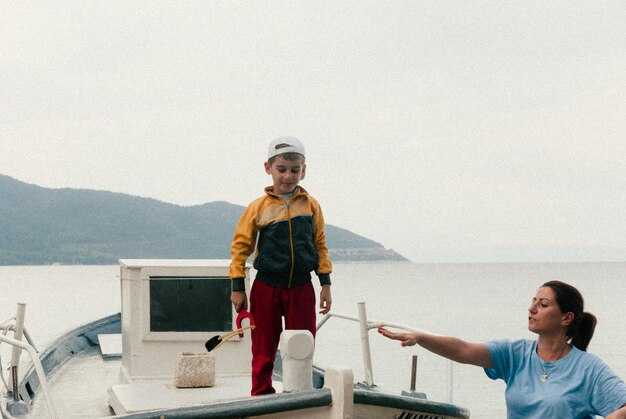
Plan short hops of 2–4 hours between sheltered anchorages, aiming to reach a marina or calm place before lunch. Choose days with steady wind around 8–12 knots and small waves, and stay off fast routes whenever possible. If a crossing looks rough, shorten the leg and reposition toward a nearby cove while you regroup.
Create a simple, repeatable routine you can follow every day: pre-check weather and tide, secure the lifejacket for kids, check the line and winch, include a quick snack, and assign a small task to each traveller. Use this structure whilst underway to reduce surprises and to let the kids feel secure.
Build shore time into each leg: plan 1–2 hours on land for a walk, a playground visit, or a quick shore-cleanup. This helps childrens needs by giving them space to move, observe kinds of sea life, and simply be in a different place.
Gear check: ensure lifejacket fits everyone, keep a spare on deck, and attach a durable line for docking. If you bought a mahina lifejacket or other gear, verify fit before departure and test it in the marina’s calm water.
Travelling with kids means packing compact activities: a few small books, chalk, cards, and a nature guide. Bring books for calm moments and the occasional fish-spotting page. On calm days you can literally sit with the kids watching waves and the ocean, sometimes spotting dolphins at a distance.
On marina days, plan for hydrated water, snacks, and a shaded rest area. Use a simple checklist to confirm water, electricity, and waste stations are available. Keep a light bag with essentials to avoid overpacking. This plan meant to reduce stress by keeping kids engaged.
This approach will make travelling with kids smoother and lets you become more confident at sea. Keep notes in a small log and gradually adjust hops as the crew grows. This plan will allow you to adjust hops as needed.