


 Română
  English (UK)
  Русский
  العربية
  日本語
日本語  한국어
한국어  Magyar
  Türkçe
  Español
  Čeština
  Svenska
  Português
  Ελληνικά
  Suomi
Suomi  Nederlands
  Italiano
  Français
  Polski
  Українська
  Deutsch
  简体中文
简体中文  Slovenčina
 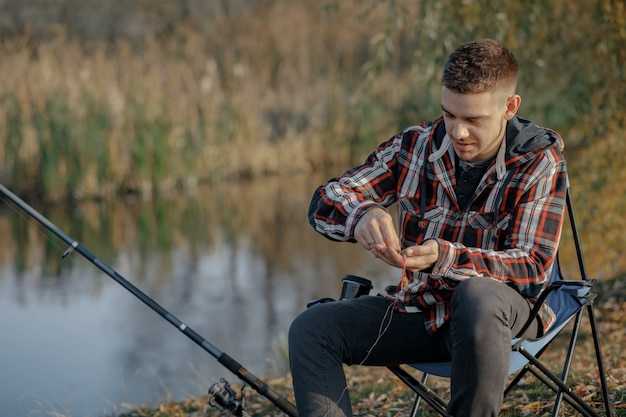 Phil’s Top 10 Bass Fishing Myths – Debunked and Explained">

Recommendation: If you want consistent results, start every trip with one dovedit setup and keep a simple log to test myths, because data beats guesswork. Use a 7-foot medium-heavy rod, 15–25 lb fluorocarbon line with a 2–4 ft leader to manage length, and fish a 3/8 oz jig or spinnerbait. This baseline helps you compare what works and what doesn’t across trips.
Myth 1: Bass only bite at sunrise. Reality: in florida and beyond, bites spread across the day; in florida, post-spawn bays often show activity from late morning to early afternoon as water warms. Expect top bites around 10:30–13:00; use shallow-running baits near grass lines and docks, and reel with a steady cadence, pausing briefly to imitate prey. If you spent years chasing early light, test a midday pattern and take notes; you’ll find more opportunities.
Myth 2: Color is everything. Reality: water clarity matters, but your presentation often wins. Use matches to water color with two patterns per bait and switch after 10–15 casts if no bites. In clear water, natural patterns outperform flashy hues; in stained water, brighter options help, but cadence and depth are decisive. Present the lure presented near structure–the weed edges, docks, and laydowns you actually fish–and remember that scent can help when used in moderation while using two baits effectively, you often see more hits.
Myth 3: Longer lines or bigger reels automatically produce longer casts. Truth: accuracy, depth control, and timely retrieves win more often. For most methods, a 6.5–7.1:1 reel with 12–20 lb lines works; keep a short leader (2–4 ft) to improve feel and keep hooks sharp. In heavy cover, braid improves sensitivity but pair with a fluorocarbon leader to protect against snags. If you physically feel resistance, you adjust your reel speed and line pull; since you want consistent results, practice precision casts around cover and re-tie after every fish.
Once you apply this approach, everyone can test claims on the water; over the year you spent on the lake, for every outing you’ll see patterns that myths cannot explain. Keep your notes, take photos of covers and structure, and iterate to refine your understanding of what works where you have fished most.
11 Bass Only Eat in the Morning and Evening
Recommendation: Don’t assume bass only eat at dawn or dusk; experienced anglers target daytime bites by attention to temperature, light, and cover, then adjust gear accordingly. If you fished this pattern before, you’ll notice more opportunities beyond morning and evening.
Water temps around 60–75 degrees Fahrenheit support frequent bites, with morning and late-afternoon peaks common. In the spawn period, bass move to shallows for several weeks, but they also feed along weed edges, drop-offs, and points during the day. In Texas reservoirs, forage shifts with sun and wind, so patterns vary across lakes; start with structures near shorelines and follow the thermals as the week advances. A good rod and line setup is often needed to stay connected with deeper feeders when the sun rises, and bites can be very aggressive when you locate the right depth and cover.
Myth busting: daytime feeding exists in portions of the day and depends on weather, pressure, and light. If the water is clear and the sun high, bass may hold deeper or suspend; if it’s cloudy or windy, they come shallow and bite near cover. Attention to water clarity will guide you to the right target–weed edges, docks, and drop-offs–regardless of time. Removal of a stuck lure quickly helps keep you in the action and reduces fatigue on fish.
Tactics that work across dayparts: pick baits that cover depth and movement. In mornings, fish often prefer tight to cover along edges; in afternoons, switch to moving baits that cover water quickly. Use a 1/2–3/4 oz lipless crank or a 3–4 inch swimbait; travel with wind to maintain presentation. Begin around weed lines at 2–6 feet, adjust to 6–12 feet as water warms.
This is amazing because partially shaded pockets respond to what is presented; anything that imitates a fleeing baitfish with a natural pause will trigger bites. Try slow-rolled swimbaits or small crankbaits near the ends of weed lines; present a natural action and a pause to trigger a strike.
Positioning matters: start at the foot of a point or the edge of a weed line; hold the bait on structure transitions where fish feed. In several large bodies, aim for 8–15 feet depth early and drop to 4–8 feet late morning as sun climbs; track degrees of sunlight and adjust cadence accordingly.
During the post-spawn weeks, feeding can stay strong; adapt by increasing speed after water warms past 70 degrees. If a lake started the season with stocking events, you may see aggressive topwater bites in the morning, then midday schooling remains strong through the week.
Keep a simple log of degrees, times, and results to sharpen the pattern over the week; almost every day you can verify patterns by varying times, baits, and depths rather than sticking to morning and evening only, and this approach is better for adapting to changing fronts.
What triggers daytime bass feeding: temperature, light, and oxygen levels
Start by targeting shallow zones when surface water sits around 60–75°F; these temperatures push bass into the first 3–6 feet where prey concentrates and light warms the water. In todays lakes, daily variations shift where these pockets form, so take readings at several bays and note which areas light up first. These things guide your plan: use a quick handheld thermometer to map the warm spots near weedlines, docks, and shorelines, then stay with the coverage the fish show.
Light and oxygen set the tempo: whenever sun climbs, bass gather on sunlit edges where warm pockets form and baitfish move along weedlines and shallow points, especially on clear days. Light penetration varies with water clarity; as shown by sonar coverage, keep depth in the lit layer and adjust your lure depth accordingly. In clear water you can fish shallower earlier; in stained water, stay in that lit band a bit deeper. Oxygen levels rise with wind mixing and current, expanding feeding windows near inlets, inflows, and aerated zones; these pockets are prime for a quick strike. If your lake has aeration systems, they boost oxygen right here and can extend the feeding time.
Practical moves: casting to weedlines, drop-offs, and baitfish schools; use swimming baits and shallow-running lures to keep constant coverage. Start with smaller profiles and be ready to swap to a single larger bait if activity spikes. As the season progresses, baitfish grow, so adjust depth and lure size to keep up. Physically move with the fish and cast with a steady cadence; when the bite slows, move to deeper water and target the thermocline or oxygen-rich channels, which can become a reliable daytime pattern as the day grows. Regarding lure choice, swimming baits and cranks that cover water quickly work well, but mix in slower presentations in calmer periods to coax bites from less aggressive fish; sometimes a subtle, smaller lure triggers more bites than a loud plug. Without hesitation, keep the cadence steady and take advantage of these conditions.
Daylight myths vs reality: dawn/dusk advantage isn’t universal
Begin with a simple, actionable plan: track bite windows across three key periods and store results in a small log. Todays field tests show that dawn and dusk can help on some lakes, but they do not guarantee success every week or on every structure. Conducted over a week around different banks and weedlines, patterns shift with fronts, wind, and water coloring. Theyll respond to changing conditions, so stay flexible.
Myth vs reality:
- The myth that dawn and dusk are always the best times. Reality: Local conditions drive the bite. On some lakes, shallow edges and weedlines bite best at first light; on others, a late push along drop-offs or channel banks yields the most action. Clarity and temperature shape the window for each structure and bank.
- The myth that you must fish fast to connect at those hours. Reality: A well timed presentation with a balanced cadence near structures and cover often delivers more hits. Start with a steady retrieve and adjust speed as the color of the water changes.
- The myth that the dawn/dusk window lasts all week. Reality: Fronts and wind shifts compress or extend bite windows. Track the causes week by week and adapt around each lake’s pattern.
- The myth that banks are the only productive spots at dawn/dusk. Reality: Docks, weedlines, points, and ledges each offer chances; match your matches to the day and the bank you fish, and stay ready to move.
- In mixed lakes with muskies, timing can shift. If muskies share the water, tweak your hooks and lures and target different structures; the logic of presentation and depth still guides bass bites.
Practical takeaways for todays plan: use a flexible presentation that can be adjusted on the bank or boat. Color your lure to water coloring; in clear water use natural coloring, in stained water go brighter to improve visibility. Keep hooks sharp and ready; store spare rigs in a compact storage system. Conduct quick tests around each structure–weedlines, drops, and channels–and log results to refine your approach. Around the best windows, begin with a light take and adjust as the fish commit. Each lake and lifetime of fishing becomes more predictable when you log results and fine tune your pattern.
How to spot mid-day bites: signs, depth, and structure cues
Start by using your sonar to locate bait clusters around key structure and then attack with smaller, fast swimbaits that match the prey around you.
Mid-day bites aren’t dramatic; they show as a quick line twitch, a brief bite after a pause, or a subtle change on the graph near a depth you’re scanning. If you notice these signs while running along a weed edge or drop, stay aggressive and make a second cast within 10 seconds.
Depth plan: clear-water days push fish shallow, 6–12 ft, near weed edges and points; stained water pushes to 12–20 ft, with careful checks on ledges and humps at 15–25 ft. When you see suspended targets around 8–14 ft, switch to a shallower presentation to pull a bite.
Structure cues: look for transition zones where weed lines drop into deeper water, brush piles placed near points, rock piles on bar edges, and timber near channel bends. These places concentrate prey and offer the best chances for a quick bite when the sun is high.
Tackle and lure strategy: the best is to keep two rigs ready–swimbaits for depth searching and a smaller finesse lure for probing around structure. Place one rig near the boat’s edge and the other toward the middle to cover both sides of a point. Keep high-quality tackle and swimbaits stored in a quick-access storage bag so you can swap fast as the bite changes. The system helps you stay on the bite even when action tightens around a corner or a shelf. Choose a color which resembles the local prey.
If you miss a bite, adjust depth by a step and switch to a color that matches local prey. Resume with a fast, tight retrieve and keep the rod tip high to feel subtle takes; they’ll come in if you stay proactive.
Împărtășește descoperirile cu comunitatea pescarilor și cu cercetătorii din domeniul pescăriilor; aceste informații de înaltă calitate ajută la protejarea zonei de pescuit și reducerea daunelor aduse stocurilor vulnerabile. Păstrând în vedere disciplina depozitării și practica uneltelor, menții resursa sănătoasă pentru sezoanele viitoare și pentru sportul pe care îl iubești.
Tactici sezoniere pentru oportunități de hrănire pe tot parcursul zilei
Începe cu un plan în trei zone: zonele de reproducere puțin adânci în zori primăvara, structuri de adâncime medie spre dimineață și acoperire profundă pe măsură ce ziua se stinge. Astfel, pescarul rămâne în contact cu mușcăturile dorite pe parcursul orelor și reduce oboseala căutării.
Primăvara pregătește bibanul pentru o mușcătură rapidă și puternică imediat după topirea gheții. Concentrați-vă pe adâncimi de 0-2 metri în jurul zonelor principale de reproducere în primele două ore de lumină; dacă depunerea icrelor este activă, pescuiți exclusiv în zonele de depunere cu momeli mici și rapide, cum ar fi jerkbait-uri sau swimbaits. Pe măsură ce soarele urcă, coborâți la 2-4 metri de-a lungul marginilor de vegetație și a rupturilor adiacente structurilor unde peștii se adună înainte/după depunere. Folosiți momeli de suprafață pentru a declanșa atacuri, apoi treceți la monturi drop-shot sau ned lângă zonele acoperite pentru hrănirea constantă de după depunere. Dacă există variații mari de la un lac la altul, adaptați adâncimea și cadența și păstrați o opțiune mai adâncă pregătită pentru orele târzii ale dimineții. De-a lungul anilor, studenții pescuitului au învățat că un plan flexibil bate o singură momeală de fiecare dată.
Vara solicită eficiență, temperaturile crescând și peștii retrăgându-se în zone mai reci. Vizați 1,8-6 m de-a lungul marginilor și punctelor cu vegetație unde termoclina concentrează viața; lucrați marginea cu prezentări rapide, acoperitoare. Crankbait-urile cu profil pătrat sau cele fără barbetă provoacă atacuri din reflex pe structuri dure de mică adâncime, în timp ce spinnerbait-urile și plasticele de adâncime medie rețin peștii de-a lungul liniilor de vegetație. Dacă localizați un banc, blocați-vă și rămâneți pe poziție, în loc să săriți între locuri; cele mai multe mușcături apar în intervale scurte, aproape de răsărit sau apus. Când căldura atinge apogeul, împingeți până la 6-9 m, pe cocoașe mai adânci sau curbe de canal lângă structuri majore. Pentru căutare, verificați mai multe structuri pe excursie și rafinați cu ajutorul electronicii. Amintiți-vă, alții pot urmări șalăii în aceleași locuri, așa că ajustați cadența pentru a menține bibanul concentrat fără a supra-eșantiona o singură caracteristică. Ani de note de teren arată că această abordare echilibrată oferă acțiune constantă fără echipament costisitor.
Toamna mută calendarul de hrănire către urmărirea bibanilor grași, de după depunere, care patrulează marginile structurilor. Începeți la 2,5–5 m pe vârfuri, praguri și unde ultima linie de vegetație se îngustează către o ruptură. Voblerele fără barbetă și cele cu zăngăneală atrag bancurile active; treceți la jiguri și spinnerbait-uri când peștii se strâng în zone mai acoperite sau fac tranziția către ape deschise. Cea mai bună activitate are loc în jurul zorilor și din nou aproape de amurg; folosiți un ritm care acoperă rapid apa, apoi încetiniți pentru a ținti buzunarele promițătoare. Așteptați-vă la pești mai mari pe structuri mai adânci pe măsură ce apa se răcește; păstrați o opțiune pentru ape adânci pregătită și adaptați-vă la acoperirea noroasă care schimbă fereastra de mușcătură. Adevărul este că țintirea flexibilă bate încăpățânarea; păstrați câteva lansete pregătite pentru schimbări rapide. Abordarea este bine dovedită de-a lungul anilor de excursii de ghidaj și rapoarte de pescuit.
Iarna îngustează fereastra și încetinește ritmul, dar mușcăturile ferme vin din ape mai adânci, lângă structuri. Concentrează-te pe adâncimi de 4,5-12 m cu lingurițe verticale, tube jigs și monturi drop-shot sensibile, care atârnă chiar deasupra fundului. Menține un ritm deliberat: simte jig-ul cum trage, apoi fă o pauză, apoi ridică-l pentru a verifica dacă ai mușcături. Structurile rămân ancora, așa că localizează grămezile de pietre, arbuștii și lemnul scufundat pe liniile de ruptură; pescarul ar trebui să folosească electronice pentru a confirma prezența peștilor și pentru a evita căutările nesfârșite. Orele de acțiune depind de vreme; planifică 2-3 ferestre solide în jurul prânzului în zilele senine, cu un plan de rezervă pentru perioadele noroase, care pot împinge mușcătura dimineața devreme sau după-amiaza târziu. Concluzia: fii răbdător, menține căutarea restrânsă în jurul structurilor cunoscute și adaptează-te la claritatea apei, după cum este necesar.
| Season | Interval de adâncime (ft) | <th Sfaturi rapide | |||
|---|---|---|---|---|---|
| Primăvara | zone de reproducere în zonele de apă mică, zone cu iarbă de baltă, canale de pârâu | topwater, drop-shot, ned rig, swimbaits | 0–12 | zoriile și dimineața târzie | pregătește două monturi; variază adâncimea după ce bate soarele; urmărește momentul de reproducere specific lacului. |
| Vara | margini cu vegetație acvatică, vârfuri, ridicături, lângă termoclină | squarebill-uri, crankbait-uri fără barbetă, spinnerbait-uri, plastice de adâncime medie | 6–30 | în decurs de 1–2 ore de la răsăritul și apusul soarelui | căutați structuri multiple pe călătorie; ajustați-vă la claritatea lacului; șalăii pot împărți adăpostul |
| Toamna | puncte, praguri, tranziții ale ultimei zone cu vegetație acvatică | lipless/crankbaits, jiguri, spinnerbaits | 8–20 | zori și amurg; variabil în funcție de vreme | acoperă apa, apoi rafinează; așteaptă-te la pești mai mari pe structuri mai adânci |
| Iarna | structuri profunde, grămezi de pietre, lemn scufundat | linguri verticale, linguri oscilante, drop-shot | 15–40 | ferestre scurte în jurul prânzului | folosește electronice pentru a localiza buzunarele; rămâi răbdător și precis |
Echipament, momeli și monturi pentru pescuitul la biban pe parcursul zilei
Începe cu o configurație versatilă, bună pentru o zi întreagă: o lansetă de 2,21 m, medium-heavy, o mulinetă rapidă de 7.5:1 și fir principal fluorocarbon de 5,4–6,8 kg cu backing din textil de 9–18 kg. Astfel poți face aruncări mai lungi și menține presiunea în timpul luptei cu peștele. Pentru șalău american lângă structuri, leagă un jig de 10,6 g cu o remorcă craw; pentru apă mai adâncă, treci la un jig football de 14,1 g pentru a ajunge repede la fund. Acest articol trece direct la țintă în privința echipamentului performant pentru pescuitul de toată ziua.
Odată cu începerea zilei, la prima lumină, începe cu un popper de suprafață sau cu o vobleră squarebill care creează un flash rapid pentru a atrage un pește din ascunzătoare. Lansează în jurul structurilor, apoi fă o pauză și smucește; prima mușcătură duce adesea la o luptă rapidă. Pe măsură ce apa ajunge în intervalul 15–18 grade Celsius, treci la o vobleră lipless sau la un chatterbait pentru a localiza peștii activi și a acoperi o suprafață mai mare. Vizează atât bibanul cu gură mare, cât și cel pătat, de-a lungul marginilor cu vegetație și în jurul docurilor din apropierea zonei pe care ai scanat-o anterior.
La amiază și după-amiaza e nevoie de prezentări mai deliberate. Încearcă un drop-shot cu o momeală mică de finețe pentru a o menține în coloana de mijloc lângă structură; un Ned rig funcționează, de asemenea, pentru bibani mai mici în zone acoperite strânse. Pentru ape mai adânci sau vegetație densă, un Carolina sau Texas rig poate menține contactul cu fundul. Dacă vegetația se îngroașă, folosește o abordare de îndepărtare a buruienilor cu un punching rig pentru a rămâne în inima stratului sau la margine. Când apare o mușcătură, vor răspunde la cadență și ar trebui să ridici rapid lanseta pentru a fixa. Treci la următoarea spărtură și lansează din nou pentru a menține presiunea asupra peștelui.
După apariție sau în perioadele post-reproducere, adaptează-te la istoricul de populare și la mixul genetic al lacului. Folosește un swimbait sclipitor sau un jig care se ridică rapid pentru a provoca mușcături de pe malurile mai adânci, mai ales în apropierea vegetației mai întunecate. Deoarece soarele se schimbă, revino la aruncări mai lungi spre următorul punct luminat de soare. Dacă mușcătura încetinește, schimbă culoarea și viteza pentru a menține angajamentul; schimbările de lumină și vânt necesită o citire și ajustare constantă, altfel riști să pierzi momentul.