


 Română
  English (UK)
  Русский
  العربية
  日本語
日本語  한국어
한국어  Magyar
  Türkçe
  Español
  Čeština
  Svenska
  Português
  Ελληνικά
  Suomi
Suomi  Nederlands
  Italiano
  Français
  Polski
  Українська
  Deutsch
  简体中文
简体中文  Slovenčina
 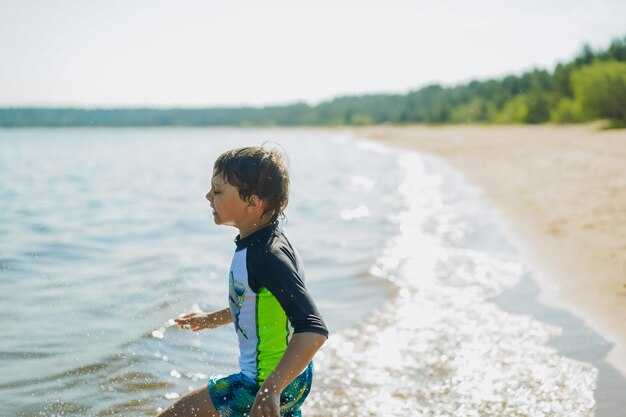 Ocean Safety Tips for Children, Teens, and Adults">

Always supervise children within arm’s reach when near water. This adds a protective layer that relates to most incidents and weather shifts, including winds and movement along shorelines. Read the following precautions before any outing: set simple rules, Only carry essential gear, keep a life jacket handy for non-swimmers, and carry a small detector for signaling in crowded areas.
Children stay within arm’s reach and wear a life jacket when near water; parents enforce simple practices like buddy checks and pause rules. Teens benefit from a buddy system, defined limits on distance, and training on how to read currents and winds. Adults should monitor fatigue, dehydration symptoms, and movement in the group during any outing, with a quick plan for quick help.
Read weather forecasts and water conditions before entering the water. Recognize warning signals: shivering, numb fingers, dizziness, or confusion are symptoms that require moving to shore. If someone shows these signs, apply shade and hydration and seek help if needed. The need to act quickly reduces risk.
Equipment checklist: every person wears a life jacket for water activity, straps snug, and gear tested before entry. Note the estimated return time when you start from a port or dock, and plan a calm-water route. Have a compact first aid kit, sun protection, and a detector for emergencies; follow these precautions to keep everyone safe.
The following steps help you stay prepared: check winds, pick calm areas for beginners, and keep a phone or radio accessible. All members should know how to contact local lifeguards or port authorities if someone struggles in the water. Read these tips, practice them with family, and share them with friends.
Weather-Related Hazards
Seek shelter on land and away from open water at the first sign of lightning or strong winds. Weather forecasts at local centers predict rapid changes along coastlines, and remaining in the water during a warning presents a clear risk to swimming safety for all ages, with signs easily interpreted on beach boards.
Rough seas, gusty winds, and rip currents can appear quickly. Before any water-based activity, check forecasts and follow warnings. The situation presents predictable cues that guide action, allowing quick decisions. Beaches designed with clear lifeguard zones and posted flags provide reliable guidance. If a current pulls you away, stay calm, switch to plan B, and swim parallel to shore to break the pull; lower your center of gravity by bending knees to stay stable, using buoyancy to help stay afloat and protect your arms.
Low visibility due to fog, rain, or spray makes it harder to spot shore, other swimmers, or hazards, and conditions can be easily worsened by wind. Always plan a visible entry and exit, and stay within zones where lifeguards are stationed. In limited visibility conditions, prefer swimming with a buddy and keep lines of sight open, allowing you to react quickly; if you lose sight of shore, switch to a land-based activity and avoid venturing farther.
Algae blooms and pollution present additional hazards. Algae can reduce buoyancy near the surface and cause skin irritation or eye irritation if touched; avoid water with visible film or strong odor. Pollution, including oil sheen and sewage discharge, can irritate skin and lungs and complicate rescue. Stay out of water where algae appear thick or the surface feels slick, and always rinse after exposure. If forecasts indicate a bloom, choose land-based activities until conditions improve; being prepared to relocate reduces risk.
Legal requirements may mandate life jackets for children in certain zones. Wear the right gear and inspect the safety mechanism on flotation devices before entering water; ensure buckles and straps function properly, and keep arms inside rather than extending into gear lines. Choose a device designed for your weight and activity level, and replace worn parts immediately. If you cannot get a proper fit, postpone water activity.
Be prepared with a lightweight waterproof bag for a phone, a whistle, and a plan to meet at a safe point if conditions worsen. Check forecasts again during breaks and before re-entering the water, and always follow posted warnings or guidance from lifeguards. prepared individuals reduce risk and make ocean safety a shared responsibility for children, teens, and adults alike.
How to Identify Weather Changes That Affect Swimming Safety
Do a pre-departure weather check using reliable devices and logs, and head to safety if forecasts show thunderstorms or high winds.
Watch natural signals in the sky: darkening clouds, a rapid drop in temperature, distant thunder, and sun rays breaking through as gaps in the clouds widen.
Track changes in winds and water states: gusts that rise quickly create whitecaps and choppy water; if conditions worsen, do not enter the water, and limit play near the edge.
Rely on systems like local weather alerts, marine radios, and app alerts to catch warnings early.
In cases of approaching storms, pause activities, move to shore, and follow lifesaving guidance; in situations like lightning, exit the water.
Near lakes or beaches, watch for signals such as lightning, increasing winds, and changing currents; jump out immediately if you see one, unless you have a safe shore within reach.
Keep logs of what you observe and underline patterns you notice over time; this helps tailor pre-departure plans for family trips and school activities.
Being prepared means you perform quick checks, discuss plans with peers, and advises caregivers on when to leave the water for safety.
If weather shifts, delay swims until signals confirm safety, and always have a plan for lifesaving help.
What to Do If Caught in a Rip Current During Windy Conditions
Float and conserve energy until the current eases, then swim parallel to the shore to reach safety.
In windy water, this activity requires clear, practiced steps. The guide advises staying calm and using core practices to exit safely. American beaches operate under a system of procedures for rip current responses, and knowing how to determine the best exit path helps swimmers and families stay safe. Be mindful of creatures and hazards in the water that could complicate an exit. Wind shifts can make the exit path potentially longer, so act early.
- Stay calm, float, or gently tread water; this is one of the core practices to conserve energy when wind increases the water’s motion.
- Do not swim straight against the current. Determine an exit by swimming parallel to the coastline until you break free from the rip, then angle toward the shore in a safe direction.
- Track your distance from shore using landmarks and the area you entered; this helps you know when you can safely return to water.
- Wear a life jacket or personal flotation device if available; avoiding bulky clothing helps you stay buoyant and reduces fatigue.
- Be mindful of clothing choices and gear; light, quick-drying clothing is preferable, and remove heavy items that can weigh you down.
- Watch for changes in direction due to wind; early recognition lets you adjust your exit plan rather than fighting to reach the beach straight on.
- Involve others in your group; designate a leader, keep swimmers together, and teach the steps you know for a safe exit.
- The procedures taught by lifeguards emphasize safe conduct and indicate when to signal for help or move toward safer water.
- On reaching shore, check for cramps or injuries to body parts and change into dry clothing to prevent hypothermia in windy weather.
- If you cannot reach shore, float with the current and look for a safer exit point or wait for assistance from trained personnel.
american lifeguards and safety personnel regularly track current conditions and advise beaches on where to find marked exits, so follow posted signs and stay within sight of supervisors whenever possible.
Lightning Safety Near Shore: When to Seek Shelter
Seek shelter indoors or inside a closed vehicle immediately when lightning appears near shore; do not stand in open areas near the water.
Lightning is a weather-related discharge whose mechanism can carry current through air, water, and grounded objects, posing a serious risk to anyone outdoors. The effects include cardiac arrest, burns, nerve injury, and secondary injuries from falling or being struck by debris. Near the coast, metal equipment, wet surfaces, and open decks amplify the danger, and a rescue may be delayed by rough seas or crowded piers. Lightning can occur without warning.
To reduce risk, move to a sturdy building or a fully enclosed vehicle; in port areas or on boats, seek shelter before the storm reaches you. The guidance advises taking shelter at the first sign of lightning and staying put for at least 30 minutes after the last clap of thunder, including a check of weather updates. Avoid open shelters, exposed decks, and touching metal railings or wet surfaces.
If you are unable to reach shelter, minimize exposure by crouching with feet together, hands on knees, and staying away from water, tall trees, and metal structures. On a boat, power down unnecessary electronics, keep everyone low and away from masts, and use a rescue-ready plan; someone should monitor conditions and call for help if needed. Regular supervision of children and vulnerable adults helps detect distress quickly and provides a smoother transition to shelter.
Situations differ: on an open beach you should move away from the surf and find a building; near a pier or port, head indoors or into a sheltered vehicle, avoiding open areas and open water. Animal behavior during storms can change suddenly and affect safety; keep pets leashed and avoid areas with panicked animals. Adapting to weather conditions, including gusts and shifting winds, helps you select the safest shelter.
After the danger passes, monitor weather updates from reliable sources and resume activities only when authorities declare it safe; you may still feel effects in the minutes afterward. Rescue teams assess damage and provide guidance on when to return to open decks or shorelines. In this process, supervision remains important, and having a regular plan helps avoid confusion down the line.
Sun, Heat, and Dehydration: Practical Protection for All Ages
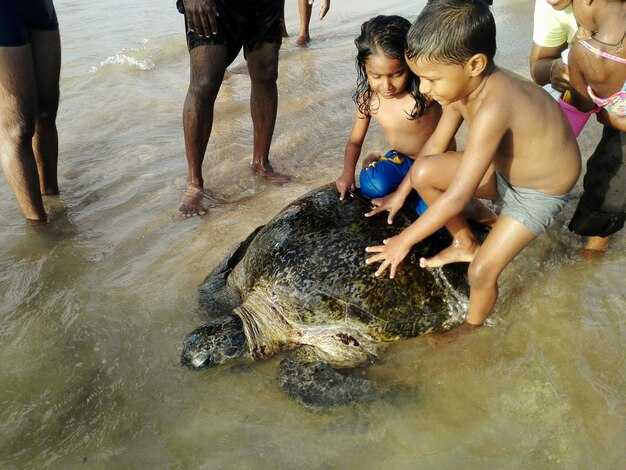
Hydrate before you head out, and sip water every 15-20 minutes during outdoor time to keep life and brain function sharp.
În lumini strălucitoare și căldură, deshidratarea poate să apară rapid. Este crucial să începeți cu un plan de hidratare fiabil și să folosiți umbră, țesături ușoare și protecție solară pentru a reduce temperatura corpului. Atât pentru copii, cât și pentru adulți, beți lichide în mod constant, mai degrabă decât să așteptați până când simțiți sete, luând înghițituri mici în timp, în loc de înghițituri mari deodată.
Asigurați-vă întotdeauna de o sursă de lichide și o zonă sigură, aflată la îndemână. Când planificați o ieșire, verificați prognoza meteo, plasați apa la îndemână și stabiliți mementouri pentru a reface sticlele. Conștientizarea semnalelor corpului vă ajută să detectați problemele din timp: amețelile, durerile de cap, vărsăturile sau oboseala sunt semne prevenibile dacă răspundeți prompt. Dacă observați aceste simptome, mutați-vă la umbră, opriți activitatea și beți înghițituri mici până vă simțiți mai bine.
În apropierea coastei, monitorizați apele și vântul pentru siguranță. Dacă vedeți trombe de apă sau valuri puternice, retrageți-vă într-o zonă sigură și amânați jocurile pe apă. Pericolele de aspirare în jurul rocilor cresc odată cu acțiunea valurilor, așa că stați departe de margini și țineți copiii mici la îndemână. Acest plan oferă pași practici pentru a proteja viața și membrele și reduce riscul de supraîncălzire pentru toate grupele de vârstă.
| Age group | Țintă de hidratare (ml/h în timpul ieșirii) | Sfaturi pentru protecția solară | Warning signs |
|---|---|---|---|
| Copii (4–8) | 150–250 | Pălărie cu bor larg, îmbrăcăminte ușoară, SPF 30+ | Amețeli, vărsături, oboseală |
| Adolescenți (9–15) | 250–350 | Ochelari de soare, bidon de apă la îndemână, pauze regulate la umbră | Cefalee, confuzie, greață |
| Adults | 350–500 | Hidratare frecventă, reaplicare a cremei de protecție solară, țesături respirabile | Transpirații abundente cu semne de probleme sau amețeli |
Riscuri legate de apa rece și prevenirea hipotermiei pentru diferite vârste
Purtați veste de salvare atunci când intrați în apă rece și stabiliți un interval de timp sigur pentru ieșire, în funcție de vârstă, temperatura apei și vreme; rămâneți calmi, fiți atenți la probleme și nu depășiți niciodată limitele, cu cel puțin un adult supraveghetor în apropiere.
Copiii sunt cei mai expuși riscului deoarece pierderea de căldură se produce rapid. În oceane sau lacuri cu apă sub 21°C (70°F), țineți fiecare copil la o lungime de braț în orice moment și alegeți o zonă calmă, puțin adâncă pentru primele sesiuni. Îmbrăcați-i în îmbrăcăminte care minimizează pierderea de căldură, cum ar fi un costum de neopren mulat sau un costum uscat dacă este disponibil și limitați expunerea la 15-30 de minute; după o scurtă pauză, reevaluați starea lor mentală cu privire la modul în care se simt înainte de a continua ieșirea.
Adolescenții pot testa limitele, așa că asociați-i cu un prieten și stabiliți reguli clare privind locația și mediul înainte de a intra în apă. Utilizați veste de salvare în timpul oricărei activități lângă margini sau curenți, purtați un radio mic în zone izolate și stabiliți o oră de check-in comună. Pentru o ieșire în siguranță, țineți cont de diferența dintre temperatura apei și cea a aerului și evitați sesiunile lungi fără pauze.
Adulții ar trebui să-și monitorizeze propriul corp și minte și să ajusteze expunerea în funcție de condiția fizică și îmbrăcăminte. În același mediu, sistemul care reglează temperatura corpului răspunde diferit în funcție de vârstă; înainte de a pleca, alege îmbrăcăminte de protecție care acoperă extremitățile și pieptul; în zonele cu vânt puternic sau valuri, reduce timpul petrecut în apă și hidratează între scufundări.
Fiți atenți la simptome precum tremurături, amorțeală, confuzie, pierdere a coordonării sau dificultate de a articula cuvintele. Dacă observați aceste simptome, mutați-vă într-un loc cald și uscat, îndepărtați hainele ude, aplicați haine uscate și o pătură și folosiți comprese calde (nu fierbinți) sau o băutură caldă, dacă sunteți conștient. Apelați salvamarul sau serviciile de urgență dacă simptomele se agravează sau nu vă puteți încălzi rapid; rămâneți cu toți cei implicați până când toți participanții sunt în siguranță.
Planificarea locației pentru toate scenariile: În acest titlu, prezentăm pași practici care se aplică fiecărei locații și ambianțe. Pentru fiecare ieșire, verificați notele de siguranță ale locației, fiți conștienți că diferite zone au curenți și temperaturi ale apei diferite. La fiecare ieșire, purtați un receptor radio meteo sau un telefon mobil, cunoașteți numerele de urgență și păstrați veste de salvare ușor accesibile. Aceleași practici de bază se aplică țărmurilor oceanice, lacurilor, râurilor și altor zone; stabiliți o listă de verificare pre-călătorie și repetați pașii cu toți participanții, astfel încât toată lumea să fie implicată și pregătită.