


 Română
  English (UK)
  Русский
  العربية
  日本語
日本語  한국어
한국어  Magyar
  Türkçe
  Español
  Čeština
  Svenska
  Português
  Ελληνικά
  Suomi
Suomi  Nederlands
  Italiano
  Français
  Polski
  Українська
  Deutsch
  简体中文
简体中文  Slovenčina
 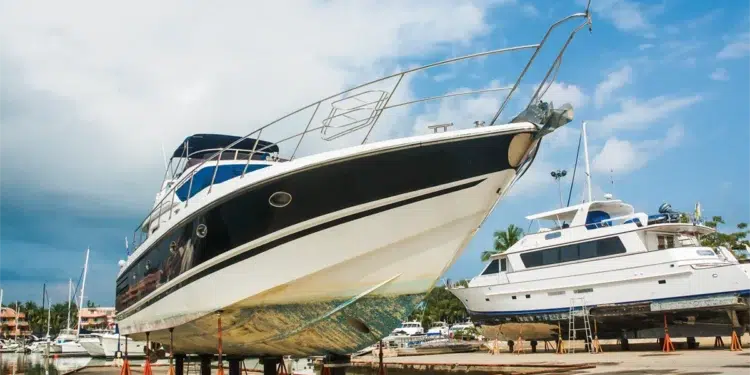 Modernizing Classic Boats: Practical Refit Decisions">

A systems-focused refit that prioritizes propulsion, electrical distribution and safety systems often accounts for 40–60% of a vintage boat’s restoration budget and is the decisive factor for suitability in charter, rental or private cruising operations.
Assessing the mechanical core: repair vs replace
A thorough systems review separates components that are serviceable from those needing replacement. Start with the propulsion engines and auxiliary generator: heat exchangers, fuel systems and raw- and recirculating-water pumps should be inspected, boiled and pressure-tested where appropriate. A professional mechanic or surveyor will recommend whether to rebuild, refurbish, or fit modern equivalents.
Fluid analysis during survey provides actionable diagnostics: metal content, fuel contamination and coolant condition often reveal whether injectors, pumps or seals require immediate work. Consumables such as hoses, clamps and belts are inexpensive and straightforward DIY replacements, but should never be deferred if they compromise reliability.
Mechanical checklist
- Remove and pressure-test heat exchangers; repaint to match engine aesthetics.
- Perform fluid analysis on engines and gearboxes.
- Inspect and replace soft consumables: hoses, belts, fuel filters.
- Evaluate generator condition and schedule overhaul if generation hours are high.
Controls and navigation: old school or new tech?
Converting to electronic engine controls provides single-lever operation across engine and transmission and supports multiple helm stations. Wireless remote control systems permit the skipper to walk the deck while shifting, and portable controllers can simultaneously command bow and stern thrusters for precision docking.
An upgraded navigation and autopilot suite often includes crowd-sourced routing apps, AIS integration and improved satellite connectivity for internet and voice far offshore. These systems not only enhance safety but can increase charter appeal and operational flexibility in rental markets.
Electronics upgrade considerations
| System | Benefit | Key consideration |
|---|---|---|
| Electronic engine controls | Simplified operation, multiple helms | Compatibility with legacy transmissions |
| Wireless remote & thrusters | Improved docking, reduced crew need | Range, redundancy, waterproofing |
| Autopilot & navigation suite | Route optimization, safety | Integration with charts and AIS |
Power systems: batteries, inverters and the ABYC standard
Installing additional batteries and a substantial inverter/charger allows appliance use—refrigerator, TV, induction cooktop—without running the generator. Lithium battery banks offer substantial weight and capacity advantages, but require professional integration. Engage an ABYC marine electrician for wiring, battery management systems and to ensure compliance with marine electrical standards.
Power upgrade pros and cons
- Pros: extended silent cruising, lower fuel use, ability to support modern galley and entertainment.
- Cons: initial capital expenditure, need for certified installation, ventilation and fire-suppression considerations.
Creature comforts and sanitary upgrades
Refitting the galley to accept modern induction cooktops, efficient refrigerators and compact dishwashers can make a classic vessel functionally equivalent to a new yacht. Sanitary systems benefit from swapping raw-water flushing for freshwater-flush toilets to reduce odors and improve hygiene—often a small plumbing job with outsized impact on guest comfort.
Interior priorities
- Plan cabinetry modifications early to accept new appliances.
- Address ventilation and insulation as part of galley refit.
- Replace old sanitary hoses and pumps for odor control and reliability.
Seakeeping: stabilizers and interceptors
To reduce motion and improve guest comfort, consider available stabilizer technologies: active fins (hydraulic, pneumatic or electric), gyroscopic units (AC or DC) and interceptor blades on the transom that function as trim tabs and stabilizers at planing speeds. Selection depends on hull form, electrical capacity and weight/balance constraints.
Project planning: budget, timeline and vendor selection
Begin with a prioritized worklist derived from survey findings. Attend a boat show and meet accessory vendors to verify options and realize realistic lead times. Expect the mechanical and electrical scope to define the schedule: engine overhauls, heat-exchanger work and certified electrical installations commonly drive refit timelines.
Sample refit priority list
- Survey and fluid analysis — identify critical failures.
- Propulsion and generator servicing or replacement.
- Electrical upgrade (batteries, inverter, charging).
- Navigation, autopilot and communication suite.
- Galley and sanitary upgrades.
- Stabilization and cosmetic finishes.
GetBoat always keeps an eye on news related to sailing and seaside vacations because the platform understands what freedom on the water truly means: energy, choice and the ability to tailor leisure time. The service values the ability to select a vessel to match preferences, budget and taste, whether for a private restoration project, a charter operation, or a relaxed weekend cruise.
Highlights: restoration decisions determine a vessel’s operational profile—will it sit as a retro showpiece or enter active charter and rental service? Mechanical reliability, up-to-date electronics, compliant electrical installations (ABYC), and guest comfort upgrades all raise the appeal for charters, increase daily rental rates and reduce operational risk. Remember that experiencing a new destination is multifaceted: you learn about culture, nature, the indescribable palette of local colors, the rhythm of life and the unique aspects of service. If you are planning your next trip to the sea, you should definitely consider renting a boat (boat rentals, rent a boat, rent a yacht), as each inlet, bay, and lagoon is unique and tells you about the region just as much as the local cuisine, architecture, and language GetBoat.com
Forecast and call to action
The incremental modernization of vintage vessels is unlikely to reshape global tourism alone, but it meaningfully expands charter inventories and niche yachting offerings in many destinations. To adapt to a fast-changing leisure market, start planning your next seaside adventure and make sure to book the best boat and yacht rentals with GetBoat before the opportunity sails away!
In summary, a successful vintage-boat refit balances propulsion reliability, modern autopilot and navigation, compliant electrical systems (including lithium options), and comfort upgrades that matter to guests. Proper planning, certified installations and realistic budgeting convert classic hulls into dependable charter-ready boats and unforgettable private cruisers. Whether you aim to charter, sell, or enjoy a renovated yacht on clearwater shores, GetBoat.com helps connect owners and renters with vessels suited to every destination and activity—yacht or small boat, marina or gulf, fishing or relaxed sailing. Choose your course.