


 Română
  English (UK)
  Русский
  العربية
  日本語
日本語  한국어
한국어  Magyar
  Türkçe
  Español
  Čeština
  Svenska
  Português
  Ελληνικά
  Suomi
Suomi  Nederlands
  Italiano
  Français
  Polski
  Українська
  Deutsch
  简体中文
简体中文  Slovenčina
  Marea Britanie trece la vize electronice (e-vize) digitale pentru titularii de vize dependente și de familie">

UK Shifts to a Fully Digital Visa System by 2025
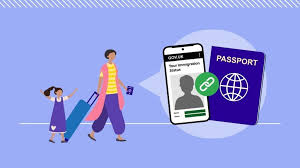
Beginning October 30, 2025, the United Kingdom will eliminate physical visa stickers, also known as vignettes, in passports for dependents and family visa applicants, alongside work and study visa holders. Instead, the UK will adopt a comprehensive digital system where immigration status is stored electronically as an e-visa accessible through an official online account managed by UK Visas and Immigration (UKVI).
This transition extends the earlier rollout of e-visas initiated for main applicants and seeks to modernize and secure visa management, making travel and status verification more efficient and less vulnerable to loss or alteration.
Who Does This Affect?
- Dependents of visa applicants
- Applicants for work visas
- Applicants for studiu visas
- Family visa seekers
- Those applying for indefinite leave to remain (settlement)
How Does the New System Work?
Users will no longer receive a physical sticker in their passport but will have their visa status digitally linked to their travel document. This digital record acts as official proof of immigration status and can be conveniently managed and accessed via a UKVI online account. Visa eligibility and requirements remain unchanged; only the verification process will shift to this digital format.
The government has pledged £400,000 to support vulnerable groups during this transition, helping community organizations assist individuals adapting to the e-visa system.
Understanding the Historical Context of UK Visa Processing
Traditionally, UK visas involved physical stickers affixed to passports—a method inherited from decades of immigration processes globally. Physical visas or vignettes served as tangible proof of the holder’s right to live, work, or study in the UK, but they came with drawbacks such as the risk of damage, loss, or fraudulent tampering.
Over recent years, digital transformation has touched many sectors, including immigration control. The UK’s move to digital e-visas follows a broader global trend where electronic travel authorizations and biometric systems have increasingly replaced paper documentation.
This evolution aligns with visa facilitation initiatives worldwide that aim to simplify cross-border travel and enhance security and convenience. The UK’s e-visa system represents a significant stride to reduce bureaucratic hurdles and speed up identity and status verification processes at ports of entry.
Benefits of the E-Visa System
| Aspect | Physical Visa Stickers | Digital E-Visas |
|---|---|---|
| Verification Speed | Manual and slower | Instant online access |
| Risk of Loss or Damage | High risk of loss or tampering | Secure electronic records with backups |
| Portability | Physically attached to passport | Linked digitally to passport and accessible anywhere |
| User Convenience | Requires physical submission and handling | Easy online management and status checks |
Visa Facilitation and International Travel Trends
Visa policies have long played a critical role in shaping international tourism flows. While good visa facilitation encourages tourism growth, restrictive requirements or complicated application procedures often deter travelers.
The introduction of electronic visas is one of the most impactful facilitation measures, enabling faster entry procedures and reducing the burden on both travelers and border authorities. Many countries have embraced e-visa programs as a way to boost their destination’s competitiveness in the international tourism market.
Alongside this, technologies like biometric residence permits and secure digital identity verification help integrate immigration management with modern security requirements.
Global Context and Future Prospects
The UK’s shift to digital e-visas fits within the global framework of visa liberalization and easing cross-border travel. It enhances the UK’s attractiveness as a destination for work, study, and family reunification travel, streamlining processes that encourage longer stays and potentially higher tourism and economic benefits.
Looking ahead, this change may inspire more countries to adopt similar e-visa systems, facilitating easier international movement that benefits not only traditional tourism but also business travel and expatriate communities.
Implicații pentru turismul nautic și cu vele
For travelers who navigate international waters and visit maritime destinations, streamlined digital visa processes represent a welcome advancement. Yacht owners, sailing enthusiasts, and charter operators often face complex visa rules when docking across different countries.
The UK’s e-visa system could soon become a model influencing visa processes for those arriving by sea. Easy access to visa information and digital verification aligns perfectly with the dynamic, mobile nature of boating tourism, where travelers might visit multiple coastal ports during one journey.
Marinas and sailing destinations could benefit from increased traffic as visa processing becomes less cumbersome, potentially promoting greater interest in sailing charters, superyacht rentals, and coastal exploration in the UK and neighboring regions.
Summary
The United Kingdom’s plan to replace physical visa stickers with a fully digital e-visa system by late 2025 marks a crucial modernization step. This system covers dependents, family, work, and study visas, ensuring eligibility rules remain consistent but switching the proof of status to an online platform. The digital approach promises faster verification, improved security, and easier access for visa holders.
Historically, UK visa processing relied on physical documentation, but the digital shift aligns with worldwide efforts to facilitate travel and enhance border control efficiency. As visa facilitation grows, international tourism opportunities expand, affecting not only land-based travel but also marine and sailing activities that rely on smooth border crossing procedures.
This innovation suggests a future where international maritime travelers enjoy more seamless visa experiences, boosting yacht charters, sailing trips, and boating tourism across the UK’s coastal destinations and beyond.
For those eager to explore the seas under clear skies and visit marinas around the UK with ease, the new digital visa system is a positive step forward. To find the ideal sailing charter or superyacht rental for this adventurous journey, consider browsing options at GetBoat.com, an international marketplace connecting boat lovers with the perfect vessel to suit every taste, budget, and destination.