


 Română
  English (UK)
  Русский
  العربية
  日本語
日本語  한국어
한국어  Magyar
  Türkçe
  Español
  Čeština
  Svenska
  Português
  Ελληνικά
  Suomi
Suomi  Nederlands
  Italiano
  Français
  Polski
  Українська
  Deutsch
  简体中文
简体中文  Slovenčina
 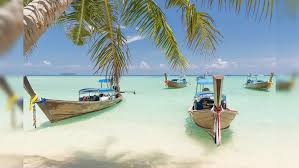 Growing Tourism in Andaman and Nicobar Islands Prompts Ecological Studies and Island Development">

Balancing Tourist Growth and Ecological Preservation
The Andaman and Nicobar Islands are experiencing a notable increase in tourism, prompting government authorities to carefully manage and assess the ecological impact of opening new islands to visitors. With the Union Territory’s tourist numbers rising significantly last year and further growth anticipated, sustainable policies are being implemented to ensure the natural ecosystem remains protected while broadening tourism offerings.
Current Tourism Trends and Initiatives
Last year, the islands welcomed over 720,000 tourists, surpassing the resident population of about 400,000. This growth trajectory continues, with 600,000 visitors recorded by September this year, ahead of the peak tourist season in October and November. To prevent adverse effects on popular destinations, access is regulated primarily through flights, which naturally limits visitor numbers.
The government has begun opening new islands in a phased manner, such as North Sink Island, alongside recent expansions by the forest department to places like Jolly Buoy and Red Skin Islands, where strict capacity limits of 200 visitors are enforced to safeguard the environment.
| Island | Visitor Capacity | Status |
|---|---|---|
| North Sink Island | Limited, controlled | Opened recently |
| Jolly Buoy Island | 200 visitors | Forest dept. controlled |
| Red Skin Island | 200 visitors | Forest dept. controlled |
Emerging Tourism Sectors
The destination is diversifying beyond classic beach tourism. Birdwatching draws enthusiasts keen on spotting the 32 endemic bird species unique to the islands. Meanwhile, the territory is pioneering astro-tourism, leveraging its exceptionally clear night skies free from industrial light pollution. Unique vantage points offer panoramic views of celestial sights, with visitors able to see both northern and southern constellations. The government has formalized this with a dedicated astro-tourism policy, including expert guide training and establishing designated dark-sky zones.
Fishing remains a popular activity, attracting both domestic and international guests, complemented by a well-developed offering of water sports that add to the adventurous allure of the islands.
Ecological and Cultural Context of the Andaman and Nicobar Islands
The Andaman and Nicobar Islands, located in the Bay of Bengal, form a diverse archipelago renowned for their palm-fringed beaches, mangrove swamps, and rich biodiversity. These islands include over 300 islets, with only a handful inhabited. The major islands—North Andaman, Middle Andaman, and South Andaman—are often collectively called Great Andaman.
Dense forests cover much of the islands, home to various tropical flora and fauna, including some endemic species. The marine environment boasts coral reefs and clear turquoise waters, ideal for snorkeling and diving. The islands’ physical geography is characterized by hill ranges with narrow valleys, sparse rivers, and extensive mangrove-lined coasts.
Historical Overview and Human Influence
Historically, the Andaman and Nicobar Islands have been a crossroads of maritime trade routes between India, Southeast Asia, and beyond. European interaction began in the late 18th century, marked by the establishment of Penal colonies in Port Blair during British colonial rule. The islands also endured Japanese occupation during World War II. Post-independence, the population was bolstered by settlers from mainland India and refugees from neighbouring regions.
The indigenous tribes, including the Jarawa and Onge, have retained traditional lifestyles in certain parts of the islands, while modern development focuses on balancing tourism growth with preservation of their cultural and ecological heritage.
Environmental Challenges and Tourism Management
Island tourism brings unique challenges such as limited carrying capacities, fragile ecosystems, and infrastructure strain during peak seasons. Recognizing this, the authorities are adopting a graded approach to opening islands for tourism to mitigate environmental stress. Protected zones and regulated visitor access safeguard biodiversity hotspots and indigenous habitats.
The government’s emphasis on sustainable tourism is evident through policies supporting local employment and skill development, particularly among youth, ensuring the community benefits from tourism expansion without compromising ecological integrity.
Looking Ahead: The Role of Sustainable Tourism in Andaman and Nicobar’s Future
With tourism booming, the Andaman and Nicobar Islands stand as a prime example of how island destinations must tread carefully to maintain their natural charm. Sustainable development strategies are crucial to protect pristine beaches, coral reefs, and forested landscapes while meeting the expectations of visitors seeking authentic and eco-conscious experiences.
The island group’s potential for niche tourism markets such as birdwatching, astro-tourism, and adventure sports offers exciting avenues for diversification. This not only enriches the visitor experience but also disperses tourist impact across more locations, alleviating pressure on frequently visited spots.
Table: Key Tourism Activities and Their Ecological Considerations
| Activity | Ecological Impact Risk | Management Measures |
|---|---|---|
| Beach Tourism | Habitat disturbance, littering | Visitor limits, waste management |
| Birdwatching | Disturbance to avian species | Guided tours, restricted zones |
| Astro-turism | Light pollution | Dark-sky areas, controlled lighting |
| Water Sports & Fishing | Marine ecosystem disturbance | Regulation of gear and zones |
As tourism continues to rise, the effectiveness of these management strategies will shape the islands’ ability to remain a sustainable, high-value destination. Collaborative engagement between environmental agencies, local communities, and tourism stakeholders is essential to forge a path that conserves the islands’ natural and cultural treasures for future generations.
Concluzie
The strategy to carefully open new islands, strictly monitor tourist numbers, and introduce innovative eco-tourism niches underscores the commitment to sustainable growth in the Andaman and Nicobar Islands. As these islands offer an exceptional blend of natural beauty, wildlife, and cultural richness, such measures ensure that the increasing influx of tourists does not compromise the environment.
For travelers drawn to the sea, stunning beaches, and diverse activities like birdwatching, astro-tourism, fishing, and water sports, the Andaman and Nicobar Islands represent an extraordinary destination. The ongoing ecological assessments and visitor management efforts guarantee that this paradise can be enjoyed responsibly.
For those looking to explore this maritime gem, GetBoat.com serves as an invaluable international marketplace for renting sailing boats and yachts, offering an excellent way to experience the islands’ crystal-clear waters, vibrant marine life, and alluring coastal landscapes with the perfect charter suited to any taste or budget.